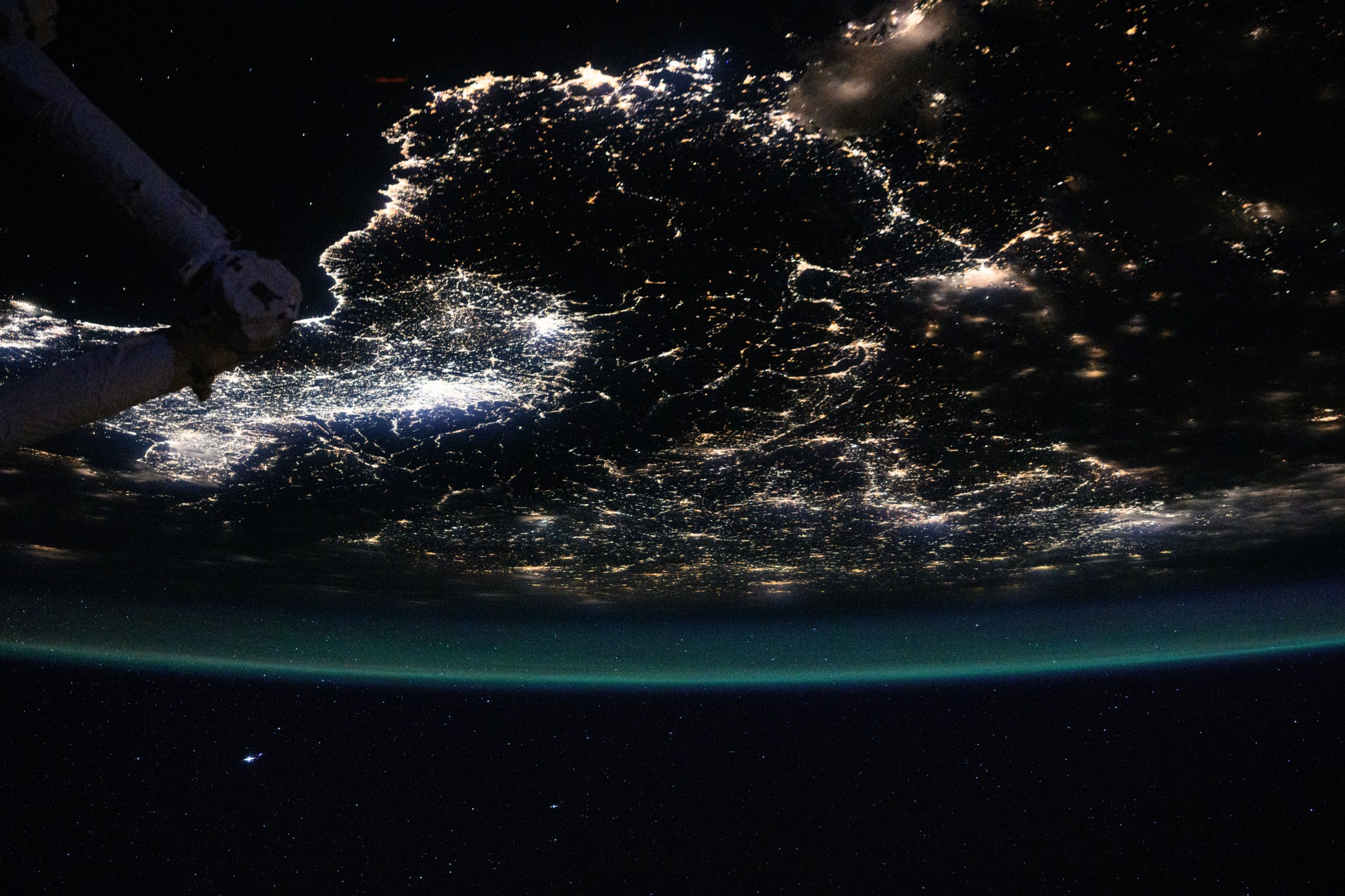
JAXA/Kimiya Yui JAXA (Japan Aerospace Exploration Agency) astronaut Kimiya Yui captured this photo of southern Europe and the northwestern Mediterranean coast from the International Space Station as it orbited 261

JAXA/Kimiya Yui JAXA (Japan Aerospace Exploration Agency) astronaut Kimiya Yui captured this photo of southern Europe and the northwestern Mediterranean coast from the International Space Station as it orbited 261

NASA Astrobiology Program Status Report NASA SMD November 24, 2025 NASA Science Mission Directorate To the NASA Science Community, Now that NASA SMD has returned to normal operations, we are
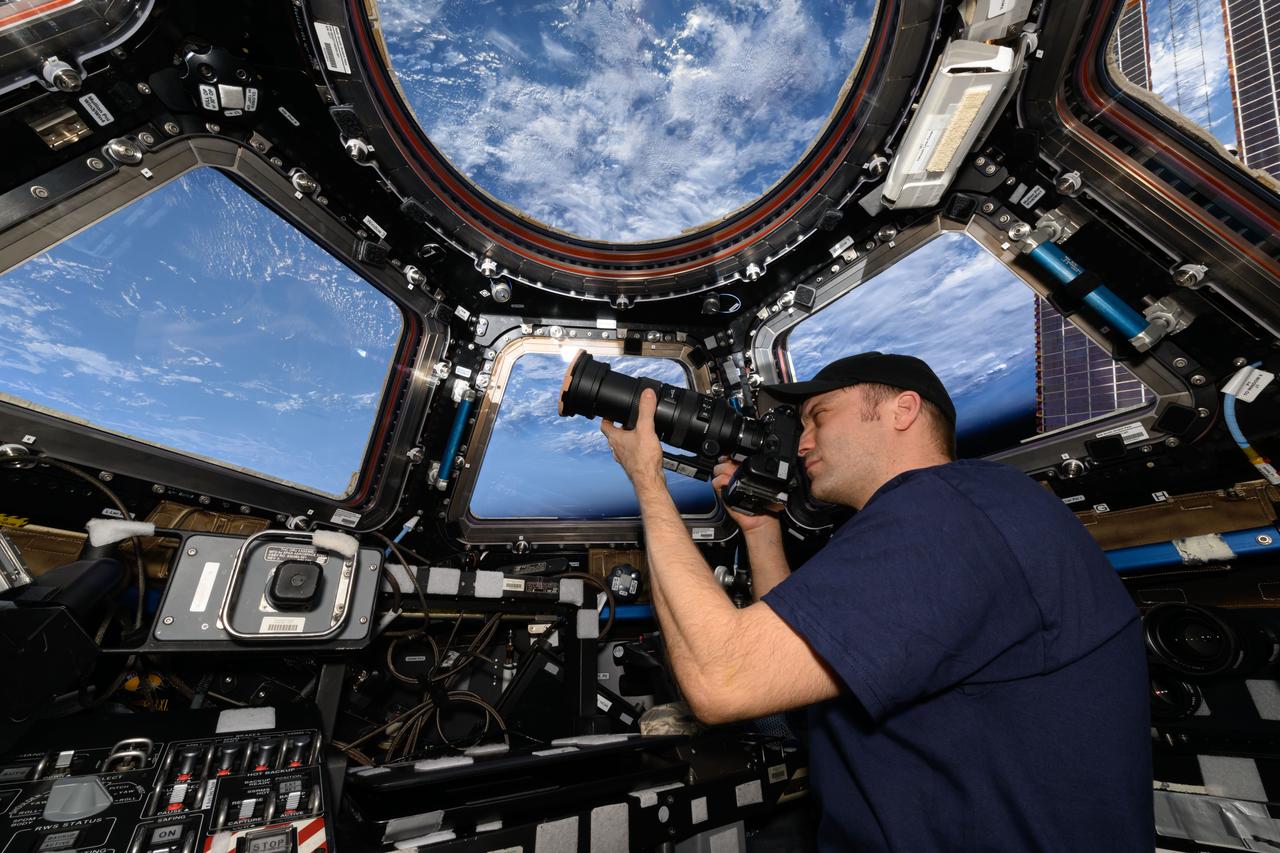
To see Earth from space is to be forever changed by the view. Since Alan Shepard became the first American to lay eyes on our home planet from above, countless
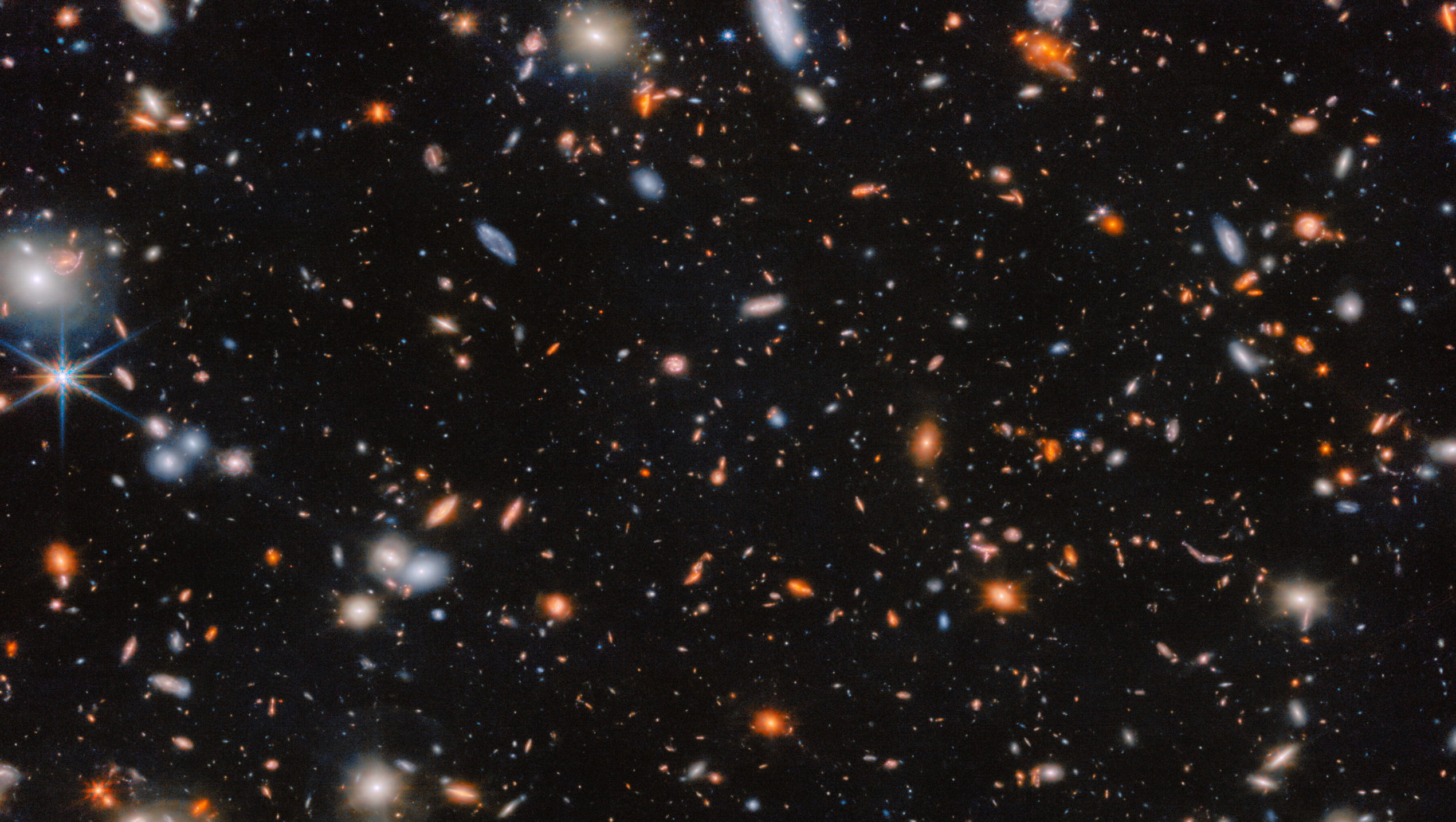
Astronomers using the James Webb Space Telescope, a collaboration among NASA, the European Space Agency, and the Canadian Space Agency, have uncovered a supermassive black hole in the distant galaxy
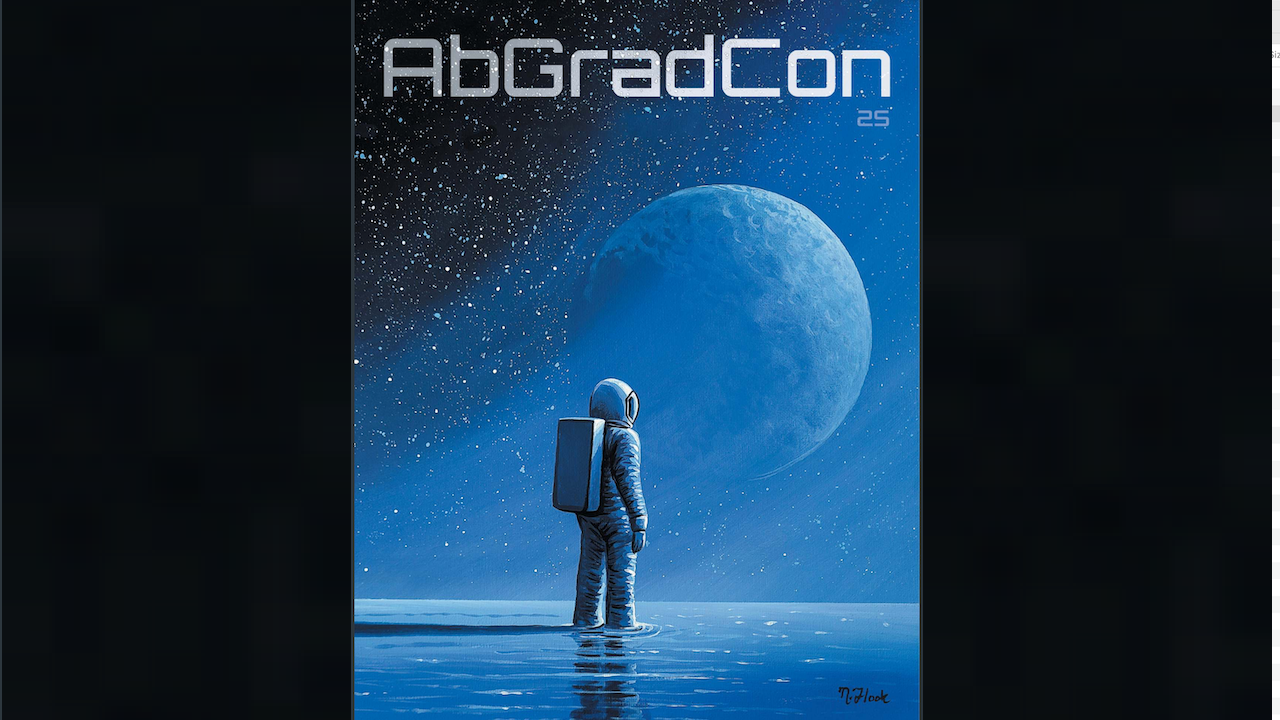
Birdy X AbGradCon ISSUE 138.5 special edition of Birdy Magazine for 2025’s AbGradCon (Astrobiology Graduate Convention) with support by NASA. Editor’s note: from the issue 138.5 special edition of Birdy
Credit: NASA NASA has selected Plug Power, Inc., of Slingerlands, New York, and Air Products and Chemicals, Inc., of Allentown, Pennsylvania, to supply up to approximately 36,952,000 pounds of liquid
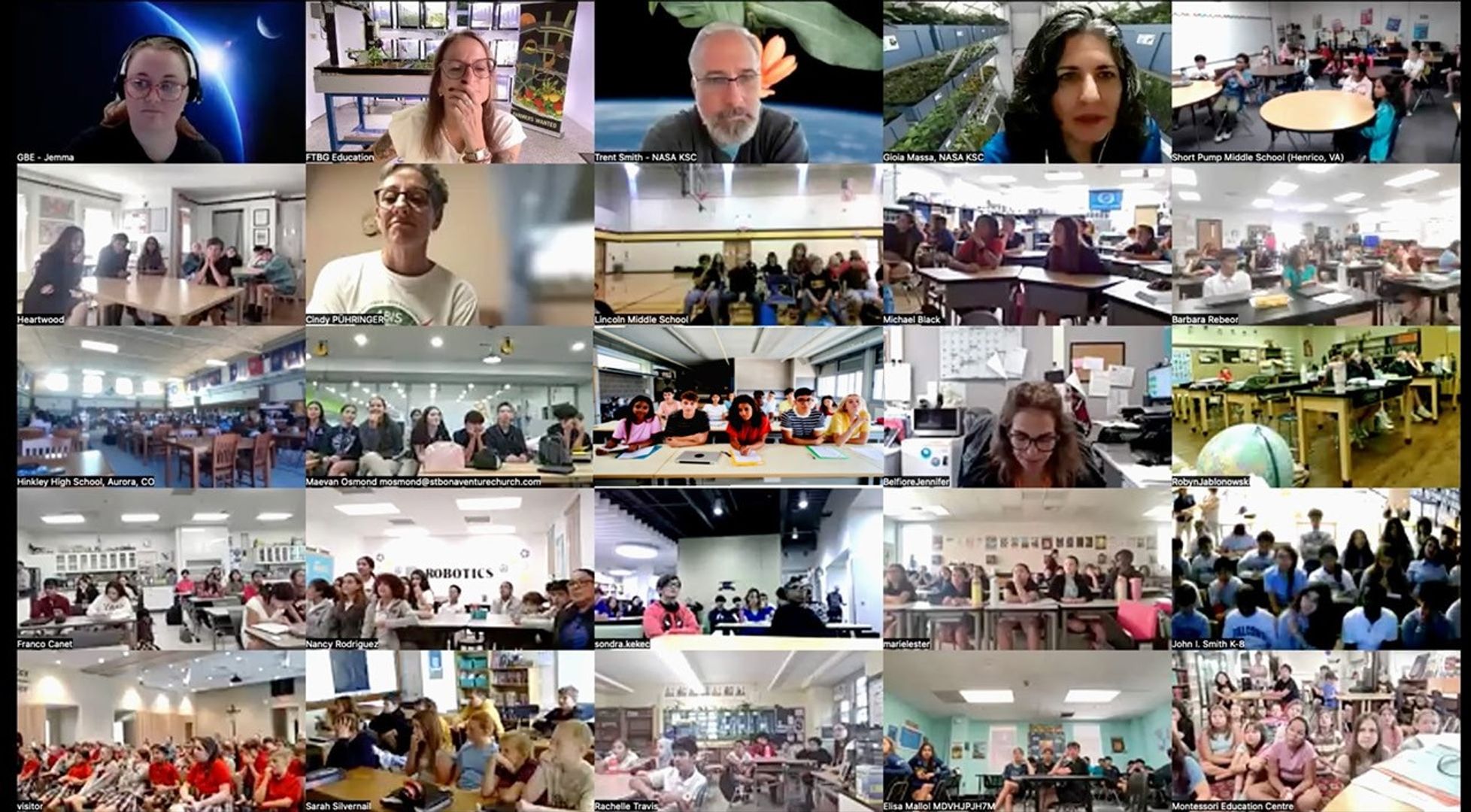
Explore This Section Science Science Activation 10 Years of Students Helping… Overview Learning Resources Science Activation Teams SME Map Opportunities More Science Activation Stories Citizen Science 3 min read

This NASA/ESA Hubble Space Telescope image features a galaxy, NGC 2775, that’s hard to categorize. ESA/Hubble & NASA, F. Belfiore, J. Lee and the PHANGS-HST Team This NASA/ESA Hubble Space Telescope image
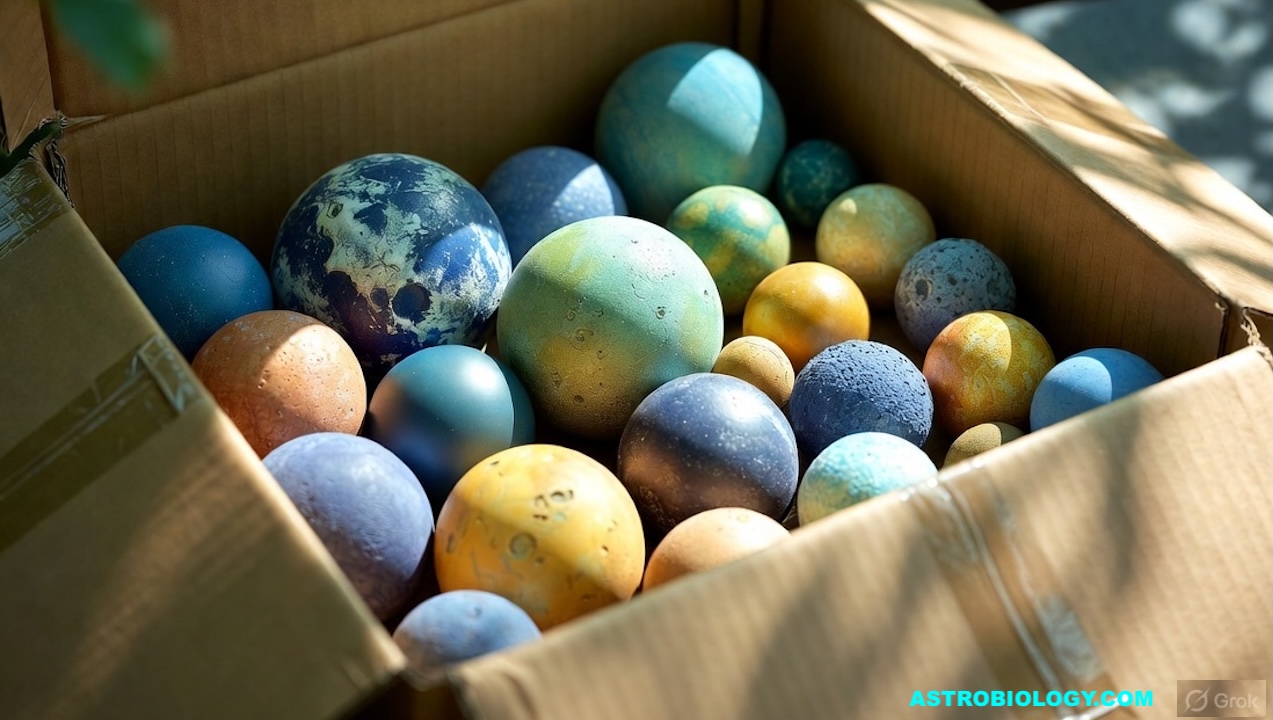
NASA Planetary Research — Grok via Astrobiology.com On December 10, 2025 at 1 PM Eastern, NASA’s Planetary Science Division (PSD) Planetary Research Programs will host a webinar to celebrate the
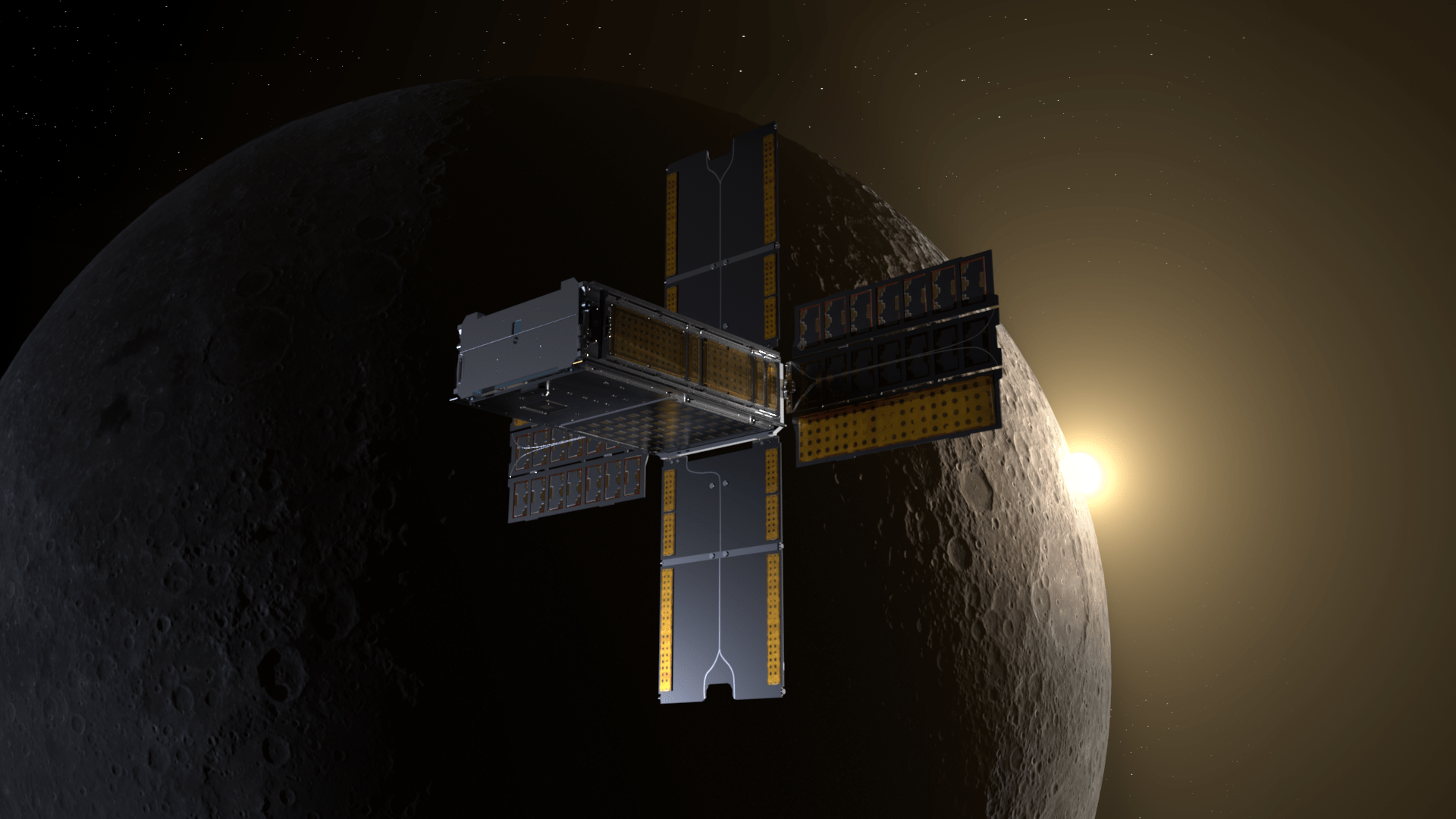
llustration of BioSentinel’s spacecraft flying past the Moon. NASA/Daniel Rutter Editor’s Note: This article was updated Nov. 21, 2025 shortly after BioSentinel’s mission marked three years of operation in deep space.