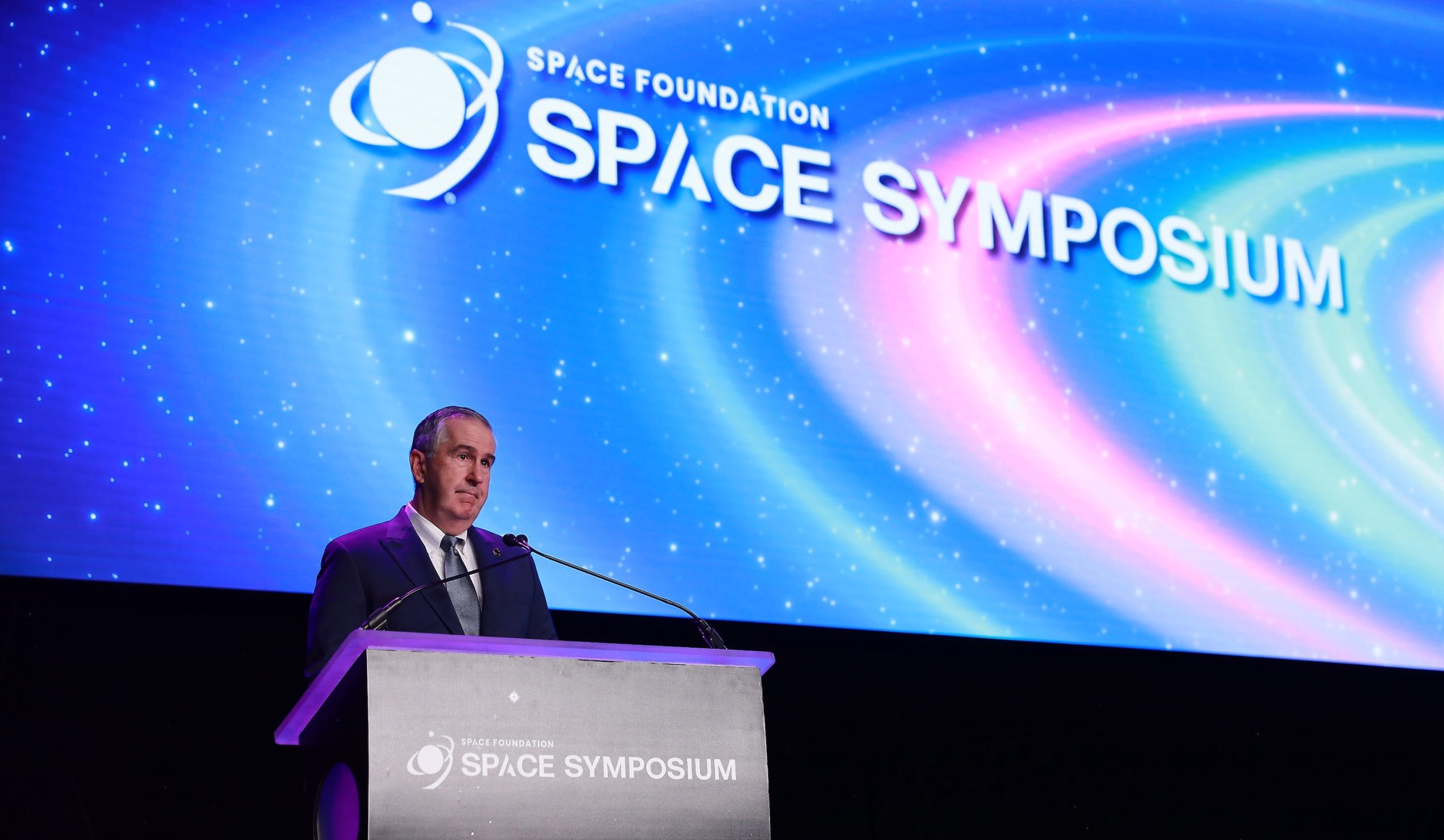
WASHINGTON — Astranis, a San Francisco–based operator of small geostationary communications satellites, announced March 12 that retired U.S. Air Force Gen. John Hyten has joined the company as chairman of

WASHINGTON — Astranis, a San Francisco–based operator of small geostationary communications satellites, announced March 12 that retired U.S. Air Force Gen. John Hyten has joined the company as chairman of
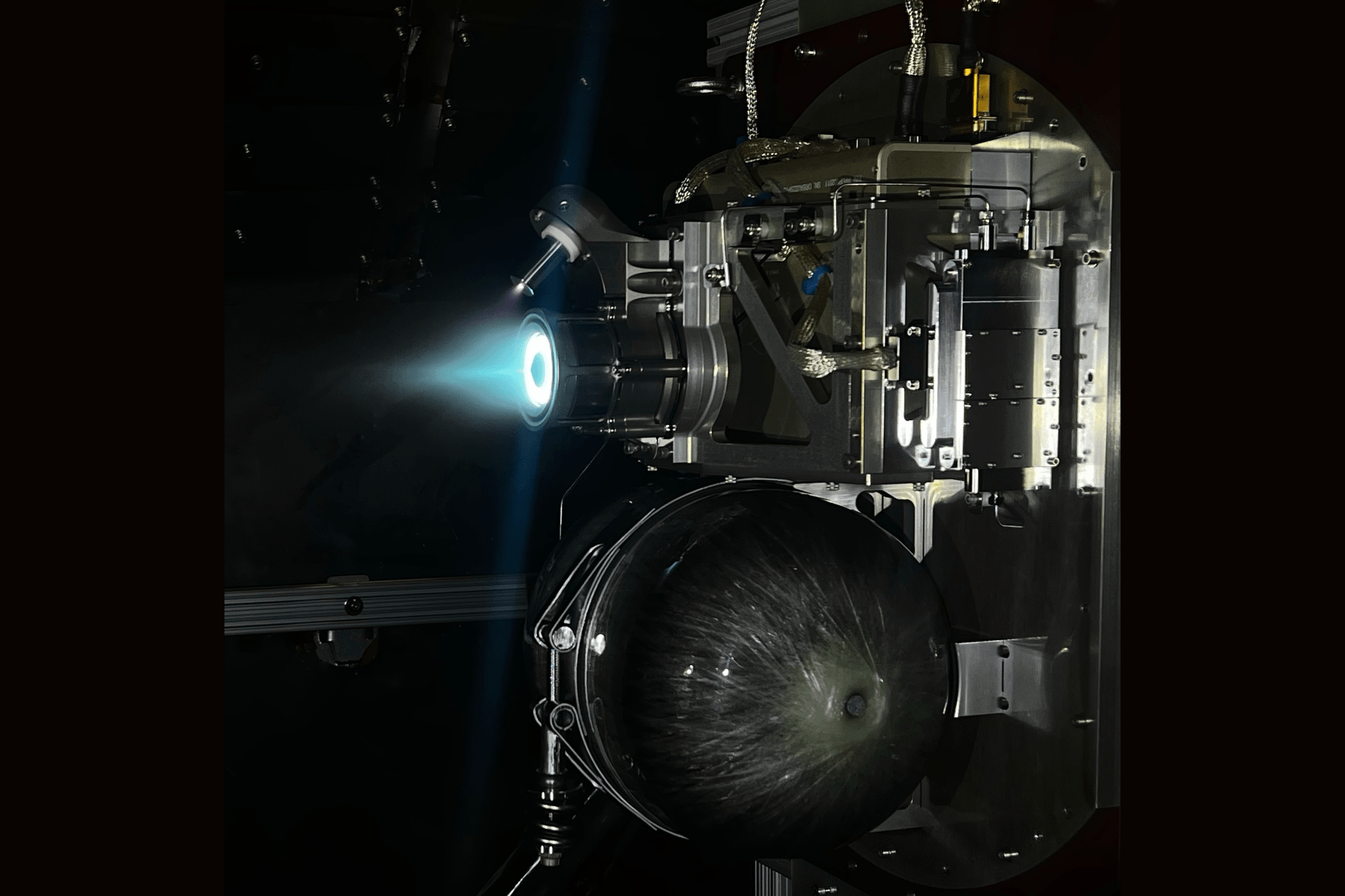
WASHINGTON — York Space Systems said it has acquired Orbion Space Technology, bringing a key satellite propulsion technology inside the company as it expands production for national security space programs.

SAN FRANCISCO – Mantis Space, a New Mexico startup planning a constellation to supply solar power to spacecraft, emerged from stealth March 12 with $10 million in seed funding. “We
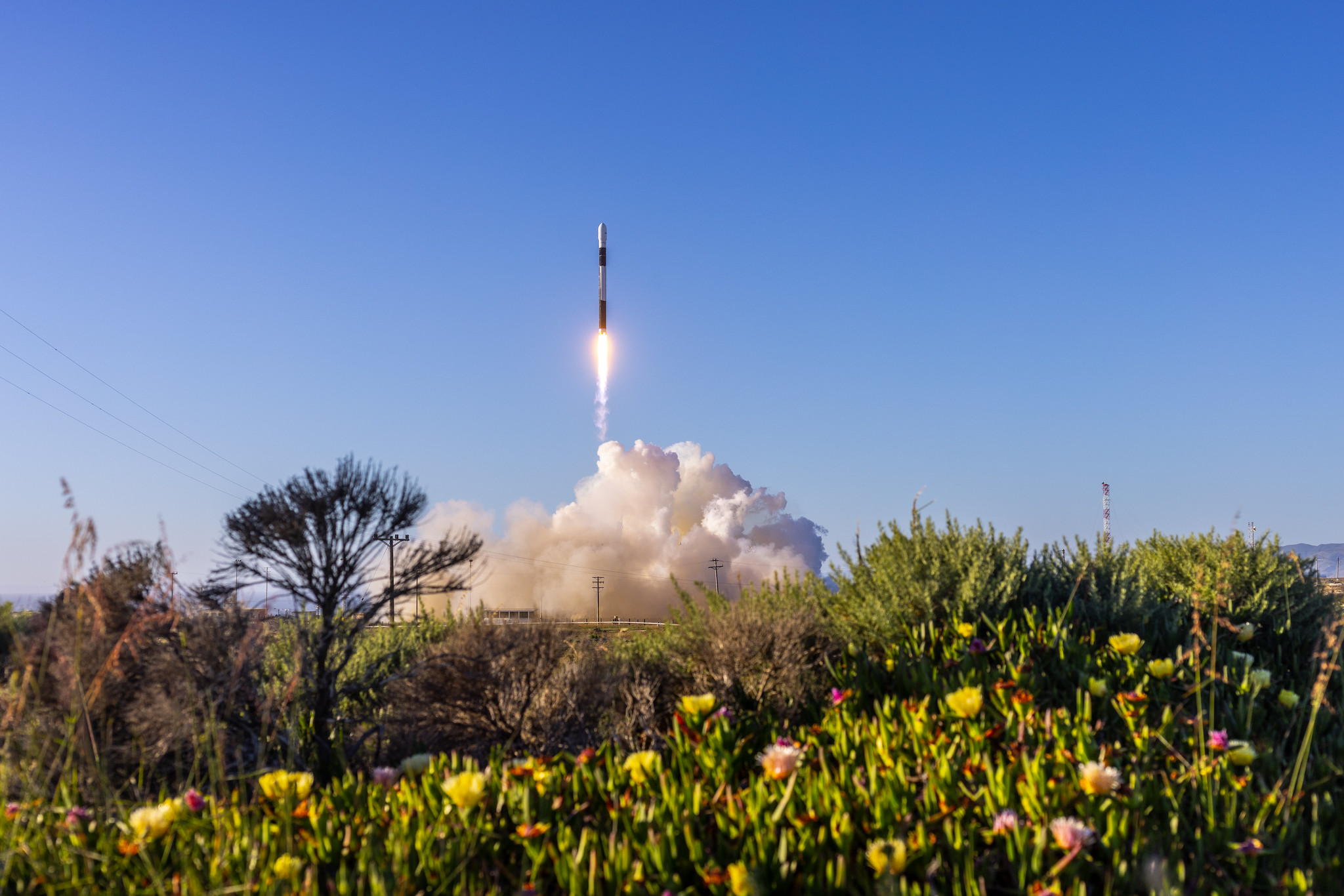
WASHINGTON — Firefly Aerospace’s Alpha rocket successfully returned to flight March 11, launching a technology demonstration mission more than 10 months after the rocket’s previous launch failed. Alpha lifted off

Paris, February 2026 — Novaspace’s Capacity Pricing Trends, 8th Edition finds the satellite connectivity market has entered a Post‑Capacity Era, where bandwidth is no longer the basis of differentiation. Starlink’s vertical integration and cost
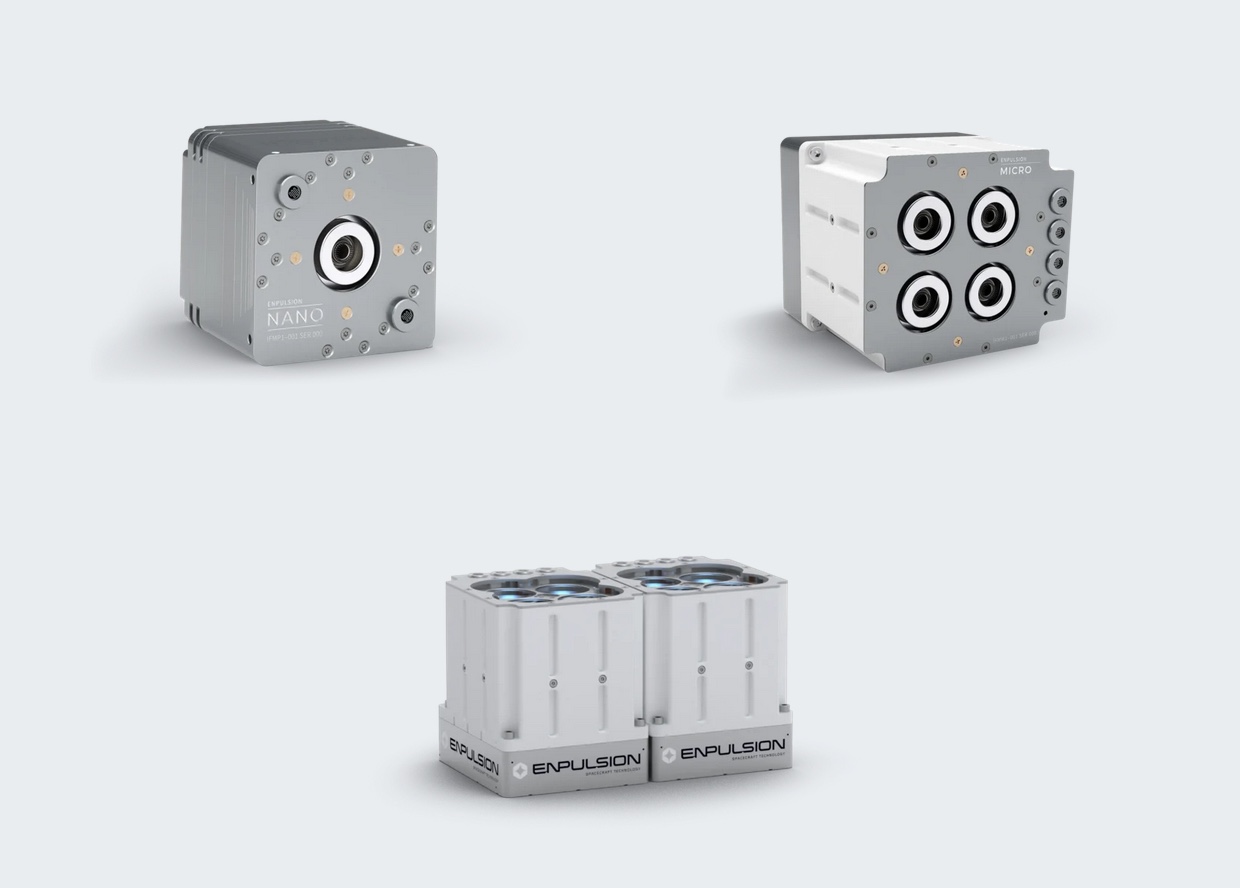
WASHINGTON — Enpulsion, an Austrian company that produces satellite electric propulsion systems, has raised its first significant outside funding to increase production and potentially acquire other companies. Enpulsion announced this
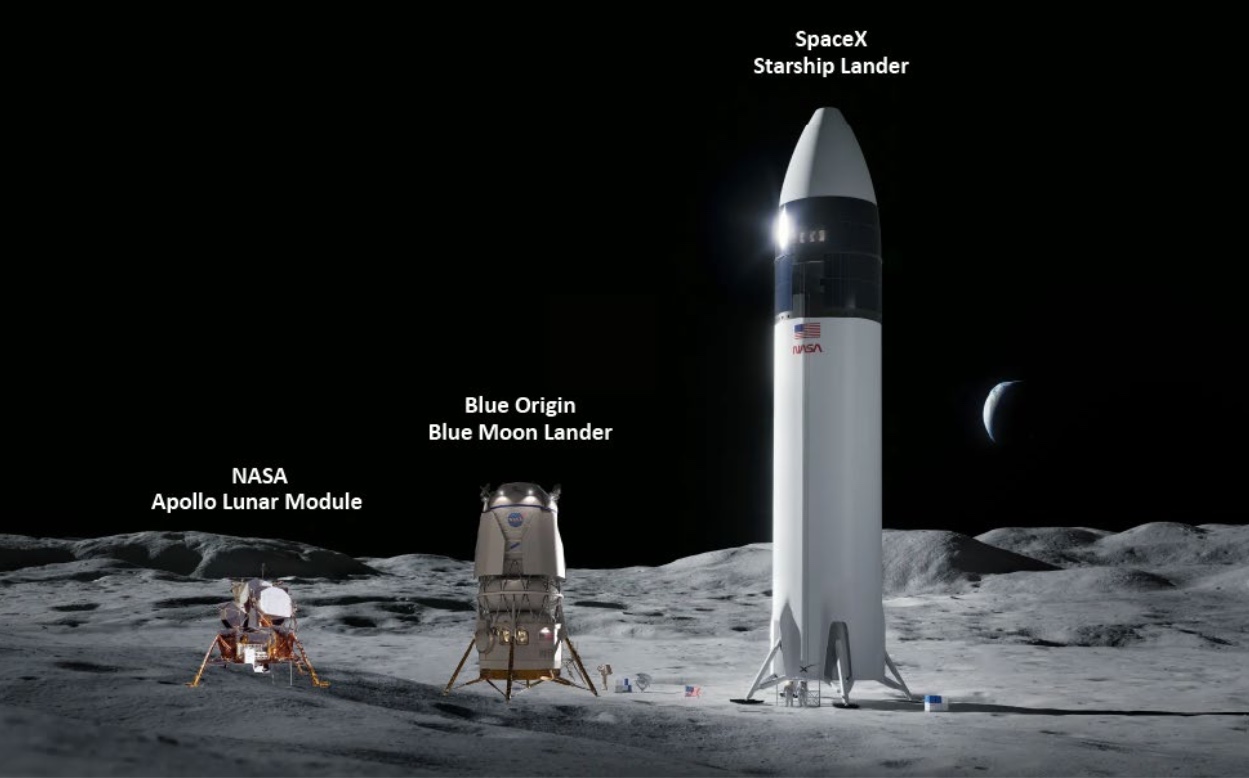
WASHINGTON — NASA’s approach to managing the development of crewed lunar landers for Artemis has successfully controlled costs but not schedule, raising questions about NASA’s desire to accelerate those efforts.
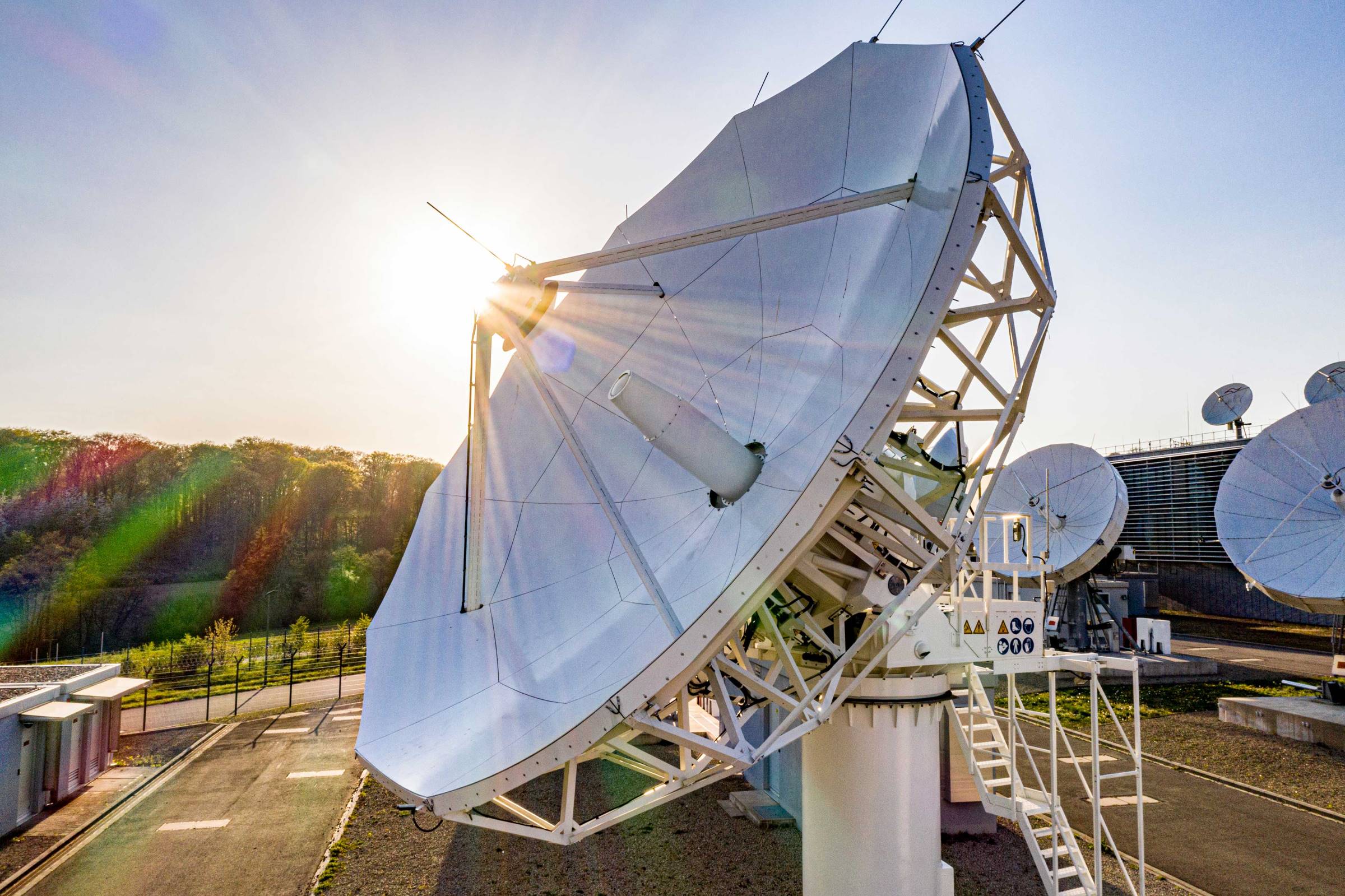
TAMPA, Fla. — Satellite operator SES said a missile “targeted and struck” its teleport facility in Israel March 9 as tensions spill across the region amid ongoing Israeli and U.S.
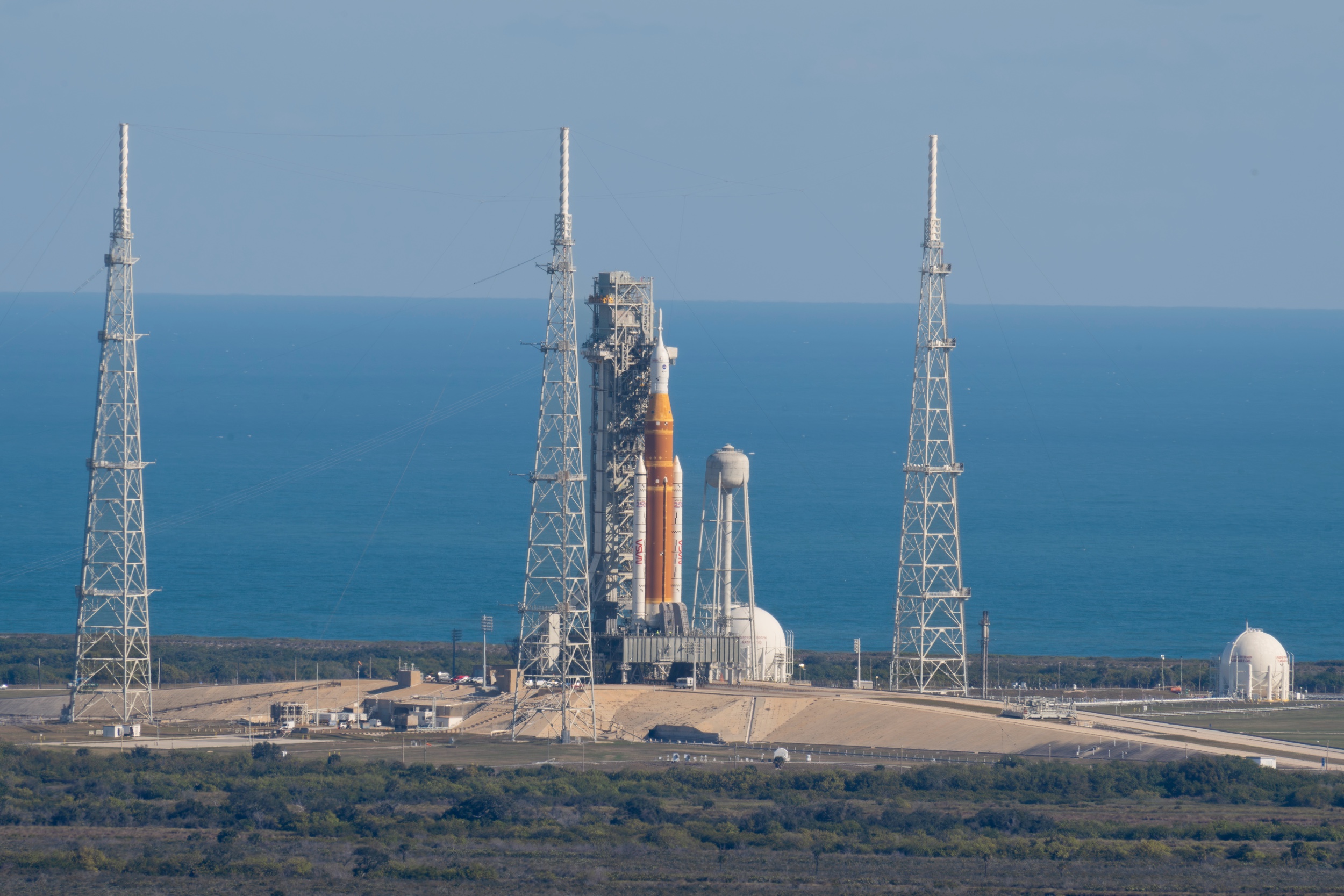
Recent engineering setbacks, specifically regarding helium system issues associated with the improper flow of helium into the Space Launch System (SLS) rocket’s upper stage, and persistent hydrogen leaks, have forced
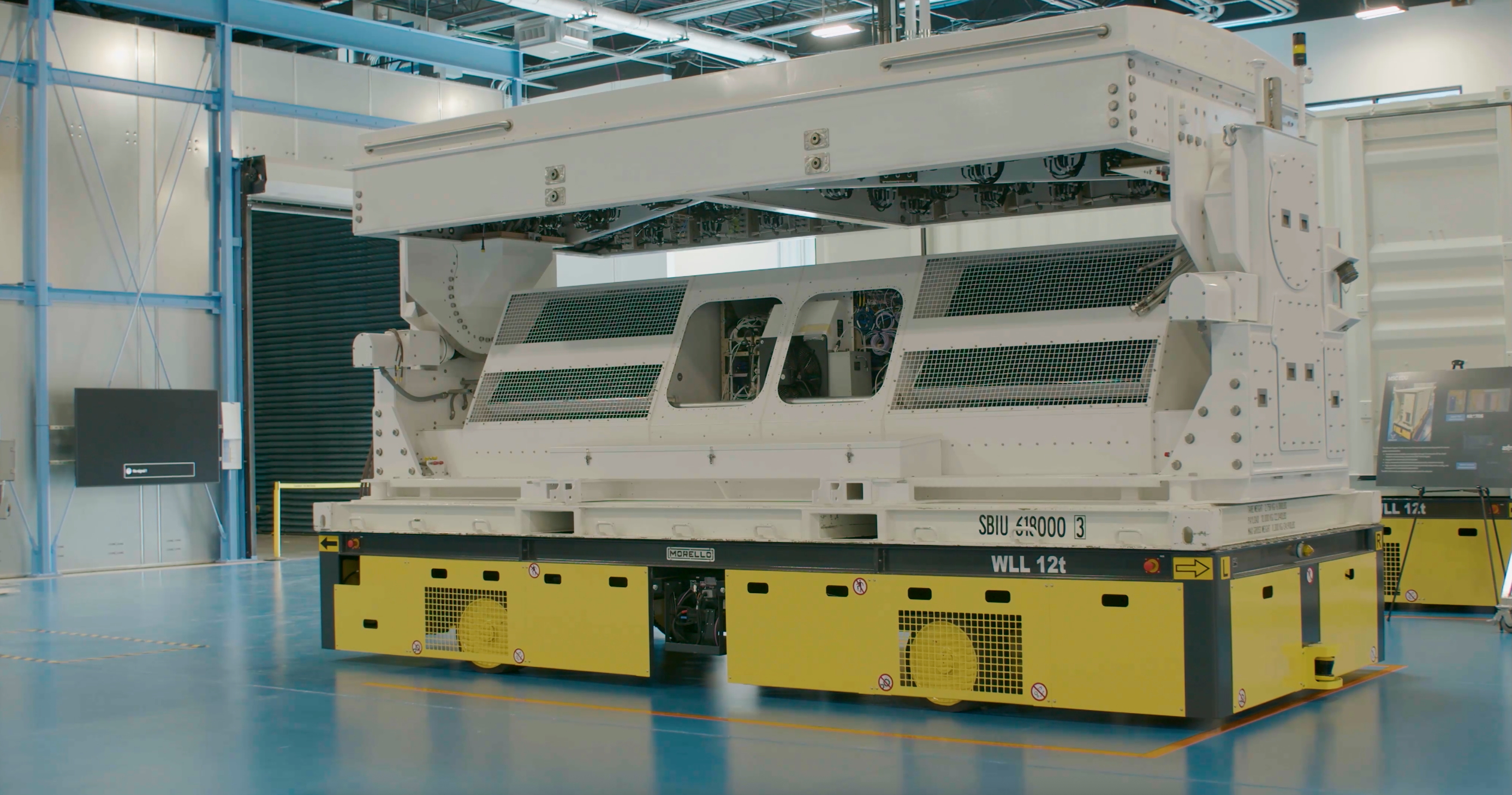
WASHINGTON — The U.S. Space Force has formally terminated an estimated $1.7 billion contract with defense technology firm AeroVironment to build a new generation of antennas used to command and