
On this episode of the Space Minds podcast, host David Ariosto speaks with Mark Bigham, the Vice President of Defense Programs at Longshot Space Technologies Corporation, a new

On this episode of the Space Minds podcast, host David Ariosto speaks with Mark Bigham, the Vice President of Defense Programs at Longshot Space Technologies Corporation, a new

The Earth observation sector is experiencing a golden age. Satellite hardware and launch costs have plummeted, and computer power, driven by AI and analytics, continues to improve. That’s led to
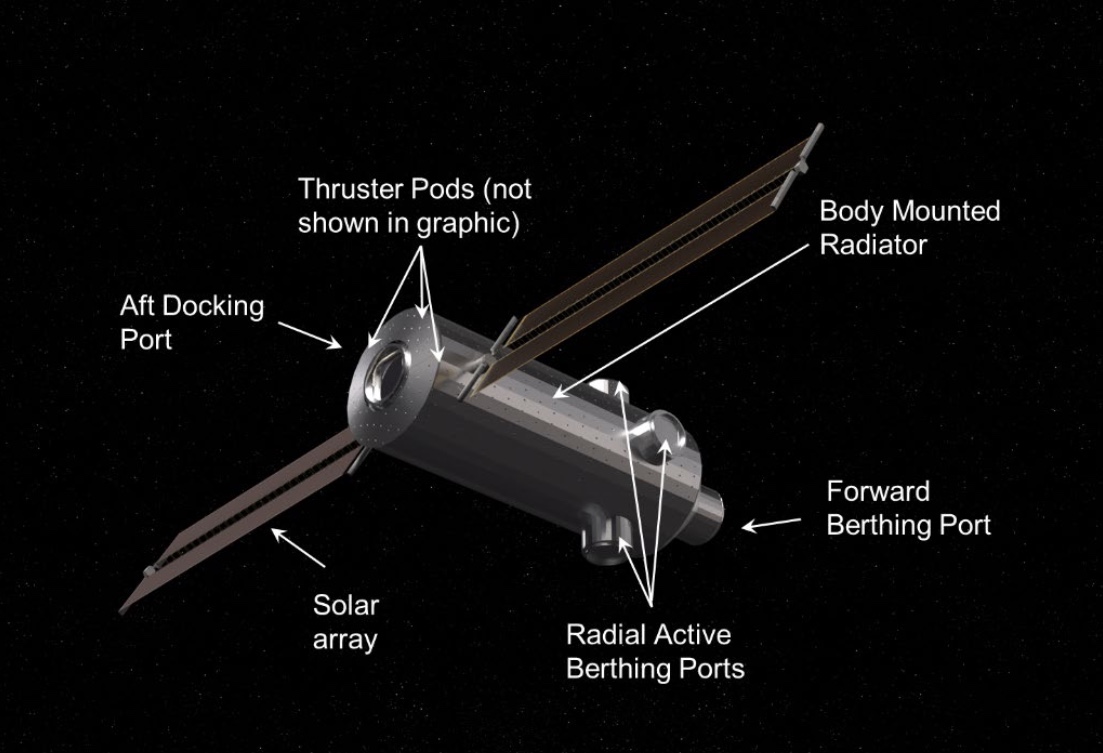
WASHINGTON — NASA’s proposed changes to its support of commercial space stations have created concern and confusion among companies developing them, the head of an industry organization warned. In March
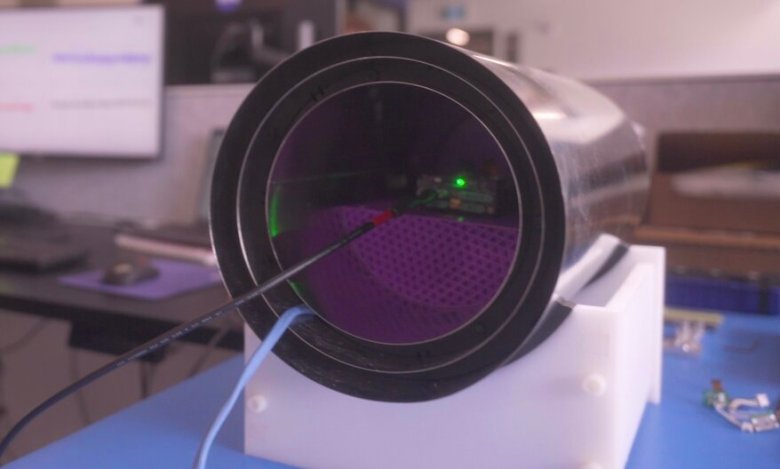
SAN FRANCISCO – Canadian startup SBQuantum plans to send a quantum diamond magnetometer into low-Earth orbit March 30 on a Spire Global satellite flying on a SpaceX Falcon 9 rideshare.
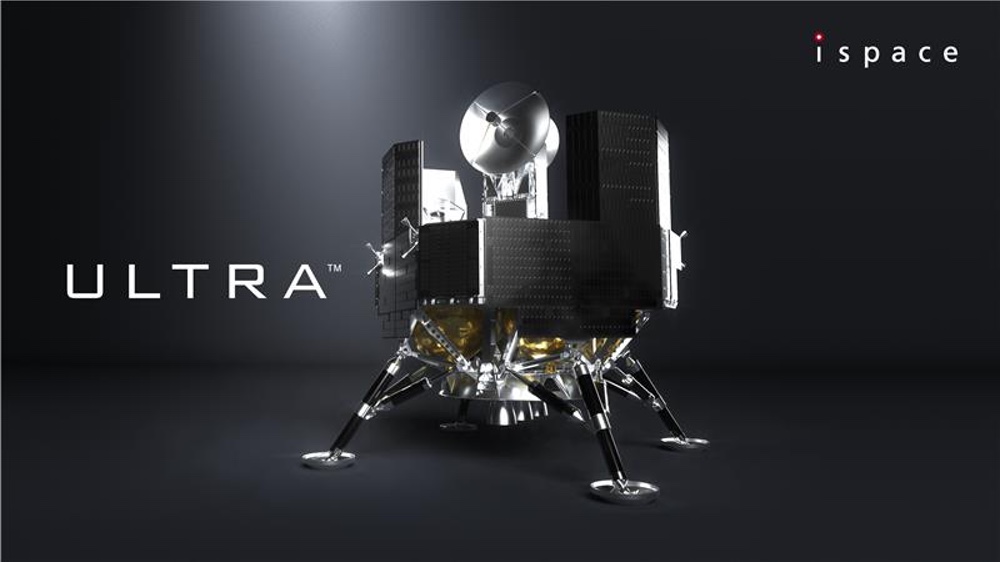
WASHINGTON — Japanese company ispace is revising its lunar lander design and further delaying the first mission by its American subsidiary while also unveiling plans for a lunar satellite constellation.
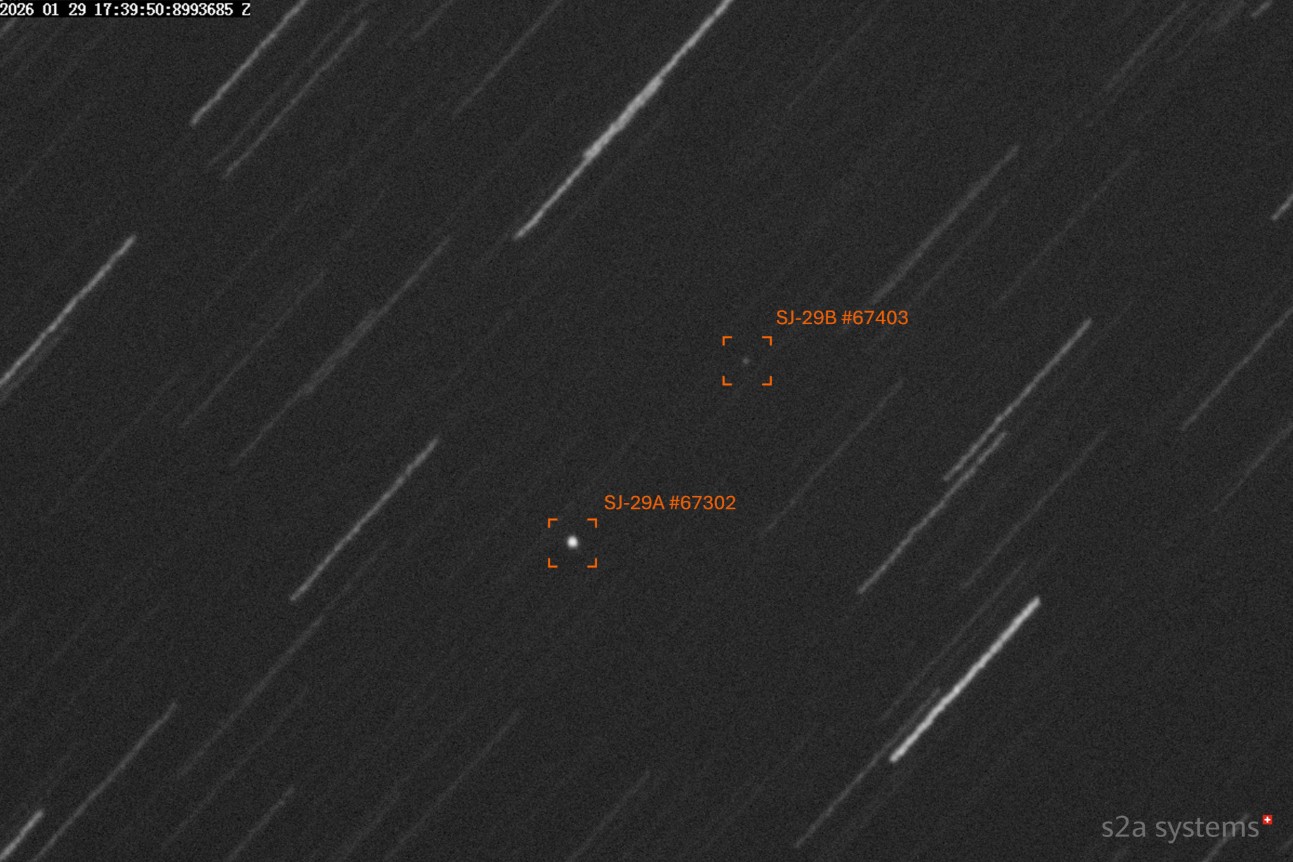
HELSINKI — Commercial space tracking data shows U.S. satellites coordinating maneuvers to maintain proximity and continuous observation of a pair of Chinese spacecraft in geostationary orbit. Observations by commercial space

WASHINGTON — U.S. Space Command is beginning a phased move to Alabama while laying the groundwork for a permanent headquarters expected to be completed by 2031, according to testimony from
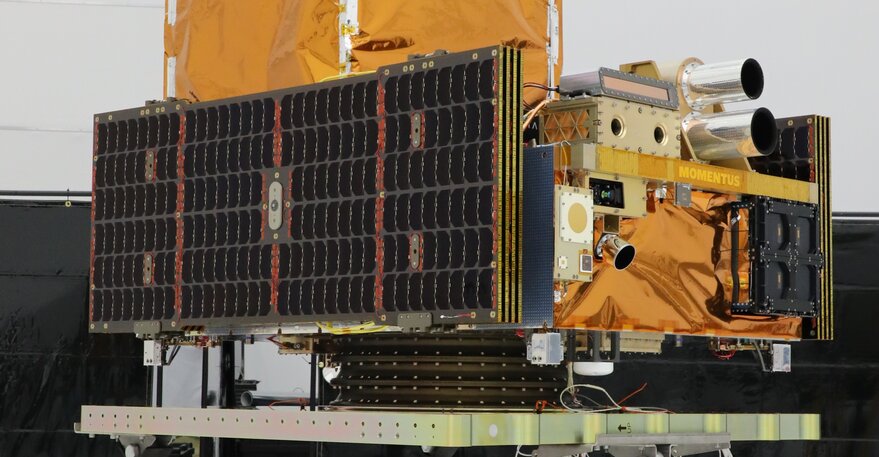
WASHINGTON — While government agencies are increasingly turning to commercial contracting mechanisms for space capabilities, that does not necessarily translate to additional business opportunities for the companies offering them. During

TAMPA, Fla. — While the space economy is expanding across multiple fronts, questions remain about how some of its most promising opportunities could translate growing demand into sustainable profits. Remote
WASHINGTON — Xona, a California-based startup developing a satellite navigation service, announced March 26 it raised $170 million in a Series C funding round to accelerate deployment of its low-Earth