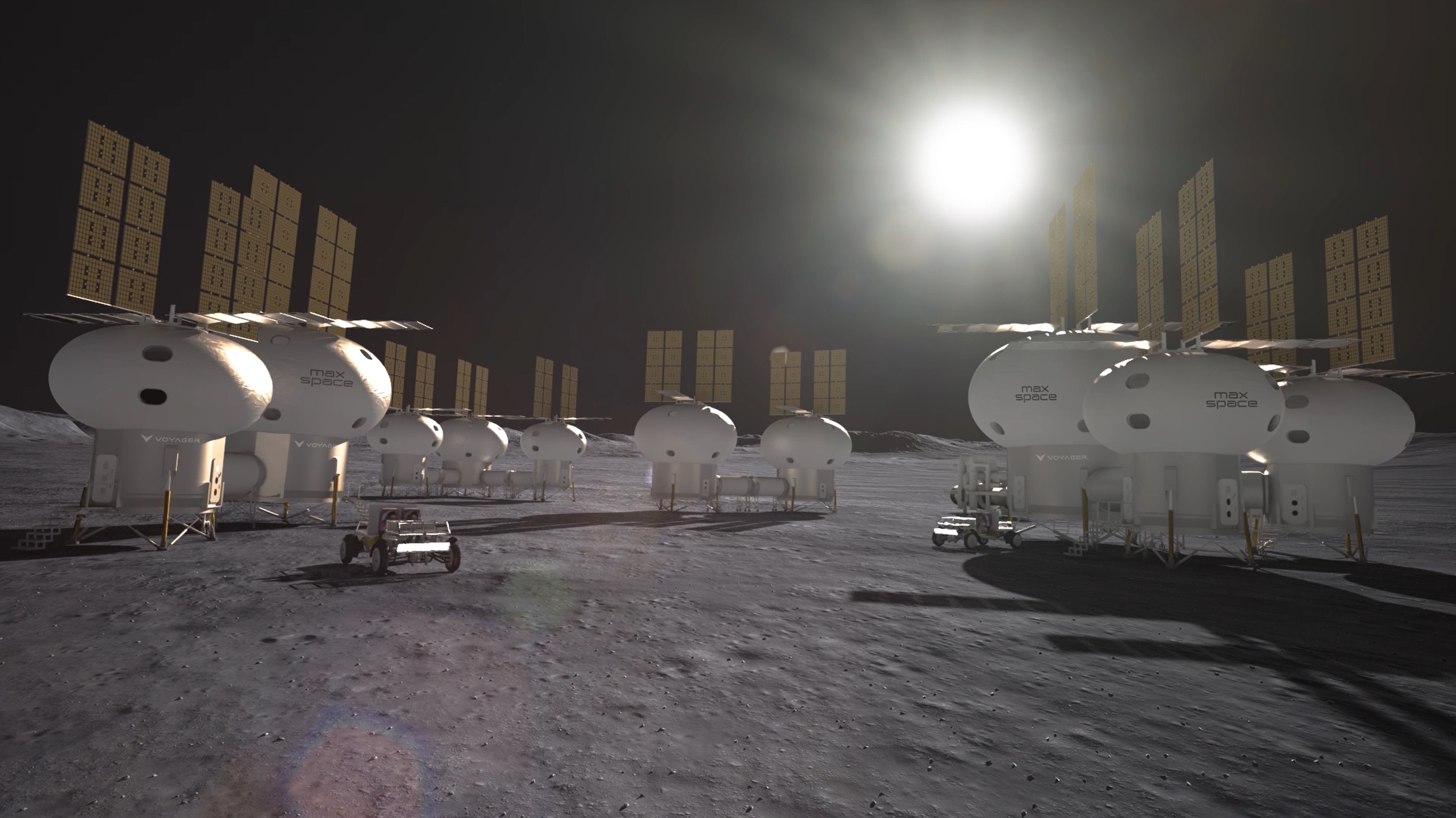
WASHINGTON — Voyager Technologies and Max Space, a company working on expandable habitats, plan to work together to see how that technology could be used for lunar exploration. The companies

WASHINGTON — Voyager Technologies and Max Space, a company working on expandable habitats, plan to work together to see how that technology could be used for lunar exploration. The companies
TAMPA, Fla. — Logos Space Services has secured U.S. regulatory approval to deploy up to 4,178 low Earth orbit broadband satellites. The Federal Communications Commission partially granted the Redwood City,
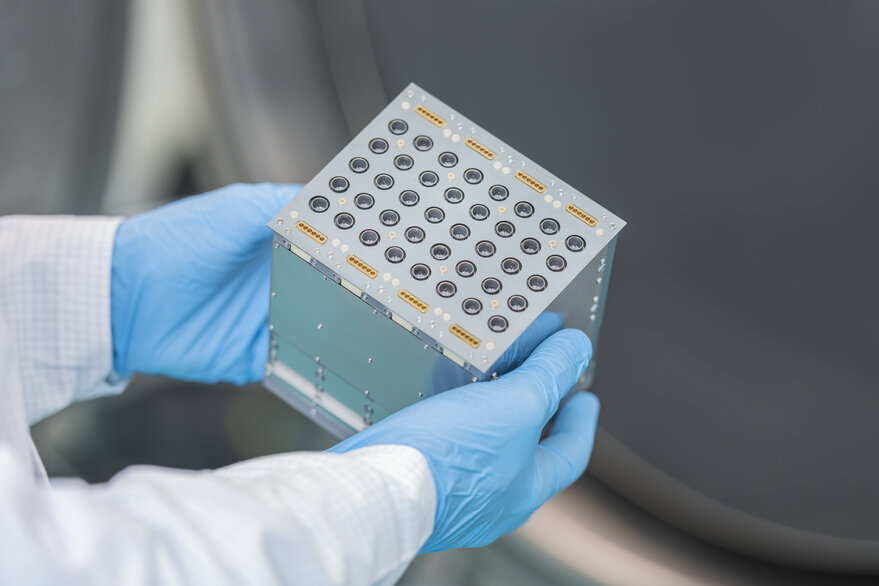
Correction: Morpheus Space is ramping up to producing 100 GO-2 propulsion systems annually. SAN FRANCISCO — Morpheus Space raised $15 million in a Series A+ funding round announced Feb. 5.
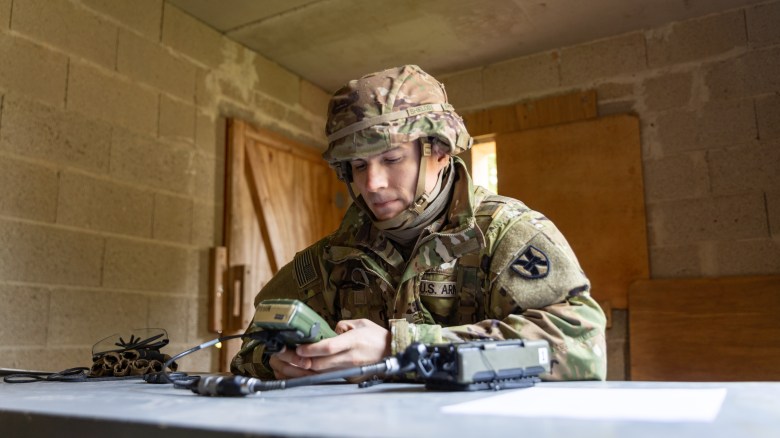
Few modern systems are as consequential — or as exposed — as the Global Positioning System. A temporary loss of access to its positioning, navigation and timing signals would ripple
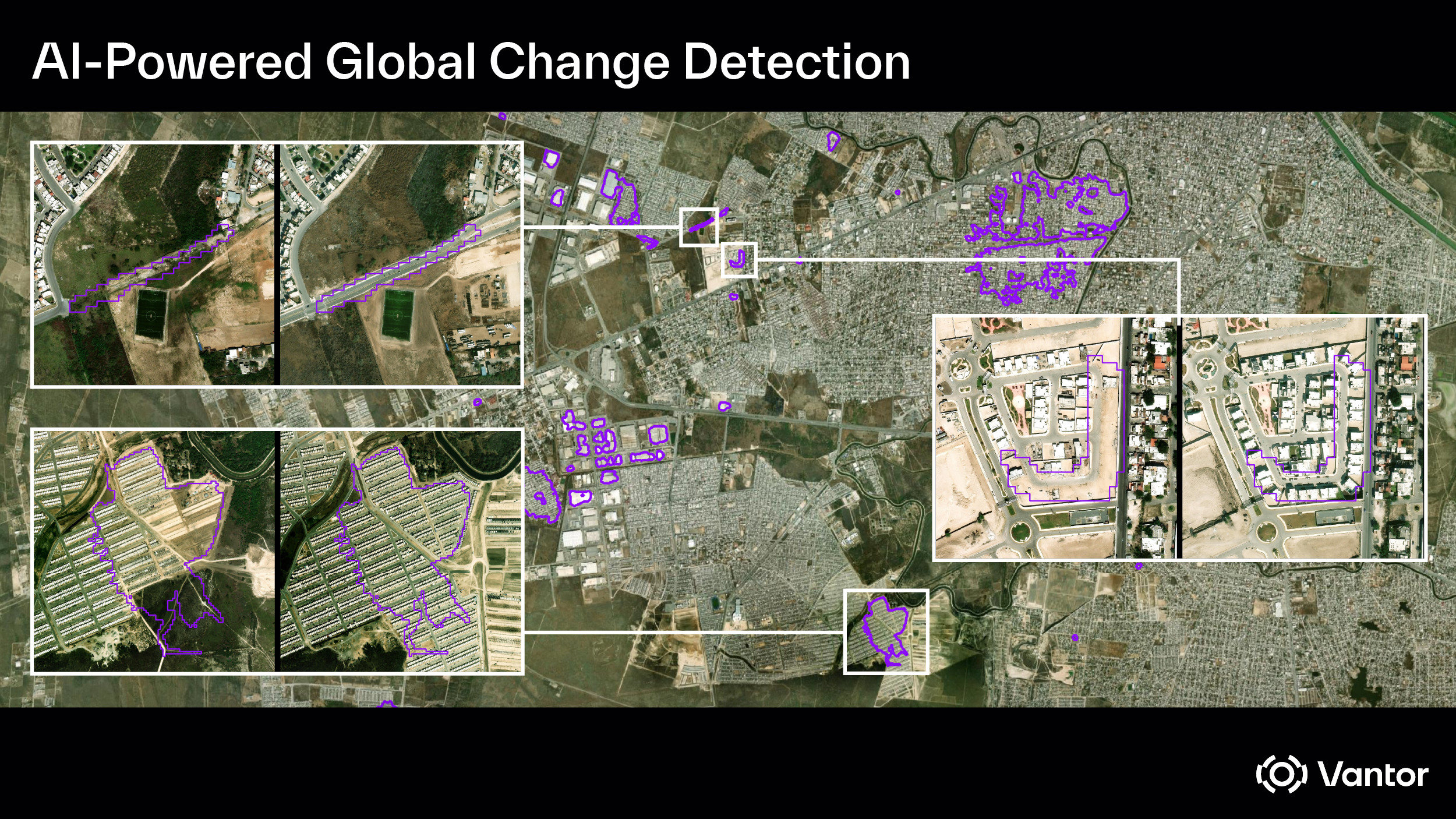
WASHINGTON — Vantor, a commercial Earth observation satellite operator, said Feb. 5 it won a $5.3 million contract from the National Geospatial-Intelligence Agency to detect and deliver automated insights on

WASHINGTON — The House Science Committee unanimously approved a NASA authorization bill Feb. 4 after adopting dozens of amendments. The committee voted 37-0 to favorably report the NASA Reauthorization Act
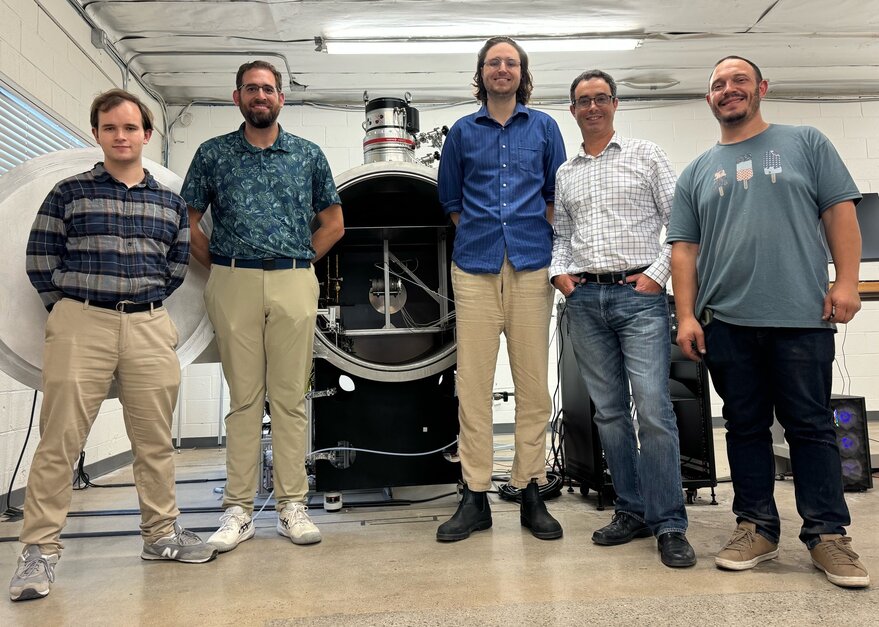
SAN FRANCISCO — Viridian Space Corp. signed a cooperative research and development agreement (CRADA) with the Air Force Research Laboratory. The five-year CRADA will provide the Southern California startup with access
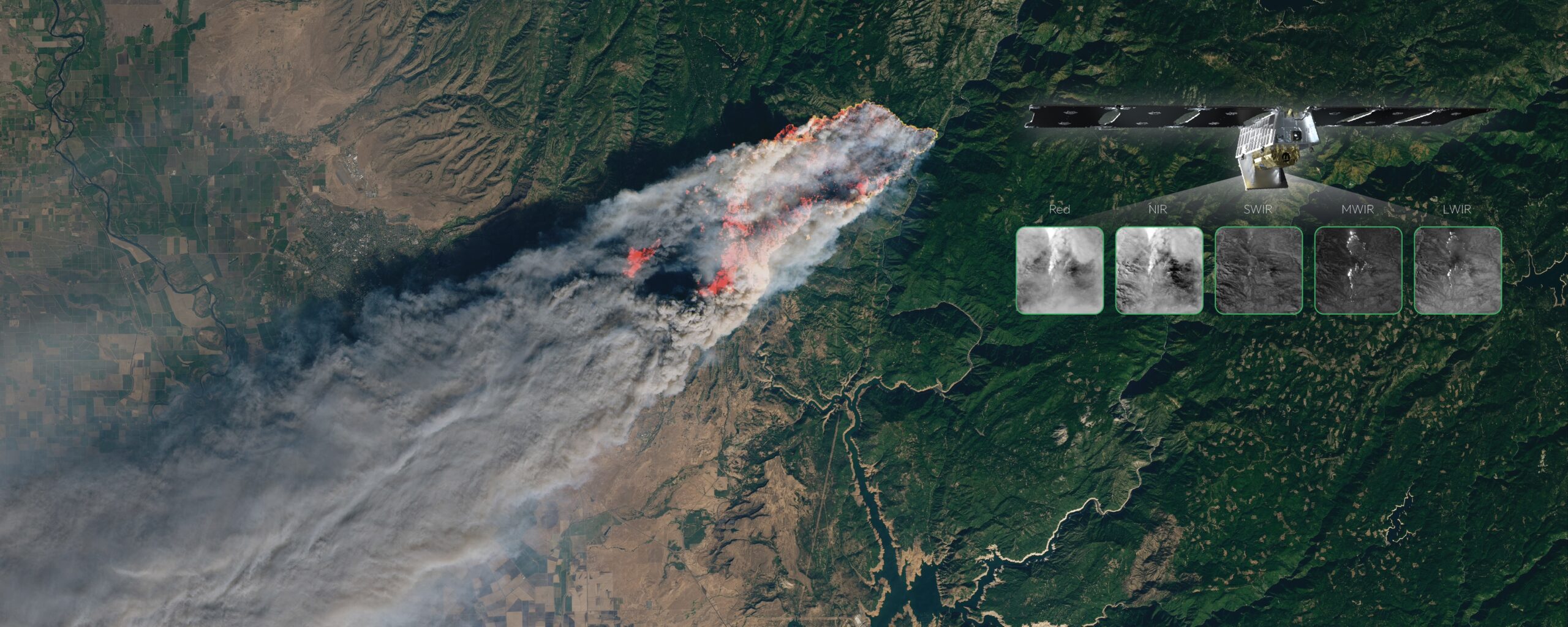
WASHINGTON — Developers of wildfire-detection satellites are moving beyond raw data delivery, adding tools that show firefighters and researchers when satellites will actually pass over the areas they are watching.
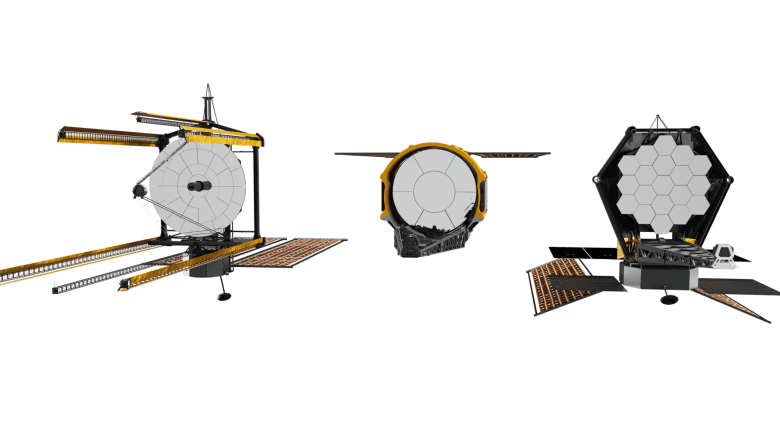
Light is the fastest phenomenon in the universe, clocking in at just under 300,000 kilometers per second. The telescopes that observe that light, from radio waves to gamma rays, are
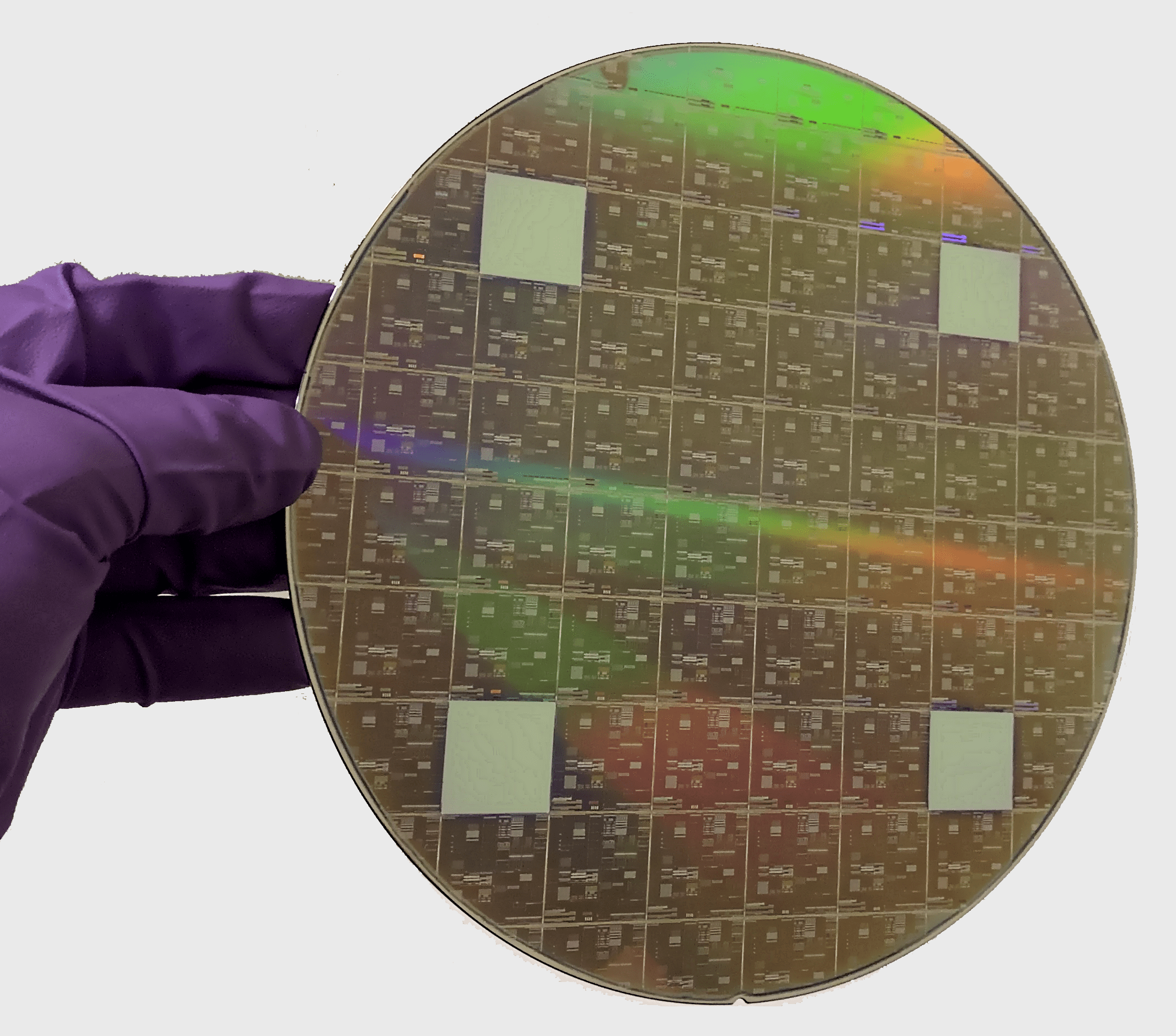
In the consumer electronics playbook, custom silicon is the final step in the marathon: you use off-the-shelf components to prove a product, achieve mass scale and only then invest in