WASHINGTON — The Canadian military announced March 16 a major investment in both launch facilities and companies in a bid to create a sovereign space access capability. Canada’s Department of

WASHINGTON — The Canadian military announced March 16 a major investment in both launch facilities and companies in a bid to create a sovereign space access capability. Canada’s Department of
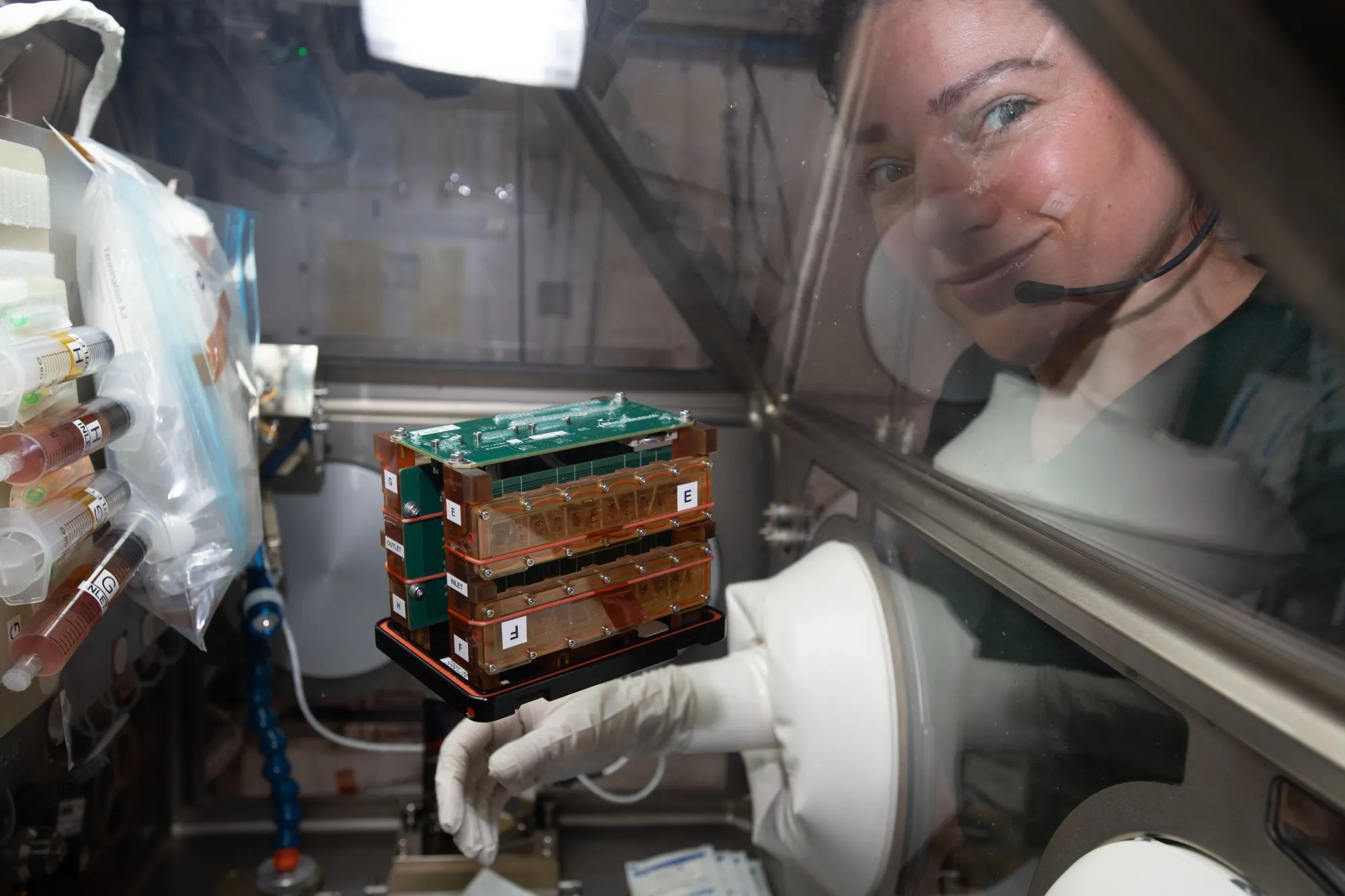
Before you ever set foot on a spacecraft bound for deep space, tiny replicas of your organs might make the journey first. Suspended in microgravity aboard a research mission, this
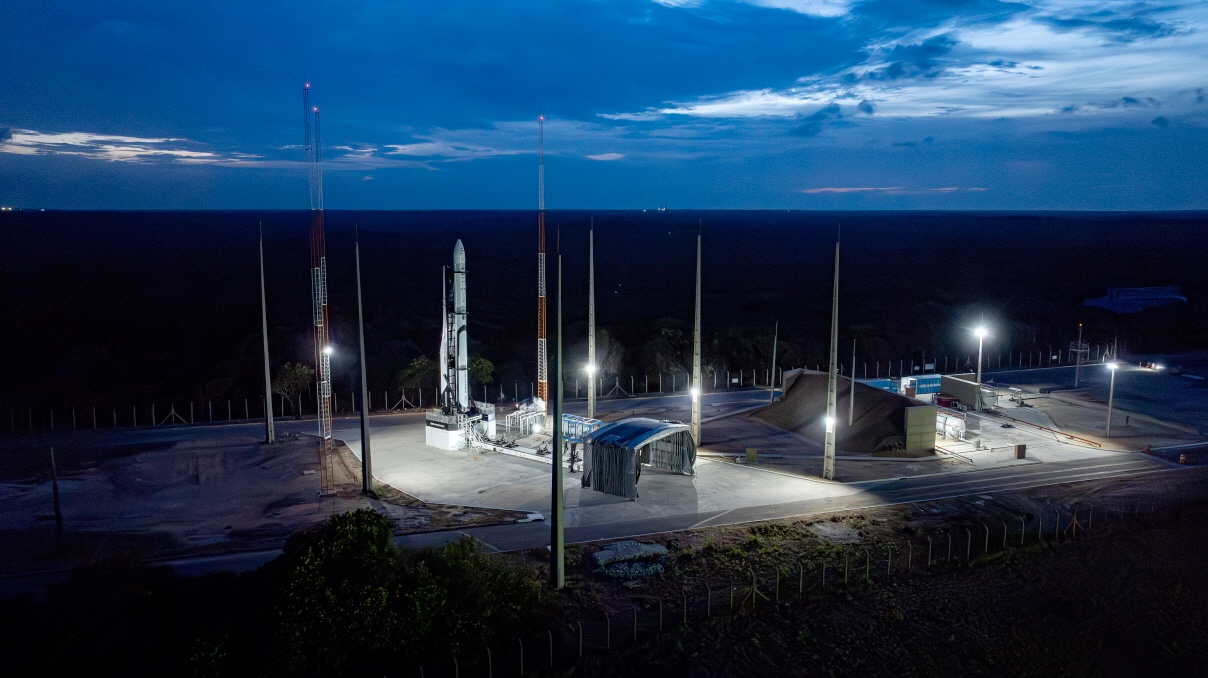
WASHINGTON — South Korean startup Innospace says its inaugural launch failed in December when exhaust leaked from a combustion chamber and caused the rocket to break up. Innospace announced March
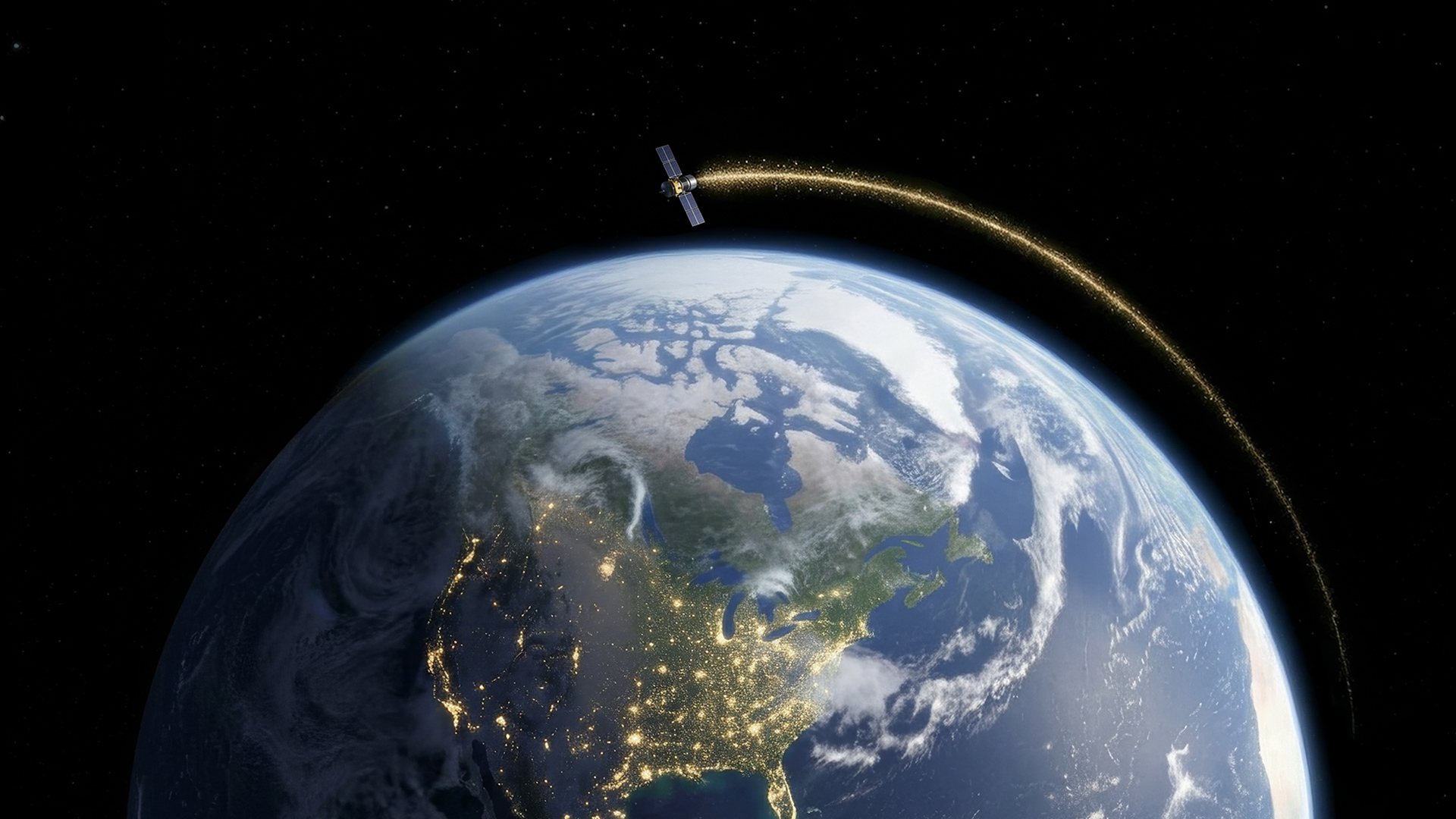
WASHINGTON — Nvidia is pushing its artificial-intelligence hardware beyond Earth, unveiling a computing module designed for space missions and potential orbital data centers. The California-based company said March 16 at
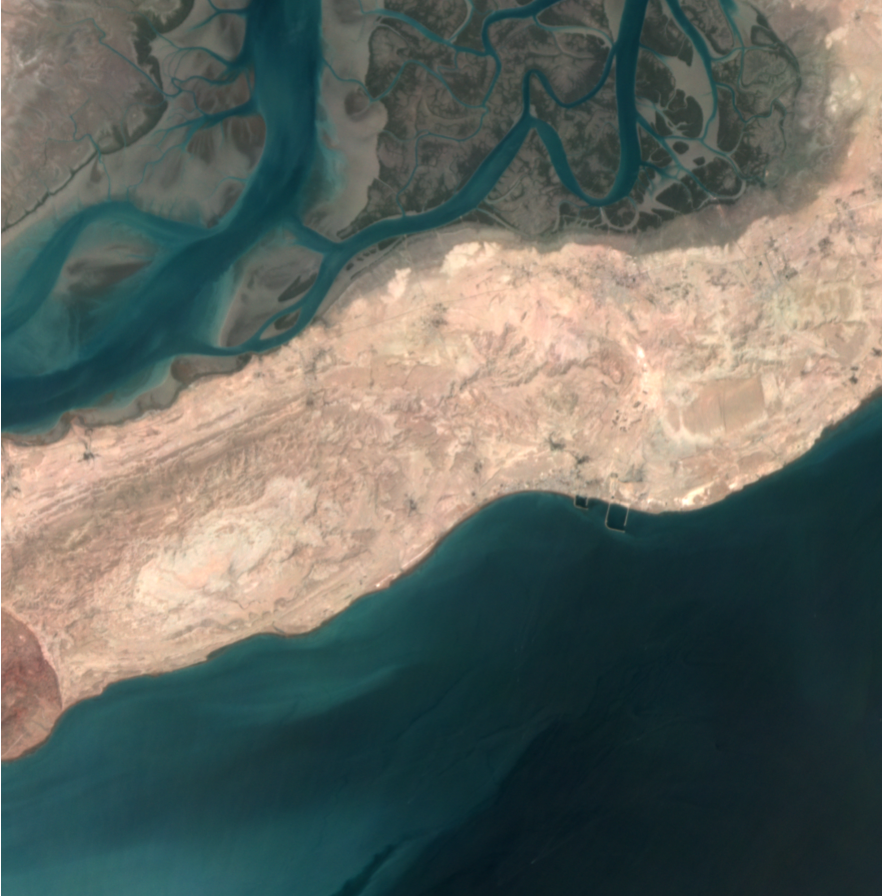
TAMPA, Fla. — Tensions around the Strait of Hormuz have pushed interest in commercial geospatial intelligence services to unprecedented levels, an executive at Kayrros said after the French satellite analytics

NEW YORK, March 2026 — Melagen Labs and Satlyt today announced a joint technology demonstration aboard the International Space Station (ISS) through the AEGIS MISSE platform. The mission will generate
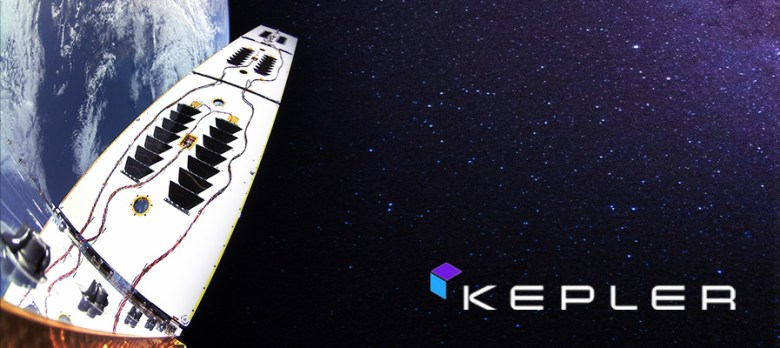
Kepler is issuing a call for payloads seeking persistent, real-time data streaming in Low Earth Orbit. Integration starts soon for the limited number of hosted payload slots remaining available across
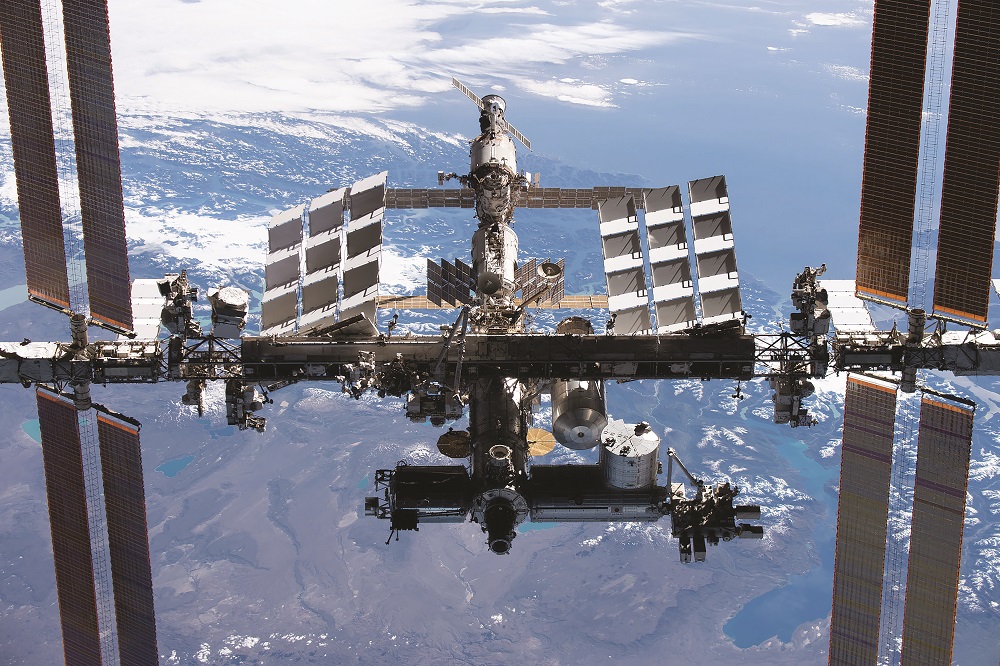
The University of Illinois’ Space Entanglement and Annealing Quantum Experiment (SEAQUE) is a compelling success story in the global race to develop quantum communication networks in space. The experiment’s success

East Aurora, NY — Moog Inc. (NYSE: MOG.A and MOG.B), a worldwide designer, manufacturer and systems integrator of high-performance precision motion and fluid controls and control systems will highlight its
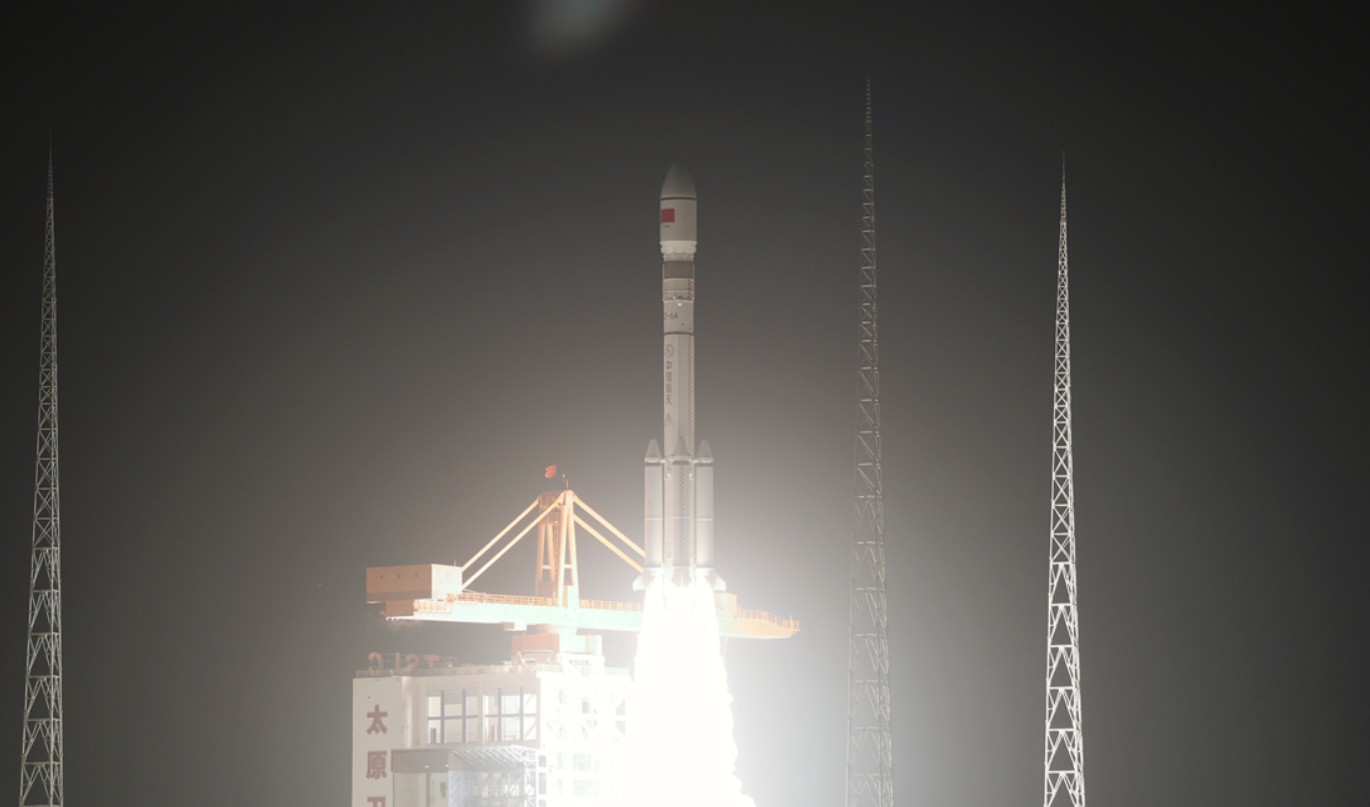
HELSINKI — China conducted a pair of launches Sunday, sending a second Yaogan-50 satellite into a highly retrograde orbit and completing a Kuaizhou-11 solid rocket rideshare mission. The country is