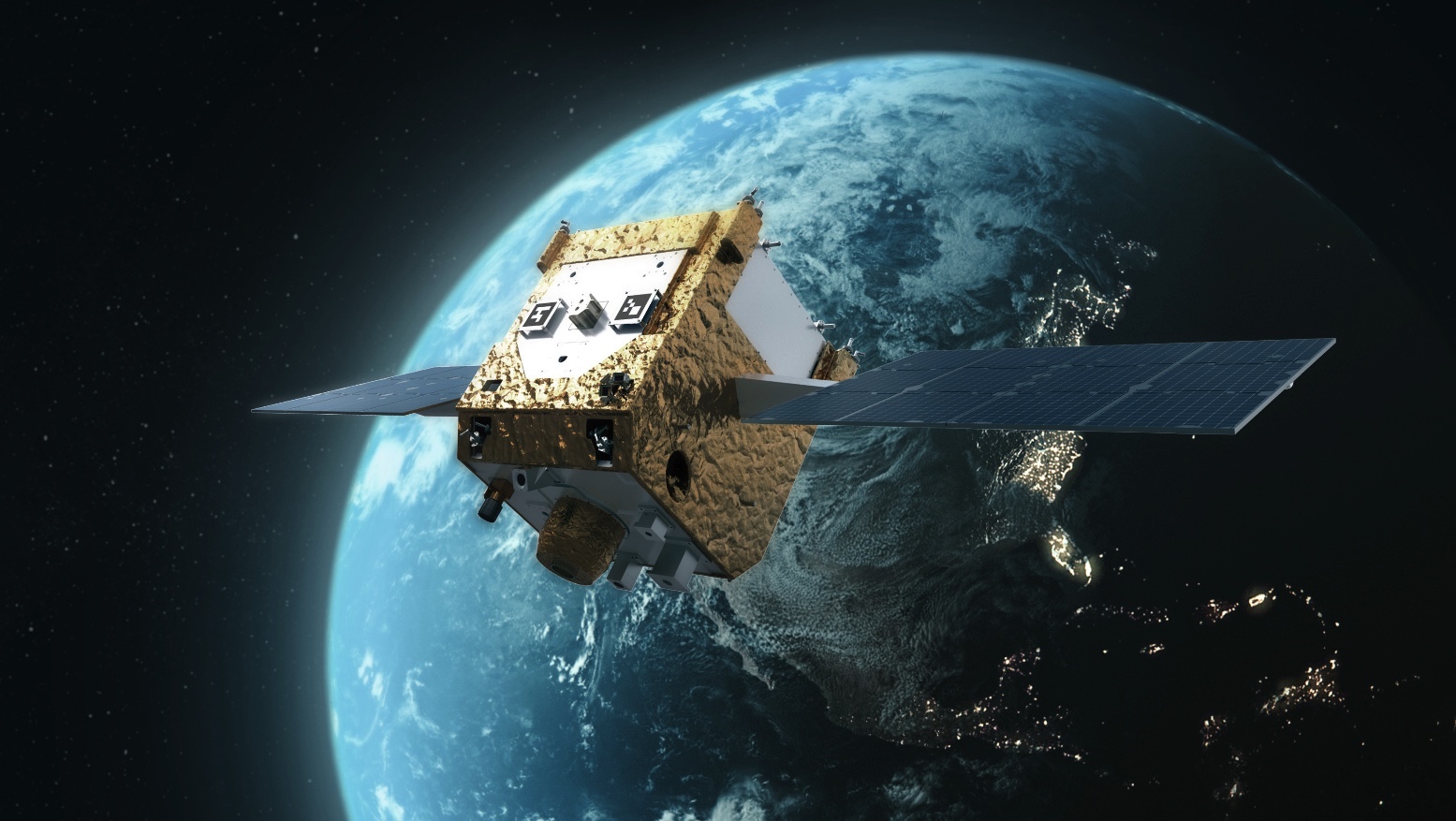
ORLANDO, Fla. — Government and industry analysts have identified the refueling of satellites in geostationary orbit as one of the most practical and immediately valuable applications of on-orbit servicing, recommending

ORLANDO, Fla. — Government and industry analysts have identified the refueling of satellites in geostationary orbit as one of the most practical and immediately valuable applications of on-orbit servicing, recommending
ORLANDO, Fla. — A ground-based satellite-jamming system made by L3Harris Technologies for the U.S. Space Force has been approved for potential export to select American allies, marking a rare expansion
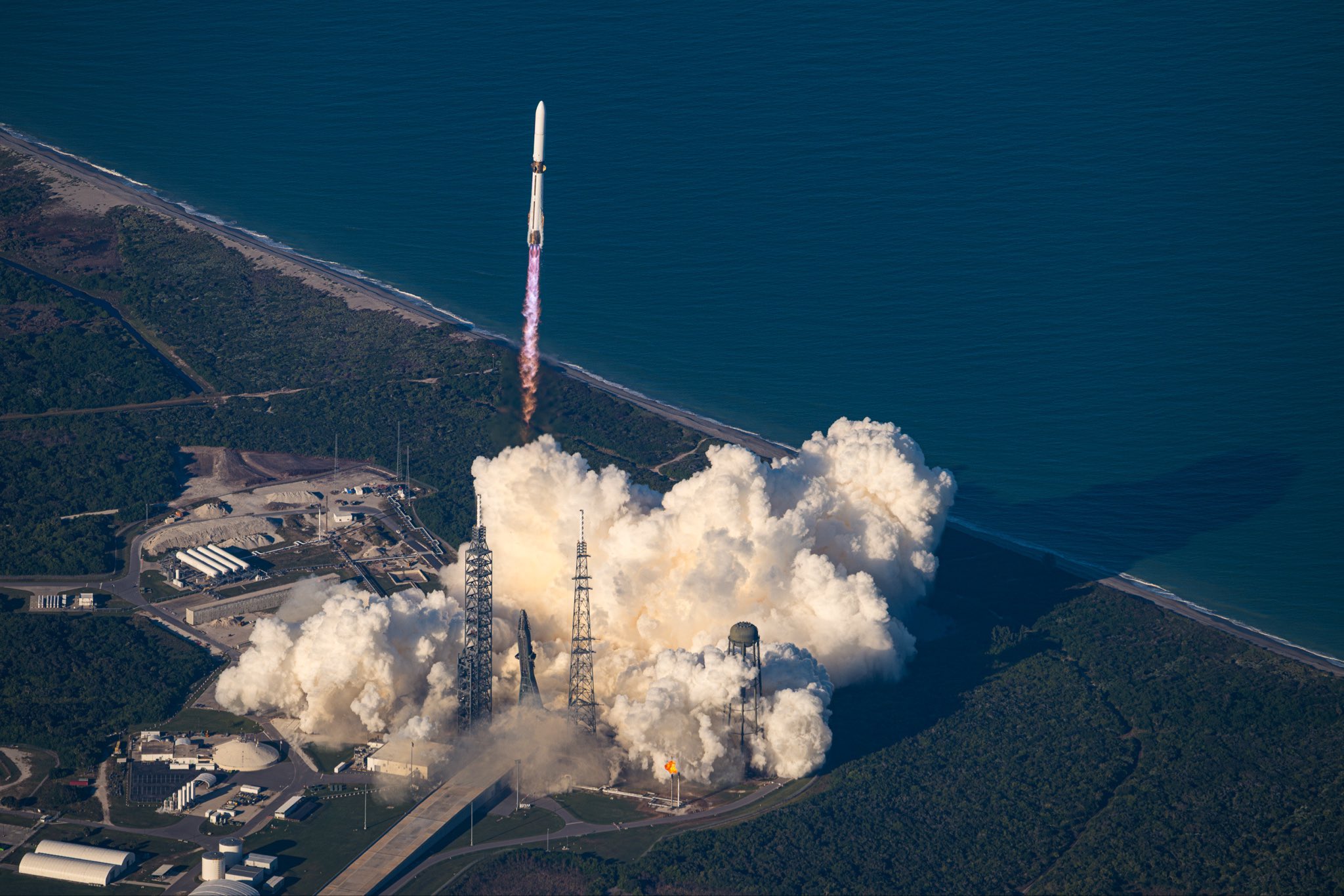
ORLANDO, Fla. — Blue Origin’s New Glenn rocket will have to complete four successful orbital flights as its pathway to certification under the U.S. Space Force’s National Security Space Launch

ORLANDO, Fla. — Voyager Technologies secured a $21 million U.S. Air Force Research Laboratory contract to develop artificial intelligence-enabled signals processing tools. The work centers on software and computing techniques
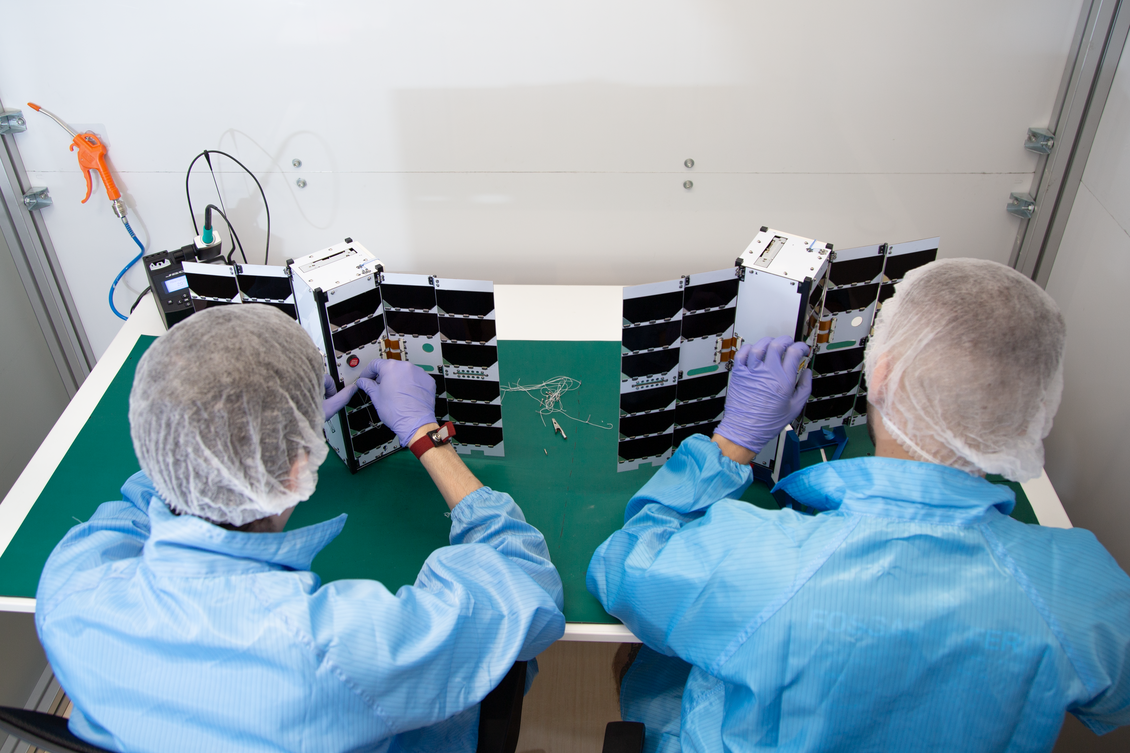
TAMPA, Fla. — NATO has picked 150 companies from 24 of its member countries to join its Defence Innovation Accelerator for the North Atlantic (DIANA) next year, including more than

As on-orbit capabilities grow more advanced, ground systems are undergoing a transformation of their own. Ground network specialist ST Engineering iDirect, with headquarters in Herndon, Virginia, is investing in new

TAMPA, Fla. — Two defense technology companies from Norway and Germany have joined forces to bolster Europe’s sovereign intelligence and communications capabilities, with plans to start deploying small satellites in

HELSINKI — China continued a surge in launch activity with a pair of missions Tuesday, adding to an opaque satellite series and launching new remote sensing satellites. The first launch
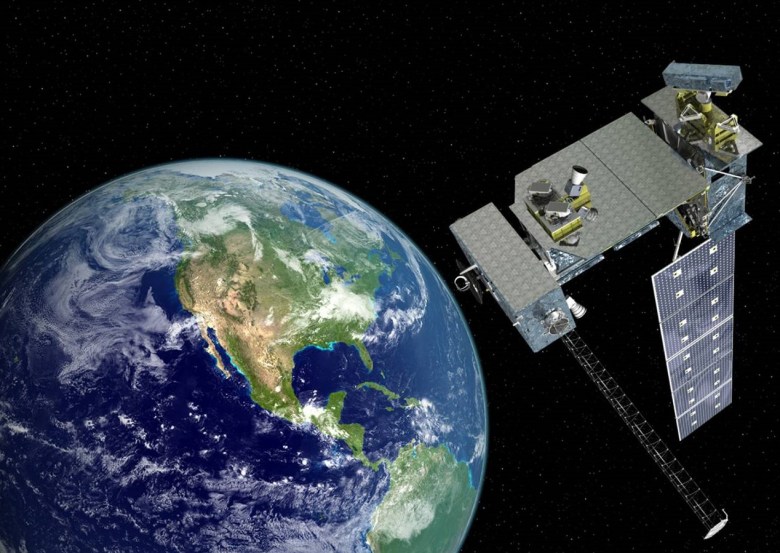
GOLDEN, CO — A university team has found that small orbital debris could emit radio bursts as they collide or approach each other in space. The signal can be detected with
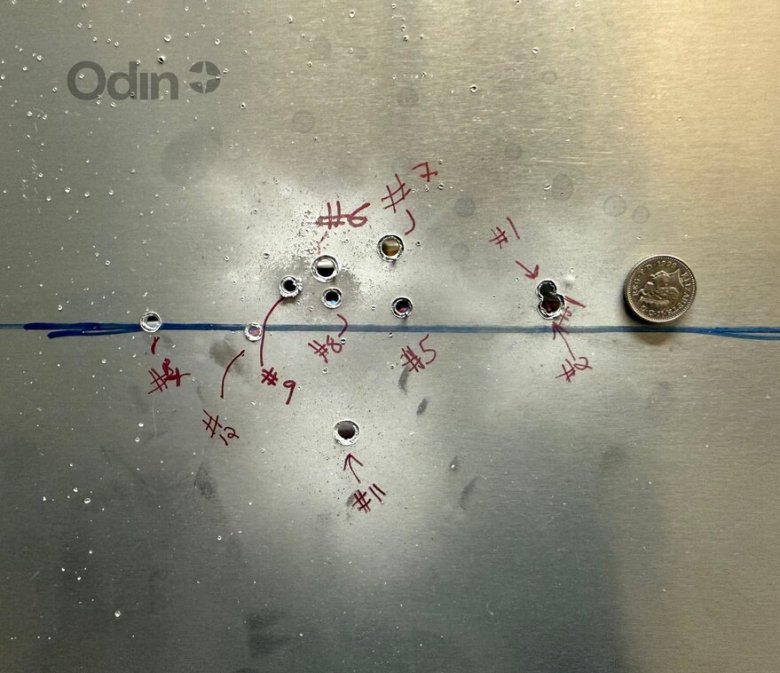
SAN FRANCISCO – British startup Odin Space raised $3 million in a seed round to begin commercializing tiny sensors to map and analyze sub-centimeter orbital debris. With its first sensor