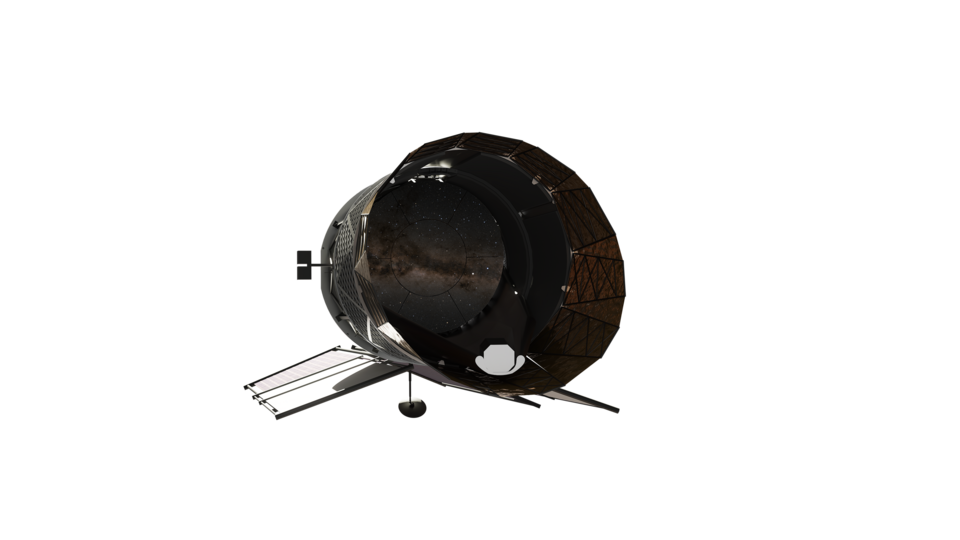
More and more papers are coming out about the upcoming Habitable Worlds Observatory (HWO). As the telescope moves from theory to practice (and physical manifestation), various working groups are discovering,

More and more papers are coming out about the upcoming Habitable Worlds Observatory (HWO). As the telescope moves from theory to practice (and physical manifestation), various working groups are discovering,
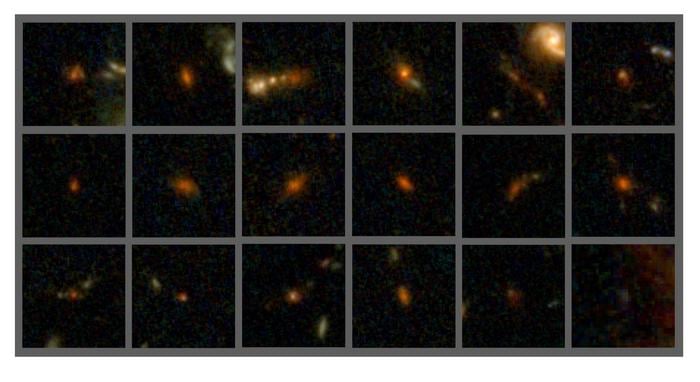
How do galaxies evolve? When did they start forming? Those are questions astronomers and cosmologists are working to answer. The standard path includes early bright starforming activity, a middle age,
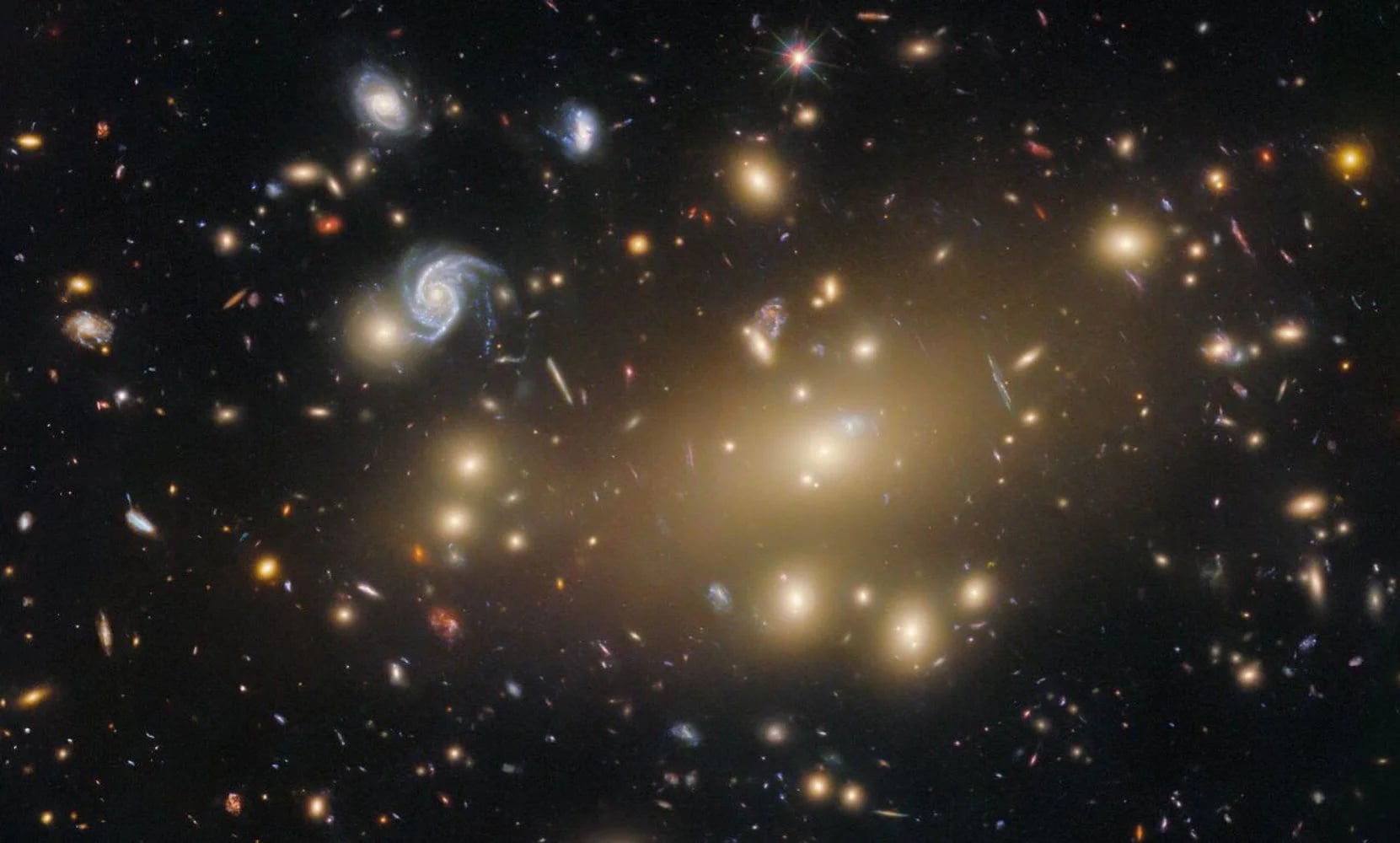
A plethora of newly discovered baryonic (or normal) dark matter signals the first step toward the end of dark matter theory. Or so say the authors of a new paper
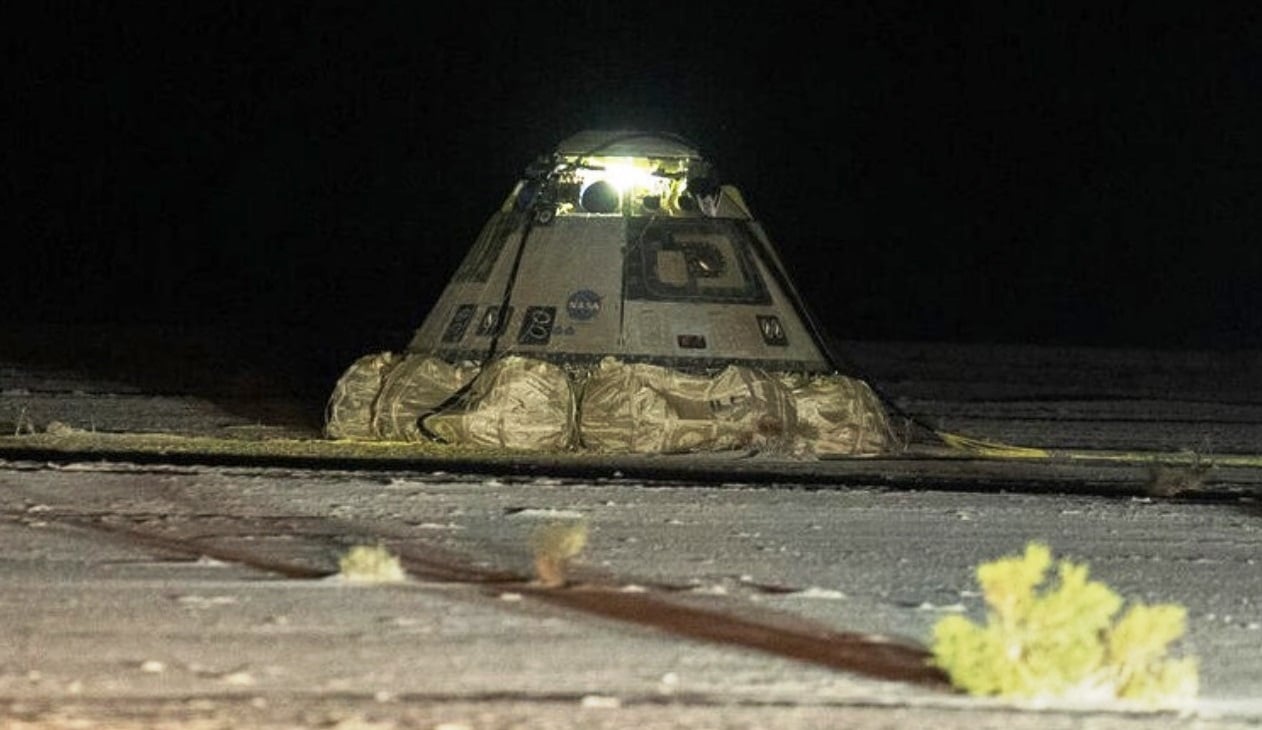
Nearly two years after Boeing’s botched Starliner mission to the International Space Station, NASA put the mishap in the same category as the Challenger and Columbia space shuttle disasters —
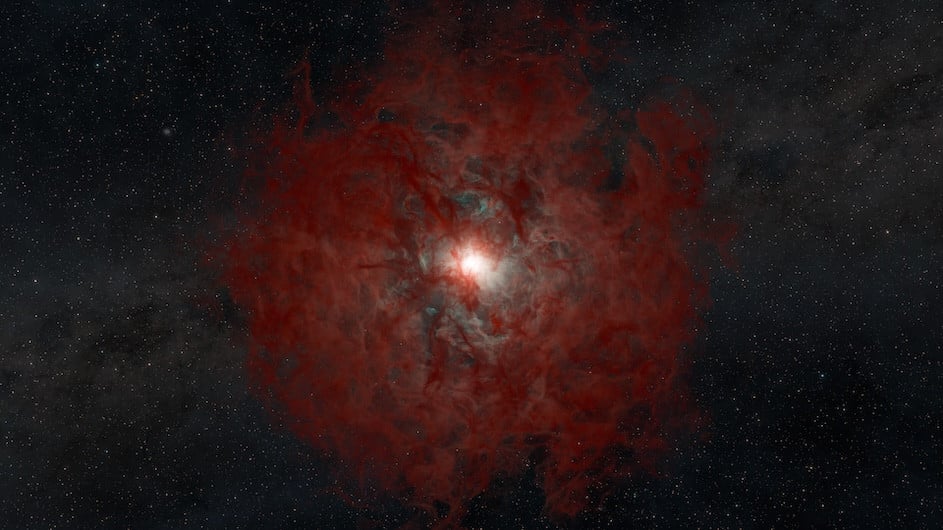
Theory says that, under the right conditions, massive stars can collapse directly into black holes without exploding as supernovae. But observational evidence of the phenomenon has been hard to get.
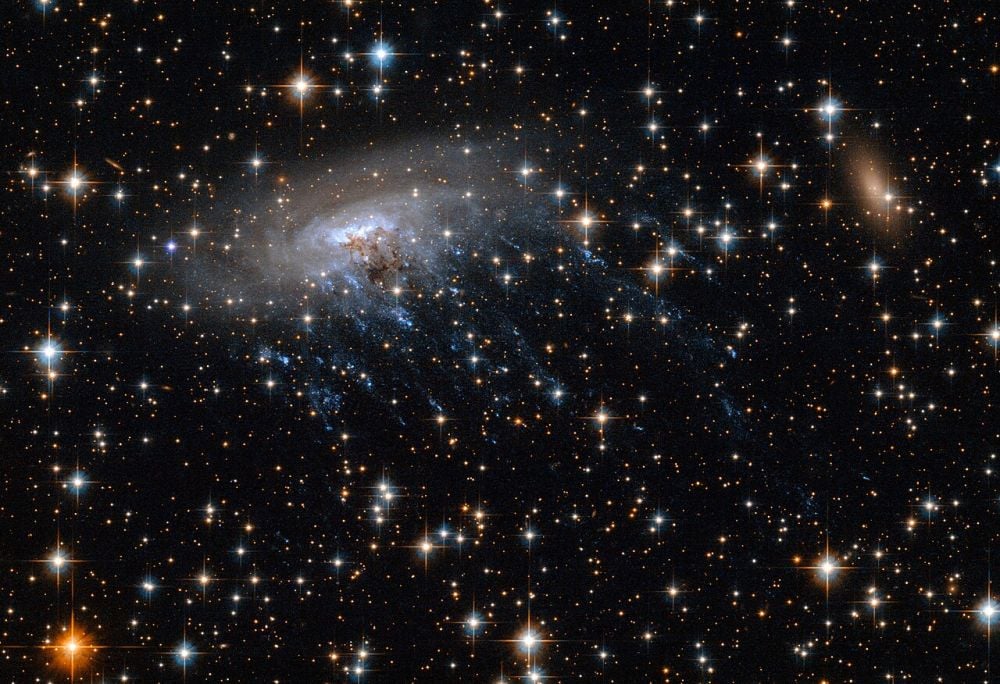
Astronomers have found a candidate Jellyfish Galaxy only about 5 billion years after the Big Bang. This is earlier than expected, since the ram pressure stripping responsible for it wasn’t
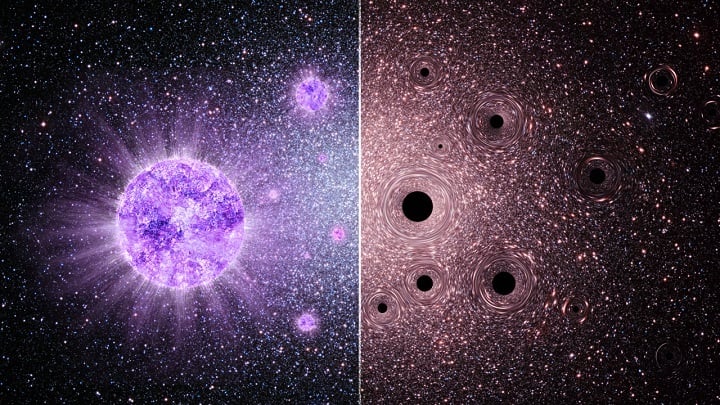
The early Universe was a busy place. As the infant cosmos exanded, that epoch saw the massive first stars forming, along with protogalaxies. It turns out those extremely massive early
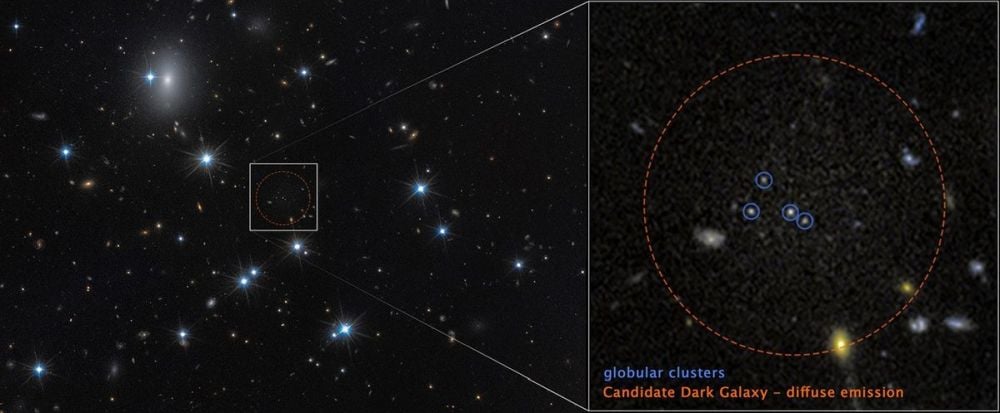
We know galaxies by their powerful illumination, generated by multitudes of stars. But some galaxies can be very dim. These are hypothesized to be dark galaxies, or dark matter galaxies.
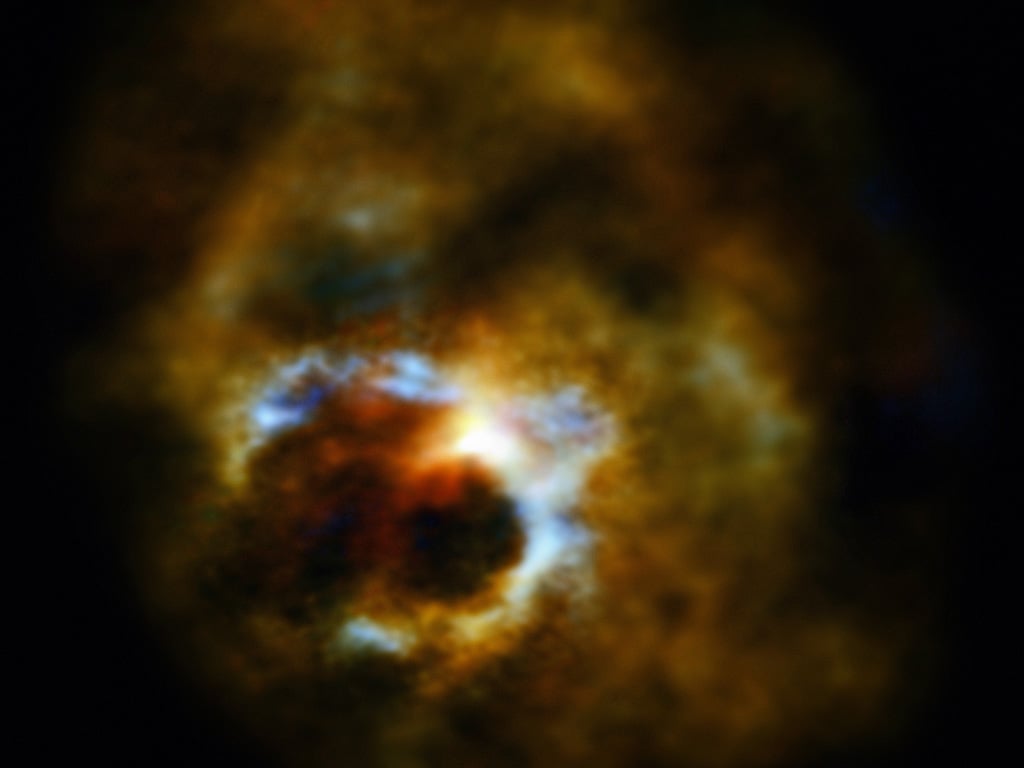
Just a few hundred light-years from Earth, the famous variable star Mira A is huffing and puffing its outer layers to space. Its most recent mass-loss event ejected more material
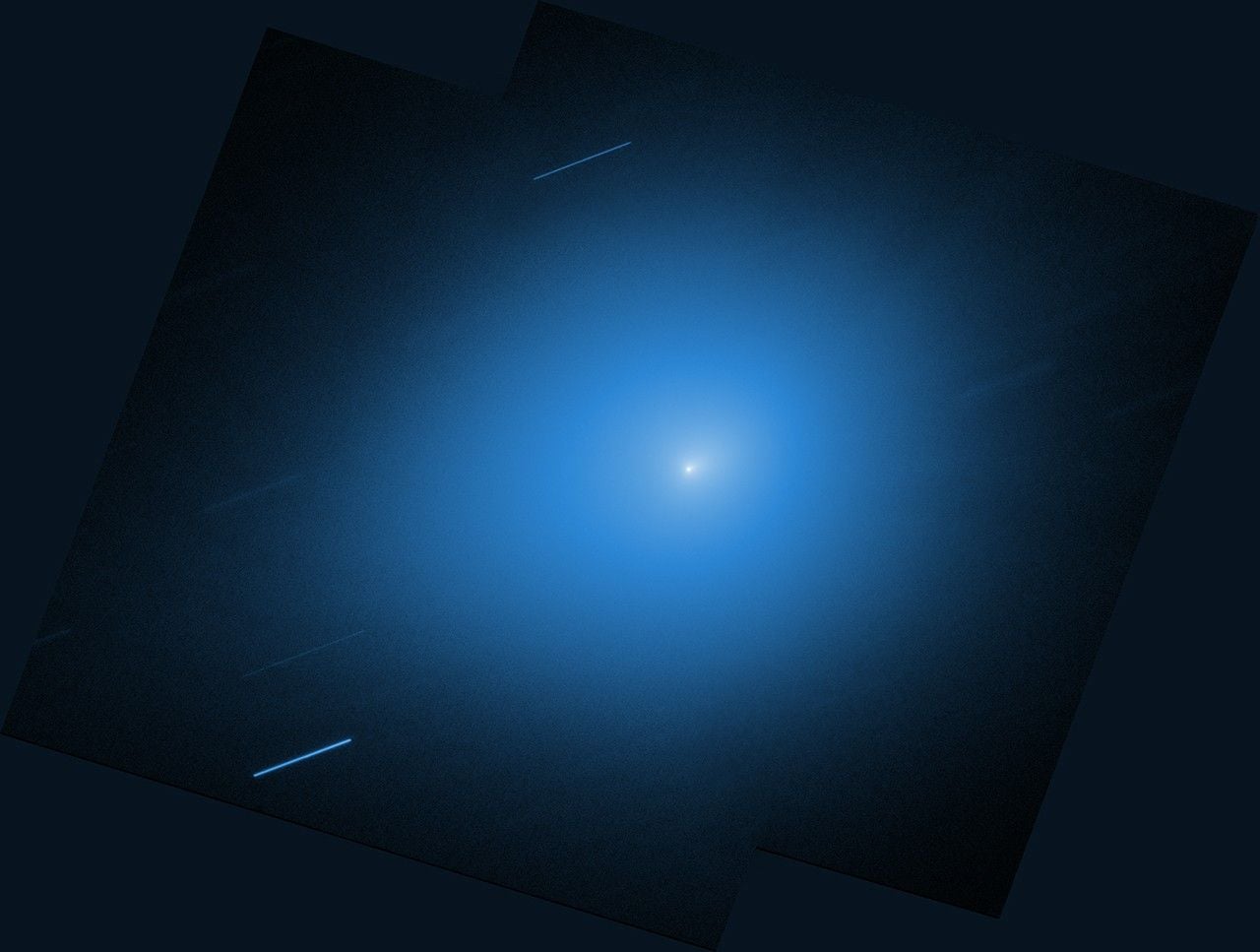
There’s been plenty in the news about 3I/ATLAS over the course of the past 8 months. Our third confirmed interstellar visitor went behind the Sun during its closest approach, but