Sending a mission to the Solar Gravitational Lens (SGL) is the most effective way of actually directly imaging a potentially habitable planet, as well as its atmosphere, and even possibly

Sending a mission to the Solar Gravitational Lens (SGL) is the most effective way of actually directly imaging a potentially habitable planet, as well as its atmosphere, and even possibly
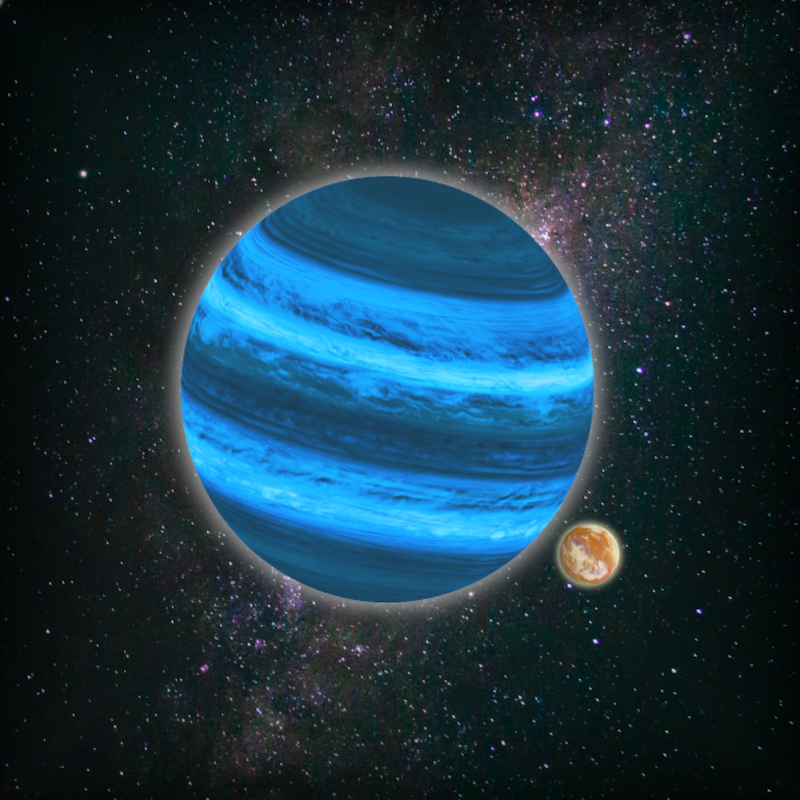
Free-Floating Planets, or as they are more commonly known, Rogue Planets, wander interstellar space completely alone. Saying there might be a lot of them is a bit of an understatement.
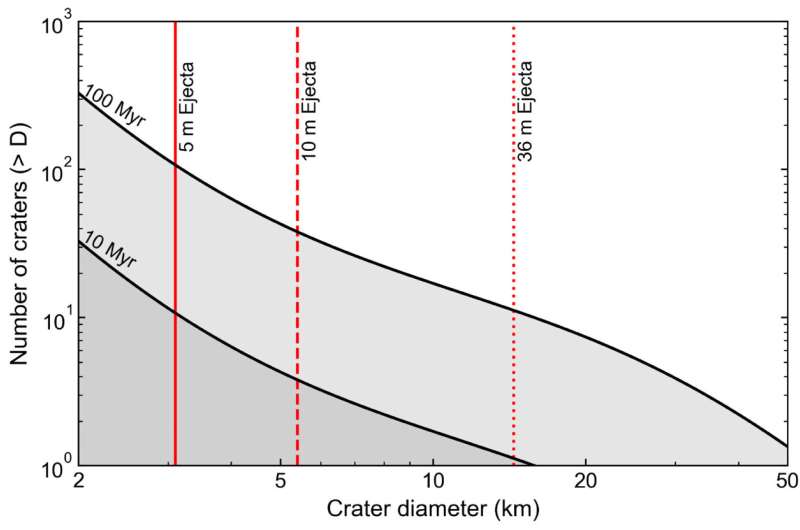
The Moon has a long history of being smacked by large rocks. Its pock-marked, cratered surface is evidence of that. Scientists expect that, as part of those impacts, some debris
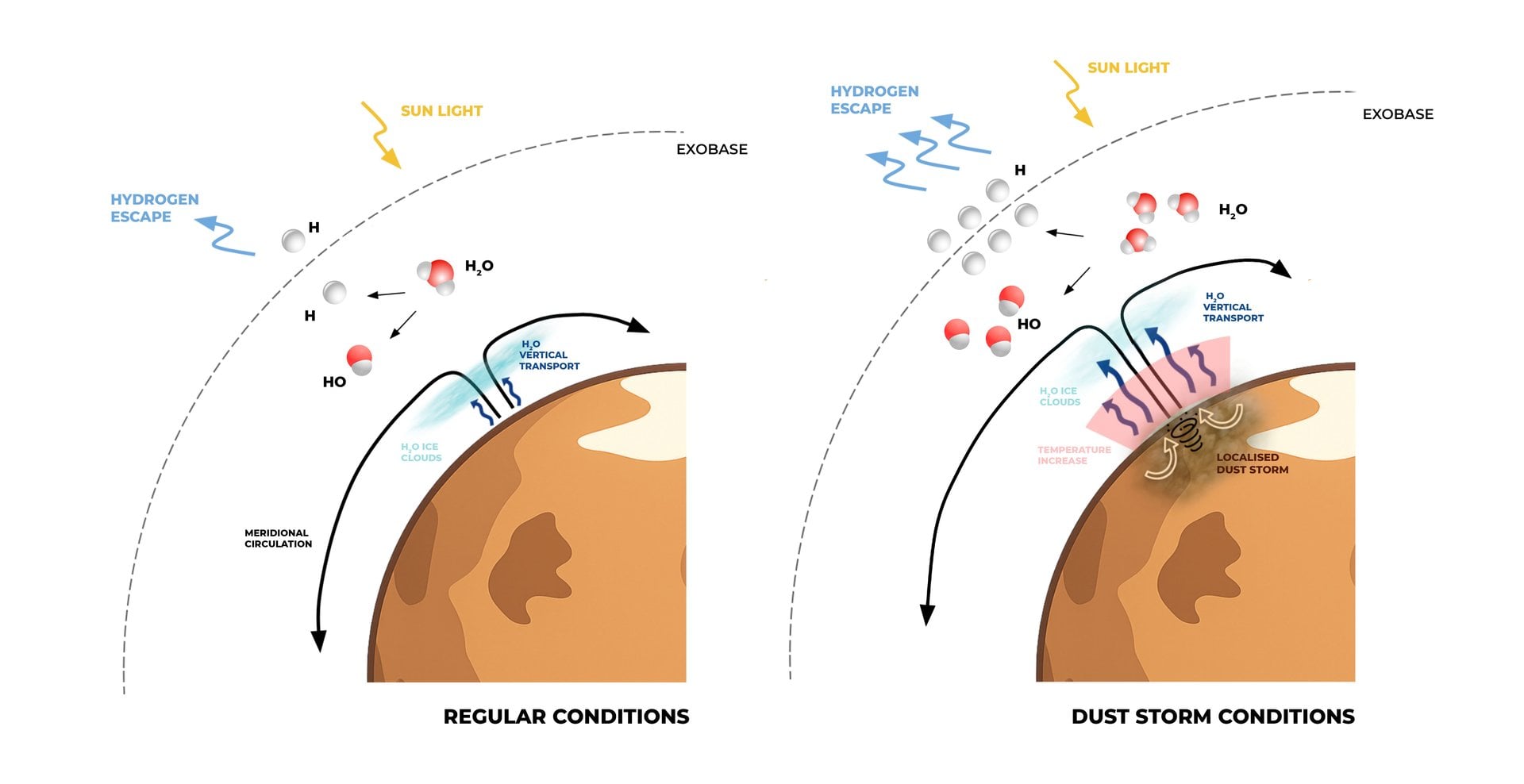
Mars’ water disappeared somewhere, but scientists have been disagreeing for years about where exactly it went. Data from rovers like Perseverance and Curiosity, along with orbiting satellites such as the

Why are planets rarely found orbiting a pair of stars? UC Berkeley and American University of Beirut physicists find that general relativity makes the orbit of a tight binary pair
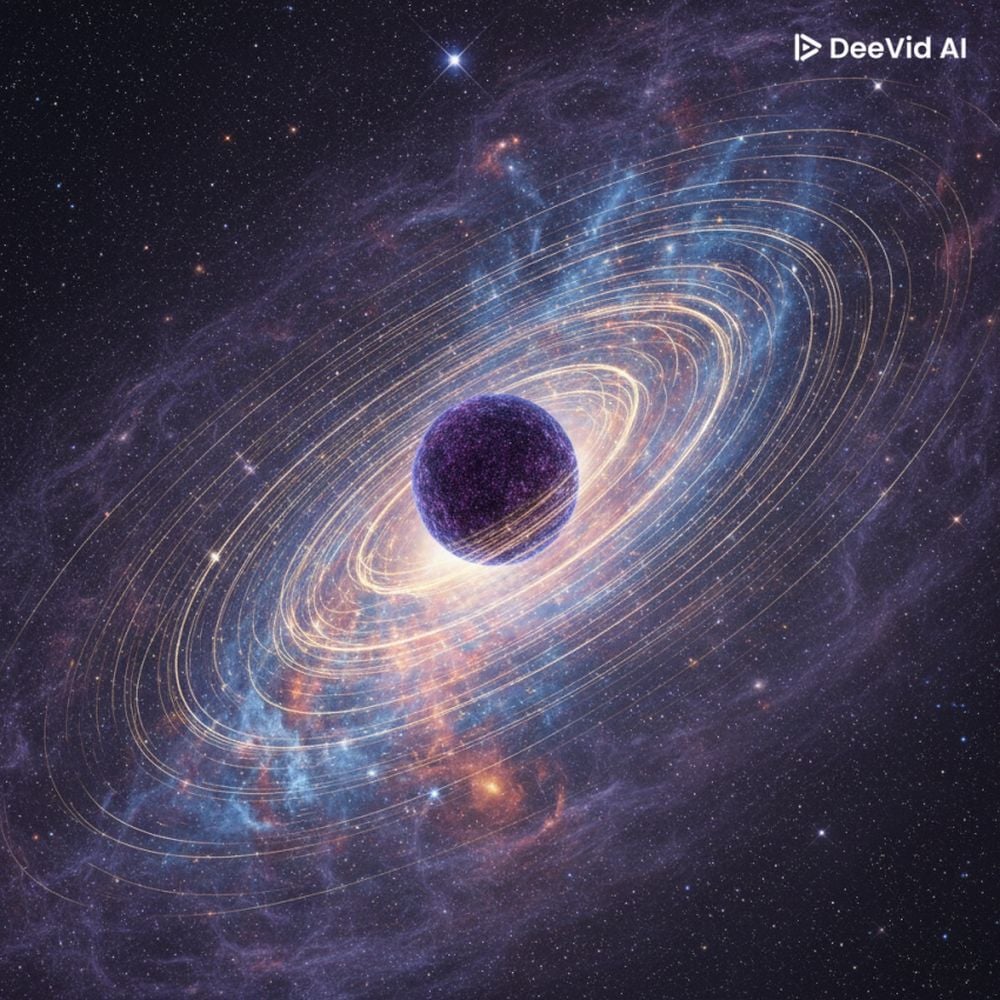
There’s been widespread agreement that a supermassive black hole resides in the Milky Way’s Center. But that may not be true. Researchers say that a dense clump of fermionic dark

NASA has taken another step towards greater autonomy for planetary exploration rovers. In December, the space agency used AI to generate waypoints for Perseverance’s route on two separate days. The
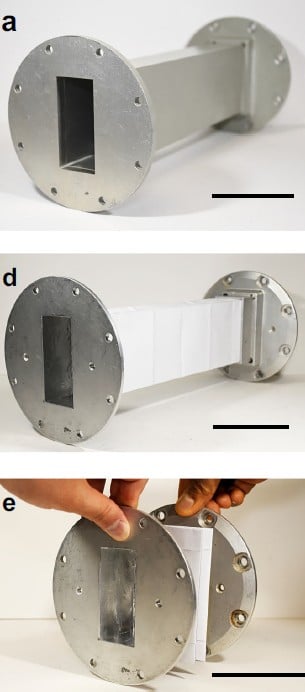
Origami and space exploration might not seem like they have much in common, but the traditional paper-folding technique solves one massive problem for space exploration missions – volume. Satellites and
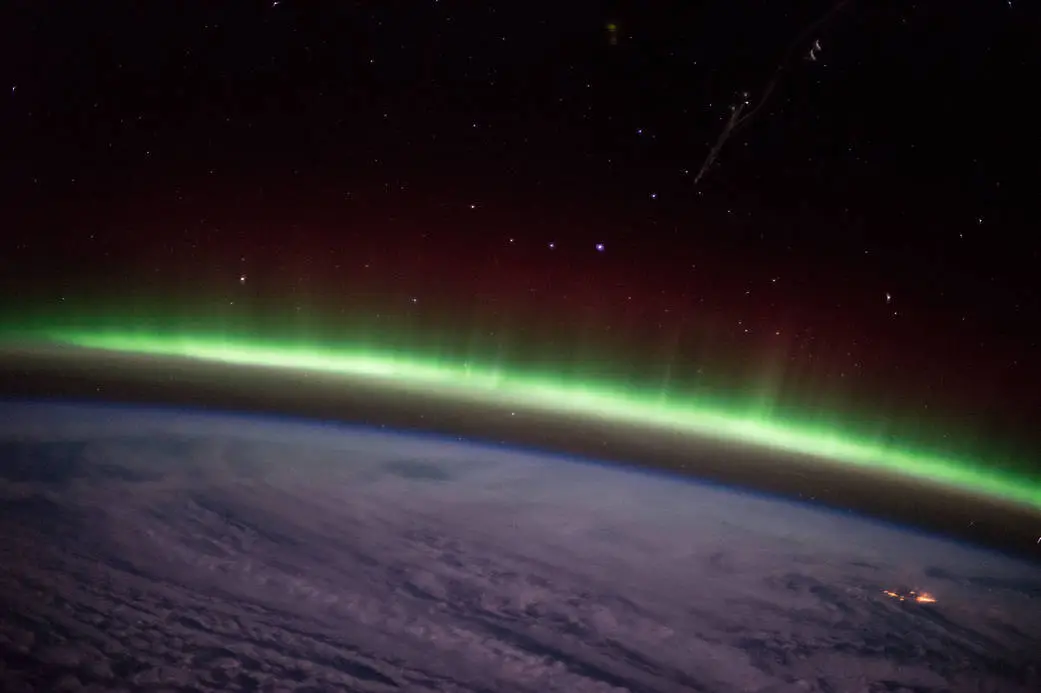
A new study co-led by the Department of Earth and Planetary Sciences at The University of Hong Kong (HKU) and the Department of Atmospheric and Oceanic Sciences at the University
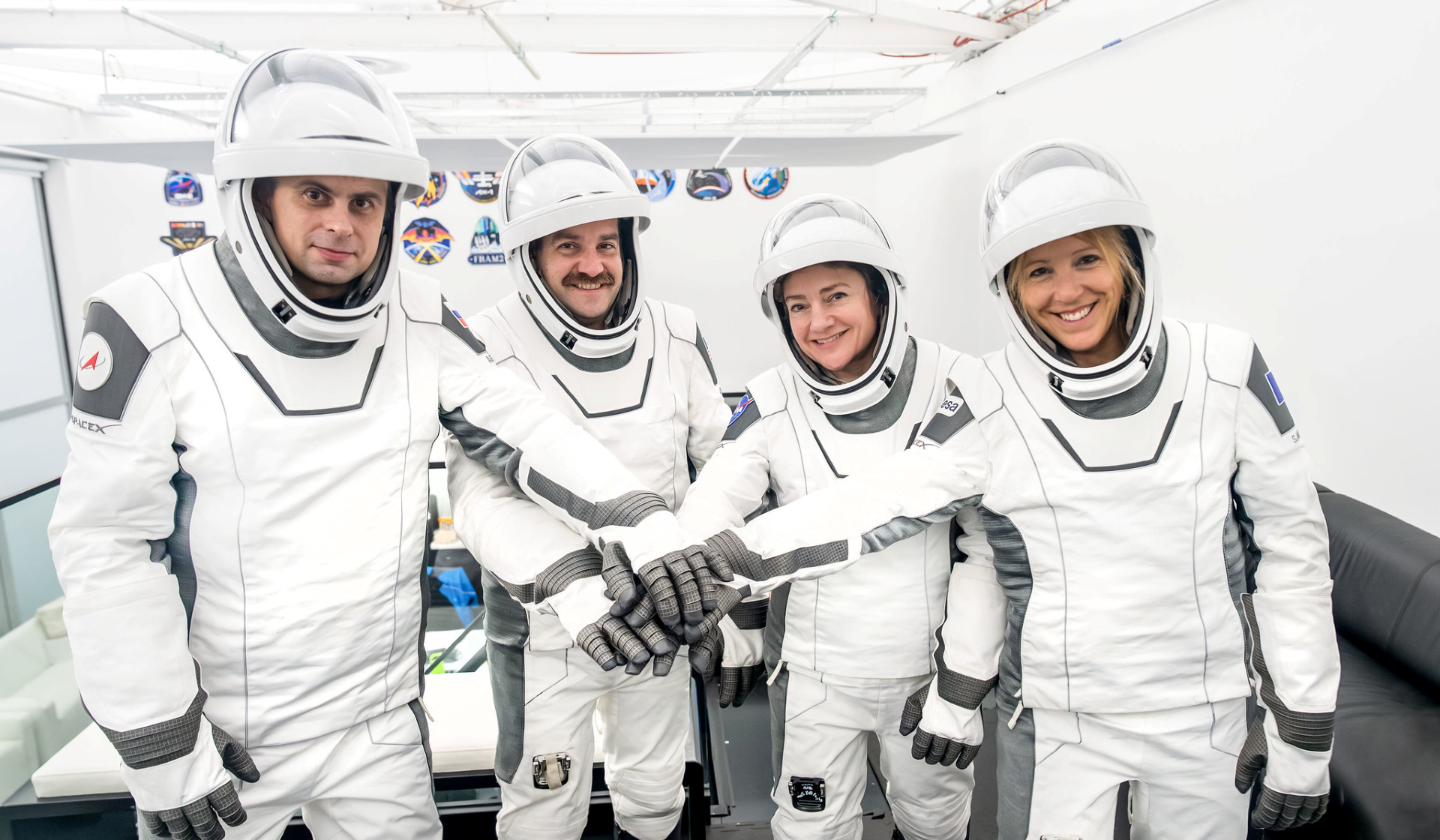
NASA’s SpaceX Crew-12 mission is preparing to launch for a long-duration science mission aboard the International Space Station. During the mission, select crew members will participate in human health studies