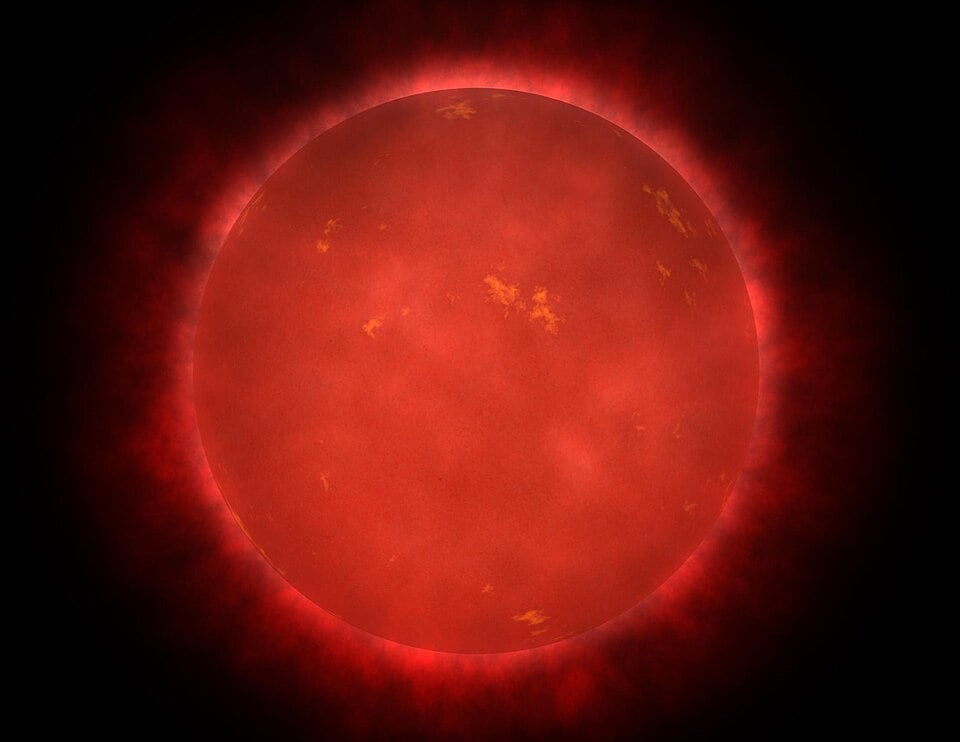
We live near a fusion reactor in space that provides all our heat and light. That reactor is also responsible for the creation of various elements heavier than hydrogen, and

We live near a fusion reactor in space that provides all our heat and light. That reactor is also responsible for the creation of various elements heavier than hydrogen, and
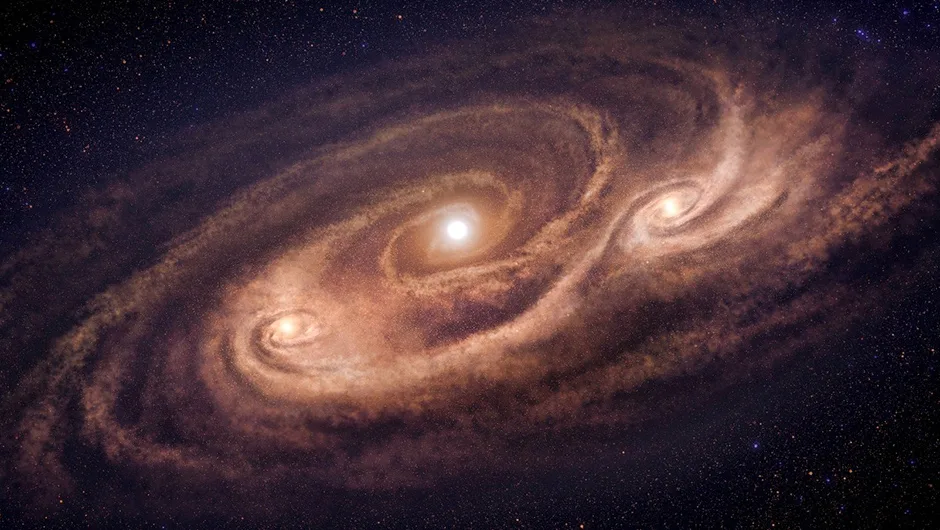
The earliest galaxies in the universe earned the nickname “monster galaxies” for good reason, they formed stars at rates hundreds of times faster than the Milky Way, growing rapidly after
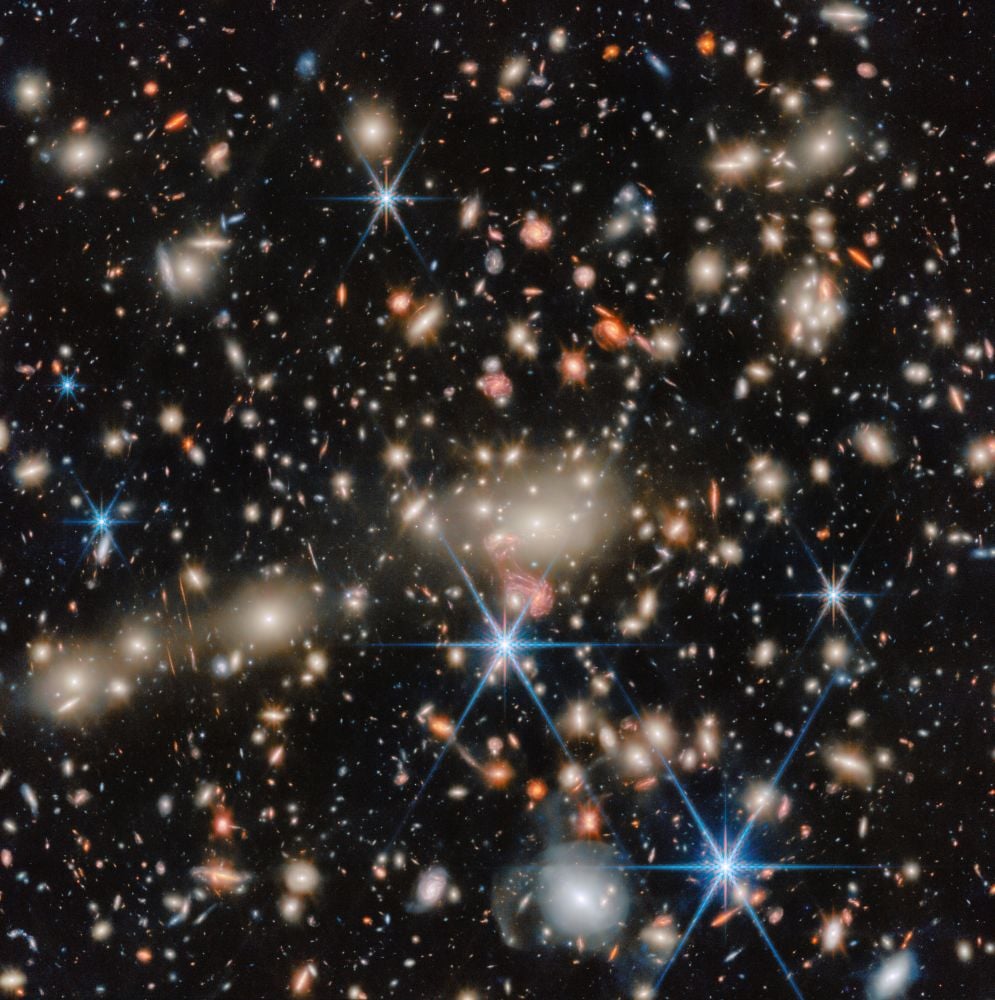
Gravitational lensing is a powerful tool that brings impossibly distant galaxies into reach. The JWST uses galaxy clusters and their overpowering to magnify background galaxies that are otherwise beyond our
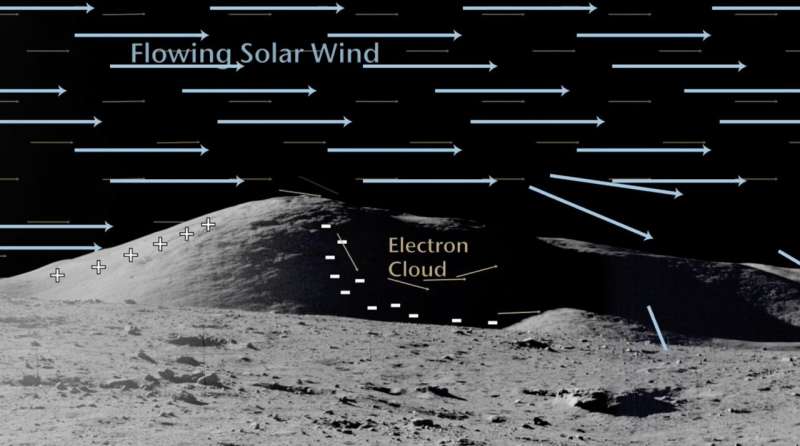
As they roll across shadowed regions of the moon’s surface, future lunar rovers could develop hazardous buildups of electric charge on their wheels. Through new analysis published in Advances in
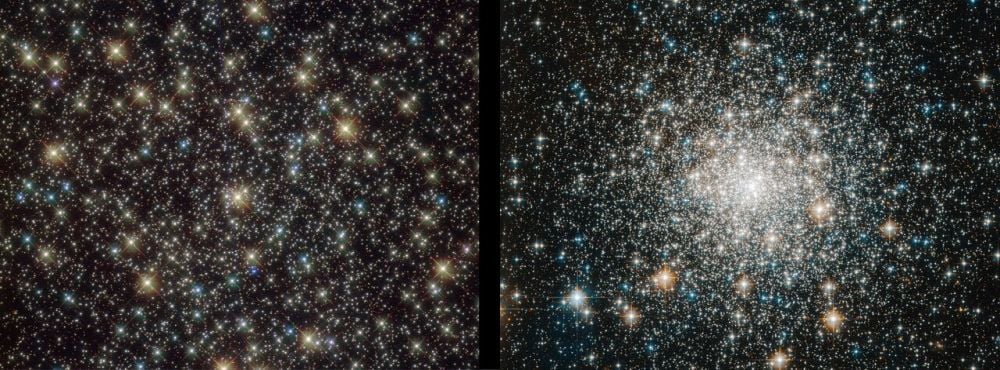
How do blue stragglers defy the aging that turns their mates red? Blue stragglers are found in ancient star clusters, where they outshine stars the same age, looking far bluer
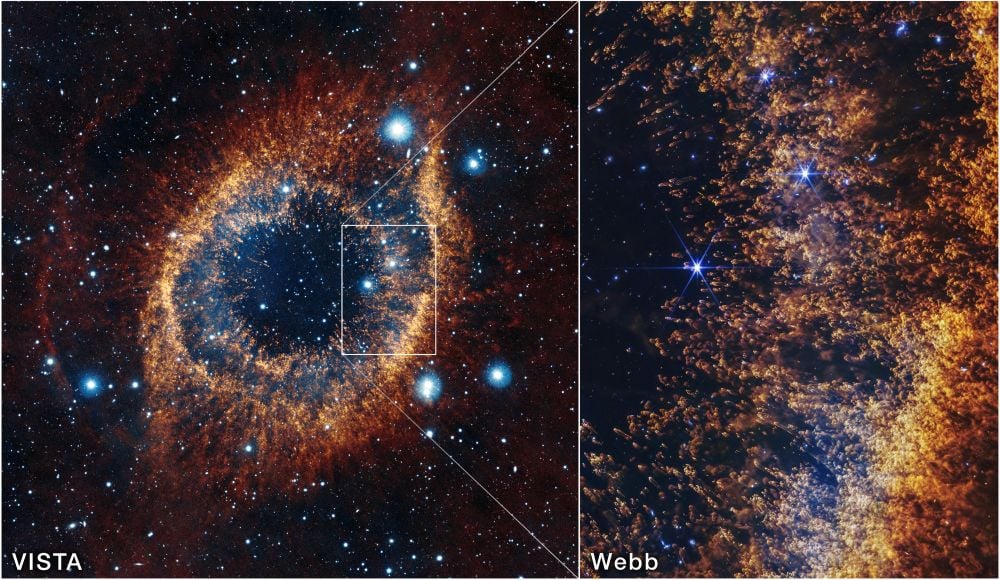
The Helix Nebula is one of the closest and brightest planetary nebula. It’s what’s left of a dying star and has nothing to do with planets. Our Sun will end
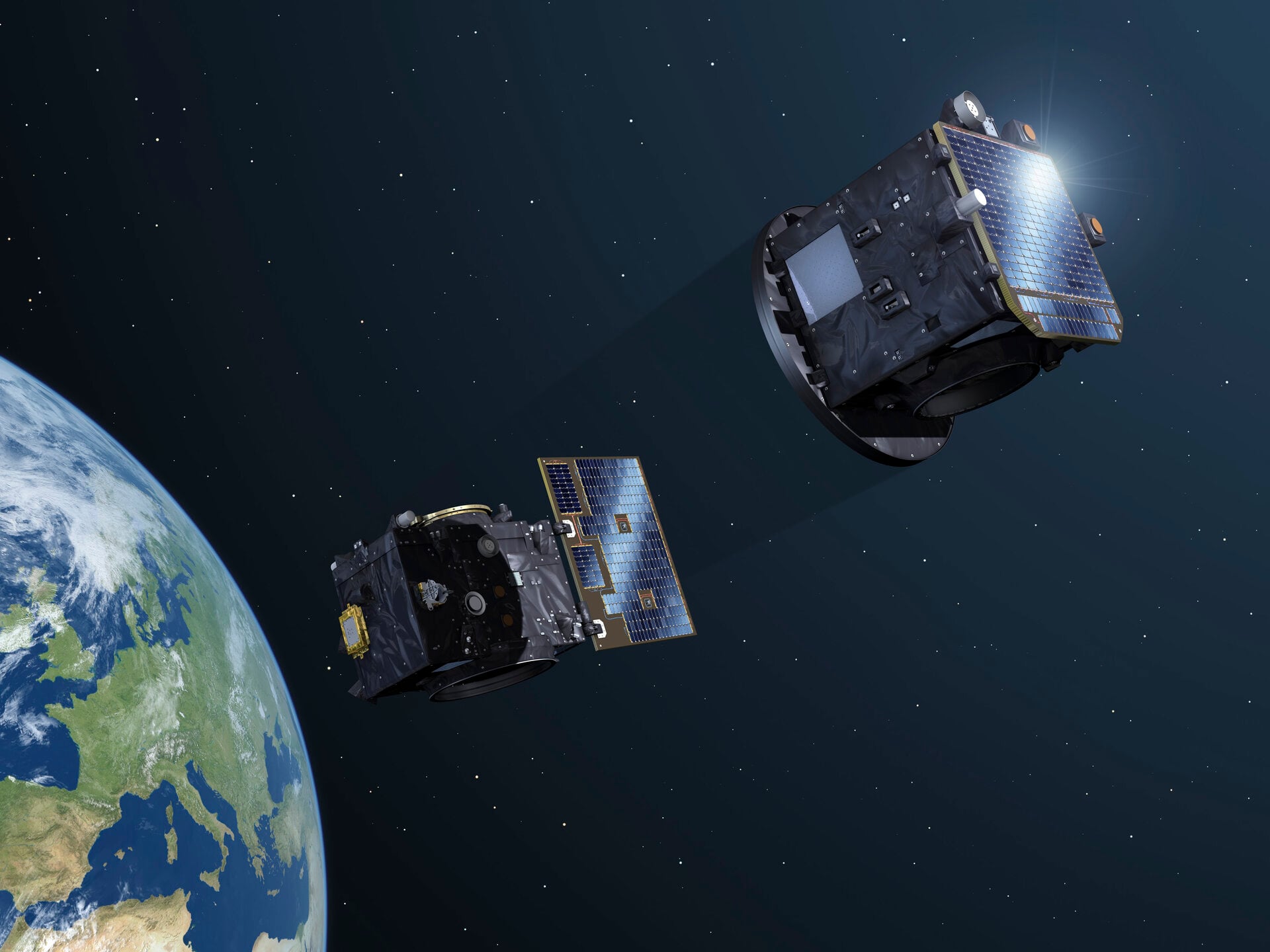
Some really unique science can be done during a total solar eclipse. Totality is the one time we can see the elusive corona of the Sun, the pearly white segment
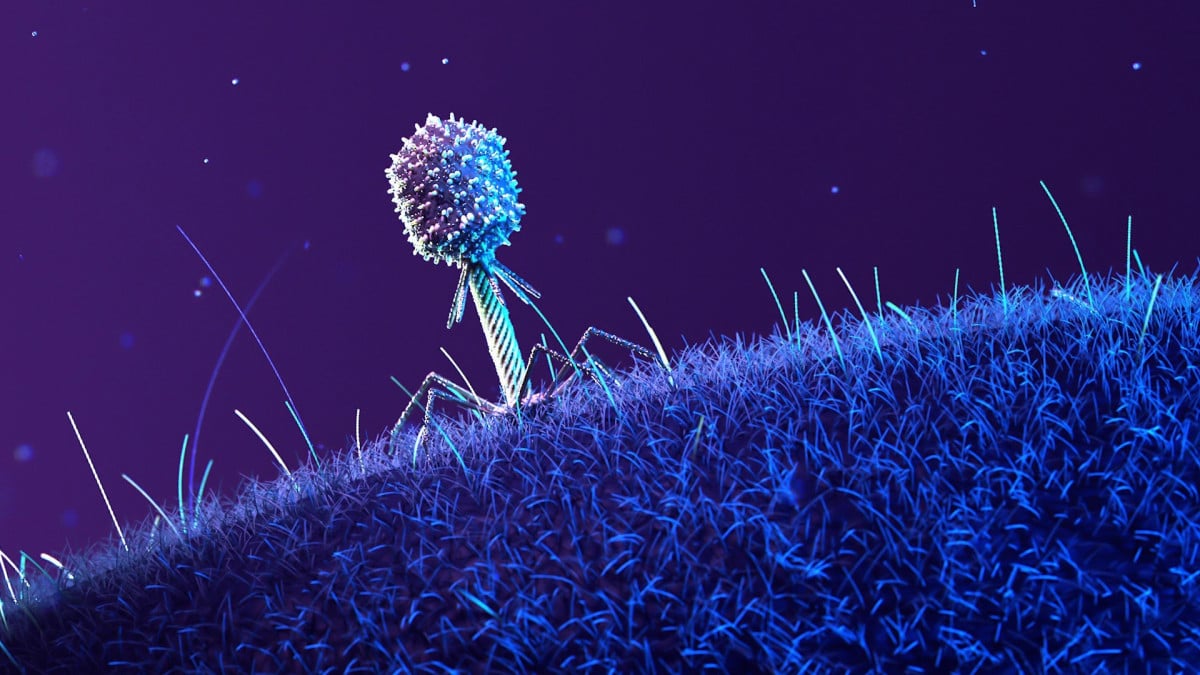
If humans are ever going to expand into space itself, it will have to be for a reason. Optimists think that reason is simply due to our love of exploration
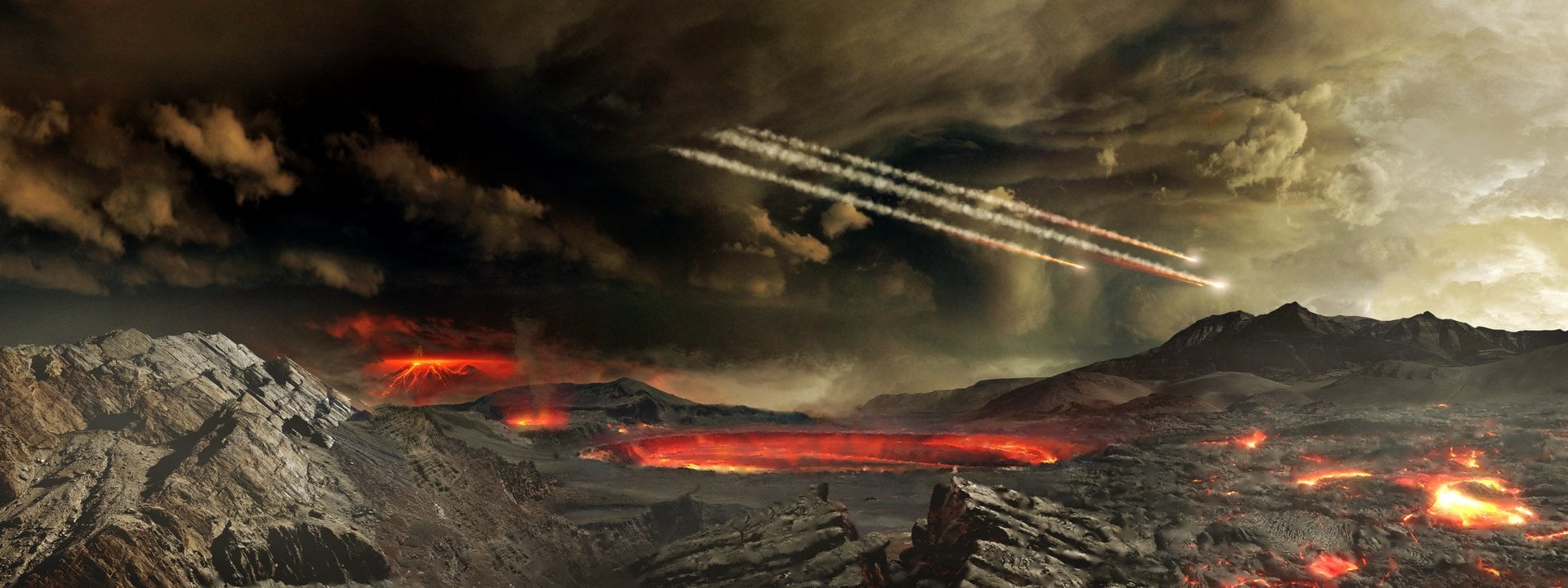
High-precision oxygen isotopes in Apollo lunar soils reveal a persistent impactor fingerprint, showing that impacts contributed only a tiny fraction of Earth’s water.
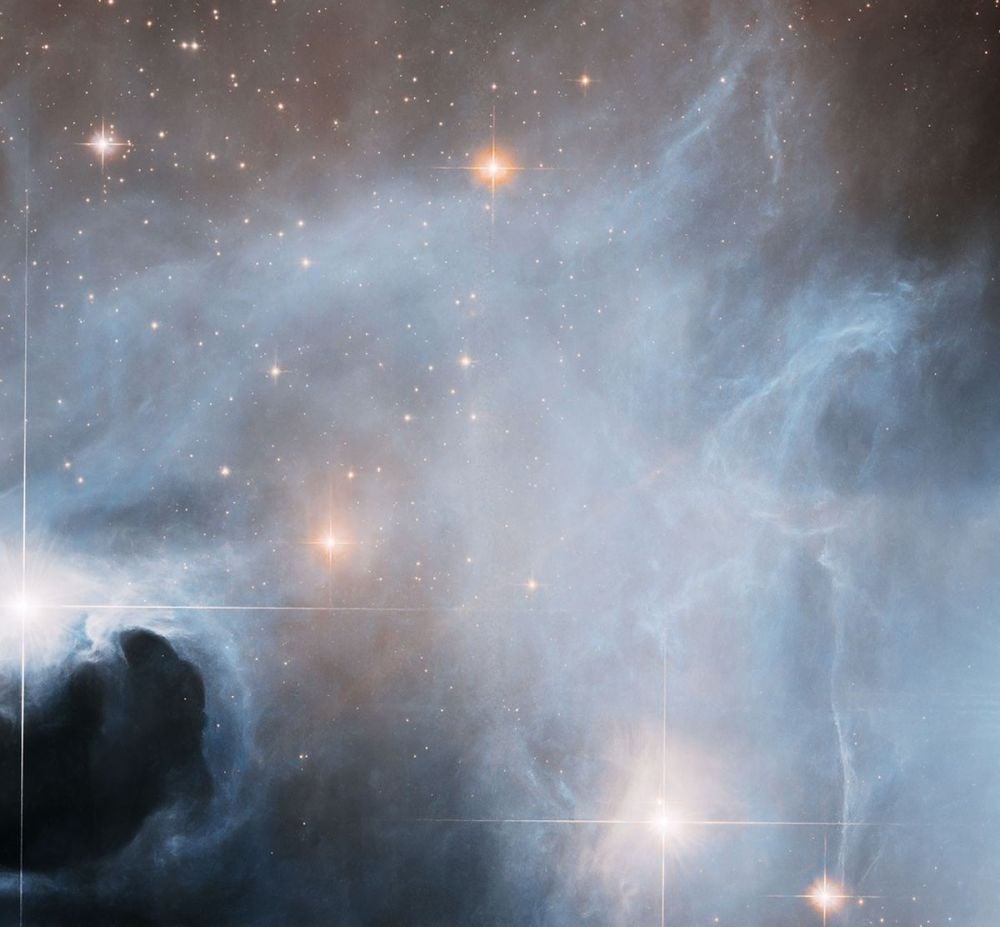
The Hubble Mission Team has released another image of the space telescope’s study of star formation. This image shows the dark cloud Lupus 3, a star-forming region about 500 light-years