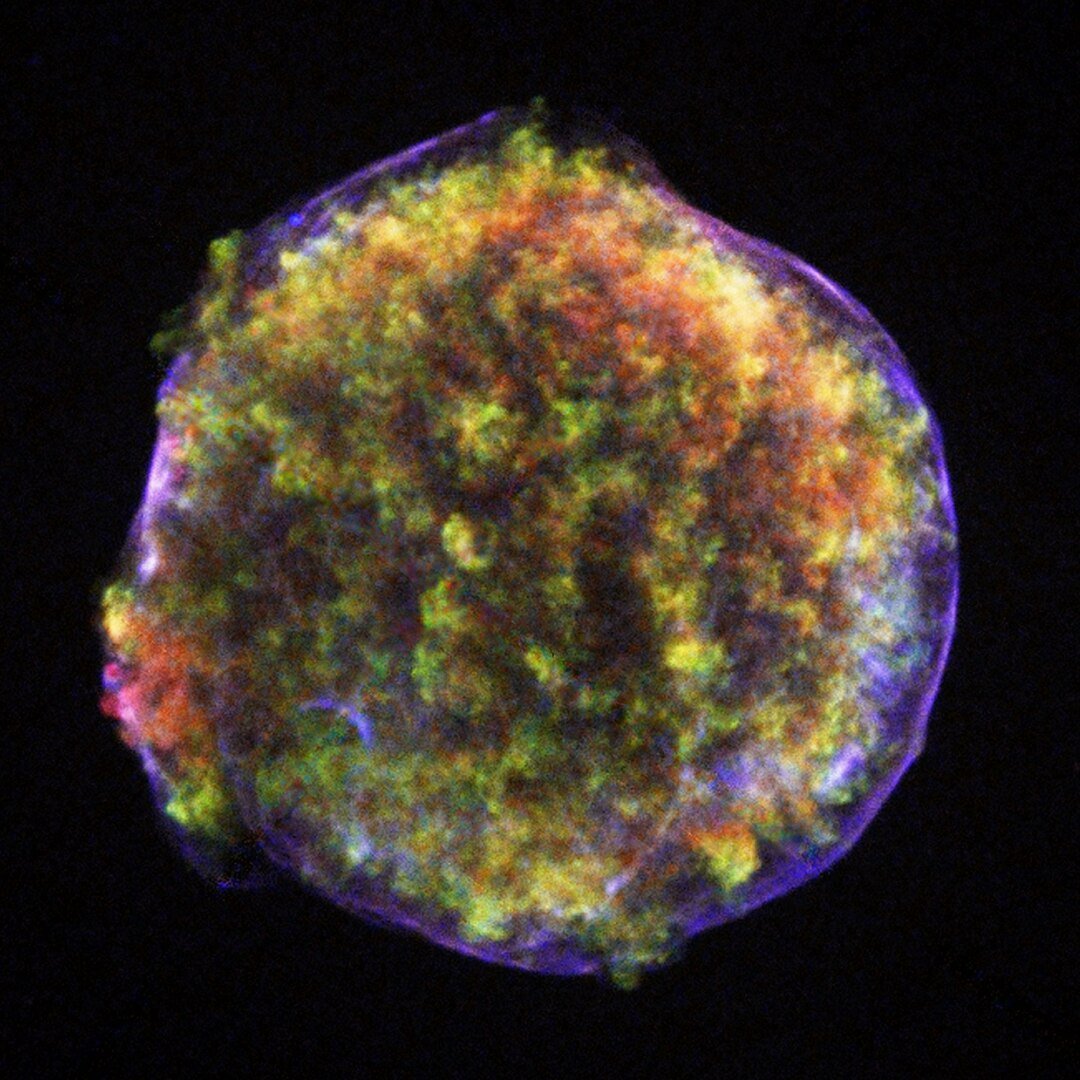
The famous Tycho supernova of 1572, witnessed by Danish astronomer Tycho Brahe, didn’t explode in empty space as has been assumed. New analysis reveals it detonated inside a planetary nebula,

The famous Tycho supernova of 1572, witnessed by Danish astronomer Tycho Brahe, didn’t explode in empty space as has been assumed. New analysis reveals it detonated inside a planetary nebula,
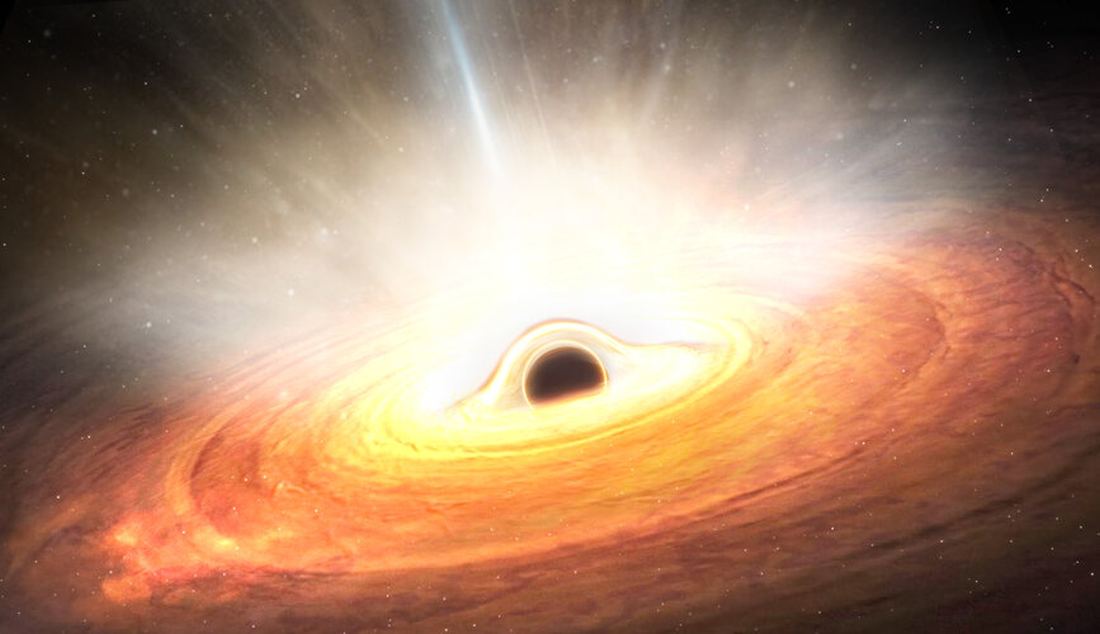
In a recent paper, a team of researchers proposes how humanity may someday relocate its entire civilization near the center of our galaxy to take advantage of the relativistic effects
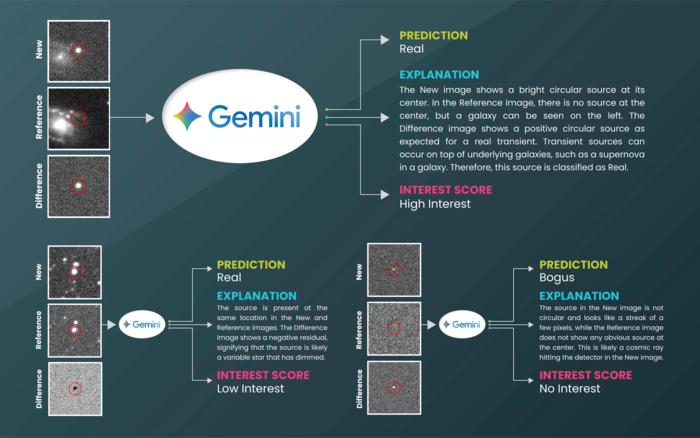
How can artificial intelligence (AI) help astronomers identify celestial objects in the night sky? This is what a recent study published in Nature Astronomy hopes to address as an international
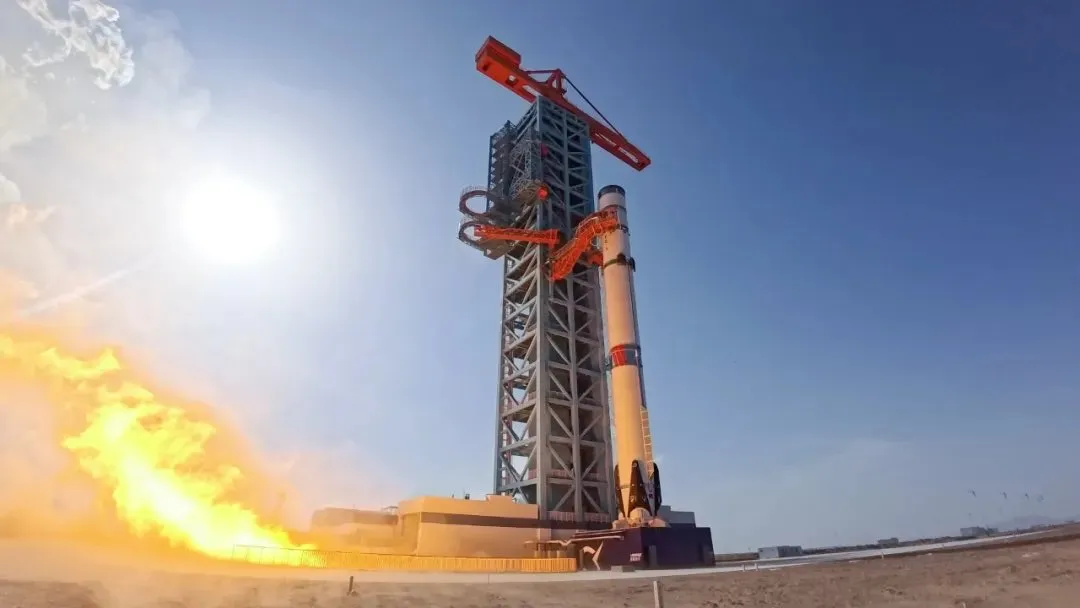
On Monday, Chinese company LandSpace executed a static-fire test with its 217-foot-tall Zhuque-3, a reusable rocket that China hopes will rival SpaceX. The rocket is on the way to its
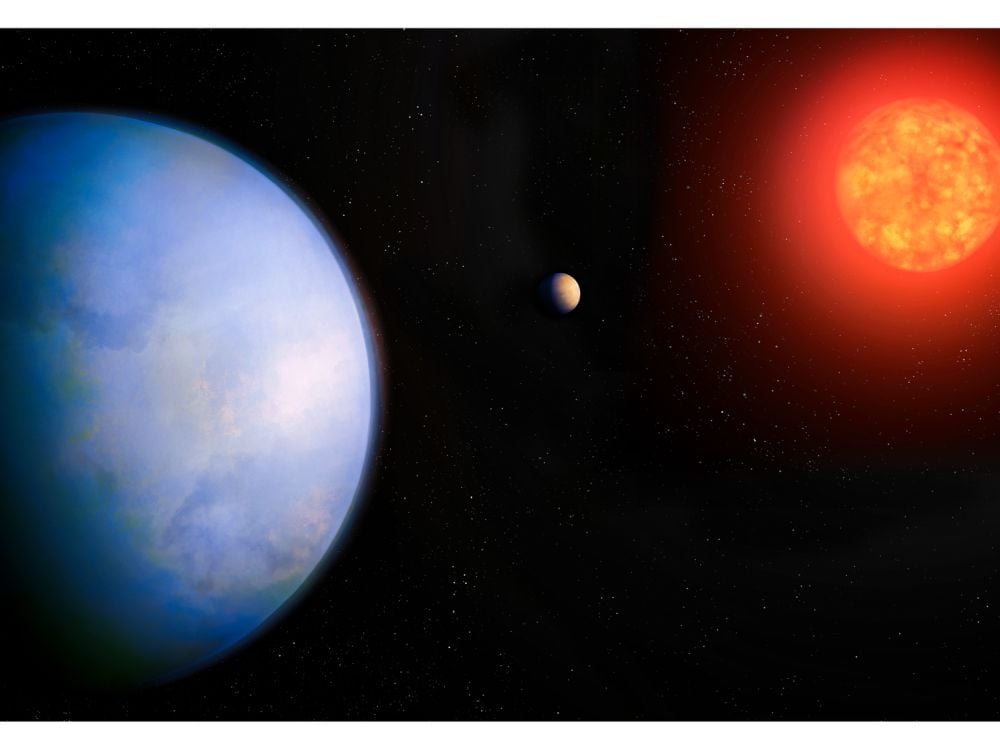
Astronomers have found a new super-Earth only about 20 light years away. At that distance, it’s a candidate for direct imaging.
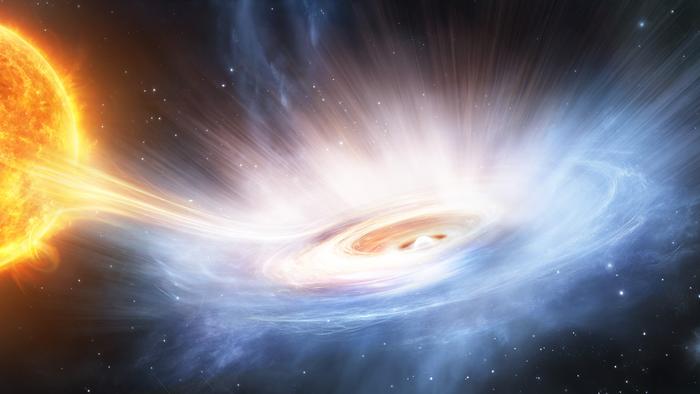
The Universe is a strange place. The X-Ray Imaging and Spectroscopy Mission (XRISM) orbiting observatory recently highlighted this fact, when it was turned on a pulsar to document its powerful
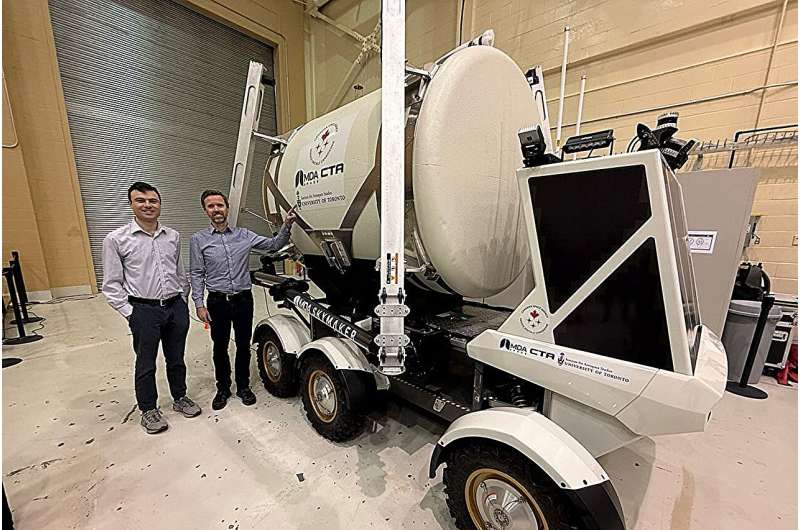
Driving on the Moon for the first time has got to be an exhilarating experience. But driving the same path on the Moon for the 500th time probably won’t be
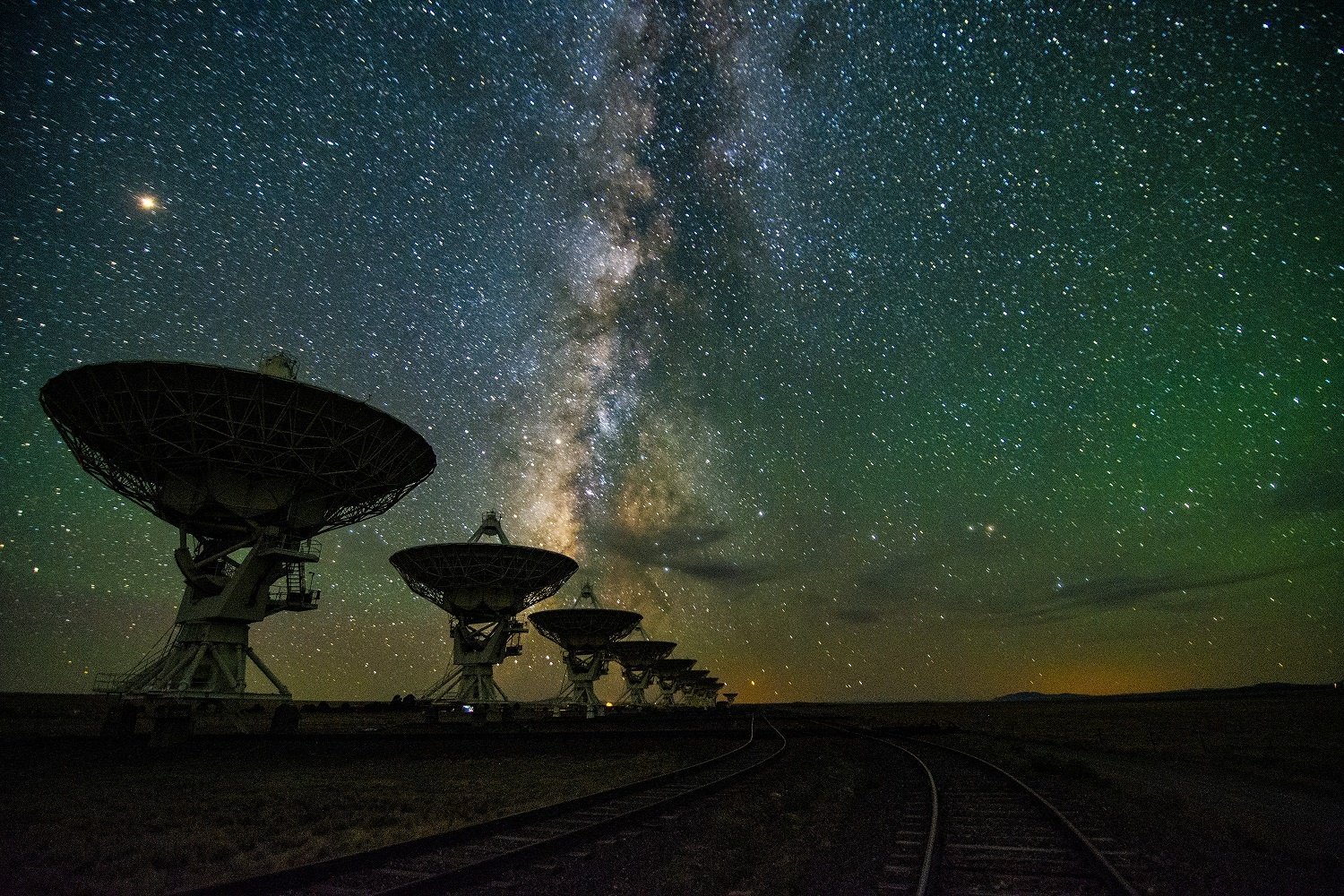
Are we alone? It’s probably one of the, if not the most basic questions of human existence. People have been trying to answer it for millennia in one form or
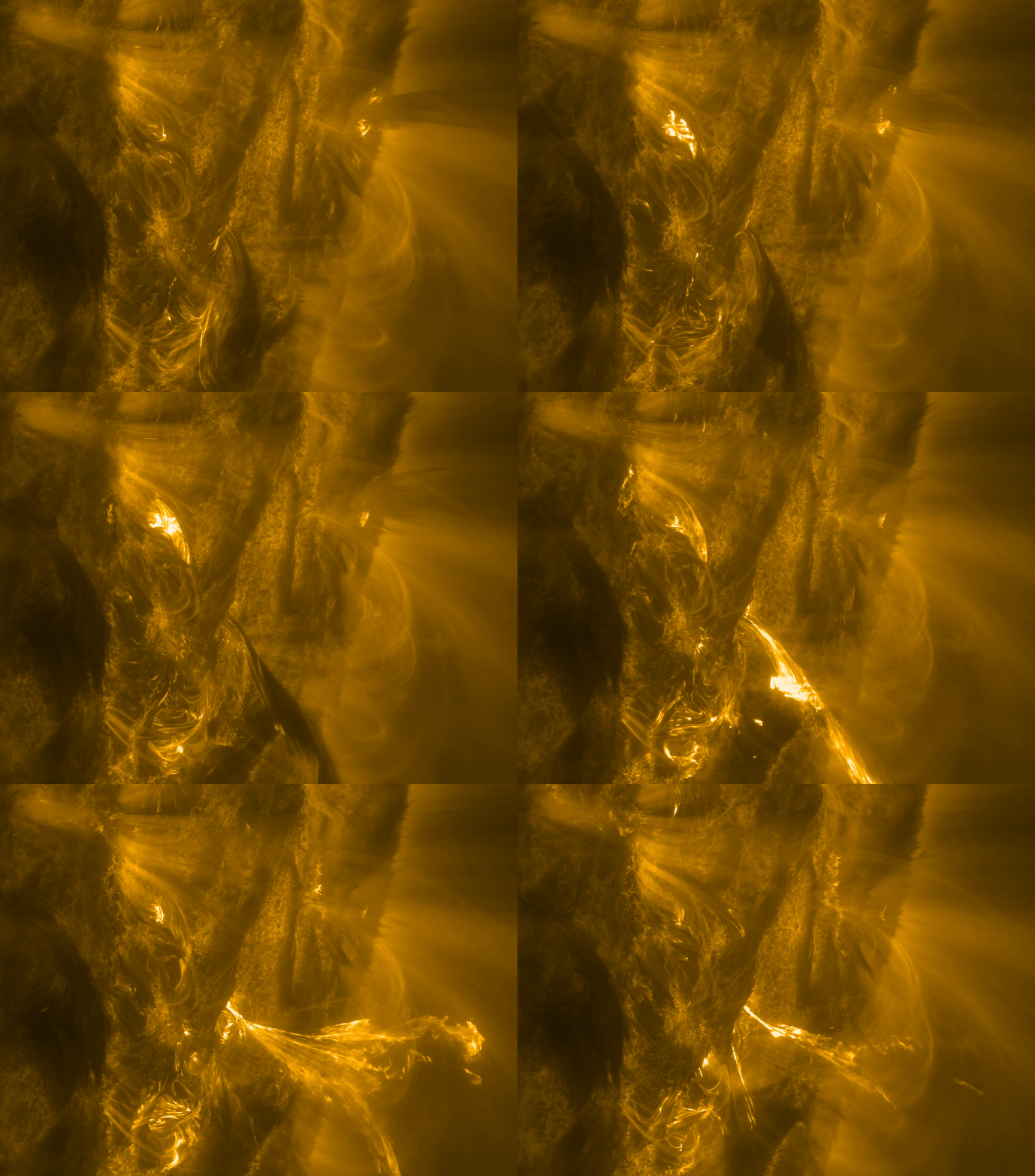
Threats from space aren’t always obvious, but statistically its only a matter of time before one of them happens. One of the most concerning for many space experts is a
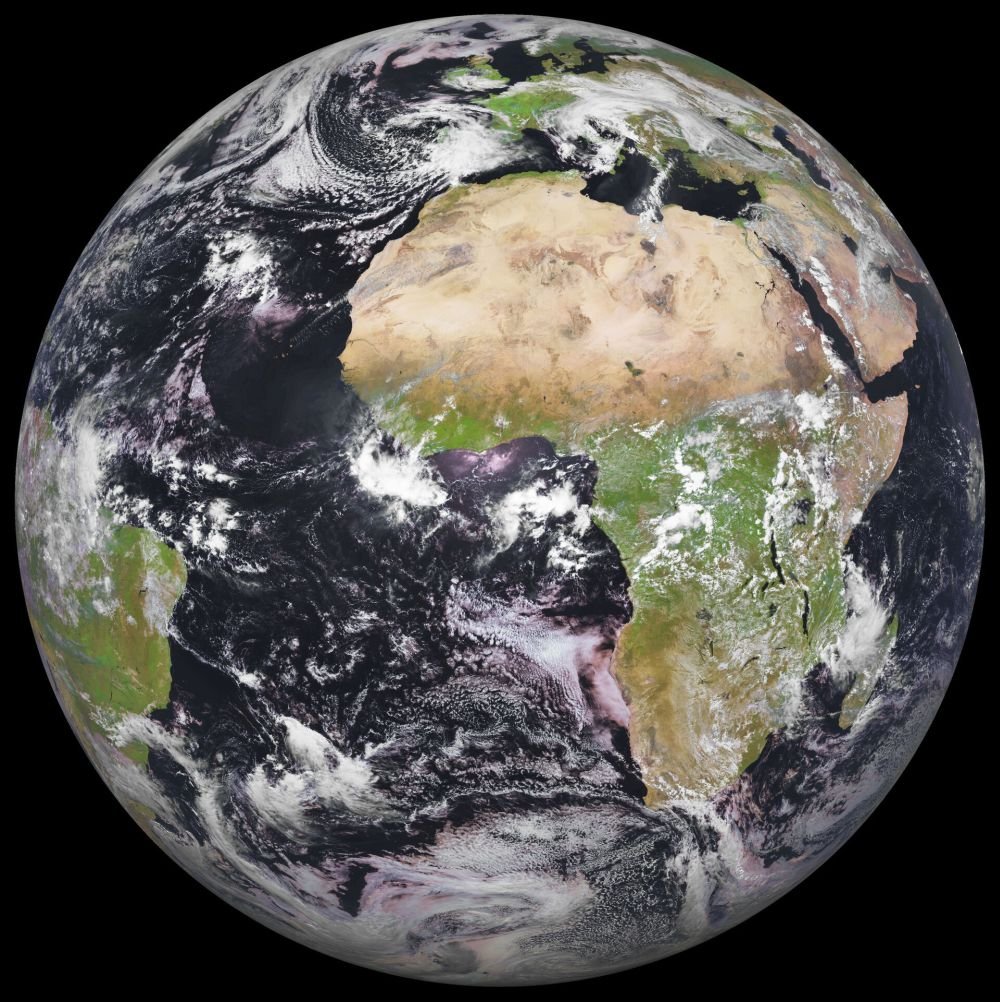
A new study has revealed how phosphorus, a nutrient essential for photosynthesis, surged into ancient oceans and started Earth’s first major rise in atmospheric oxygen more than 2 billion years