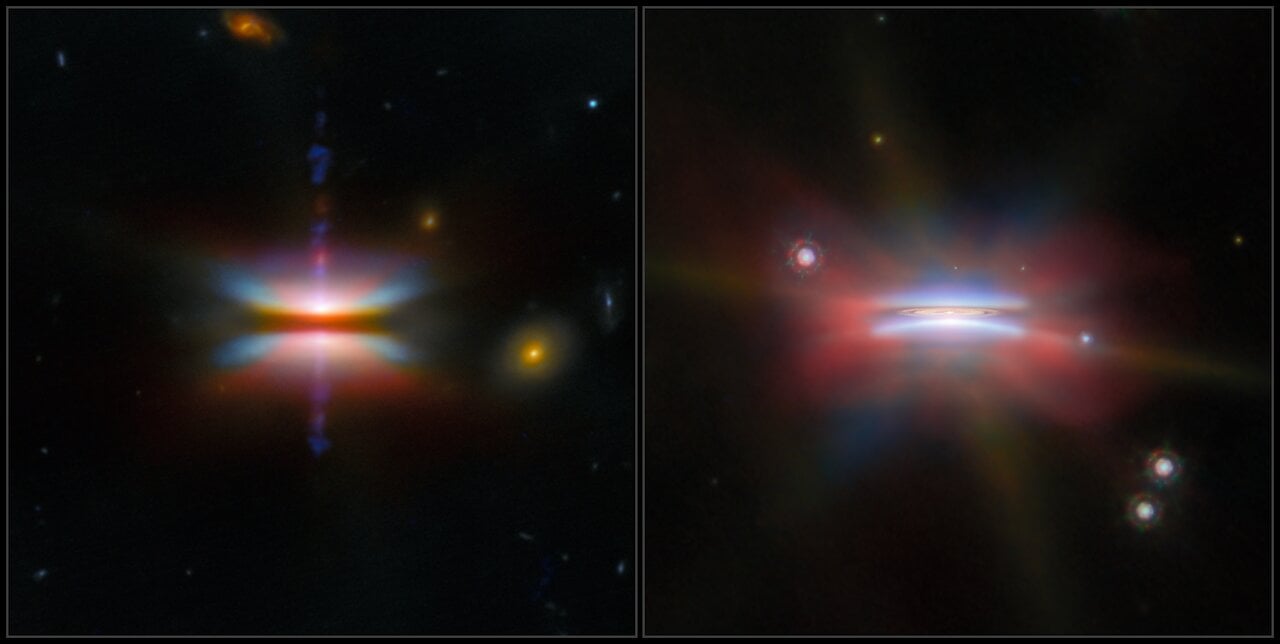
Two images of protoplanetary disks side-by-side. The left image shows a dark horizontal band covering the star, with broad, colorful, conical outflows above and below it, and a narrow jet

Two images of protoplanetary disks side-by-side. The left image shows a dark horizontal band covering the star, with broad, colorful, conical outflows above and below it, and a narrow jet
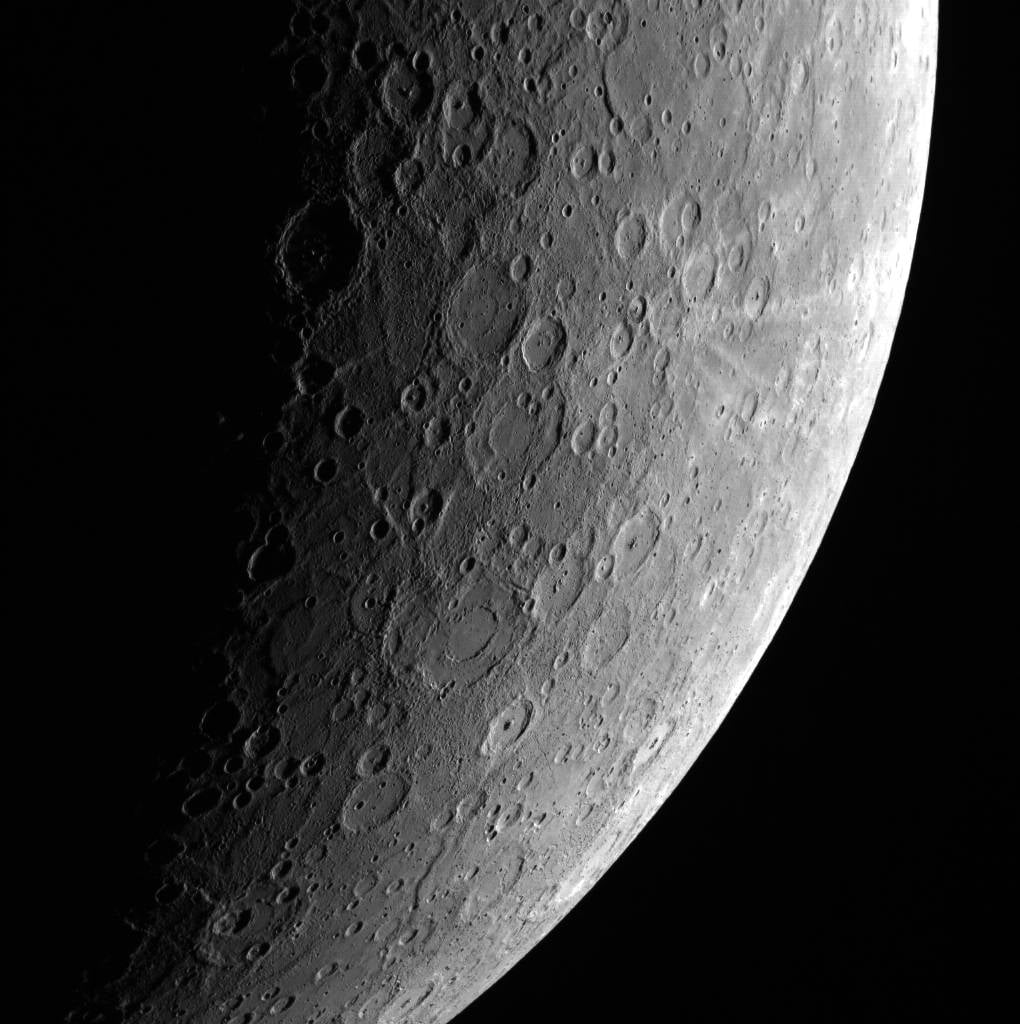
A Mercury lander mission would create opportunities to sample unique geological features. However, extreme temperature fluctuations on Mercury’s surface pose challenges for exploration on the planetary surface. In a narrow
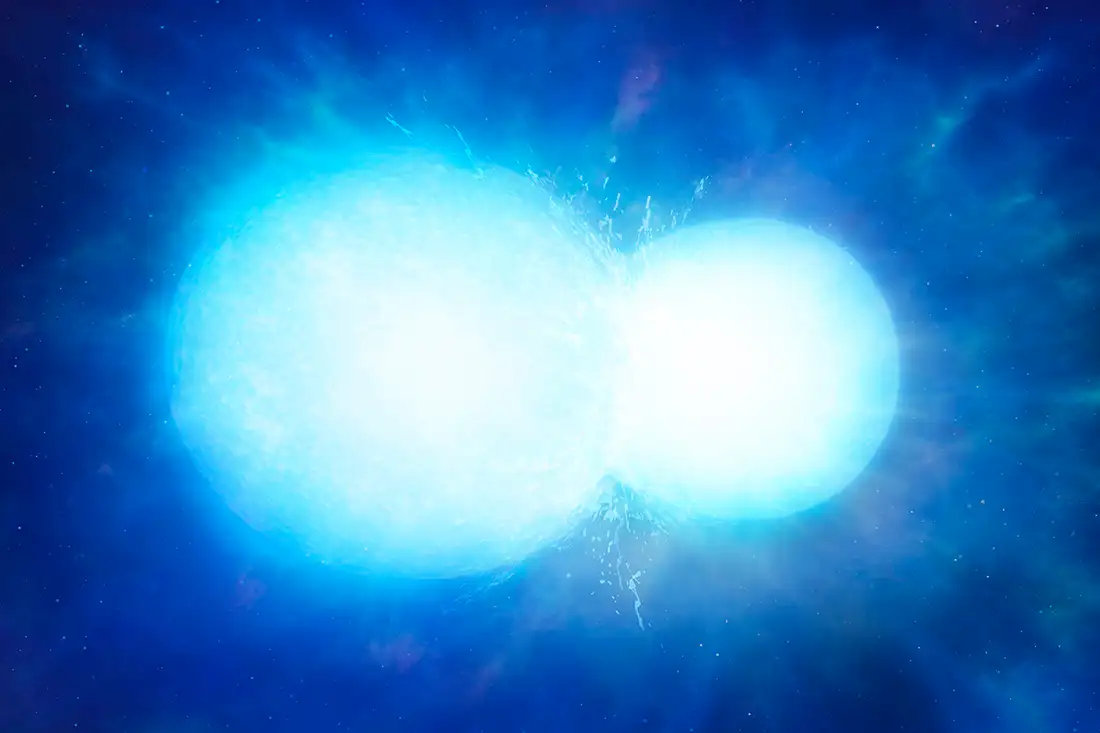
In the vastness of the Universe, any new object with interesting properties can spur the search for similar objects, potentially establishing a new class of stars. In a paper published
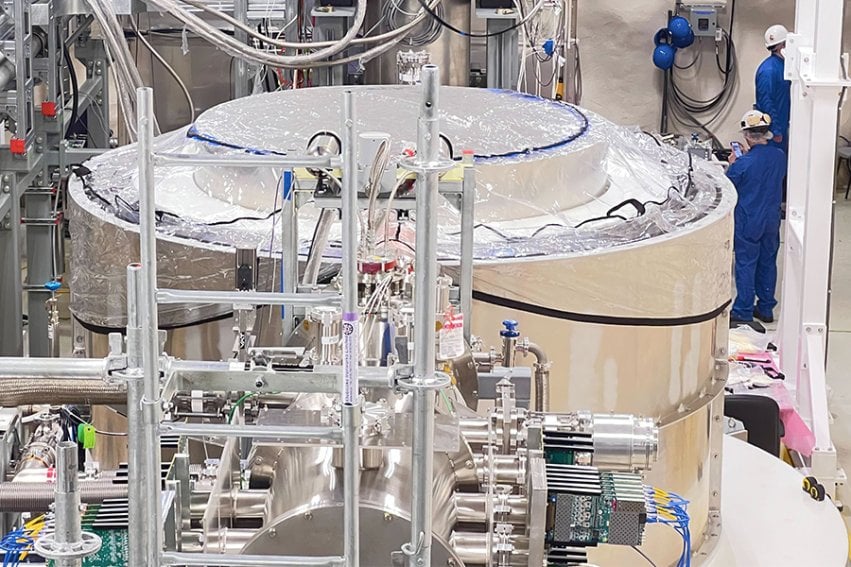
The Super Cryogenic Dark Matter Search (SuperCDMS) experiment has reached its coldest operating temperature, hundreds of times colder than outer space.
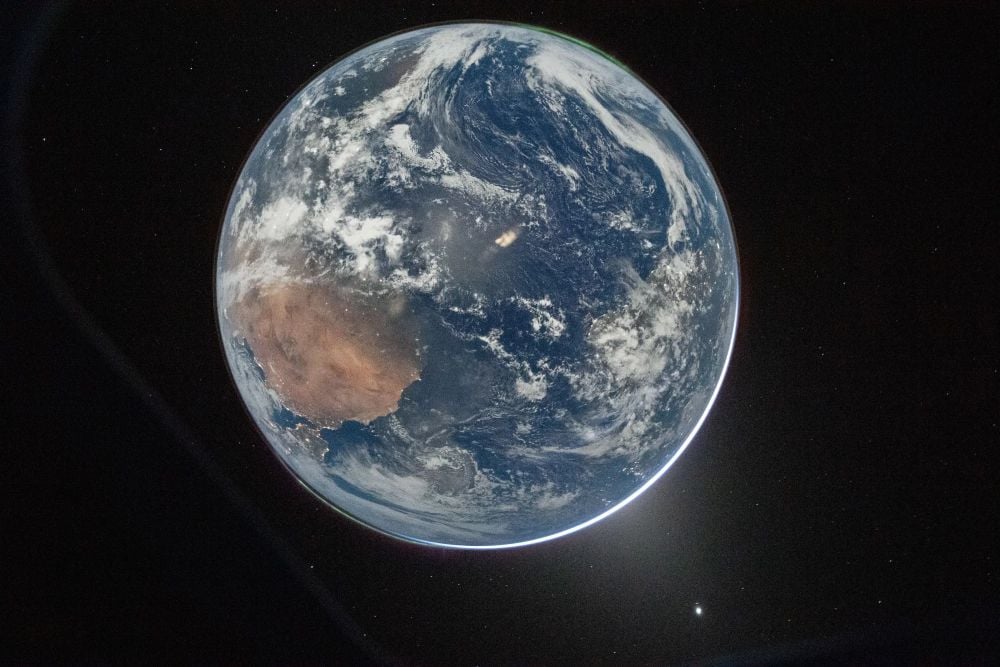
New research shows that Earth formed from inner Solar System material. Isotopic geochemistry analysis found no evidence that material from beyond Jupiter contributed to Earth’s bulk composition. The results also
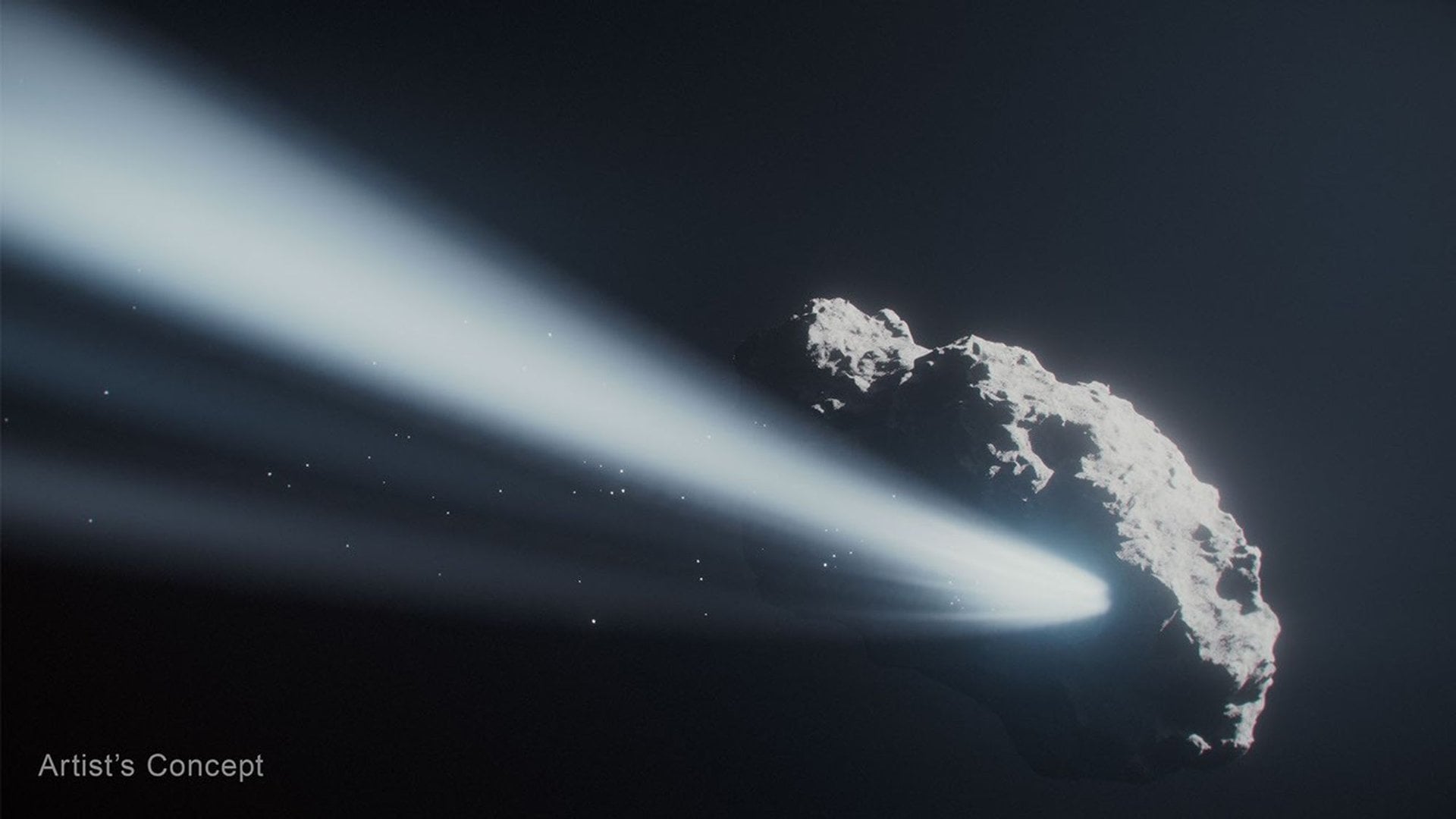
Japan’s space agency, JAXA, has been knocking it out of the park with small-body exploration missions for decades. They had historic successes with both Hayabusa and Hayabusa2, and they are
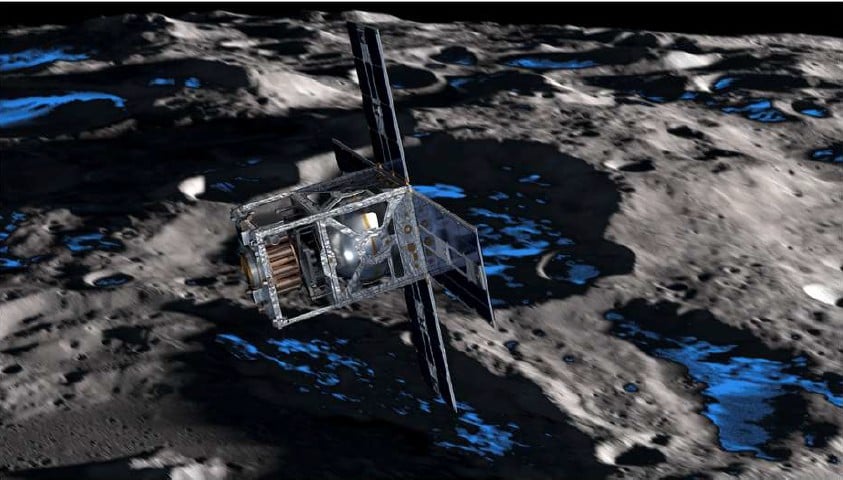
The water locked up in the Permanently Shadowed Regions (PSRs) of the Moon’s south pole is a critical resource if we are ever going to get a permanent lunar presence
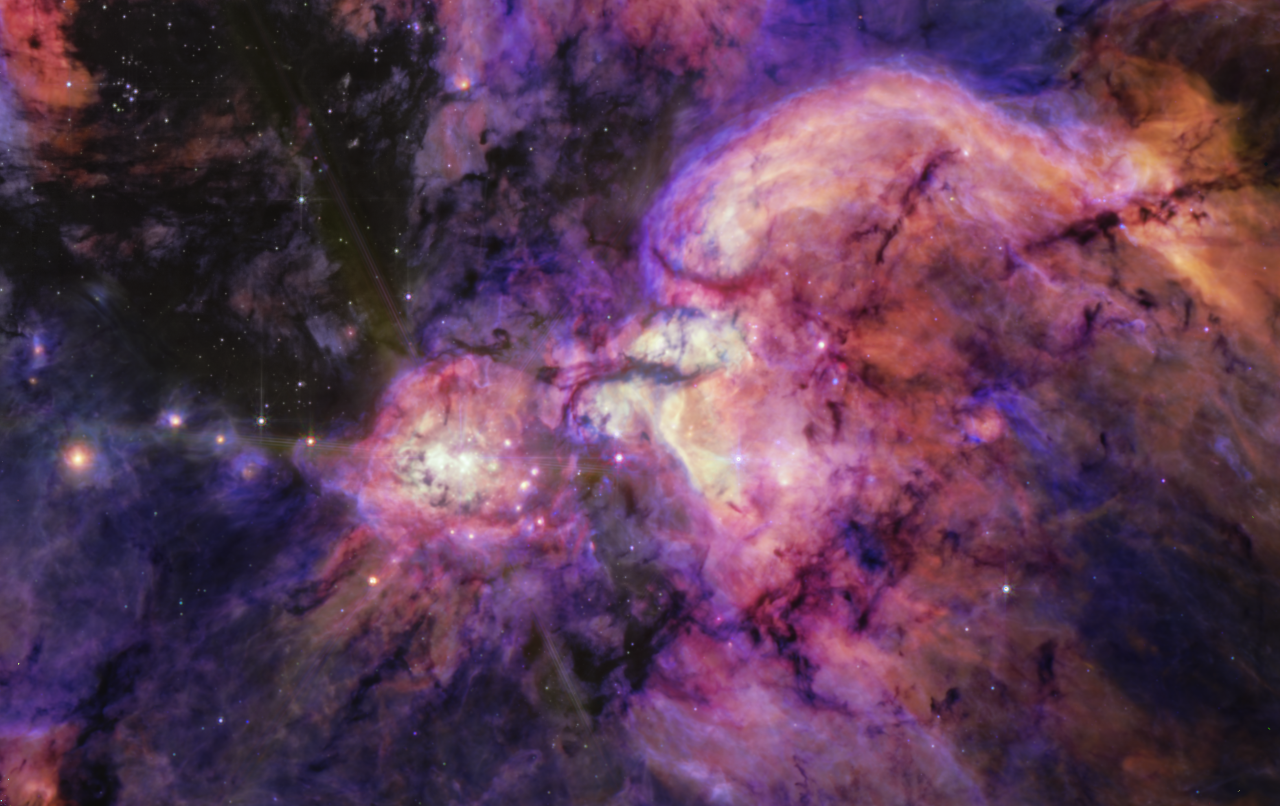
Star formation is a dramatic and complex process that erupts throughout the Universe. Yet, a lot of the action gets hidden by clouds of gas and dust. That’s where observatories
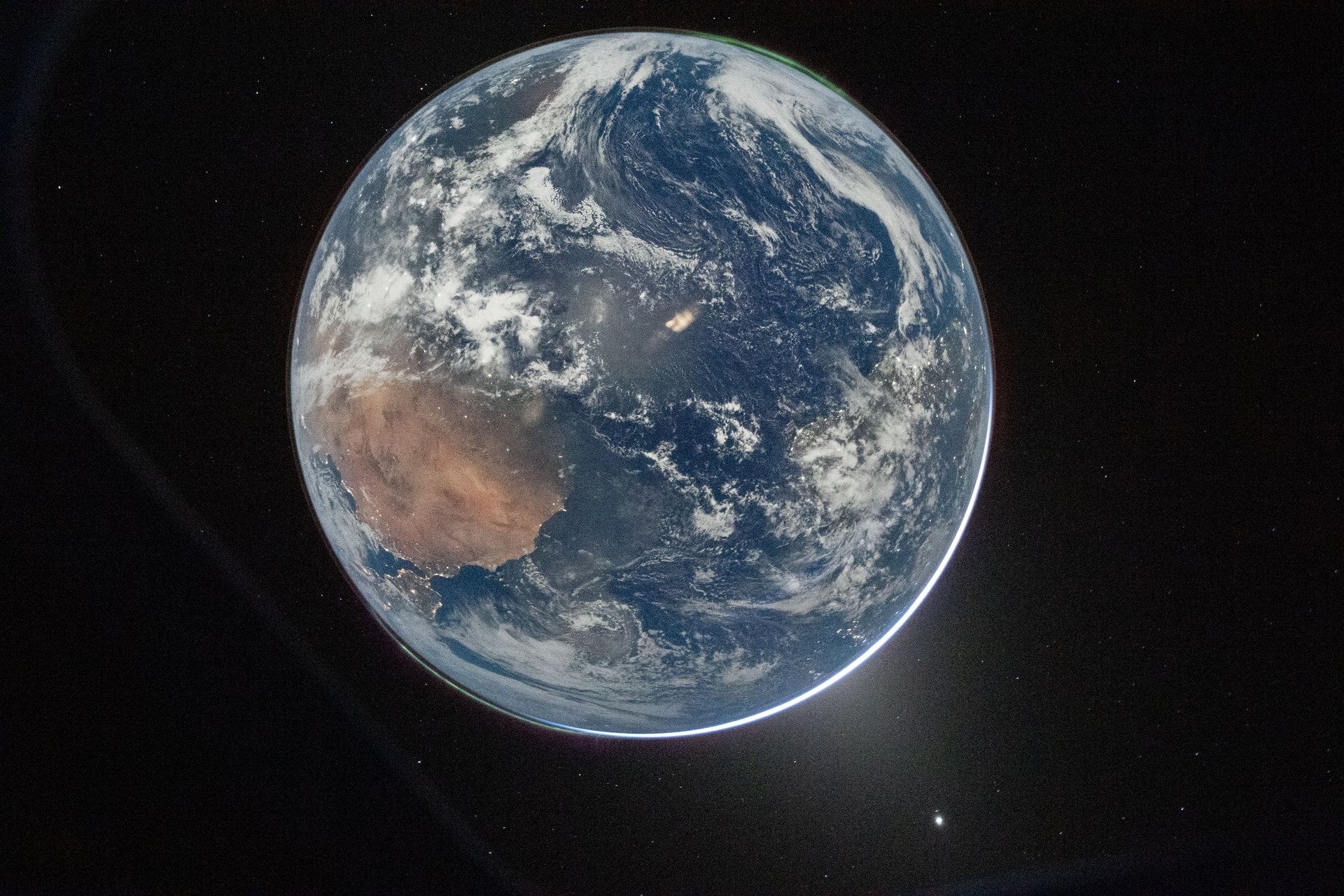
NASA astronaut and Artemis II Commander Reid Wiseman took this picture of Earth from the Orion spacecraft’s window after completing the translunar injection burn. There are two auroras (top right
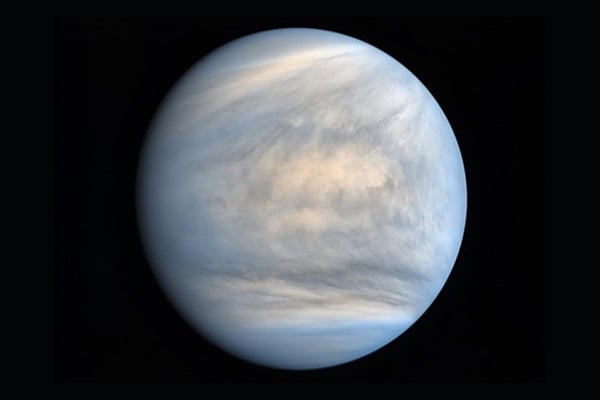
A new study presented at the 2026 LPSC suggests that if life does exist in Venus’ clouds, there’s a chance it came from Earth.