
Now Reading: Defender at 45: How an icon of space gaming is in danger of being lost to history
-
01
Defender at 45: How an icon of space gaming is in danger of being lost to history


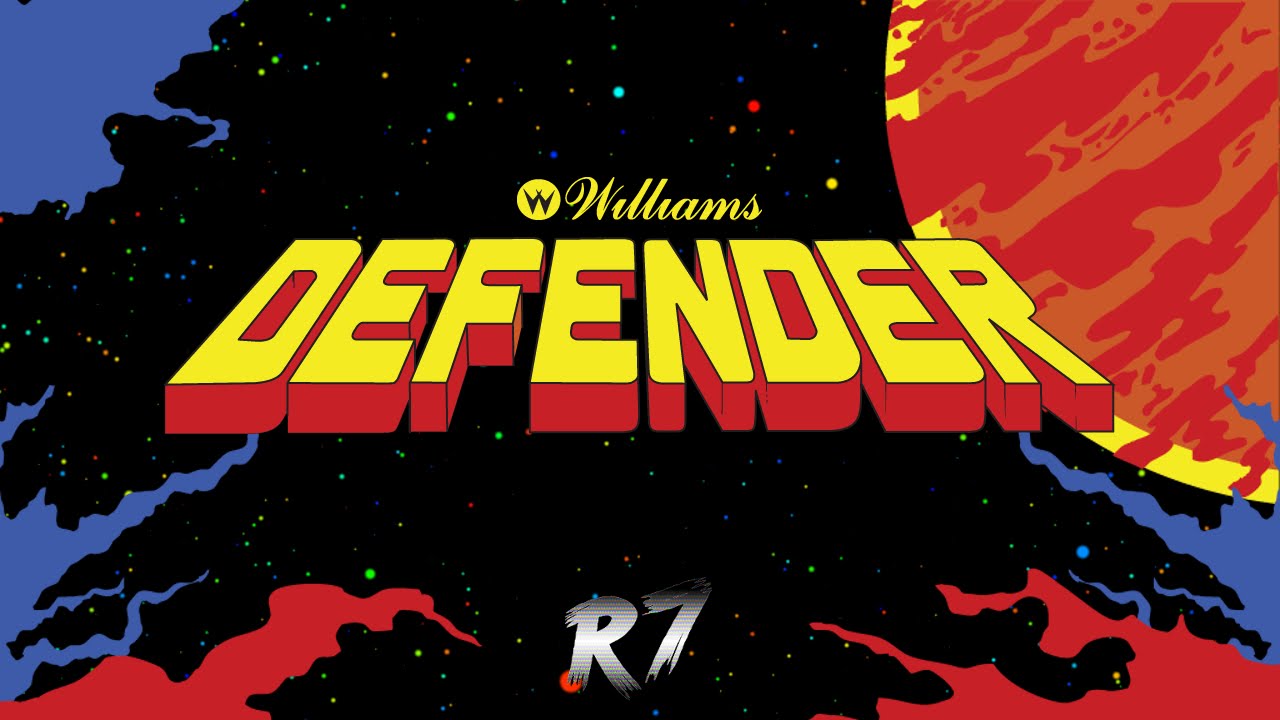
Defender is one of the most important arcade games of all time, but in 2026, you’ll have a hard time playing it legally. Released in February 1981 by pinball company Williams Electronics, it was a big risk for the company. But programmers Eugene Jarvis and Larry DeMar were confident that Defender could sell well, and the gamble paid off massively.
It became one of the first arcade games to sell roughly 60,000 units, an unheard-of figure for a video game around that time. With its five-button control scheme and brutal difficulty, Defender supercharged the ‘one more go’ feeling that Space Invaders began a decade earlier.
But with game preservation increasingly becoming an important aspect in the industry, Defender seems to be a fading memory for older players, as well as an unknown game for younger ones. As Defender passes its 45 year anniversary, here’s why this pioneering space game needs to be preserved and remembered.
Article continues below
Like Pain? You’ll Love Defender
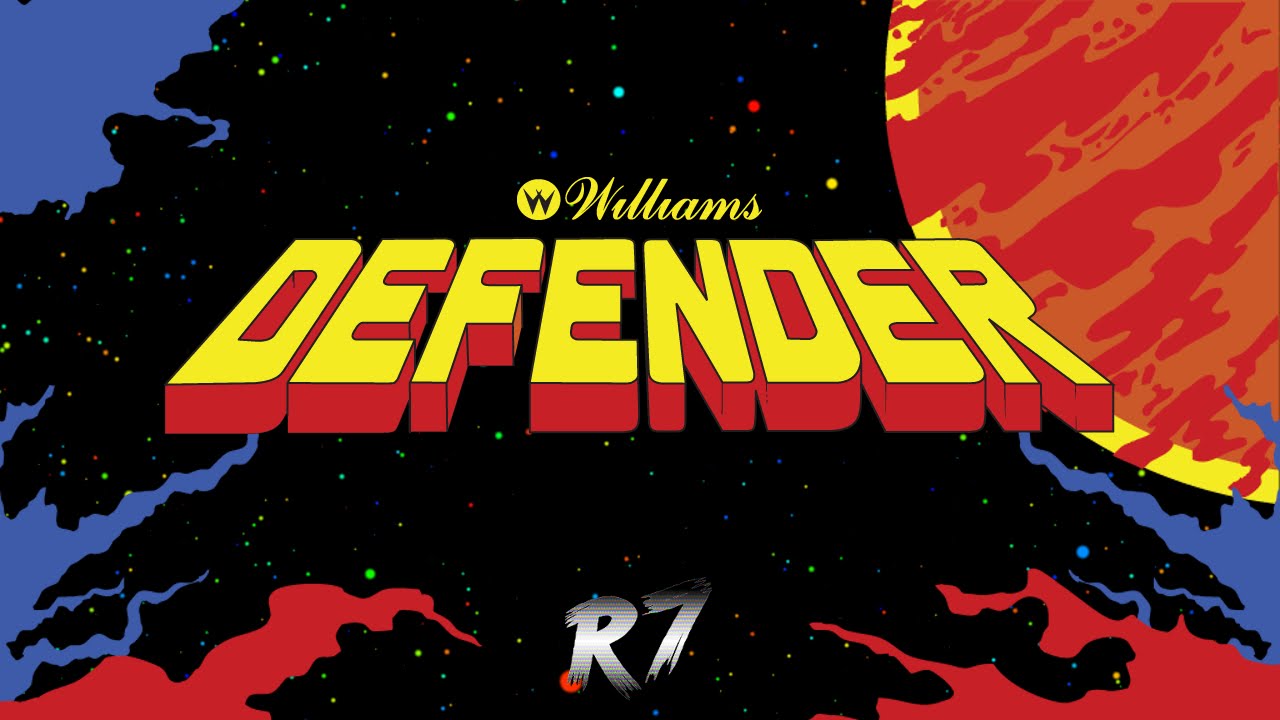
In 1981, arcades were just becoming mainstream. 1978’s Space Invaders had arguably created the scene, but it would take a few more years until other games appeared and players started gathering around a machine to see who could get the new high score. Defender was indeed that game, taking players to the limit in how far their one credit could stretch… or many more credits, if they could afford it.
25 cents was the cost of one go for Defender. In 2026, that’s unheard of. Even ten years later, in 1991, when Capcom’s Street Fighter II debuted in arcades,the price of admission was 50 cents. But the name of the game with Defender was its challenge. You would fly up and down, shoot and avoid as many aliens as possible with the aid of the radar at the top that could pre-warn you about upcoming enemies. But the inevitability of destruction would soon come and your ship would crash, ending your turn. Game over, please deposit 25 cents.
Yet it was the ‘one more go’ factor that made the game shine. Even for 1981, Defender featured impressive graphics by using ghosting effects to its advantage. This meant that watching your ship blast across the screen — as well as the aliens appearing at random intervals — hit harder for players, ramping up the tension and, ultimately, the fun.
Defender was a huge success for Williams, and a sequel was released the same year, called Stargate. Improvements included plenty of new alien ships to battle, as well as an invincibility ability for your ship to make the levels slightly less challenging. It was the better game to be sure, but it’s Defender that many remember more vividly.
Defending the Future

Defender is a great example of a game that was created just for fun — not for spreadsheets, and not to fulfill a financial calendar. It exists because two employees at Williams simply decided that it’d be fun to do, and everyone there reaped the rewards when Defender arrived in the arcades.
But fast forward to 2026, and arcades are slowly dying. Despite a slight growth in 2024, there are only around 9,300 arcades available to visit worldwide. This means that the awe and wonder of seeing a game like retro game Defender, or a modern equivalent, in an arcade in 2026 is incredibly rare.
In the years since, there have been plenty of space games that have managed to unearth that ‘one more go’ feeling, with hits like FTL: Faster than Light and Everspace expanding the concept out into the rogue-like genre. Even others like Star Trek: Bridge Crew, which introduced collaboration via VR headsets, opened up a whole new way to battle against aliens in space. But ultimately, they owe a lot of their heritage to Defender.
A Jump Back To Hyperspace

Defender is a paradox in some ways. It’s a given that the game is one of the best arcade titles of all time, and it defined much of the ‘one more go’ appeal worldwide. But in 2026, it can be a difficult game to play, legally. The most recent release that included Defender, and its sequel, Stargate, was 2013’s Midway Arcade Origins for PlayStation 3 and Xbox 360, which works on a modern Xbox Series X|S console via backwards compatibility.
But on any other console or platform, you’re out of luck, which is a big shame. Recently, we’ve seen some impressive collections, such as Digital Eclipse’s Mortal Kombat: Legacy Kollection which features a bunch of titles from the series, emulated to a high standard, as well as Tetris Forever. To see a new collection featuring early arcade games from the 1980s, with Defender as its jewel, would be a fantastic way to honor its 50th anniversary in 2031.
Alongside making it available on modern consoles and PC, a re-release could bundle in developer interviews, bonus features, and infinite credits to give this gaming legend a whole new lease on life. 2031 is when Defender reaches its 50th anniversary — a huge milestone for any game — and that could be a perfect time to see a new collection.

As things stand in 2026, if you’re not an Xbox gamer, then your best bet is to look on eBay and bid on handheld versions or buy one of the mini Arcade machine versions from Amazon, but it’s not the same.
Defender is one of the best arcade shooters of all time; a defining entry in the pantheon of space games, and for good reason. The intense challenge, impressive graphics, and ‘one more go’ gameplay defined the arcade gaming boom of the 1980s. For game preservation purposes, Defender deserves to return someday in a new collection.
But for now, we’re looking back fondly on a gaming icon that attracted countless new players into the arcades, showing them what a space shooter could be capable of, and all for just 25 cents.










Related Posts

Stay Informed With the Latest & Most Important News




Advertisement
-
 01Two Black Holes Observed Circling Each Other for the First Time
 -
 02From Polymerization-Enabled Folding and Assembly to Chemical Evolution: Key Processes for Emergence of Functional Polymers in the Origin of Life
 -
 03Astronomy 101: From the Sun and Moon to Wormholes and Warp Drive, Key Theories, Discoveries, and Facts about the Universe (The Adams 101 Series)
 -
 04True Anomaly hires former York Space executive as chief operating officer
 -
 05Φsat-2 begins science phase for AI Earth images
 -
 06Hurricane forecasters are losing 3 key satellites ahead of peak storm season − a meteorologist explains why it matters
 -
 07Binary star systems are complex astronomical objects − a new AI approach could pin down their properties quickly