
Now Reading: Defending NASA science in the face of sweeping budget cuts
-
01
Defending NASA science in the face of sweeping budget cuts


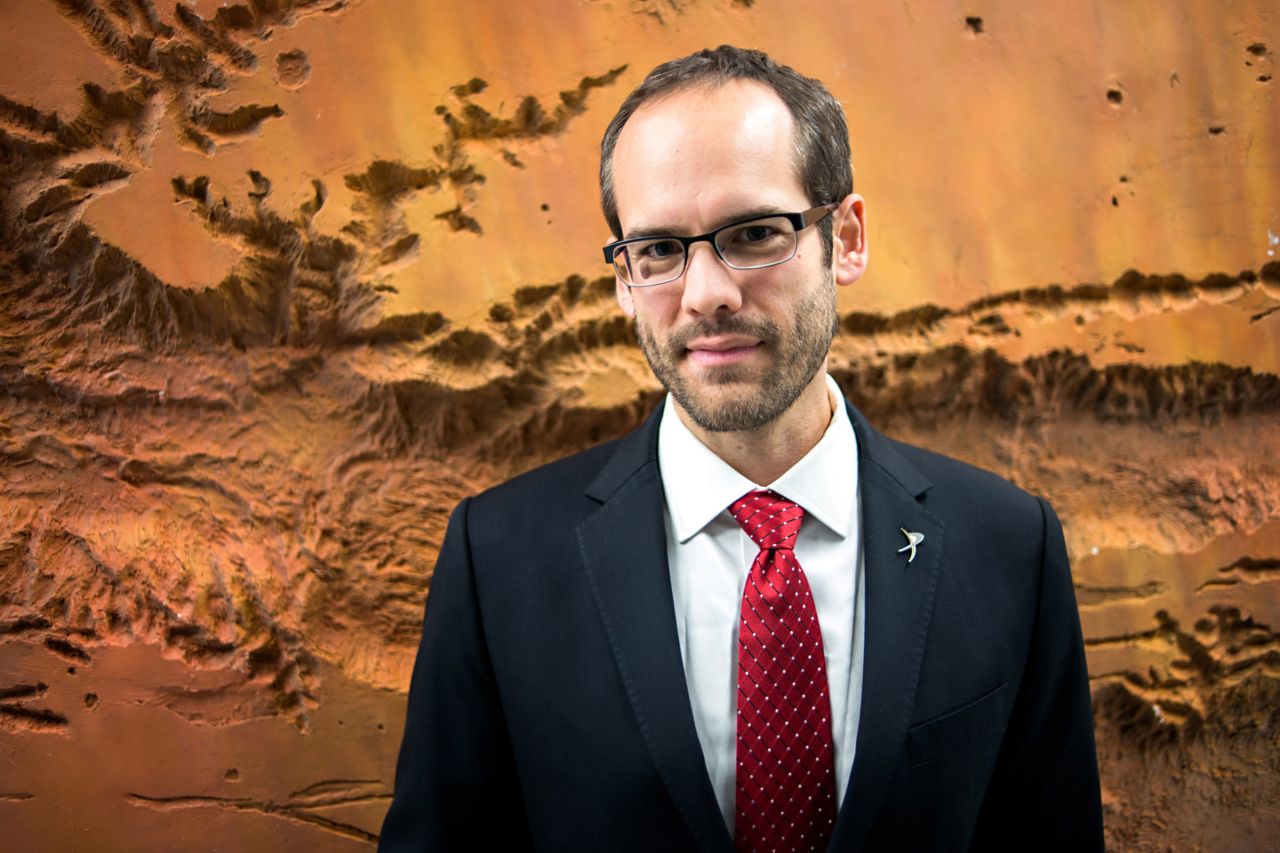

Each year, SpaceNews selects the people, programs and technologies that have most influenced the direction of the space industry in the past year. Started in 2017, our annual celebration recognizes outsized achievements in a business in which no ambition feels unattainable. This year’s winners of the 8th annual SpaceNews Icon Awards were announced and celebrated at a Dec. 2 ceremony hosted at the Johns Hopkins University Bloomberg Center in Washington, D.C. Congratulations to all of the winners and finalists.
A new administration brings with it change and uncertainty, but that upheaval was amplified this year as the second Trump administration began. A flurry of executive orders as well as cost-cutting moves by the White House’s Department of Government Efficiency (DOGE) created confusion about the status of some programs and grants. By May, that uncertainty turned to dread as the administration released its proposed budget for fiscal year 2026, one that featured steep cuts at NASA and other science agencies.
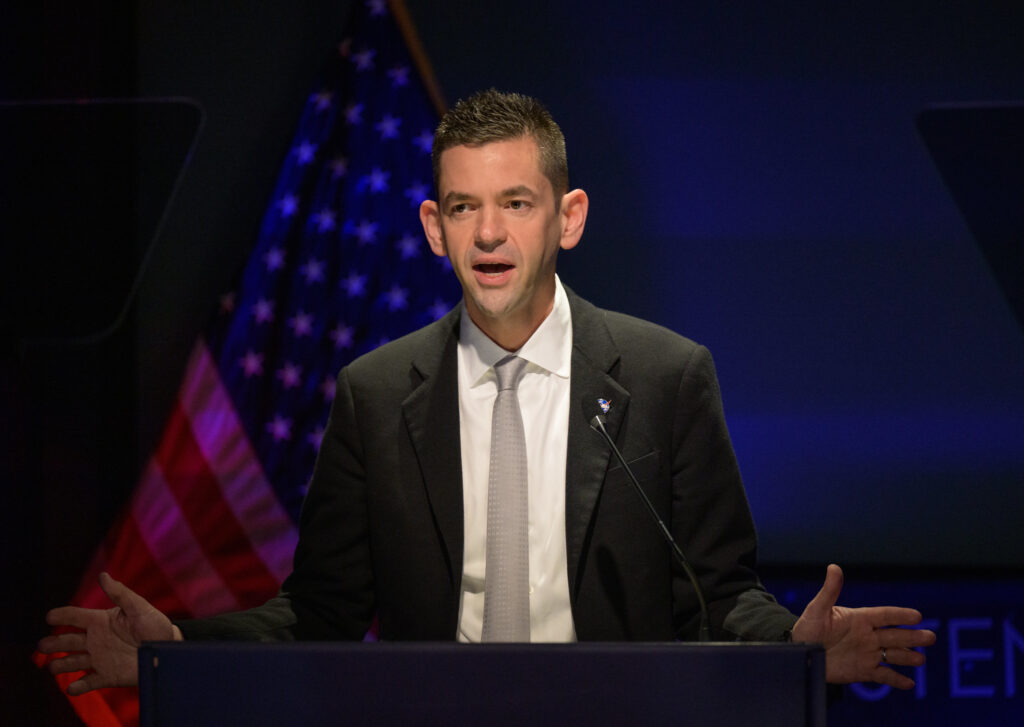
That’s where Casey Dreier of The Planetary Society stepped in. The 45-year-old organization has its roots in another existential crisis for NASA, having been established when proposed budget cuts in the early 1980s threatened the future of planetary exploration. As chief of space policy of the non-profit, Dreier has been leading its efforts to halt the latest proposed cuts to NASA’s budget, particularly in science.
What makes his work stand out is the unmatched data-driven nature of his advocacy. When DOGE announced in March that it was cutting $420 million in “unneeded contracts” at NASA but provided no details, Dreier started tracking cancellations as reported in various federal databases. He eventually identified about $315 million in grants and contracts that were affected, categorizing the impacts on a district-by-district basis.
Similarly, when NASA released its detailed fiscal year 2026 budget request in May, Dreier was able to quickly catalog the proposed cuts and catalog the missions facing cancellation, sharing that information with reporters and the public. Dreier maintains detailed historical data on NASA’s budget that illustrated the magnitude of the proposed cuts, including how they would leave NASA with its smallest overall budget since 1961 when adjusted for inflation, and the smallest science budget since 1984. The same data also showed the cuts would result in the smallest NASA workforce since 1960.
All of these numbers are coupled with more traditional advocacy. In October, nearly 300 people came to Capitol Hill for a “Save NASA Science Day of Action” organized by the society, meeting with congressional staff to discuss the proposed budget and its effects on NASA science. Those meetings attracted media attention, amplified by the presence of The Planetary Society’s CEO, Bill Nye of “Bill Nye the Science Guy” fame.
Has that effort been effective? As of mid-November, Congress had yet to pass a fiscal year 2026 budget to fund NASA, but bills pending in the House and Senate largely reject the White House’s proposal, keeping science either at its fiscal 2025 level or with a smaller cut. If those budget numbers hold up, one reason may be the advocacy that organizations like The Planetary Society have performed, backed by the data and analysis from Dreier.
This article first appeared in the December 2025 issue of SpaceNews Magazine.










Related Posts

Stay Informed With the Latest & Most Important News
Previous Post
Next Post






Advertisement
-
 01Two Black Holes Observed Circling Each Other for the First Time
 -
 02From Polymerization-Enabled Folding and Assembly to Chemical Evolution: Key Processes for Emergence of Functional Polymers in the Origin of Life
 -
 03Astronomy 101: From the Sun and Moon to Wormholes and Warp Drive, Key Theories, Discoveries, and Facts about the Universe (The Adams 101 Series)
 -
 04True Anomaly hires former York Space executive as chief operating officer
 -
 05Φsat-2 begins science phase for AI Earth images
 -
 06Hurricane forecasters are losing 3 key satellites ahead of peak storm season − a meteorologist explains why it matters
 -
 07Binary star systems are complex astronomical objects − a new AI approach could pin down their properties quickly