
Now Reading: ESA Launches Two Satellites to improve Navigation Capabilities with Celeste Mission
-
01
ESA Launches Two Satellites to improve Navigation Capabilities with Celeste Mission

ESA Launches Two Satellites to improve Navigation Capabilities with Celeste Mission

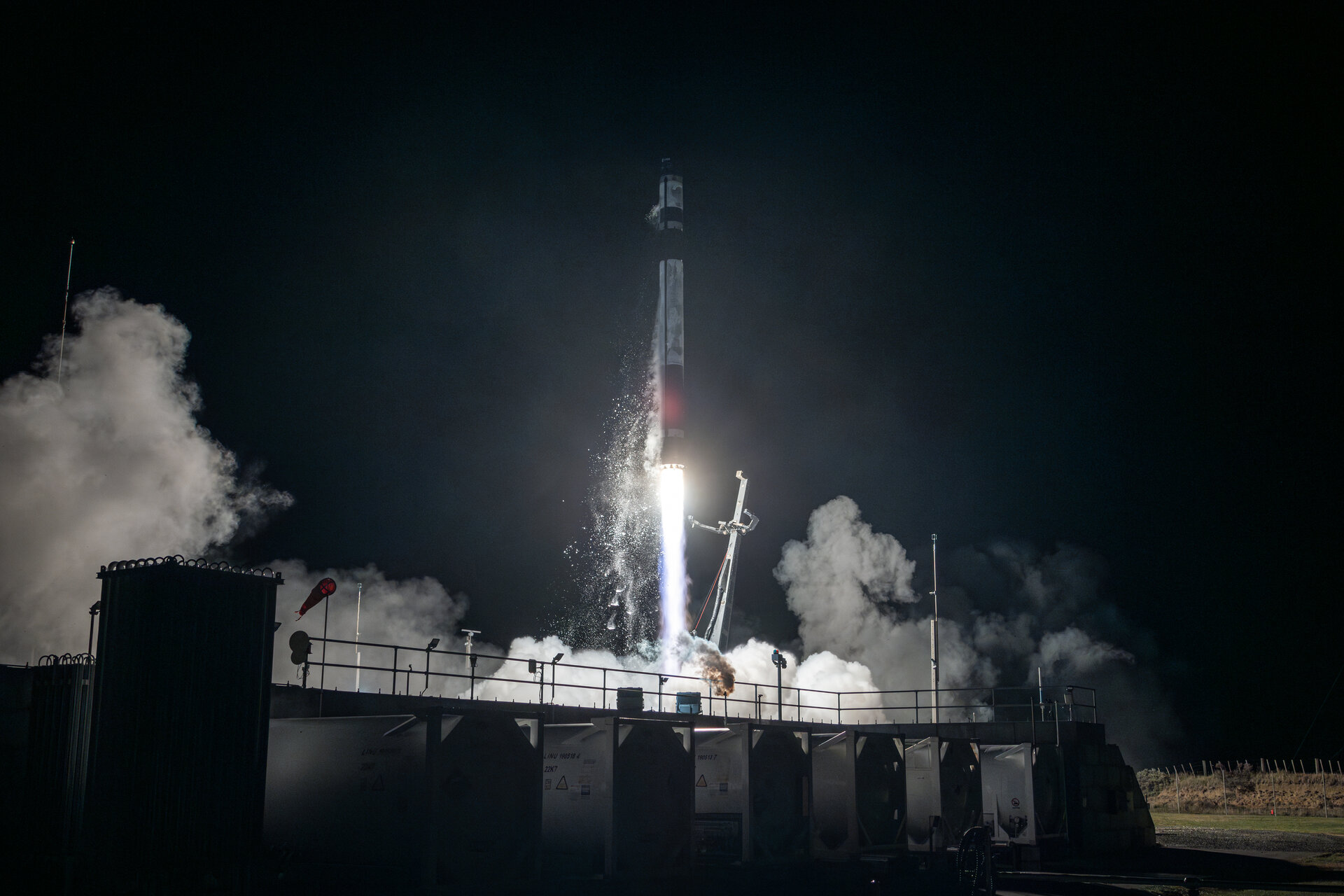

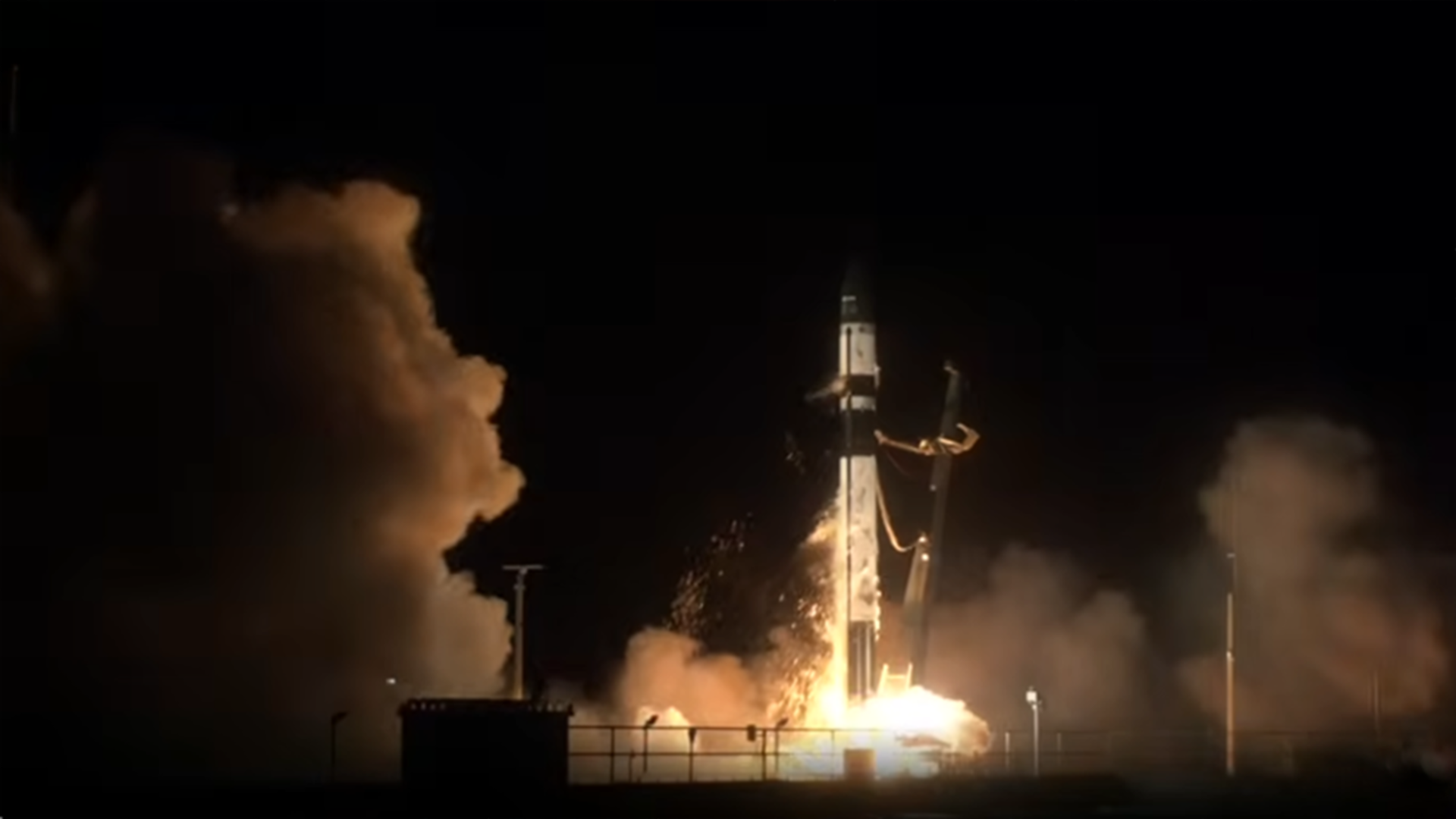
On March 28, 2026, the European Space Agency (ESA) marked a significant advancement in its satellite navigation initiatives as it successfully launched two satellites for the Celeste in-orbit demonstration mission from New Zealand aboard Rocket Lab’s Electron rocket. This mission aims to test a supplementary low Earth orbit (LEO) layer intended to enhance the capabilities of the existing Galileo system.
The twin satellites, developed by GMV and Thales Alenia Space, were launched at 10:14 CET and separated from the rocket approximately an hour post-liftoff. Following their deployment, the satellites entered an early operational phase, during which mission control will prepare them for functionality in orbit. The primary objective of this mission is to validate crucial technologies and introduce new signals and service capabilities. These satellites will use both L-band and S-band frequencies in compliance with regulations set by the International Telecommunication Union. The mission is slated for further expansion in 2027, when additional launches are expected to complete the constellation with an overall 11 satellites, facilitating diverse experimentation opportunities across a range of frequency bands and user environments.
ESA Director General Josef Aschbacher emphasized the innovative spirit of the Celeste mission, stating it explores how a LEO constellation can complement Europe’s current medium Earth orbit Galileo system. He noted that Celeste represents ESA’s commitment to a New Space approach, which allows for more rapid and flexible satellite deployment, thereby keeping Europe at the forefront of satellite navigation advancements. Francisco-Javier Benedicto Ruiz, ESA’s Director of Navigation, underscored the importance of satellite navigation technologies in modern society, stating that Galileo and EGNOS have become critical components for economic growth and national security. He added that the Celeste mission aims to improve these systems, making them more robust and capable of delivering new services.
Positioned closer to the Earth, the Celeste satellites promise improved signal robustness and new frequency options. They will serve as a testing platform for a variety of applications, including advanced navigation for autonomous vehicles, augmented services for aviation, maritime and railway sectors, greater reliability in urban areas and remote regions, and enhanced emergency services communication during crises, among others. The ongoing in-orbit demonstration phase, supported by ESA Member States, will help validate these technologies and build the necessary infrastructure for future operational navigation services.
The Celeste mission, which focuses on low Earth orbit Positioning, Navigation, and Timing (PNT) capabilities, is in its demonstration phase with plans for a full constellation of 11 satellites, set to probe innovative signals across multiple frequencies. Its purpose is to pioneer satellite navigation concepts that ensure resilient positioning and timing services. Celeste was initially approved during ESA’s Council at Ministerial Level in 2022 and received further support for its next phase in 2025. The initiative also plays an integral role in ESA’s broader European Resilience from Space program, aimed at addressing critical security challenges and laying the foundation for future strategic space capabilities in Europe.










Related Posts
Stay Informed With the Latest & Most Important News
Previous Post
Next Post
Previous Post
Next Post

Advertisement
-
 01Two Black Holes Observed Circling Each Other for the First Time
 -
 02From Polymerization-Enabled Folding and Assembly to Chemical Evolution: Key Processes for Emergence of Functional Polymers in the Origin of Life
 -
 03Astronomy 101: From the Sun and Moon to Wormholes and Warp Drive, Key Theories, Discoveries, and Facts about the Universe (The Adams 101 Series)
 -
 04True Anomaly hires former York Space executive as chief operating officer
 -
 05Φsat-2 begins science phase for AI Earth images
 -
 06Hurricane forecasters are losing 3 key satellites ahead of peak storm season − a meteorologist explains why it matters
 -
 07Binary star systems are complex astronomical objects − a new AI approach could pin down their properties quickly