
Now Reading: Europe plans EPIC SpaceX mission to send 4 astronauts to the ISS before its retirement
-
01
Europe plans EPIC SpaceX mission to send 4 astronauts to the ISS before its retirement

Europe plans EPIC SpaceX mission to send 4 astronauts to the ISS before its retirement

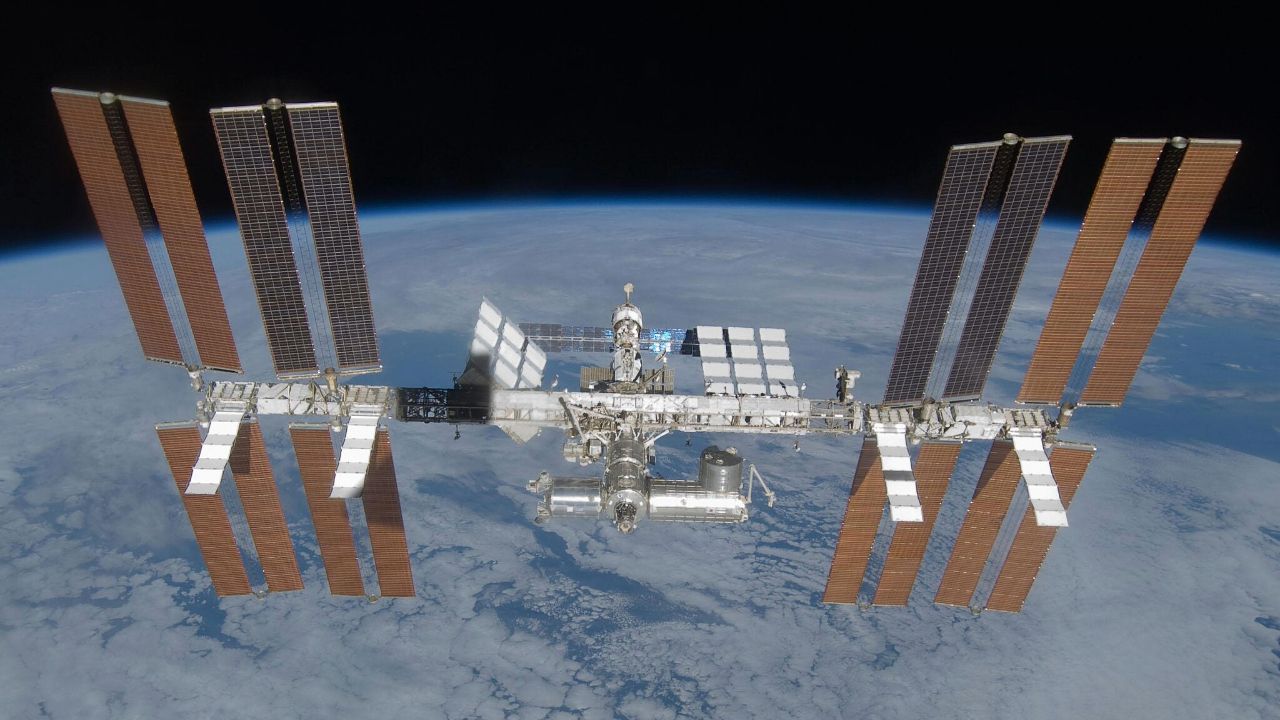
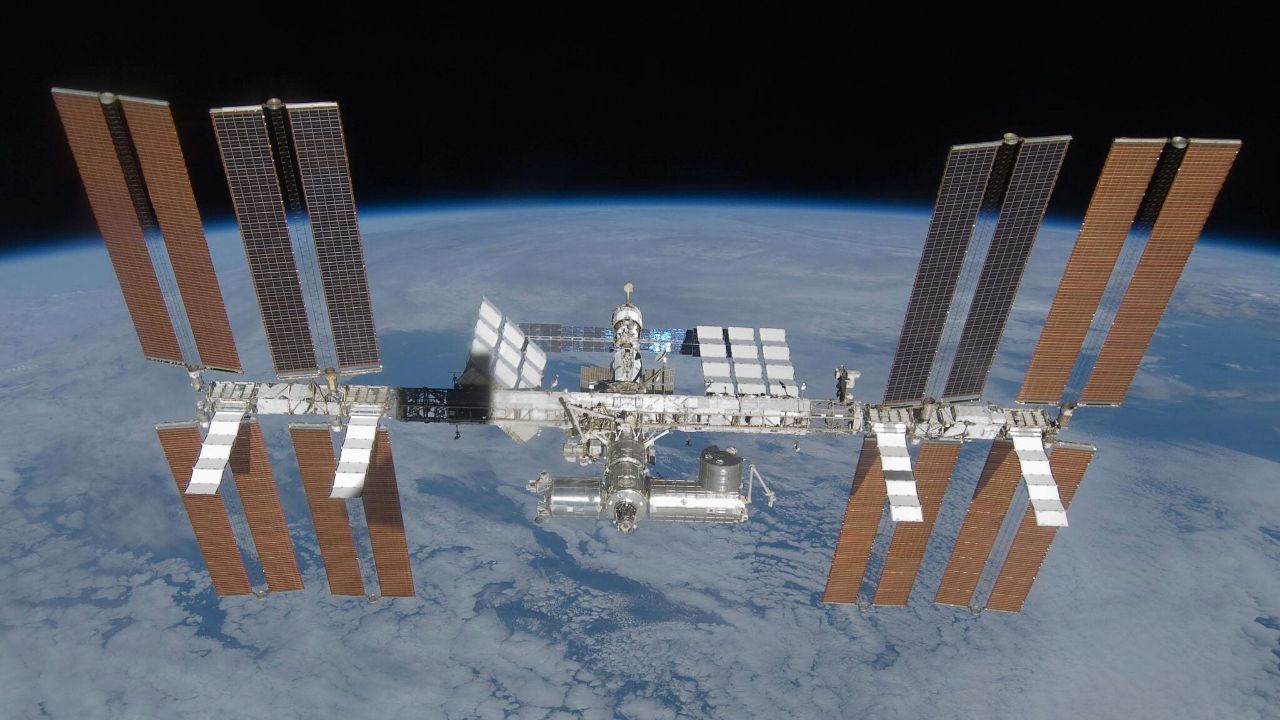
The European Space Agency is planning to buy a dedicated SpaceX Crew Dragon mission to send its astronauts to the International Space Station to boost their time and experience in space.
European Space Agency (ESA) Director General Josef Aschbacher announced the plan to charter a SpaceX Crew Dragon spacecraft on March 19, following a decision at an ESA Council meeting in Interlaken, Switzerland. The ESA Provided Institutional Crew (EPIC) project is planned to launch in early 2028 with the aim of providing more opportunities for the agency’s astronauts to get to space before the International Space Station is retired, SpaceNews reported.
Article continues below
The move would create new opportunities for Europe’s astronauts before the International Space Station (ISS) is retired. As European Spaceflight reported, ESA unveiled its latest group of five career astronauts in November 2022, but has only secured long-duration flights to the ISS for two of the five, including Sophie Adenot, who is currently aboard the space station as part of SpaceX’s Crew-12 mission.
The mission will likely include international astronauts, not just those from ESA, however.
“ESA will buy launch capability for four professional astronauts,” Aschbacher said. “We plan to implement this with international partners. That means ESA astronauts plus international partners.” He added that ESA will work closely with NASA, but ESA will lead and fully operate the mission.
Daniel Neuenschwander, ESA’s Director of Human and Robotic Exploration, stated that EPIC would not be similar to recent, short-term private missions to the ISS. The selected EPIC crew will be career astronauts who will spend around one month in orbit. They will conduct research and utilization activities aboard the ISS, but they will also participate in maintenance and repair and support logistics operations. Private astronauts typically focus on research activities and the missions have lasted around two weeks on average.
The ISS is currently scheduled to be deorbited in 2030, by which time it will have been permanently occupied for 30 years. However, a number of U.S. senators are calling for the lifetime of the ISS to be extended two years to September 2032, aiming to avoid a gap in continuous U.S. human presence in low Earth orbit and thus “avoiding ceding leadership to China before commercial stations are ready.”










Related Posts


Stay Informed With the Latest & Most Important News
Previous Post
Next Post




Advertisement
-
 01Two Black Holes Observed Circling Each Other for the First Time
 -
 02From Polymerization-Enabled Folding and Assembly to Chemical Evolution: Key Processes for Emergence of Functional Polymers in the Origin of Life
 -
 03Astronomy 101: From the Sun and Moon to Wormholes and Warp Drive, Key Theories, Discoveries, and Facts about the Universe (The Adams 101 Series)
 -
 04True Anomaly hires former York Space executive as chief operating officer
 -
 05Φsat-2 begins science phase for AI Earth images
 -
 06Hurricane forecasters are losing 3 key satellites ahead of peak storm season − a meteorologist explains why it matters
 -
 07Binary star systems are complex astronomical objects − a new AI approach could pin down their properties quickly