
Now Reading: French startup Latitude prepares to launch Zephyr rocket in bid to dominate small satellite market
-
01
French startup Latitude prepares to launch Zephyr rocket in bid to dominate small satellite market

French startup Latitude prepares to launch Zephyr rocket in bid to dominate small satellite market

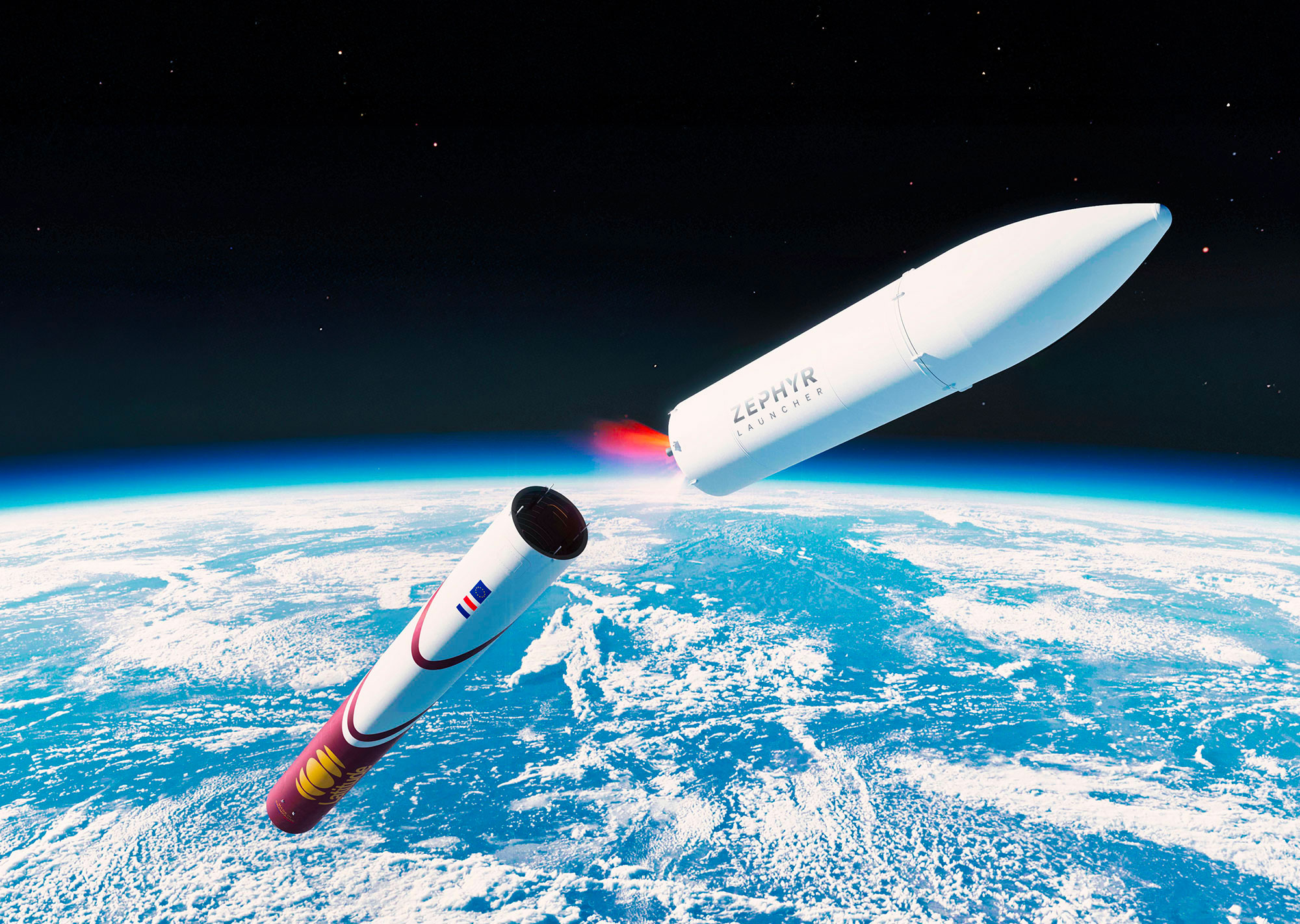

French startup Latitude is aiming to launch its Zephyr rocket within the next 18 months as it seeks to establish a foothold in Europe’s small satellite launch market. The company is prioritizing speed and manufacturing efficiency over reusability, positioning itself to meet the rising demands of satellite operators.
Stanislas Maximin, the founder and executive chairman of Latitude, shared insights on the company’s development and strategy during an interview with NASA Spaceflight’s “Europe’s Future in Space” series. At the Reims factory, where components for the Zephyr are being assembled, Maximin articulated a pragmatic business approach centered on addressing customer needs first and crafting technical solutions in response.
With the small satellite sector primarily served by SpaceX’s rideshare options, which often come with extensive wait times, Latitude is working to provide a dedicated launch solution tailored to smaller payloads. “We do not make a rocket to make rockets,” Maximin said, highlighting that the ultimate goal is delivering a reliable service over the specifics of the rocket design.
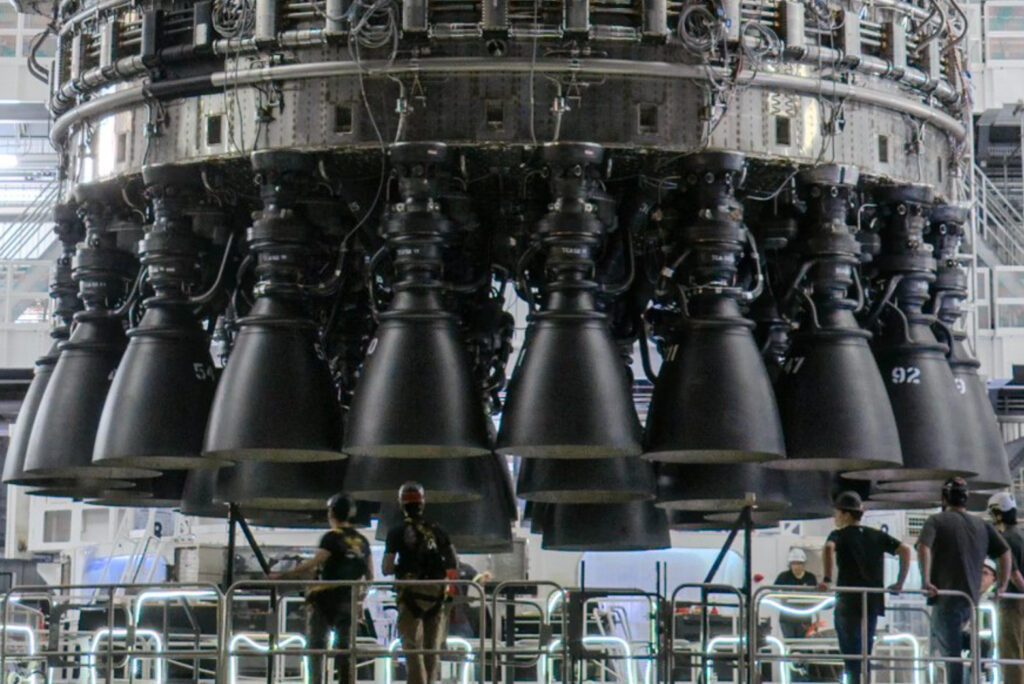
The Zephyr, standing at 20 meters tall, is engineered to carry up to 200 kilograms into low-Earth orbit at competitive pricing. The rocket targets constellation operators seeking timely orbital deployments, emphasizing the importance of speed to market alongside cost efficiency. The Zephyr is built with a full-aluminum structure and powered by seven engines on its first stage, featuring one vacuum-optimized engine on its second stage. Notably, the engines are 3D-printed using Inconel 718, primarily sourced from turbopump components.
Maximin noted the advantages of using aluminum over carbon fiber, despite the former’s lesser performance. He explained that improving engine efficiency is less costly than investing in carbon fiber alternatives, signifying a conscious commitment to value for your money engineering design.
In opting against first-stage reusability for the Zephyr, Latitude has conducted an economic analysis that suggests such a feature is not financially feasible for rockets of this class. Maximin pointed to the cessation of Rocket Lab’s reusability program as additional commentary on its profitability. Looking ahead, the possibility of reusability for larger future vehicles remains open, with capacity thresholds that might make it viable.
Operationally, Latitude is maximizing its testing capabilities at a repurposed NATO airbase nearby, with multiple test stands and facilities under development. This infrastructure enables rapid iteration in engine design and testing. In the past six months alone, the company has tested approximately 10 thrust chambers—dramatically reducing timelines that once took years.
As the company prepares for its initial flight, which it anticipates will focus on data collection rather than achieving orbit, the integration of both first and second-stage engines is in progress, with significant construction currently underway at their Reims facility.
Latitude has chosen the Guiana Space Centre as the site for its inaugural launch, investing €8 million into infrastructure at the ELM-Diamant multi-user facility. The simple design of the Soyuz-style launch pad is intended to streamline maintenance.
In pursuit of its goal of 50 launches annually by the year 2030, Latitude plans to expand to at least two launch sites, with a second location announcement expected early next year. Maximin candidly assessed the landscape for aerospace ventures in Europe, acknowledging the challenges posed by a risk-averse culture rather than overwhelming bureaucracy. He expressed optimism about recent shifts in how European institutions, including the French space agency CNES, are fostering support for NewSpace firms.
Despite the competitive environment, Latitude has already secured substantial funding—nearly $55 million to date—and anticipates achieving profitability with just a fraction of launches. The company estimates that it could tap into a market of approximately 120 dedicated small satellite launches by 2029, a target Maximin describes as realistic given current industry trends.
Emphasizing a commitment to its immediate objectives, Latitude is currently focused on facilitating the Zephyr’s readiness for launch and ensuring its profitability thereafter. Recently, the company has made strides in expanding its production capabilities by acquiring a former AstraZeneca facility, which will be transformed into a substantial rocket manufacturing site. Additionally, it has signed an agreement with German space logistics firm ATMOS for at least five dedicated launches annually from 2028 to 2032, with CNES identified as the first commercial customer for the Zephyr’s inaugural flight in 2026.
As Europe pushes forward with its independent space ambitions, Latitude exemplifies the belief that market-driven approaches can thrive in this evolving sector, with the Zephyr’s imminent flight serving as a test of its production-focused strategy.










Related Posts


Stay Informed With the Latest & Most Important News
Previous Post
Next Post




Advertisement
-
 01Two Black Holes Observed Circling Each Other for the First Time
 -
 02From Polymerization-Enabled Folding and Assembly to Chemical Evolution: Key Processes for Emergence of Functional Polymers in the Origin of Life
 -
 03Astronomy 101: From the Sun and Moon to Wormholes and Warp Drive, Key Theories, Discoveries, and Facts about the Universe (The Adams 101 Series)
 -
 04True Anomaly hires former York Space executive as chief operating officer
 -
 05Φsat-2 begins science phase for AI Earth images
 -
 06Hurricane forecasters are losing 3 key satellites ahead of peak storm season − a meteorologist explains why it matters
 -
 07Binary star systems are complex astronomical objects − a new AI approach could pin down their properties quickly