
Now Reading: Hi ya! Hyha
-
01
Hi ya! Hyha


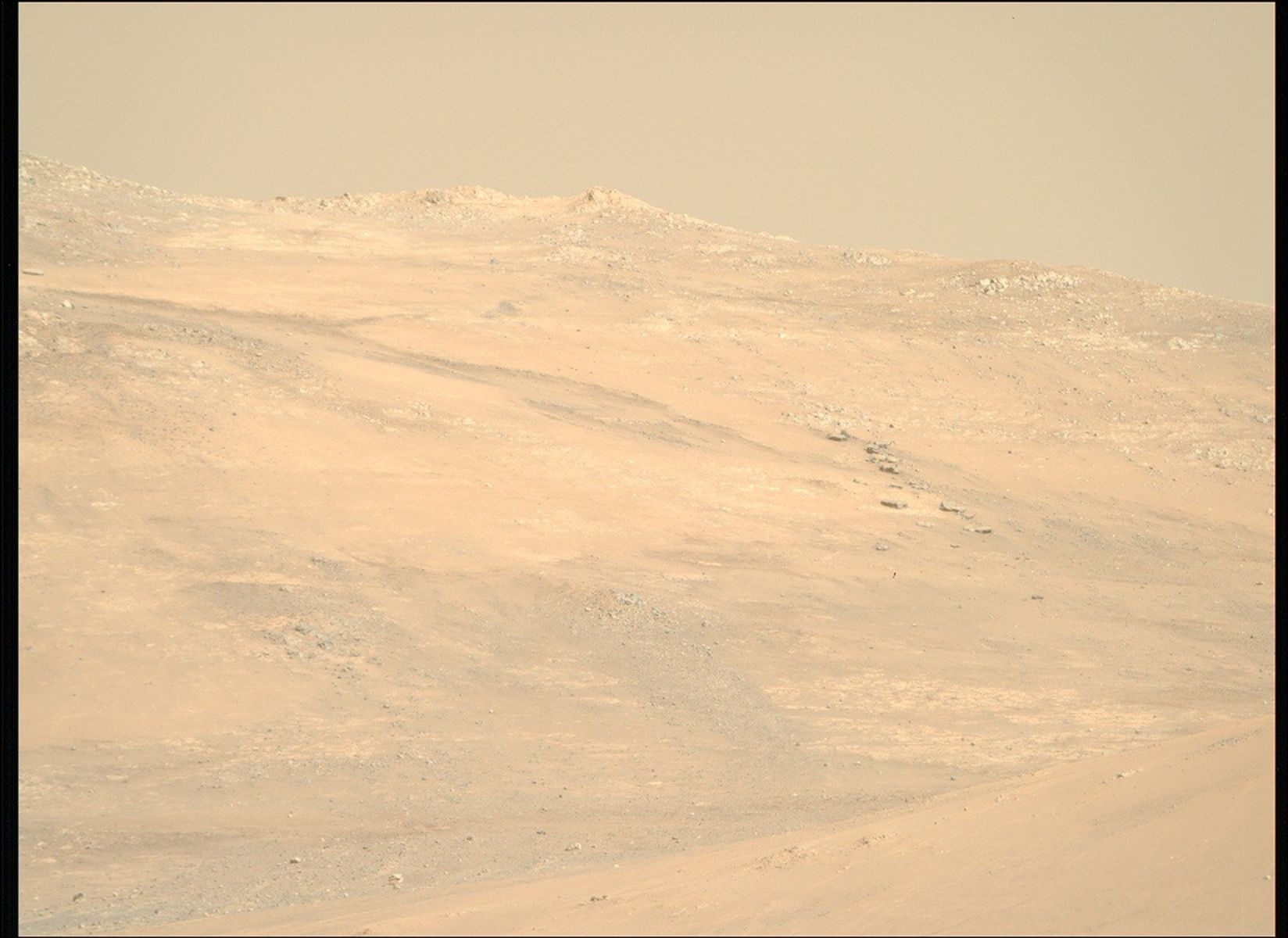
Written by Margaret Deahn, Ph.D. student at Purdue University
NASA’s Mars 2020 rover is currently trekking towards exciting new terrain. After roughly four months of climbing up and over the rim of Jezero crater, the rover is taking a charming tour of the plains just beyond the western crater rim, fittingly named “Lac de Charmes.” This area just beyond Jezero’s rim will be the prime place to search for pre-Jezero ancient bedrock and Jezero impactites — rocks produced or affected by the impact event that created Jezero crater.
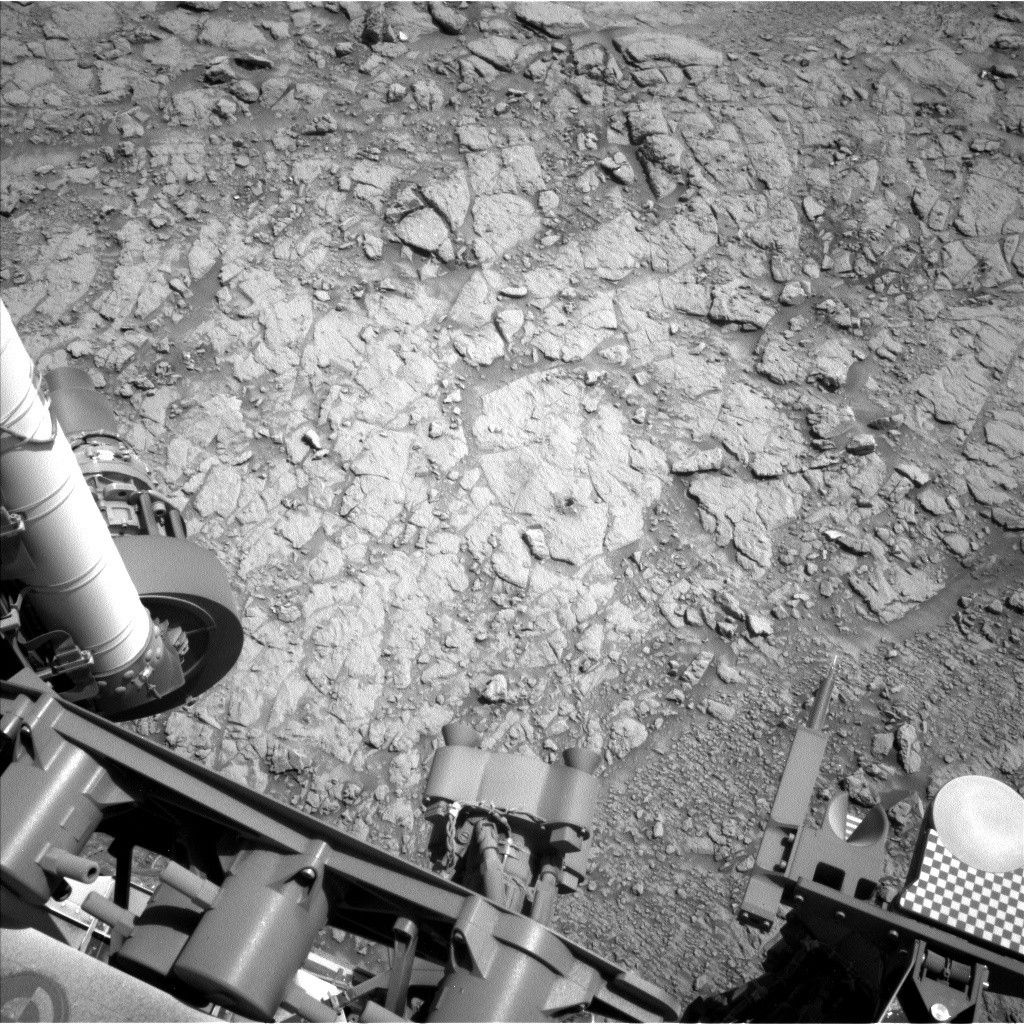
The formation of a complex crater like Jezero is, well… complex. Scientists who study impact craters like to split the formation process into three stages: contact & compression (when the impactor hits), excavation (when materials are thrown out of the crater), and modification (when gravity causes everything to collapse). This process happens incredibly fast, fracturing the impacted rock and even melting some of the target material. Sometimes on Earth, the classic “bowl” shaped crater has been completely weathered and unrecognizable, so geologists are able to identify craters by the remnants of their impactites. Just when you thought it couldn’t get any more complicated — Jezero crater’s rim is located on the rim of another, even bigger basin called Isidis. That means there is an opportunity to have impactites from both cratering events exposed in and just around the rim — some of which could be several billions of years old! We may have already encountered one of these blocks on our trek towards Lac de Charmes. In the foreground of this image taken by the Mastcam-Z instrument on the rover, there is a potential impactite called a “megablock” that the team has named “Hyha.” We can actually see this block from orbit, it is that large! The team is excited to continue exploring these ancient rocks as we take our next steps off Jezero’s rim.

Explore More











Related Posts
Stay Informed With the Latest & Most Important News
Previous Post
Next Post



Advertisement
-
 01Two Black Holes Observed Circling Each Other for the First Time
 -
 02From Polymerization-Enabled Folding and Assembly to Chemical Evolution: Key Processes for Emergence of Functional Polymers in the Origin of Life
 -
 03Astronomy 101: From the Sun and Moon to Wormholes and Warp Drive, Key Theories, Discoveries, and Facts about the Universe (The Adams 101 Series)
 -
 04True Anomaly hires former York Space executive as chief operating officer
 -
 05Φsat-2 begins science phase for AI Earth images
 -
 06Hurricane forecasters are losing 3 key satellites ahead of peak storm season − a meteorologist explains why it matters
 -
 07Binary star systems are complex astronomical objects − a new AI approach could pin down their properties quickly