
Scientists from the Institute of Geology and Geophysics of the Chinese Academy of Sciences (CAS), the CAS Aerospace Information Research Institute, and other institutions, have revised the decades-old lunar crater

Hot Posts1088- Page
Of the seven Earth-sized worlds orbiting the red dwarf star TRAPPIST-1, one planet in particular has attracted the attention of scientists. This planet orbits the star within the “Goldilocks zone”—a
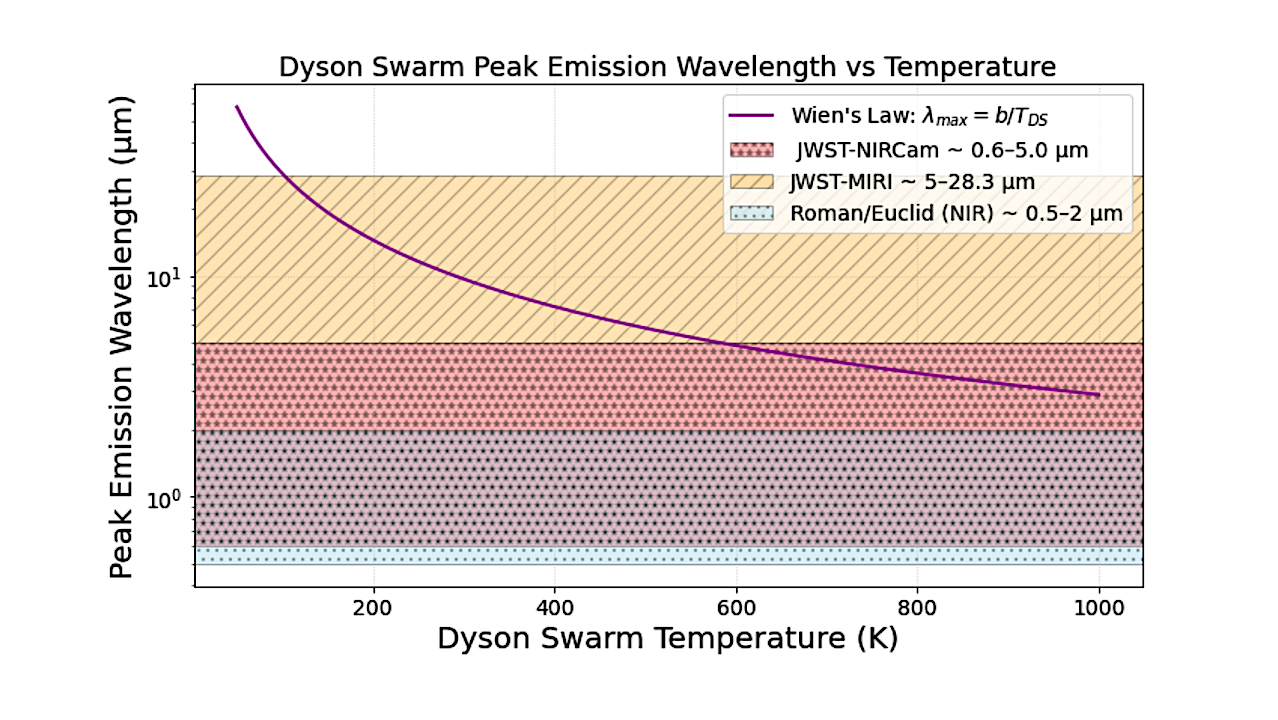
Peak emission wavelength of a Dyson Swarm as a function of swarm temperature, following Wien’s displacement law, λmax = b/TDS. The shaded regions indicate the approximate wavelength coverage of key
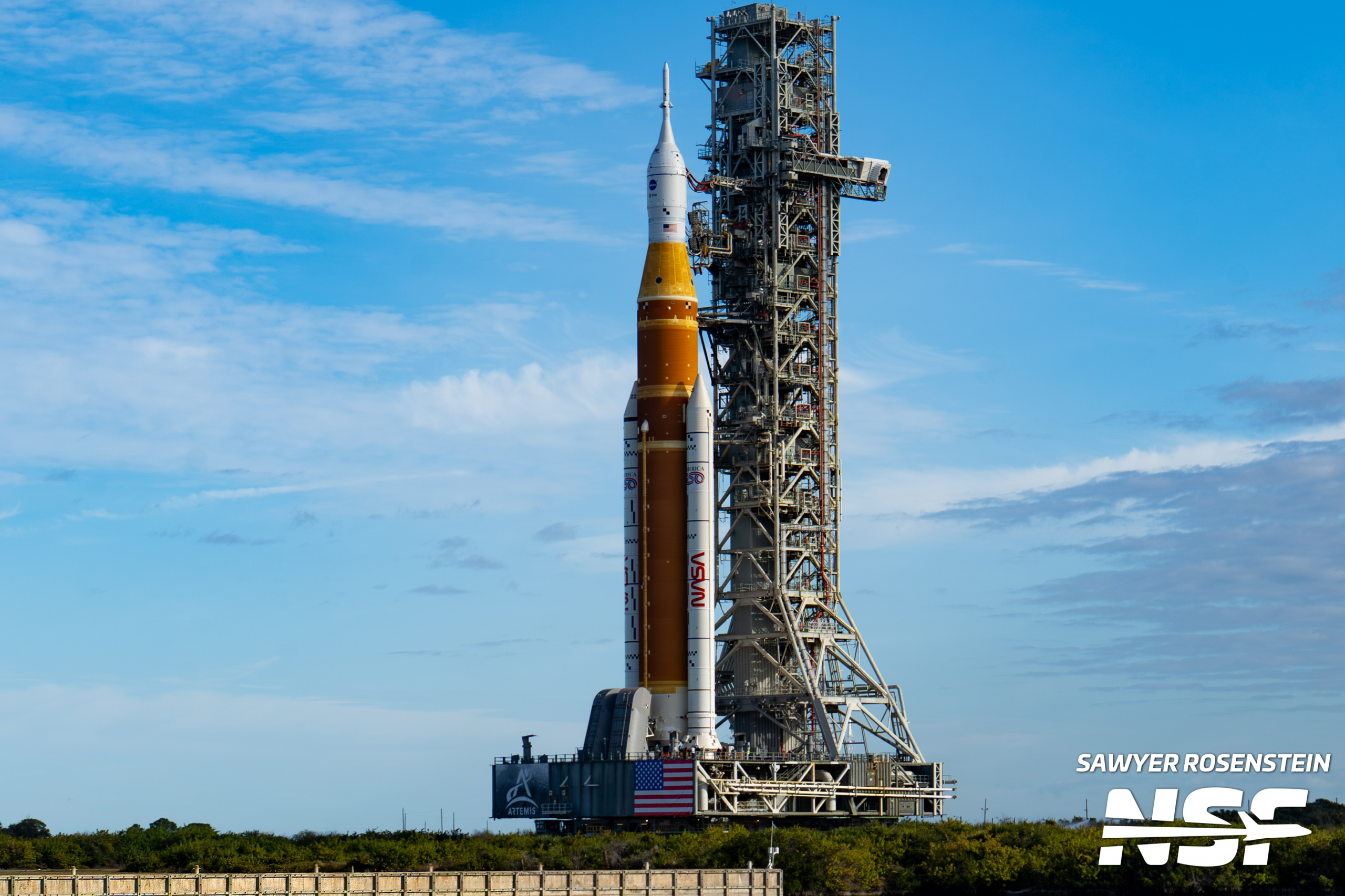
The Artemis II mission is currently facing delays in completing its Wet Dress Rehearsal (WDR) after experiencing multiple setbacks during the terminal countdown on Monday. An initial hydrogen leak emerged
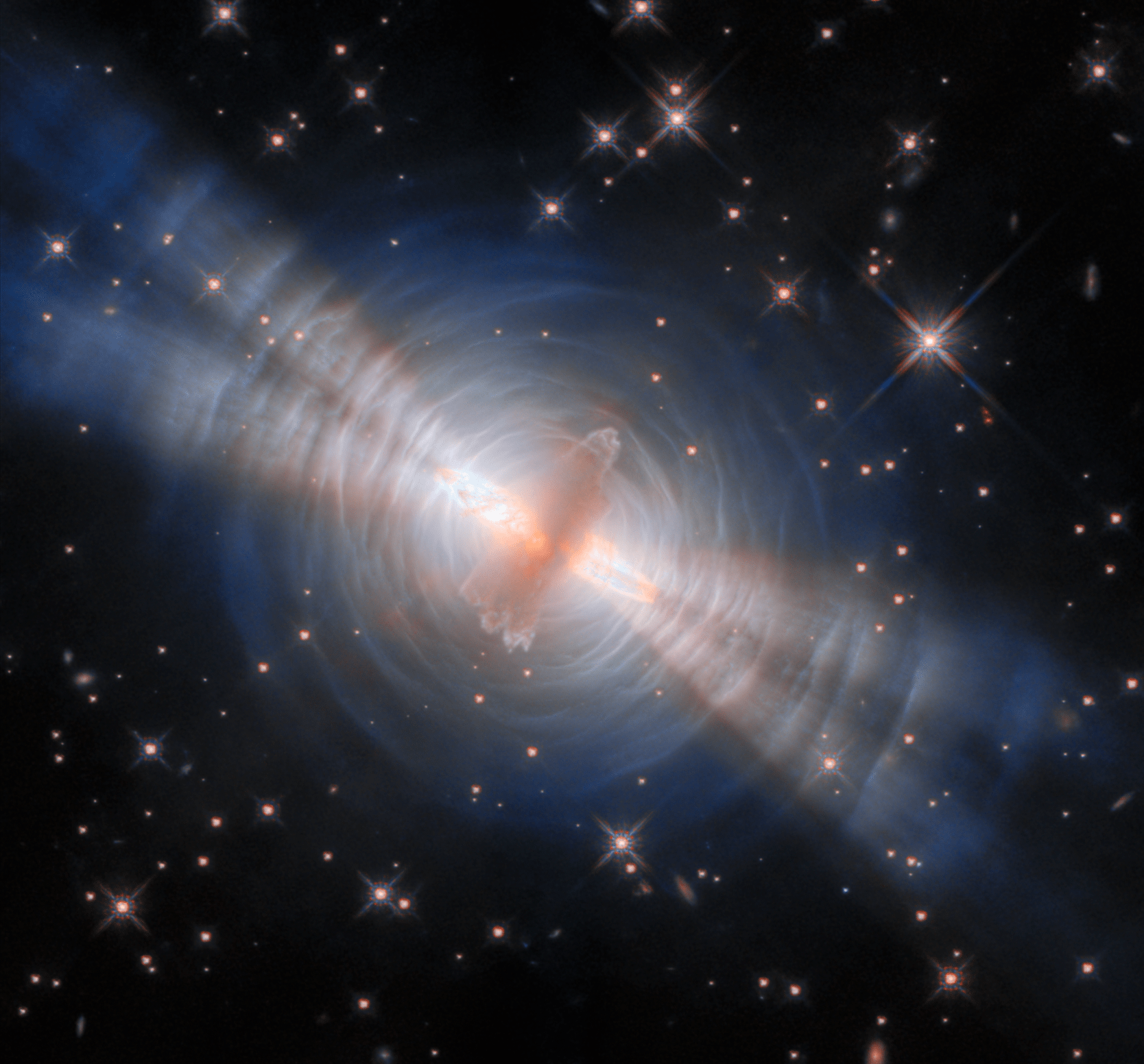
NASA’s Hubble Space Telescope reveals the clearest view yet of the Egg Nebula. This structure of gas and dust was created by a dying, Sun-like star. These newest observations were
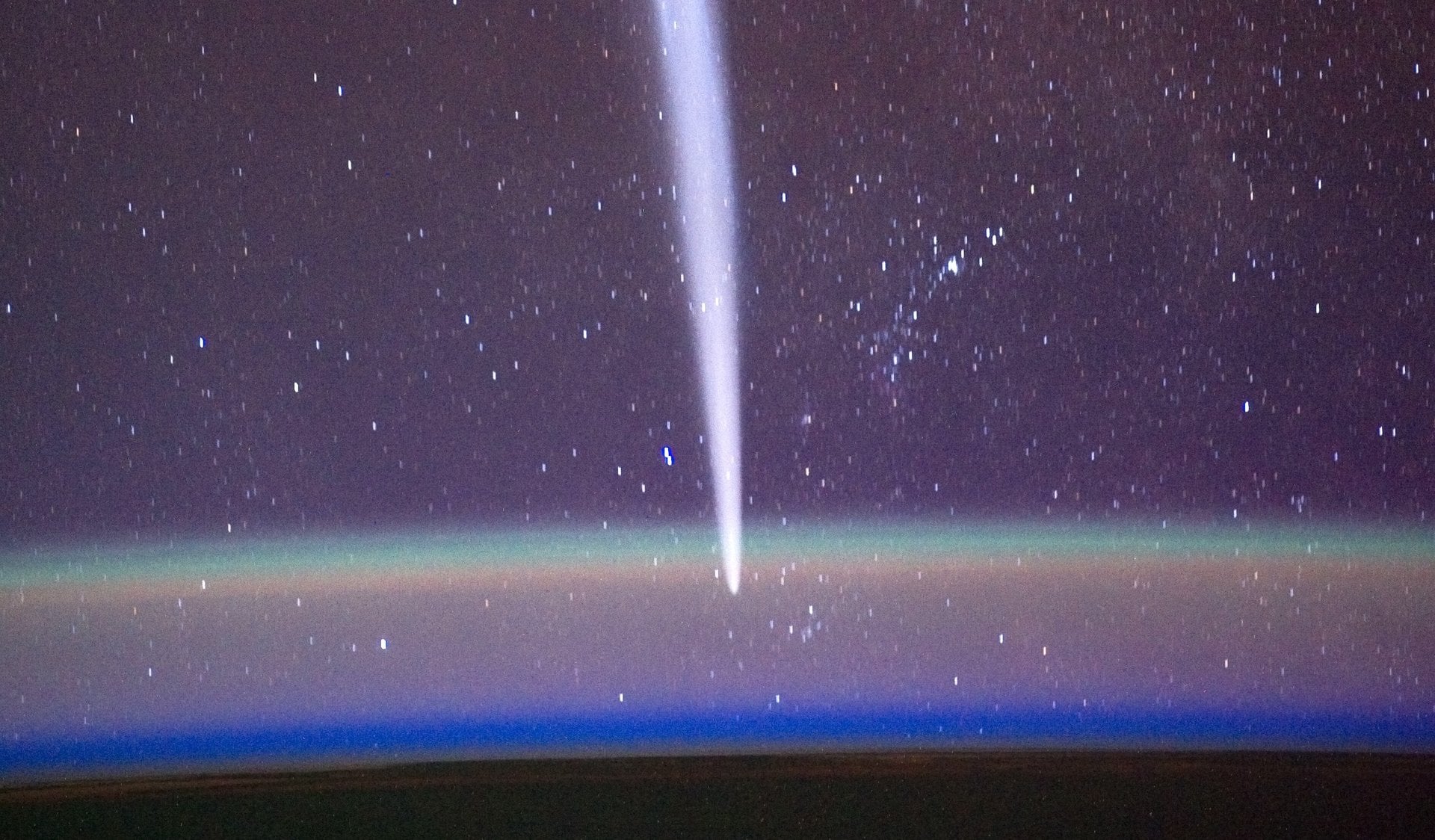
In a clockwork predictable Universe, comets and how they will ultimately perform is always a big wild card. A new sungrazer comet discovered at the start of this year has
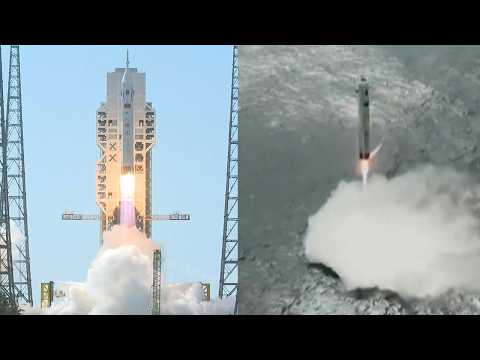
HELSINKI — China took a major step forward in its lunar and human spaceflight programs late Tuesday with successful in-flight abort and rocket recovery tests. A Long March 10 low-altitude
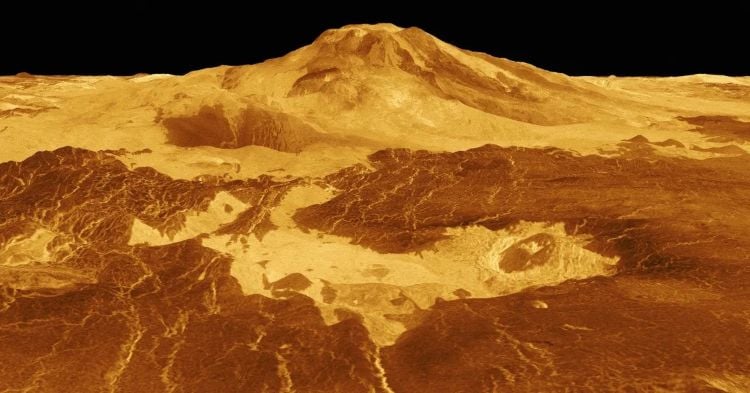
It’s 2050 and you’re living on Venus. This might come as a surprise due to the planet’s crushing surface pressures (~92 times of Earth) and searing surface temperatures (~465 degrees

NASA’s Johnson Space Center in Houston and the University of Texas System (UT System) announced the signing of a collaborative Space Act Agreement on Jan. 9, 2026. The agreement expands

For Valentine’s Day, the Copernicus Sentinel-2 mission sends love from space, capturing the heart-shaped oasis of Faiyum, just south of Cairo, Egypt. Zoom in or click on the circles to

Advertisement
Popular Now
-
 01Two Black Holes Observed Circling Each Other for the First Time
 -
 02From Polymerization-Enabled Folding and Assembly to Chemical Evolution: Key Processes for Emergence of Functional Polymers in the Origin of Life
 -
 03Astronomy 101: From the Sun and Moon to Wormholes and Warp Drive, Key Theories, Discoveries, and Facts about the Universe (The Adams 101 Series)
 -
 04True Anomaly hires former York Space executive as chief operating officer
 -
 05Φsat-2 begins science phase for AI Earth images
 -
 06Hurricane forecasters are losing 3 key satellites ahead of peak storm season − a meteorologist explains why it matters
 -
 07Binary star systems are complex astronomical objects − a new AI approach could pin down their properties quickly
Scroll to Top