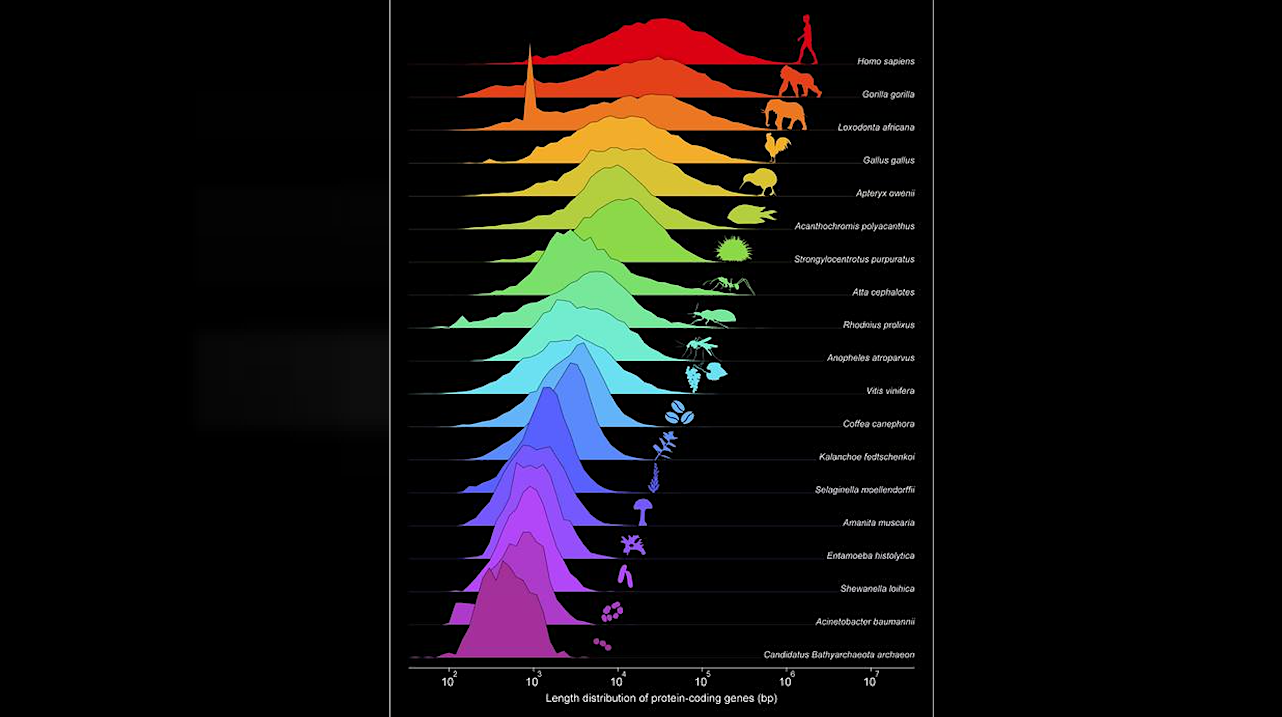
Evolution of protein-coding gene length distributions across evolutionary time Credit ill./©: Fernando J. Ballesteros An international collaboration between four senior scientists from Mainz, Valencia, Madrid, and Zurich has published groundbreaking

Evolution of protein-coding gene length distributions across evolutionary time Credit ill./©: Fernando J. Ballesteros An international collaboration between four senior scientists from Mainz, Valencia, Madrid, and Zurich has published groundbreaking
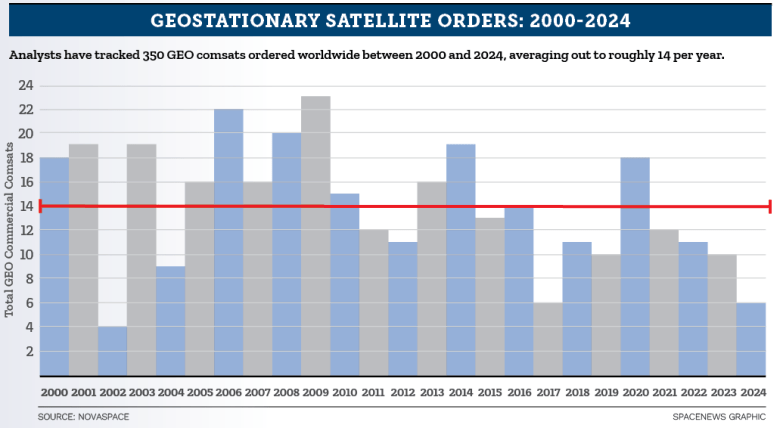
For decades, geostationary orbit (GEO) was the undisputed home of satellite communications. From television broadcasts to internet backhaul and voice services, GEO satellites formed the backbone of global connectivity, delivering
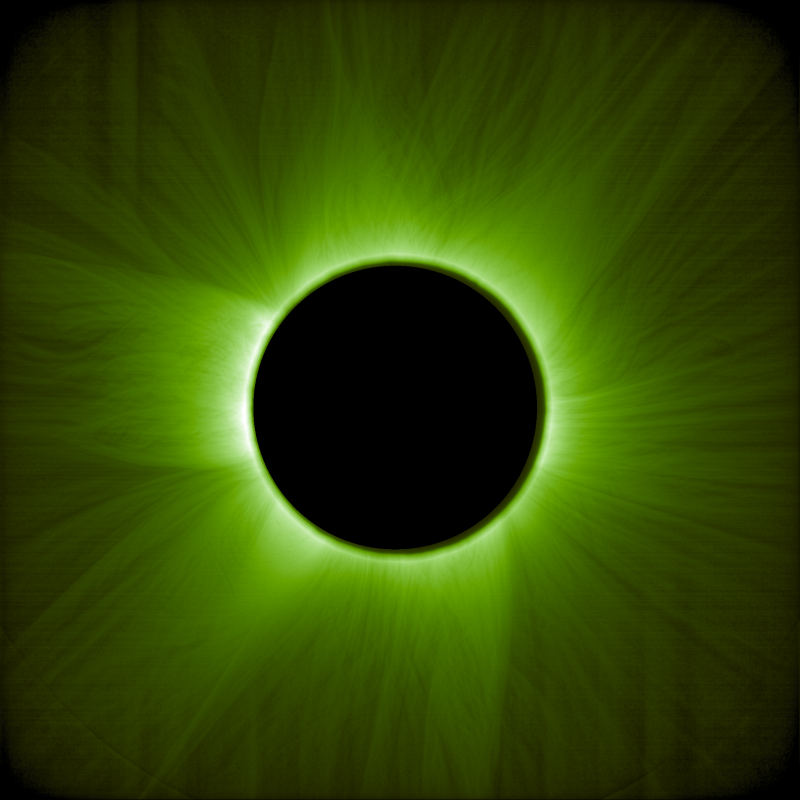
This is the Proba-3 spacecraft’s newly unveiled first view of the sun’s corona, or outer atmosphere. This is a filtered visible light view, revealing the corona as a human eye
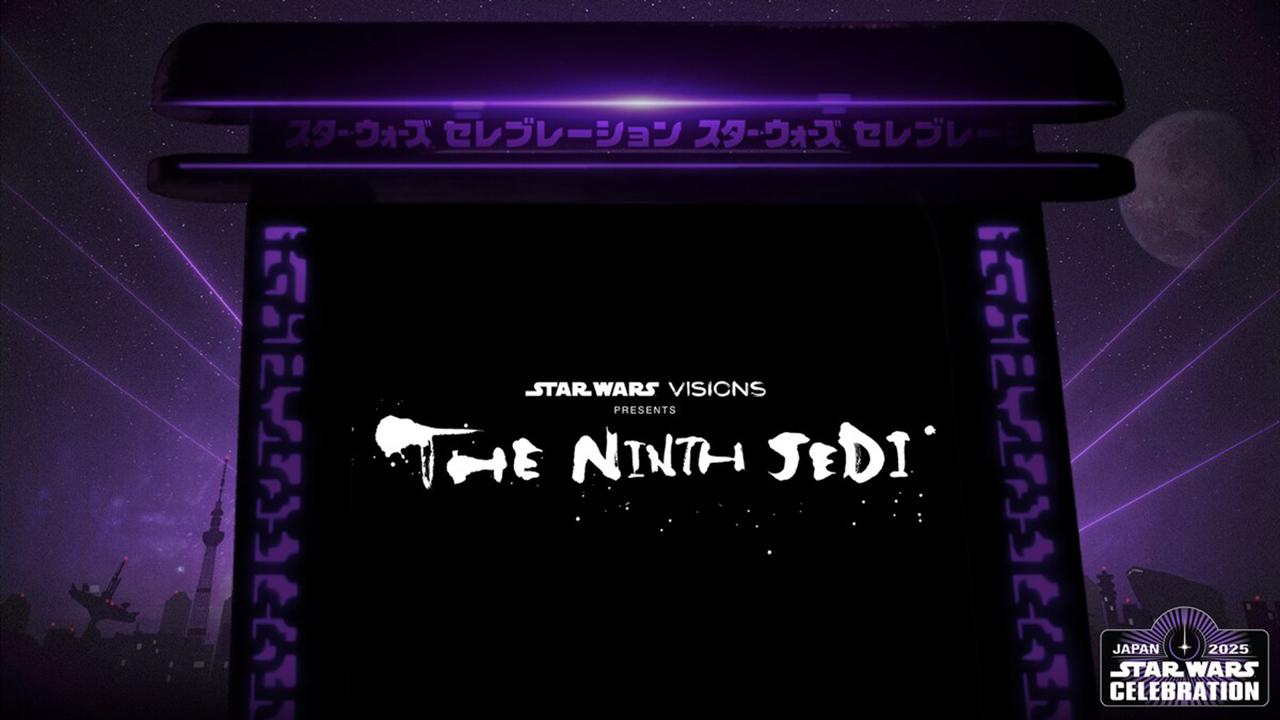
Star Wars Celebration Japan 2025 has now come and gone, leaving behind a pile of exciting news about the galaxy far, far away. For fans of anime, Lucasfilm shared details

Join our newsletter to get the latest military space news every Tuesday by veteran defense journalist Sandra Erwin. WASHINGTON — In a significant departure from traditional defense procurement practices, the
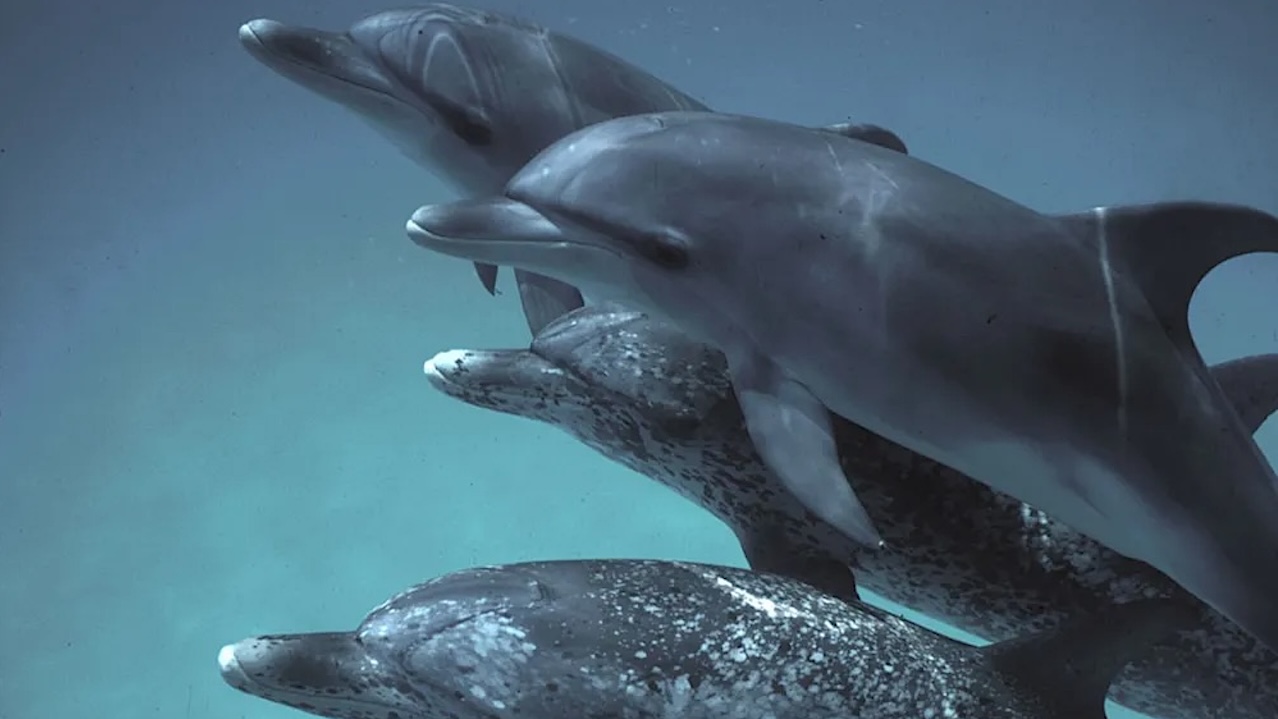
A pod of Atlantic spotted dolphins, Stenella frontalis DolphinGemma, a large language model developed by Google, is helping scientists study how dolphins communicate — and hopefully find out what they’re
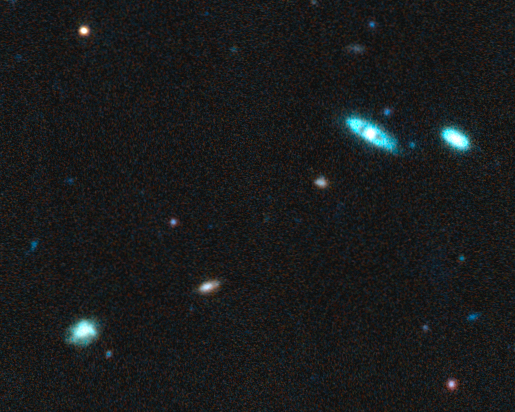
Astronomers have used the James Webb Space Telescope (JWST) to peer back in time over 10 billion years, observing an early era in cosmic history. In doing so, the team
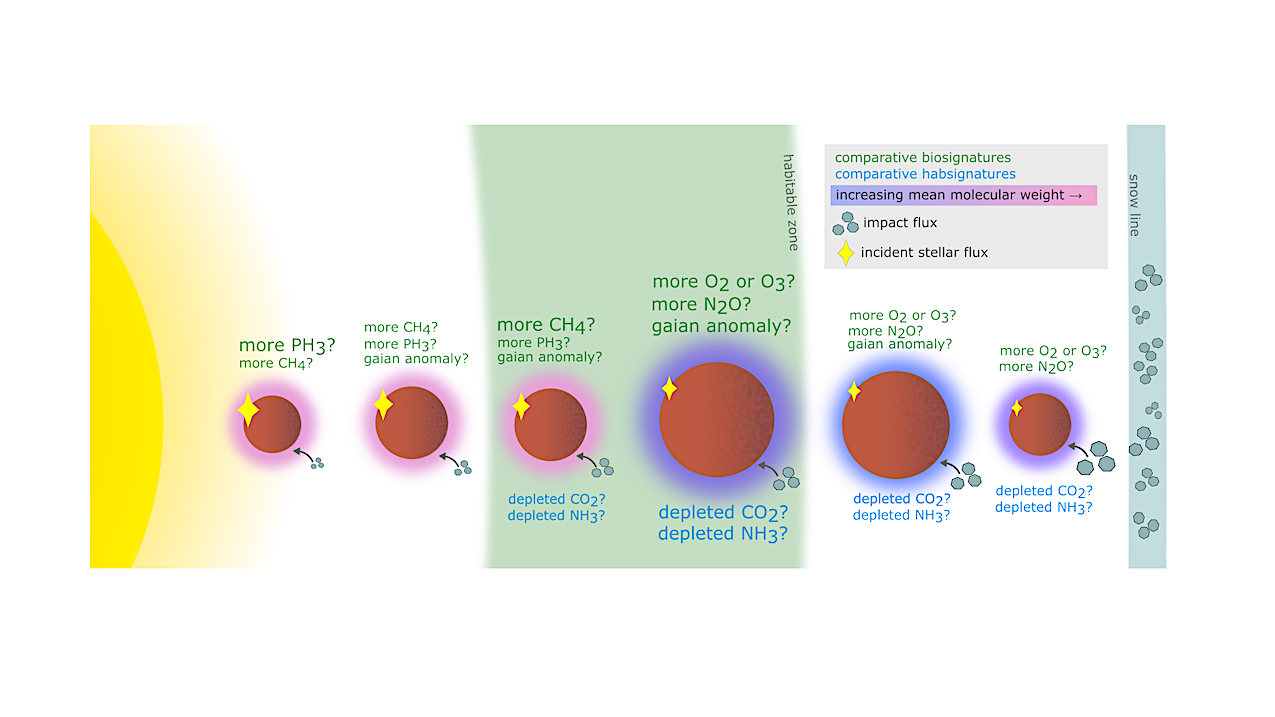
Illustration of comparative biosignatures and habsignatures in an extrasolar system. Potential comparative biosignatures (green text) and habsignatures (blue text) as deviations from the abiotic baseline are annotated, with larger fonts

It has been more than a decade since scientists discovered that Yellowstone holds huge amounts of helium gas, but questions remain over whether this helium could ever be extracted to
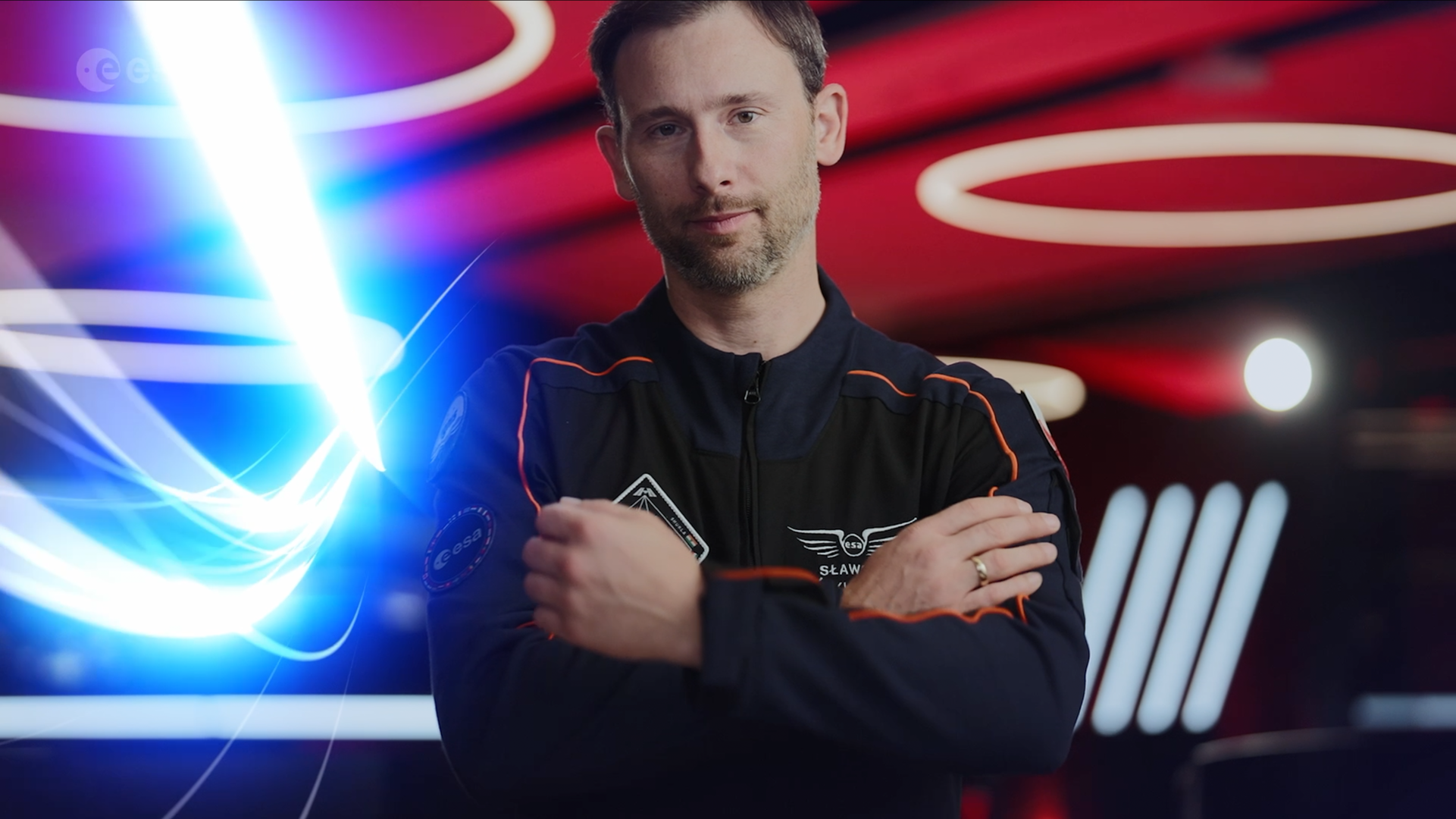
These are the highlights of the launch on Axiom Mission 4 (Ax-4) of ESA project astronaut Sławosz Uznański-Wiśniewski from Poland to the International Space Station. The mission is called Ignis.