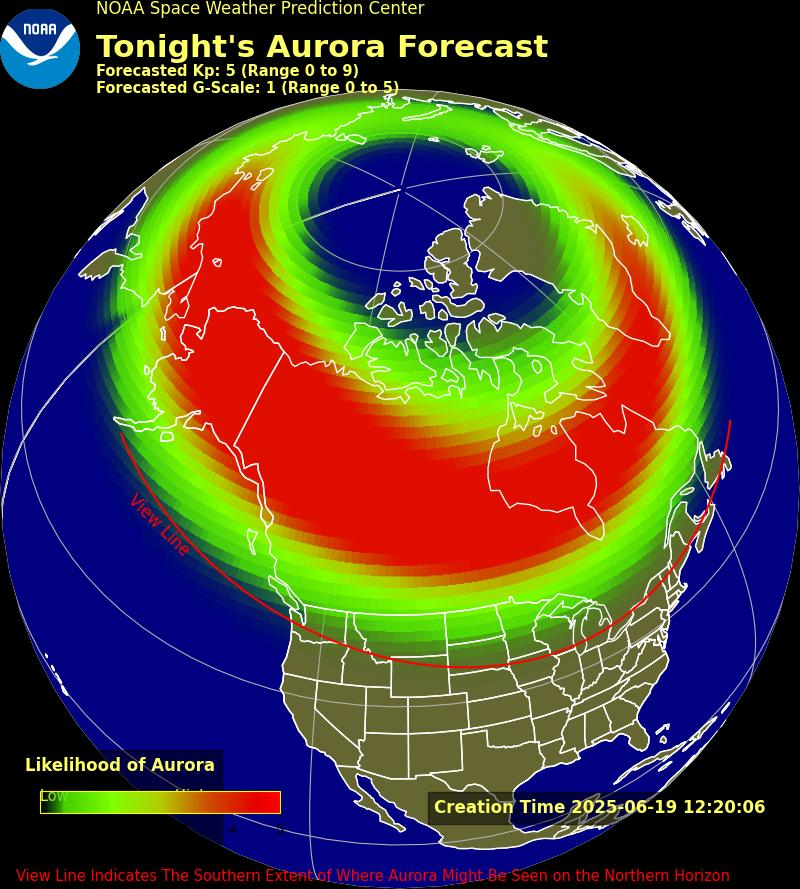
Unsettled geomagnetic activity could bring northern lights to parts of the U.S. tonight (June 19–20). A coronal mass ejection (CME) released during a relatively small C5.5 solar flare on June

Unsettled geomagnetic activity could bring northern lights to parts of the U.S. tonight (June 19–20). A coronal mass ejection (CME) released during a relatively small C5.5 solar flare on June

TAMPA, Fla. — Slam Corp, the shell company founded by former MLB player Alex Rodriguez, is suing Lynk Global to stop the direct-to-smartphone satellite operator from walking away from their
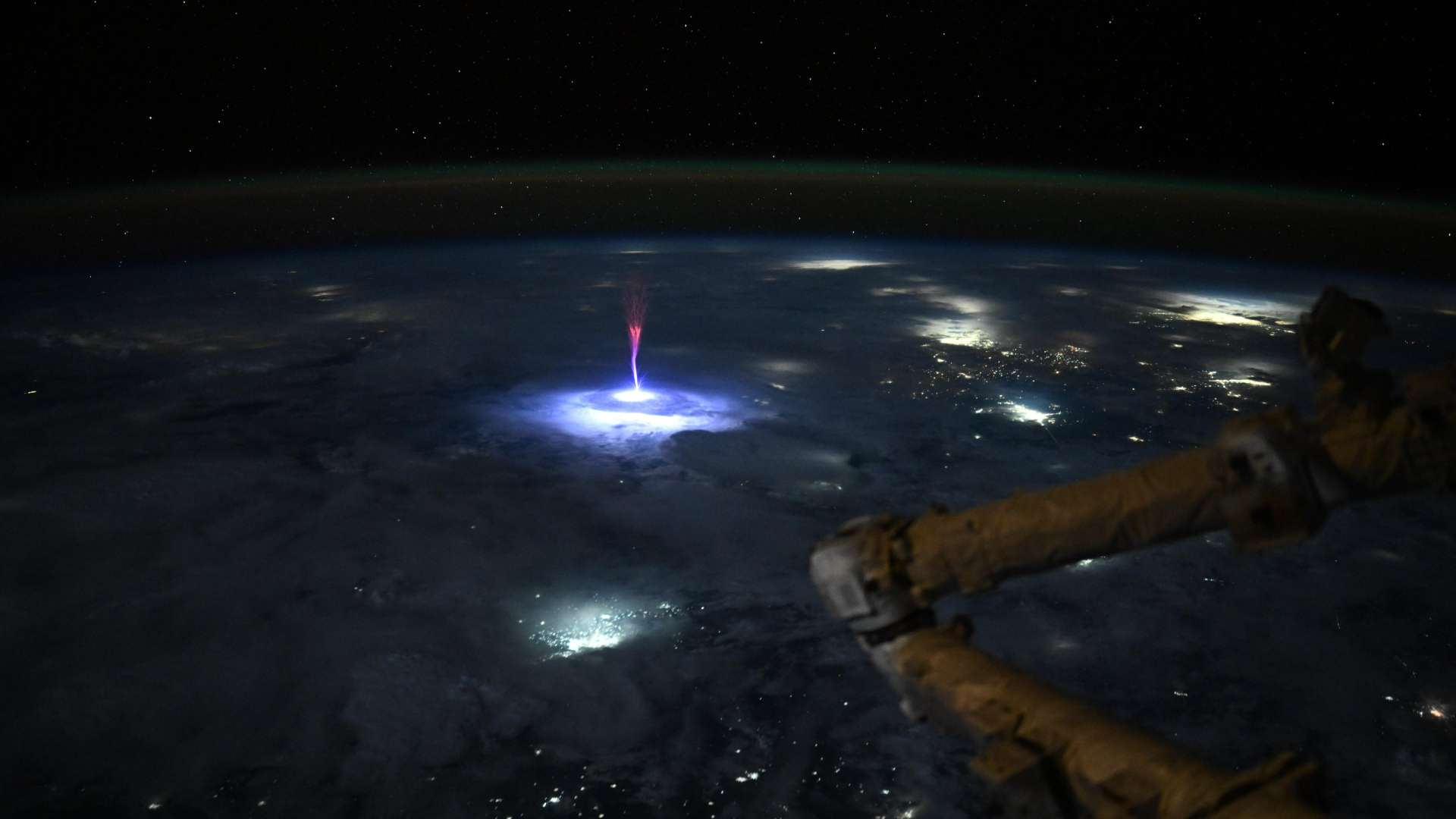
U.S. astronaut Nichole “Vapor” Ayers captured a spectacular view of a phenomenon known as a “sprite” blazing to life above an intense thunderstorm — and she did this while orbiting
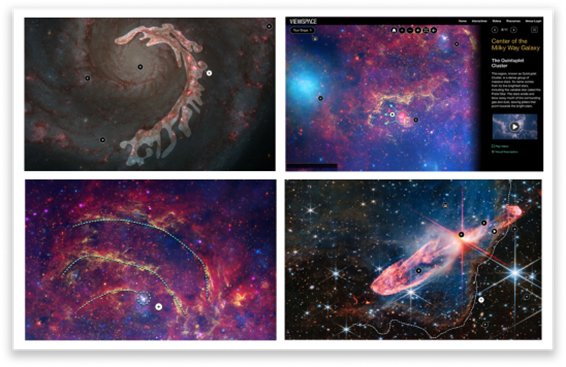
Explore This Section Science Science Activation Take a Tour of the Cosmos with… Overview Learning Resources Science Activation Teams SME Map Opportunities More Science Activation Stories Citizen Science 4

NASA’s Perseverance rover captured Deimos, the smaller of Mars’ two moons, shining in the pre-dawn sky over the Red Planet on March 1, 2025. (Image credit: NASA/JPL-Caltech) NASA’s Perseverance rover
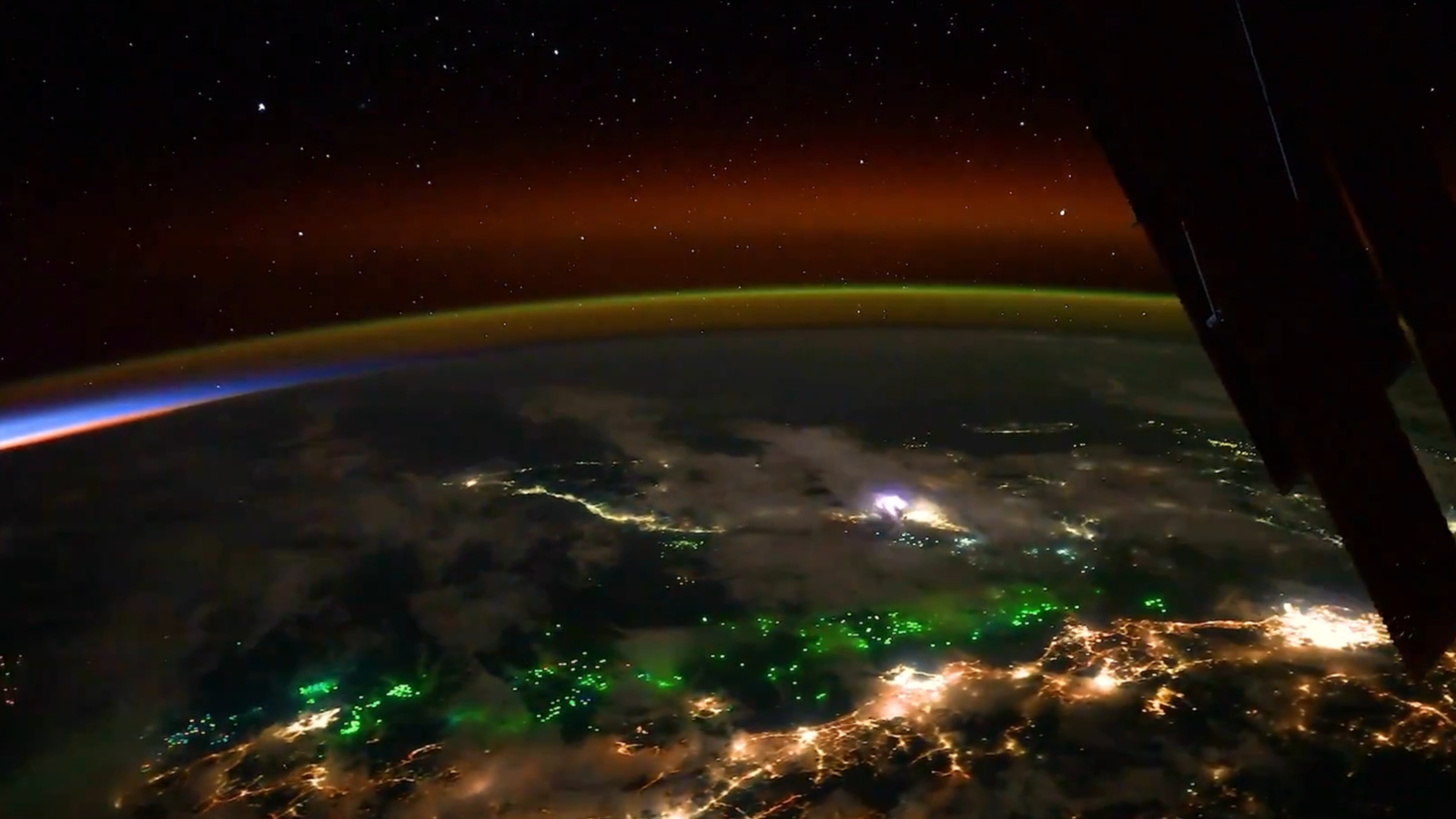
NASA astronaut Jonny Kim has posted his first time-lapse video of Earth from the International Space Station (ISS), showcasing stunning auroras, lightning storms and city lights illuminating the night-side of
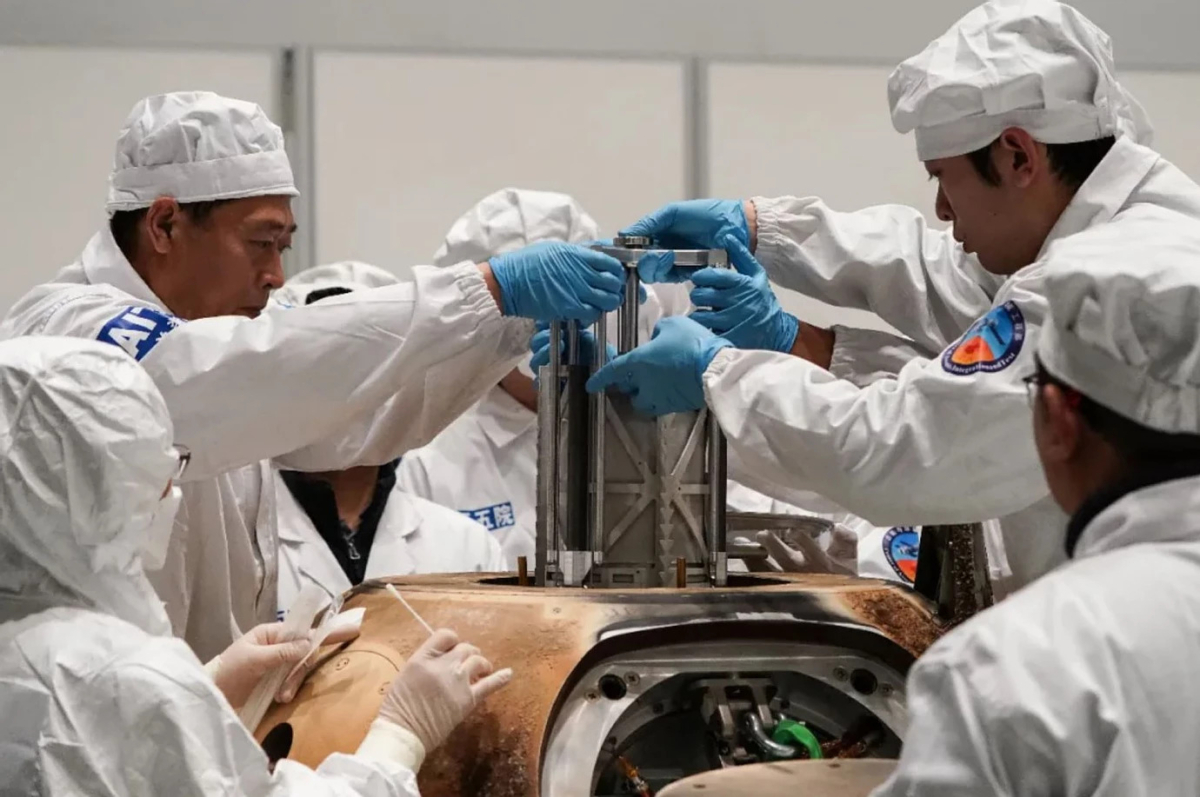
Precious moon samples brought back to Earth by China’s Chang’e 5 mission in 2020 have finally been shared with international researchers — but the law has made it difficult for
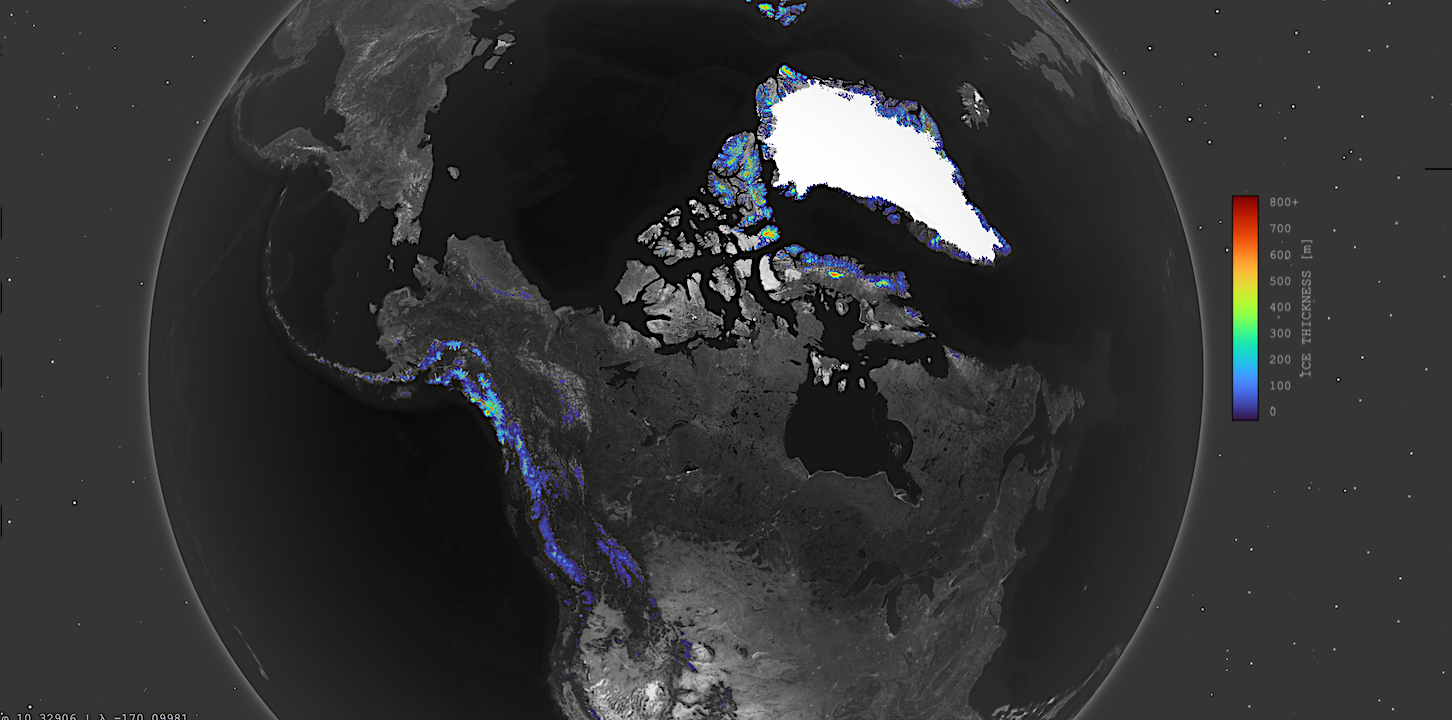
A team of researchers led by Niccolò Maffezzoli, “Marie Curie” fellow at Ca’ Foscari University of Venice and the University of California, Irvine, and an associate member of the Institute
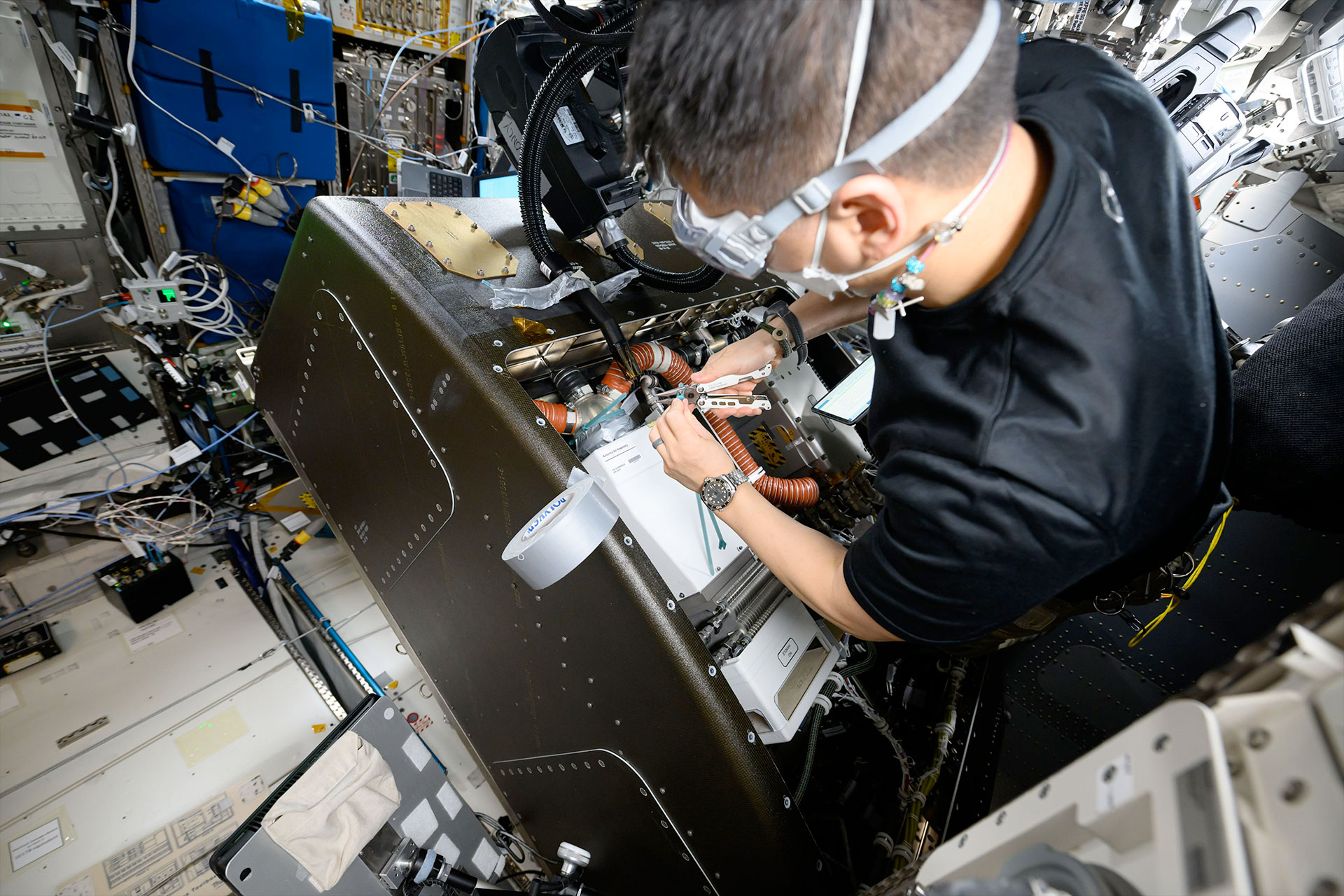
With this week’s (June 9 through June 13) expected arrival of a visiting crew delayed just before their launch, science and maintenance work on board the International Space Station was
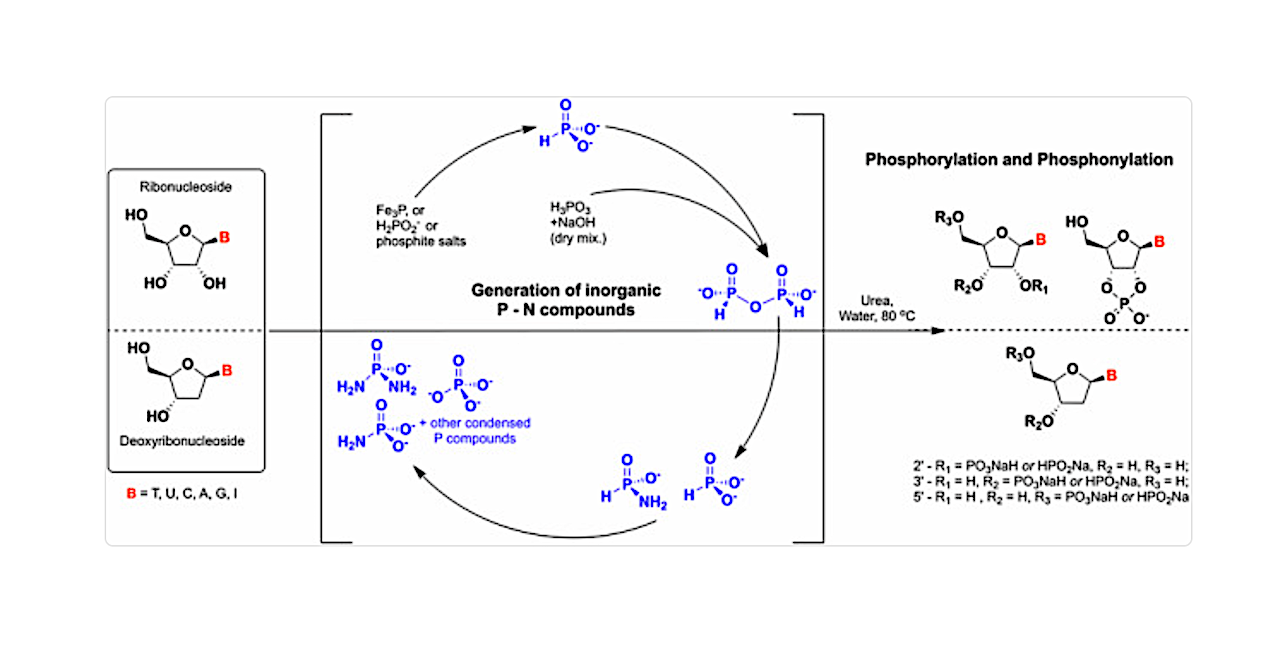
Graphical abstract – Commun Chem. via PubMed P-N species e.g., amidophosphates readily phosphorylate organics, thereby overcoming the so-called ‘Phosphate Problem’. However, the formation of amidophosphates by plausible early Earth geochemical