
Using NASA’s Transiting Exoplanet Survey Satellite (TESS), an international team of astronomers has discovered a new super-Earth exoplanet that orbits a nearby M dwarf star. The newfound alien world, designated

Hot Posts216- Page
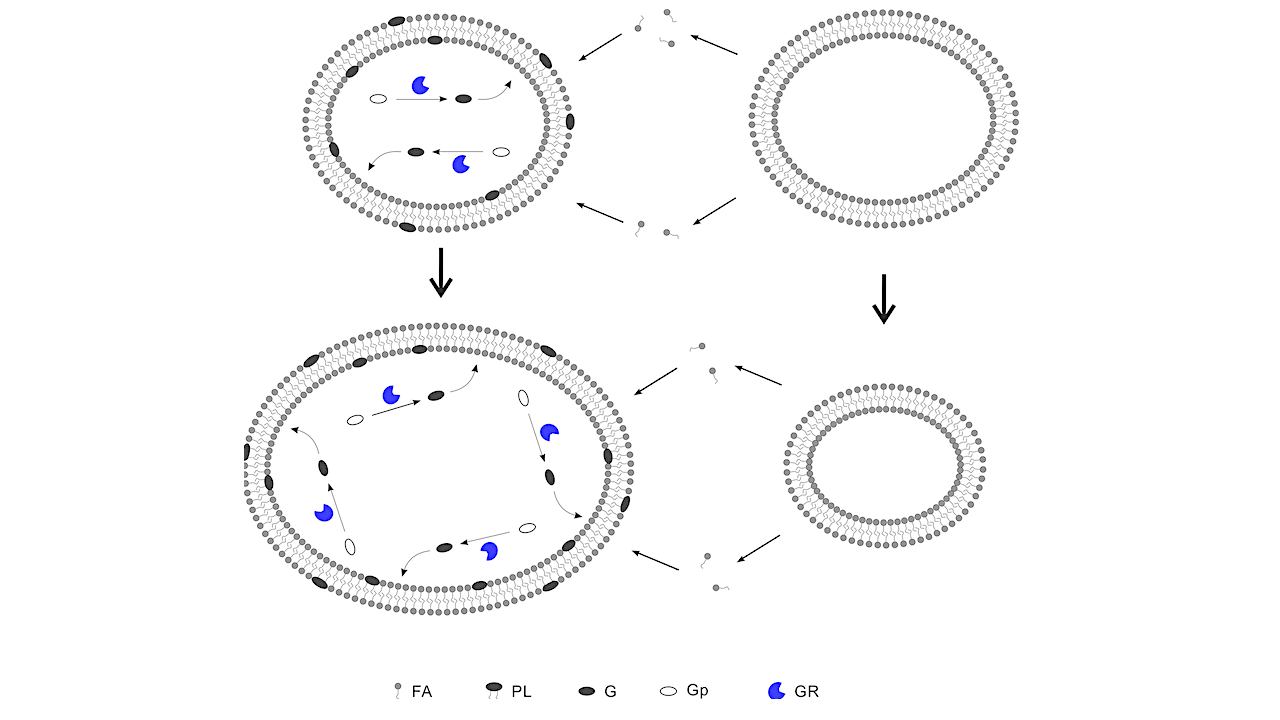
Legends: FA—fatty acid; PL—phospholipid (i.e., phosphatidic acid here); G—glycerophosphate; Gp—glycerophosphate precursor (e.g., glycerol); GR—glycerophosphate-synthetase ribozyme (here representing the ribozyme favoring the synthesis of phospholipids). The glycerophosphates produced through the catalysis
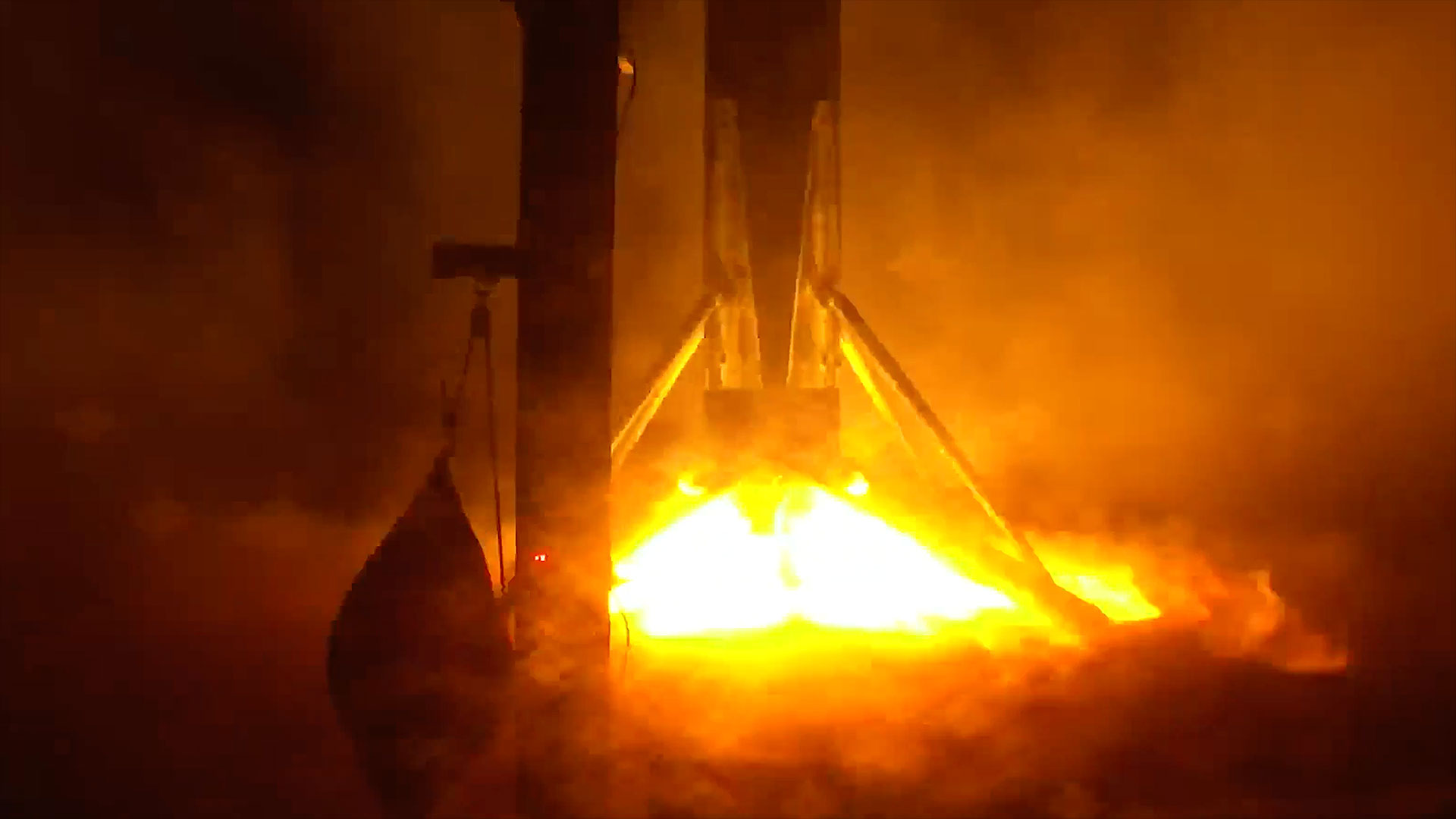
SpaceX launched 24 more Starlink satellites into low Earth orbit early Sunday morning (July 27), on the company’s second flight in less than 24 hours dedicated to growing its megaconstellation.
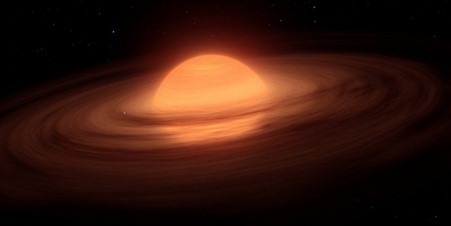
Our parochial view of planets orbiting a central star — so familiar because it is the layout seen in the solar system — could be irrevocably shattered by new research
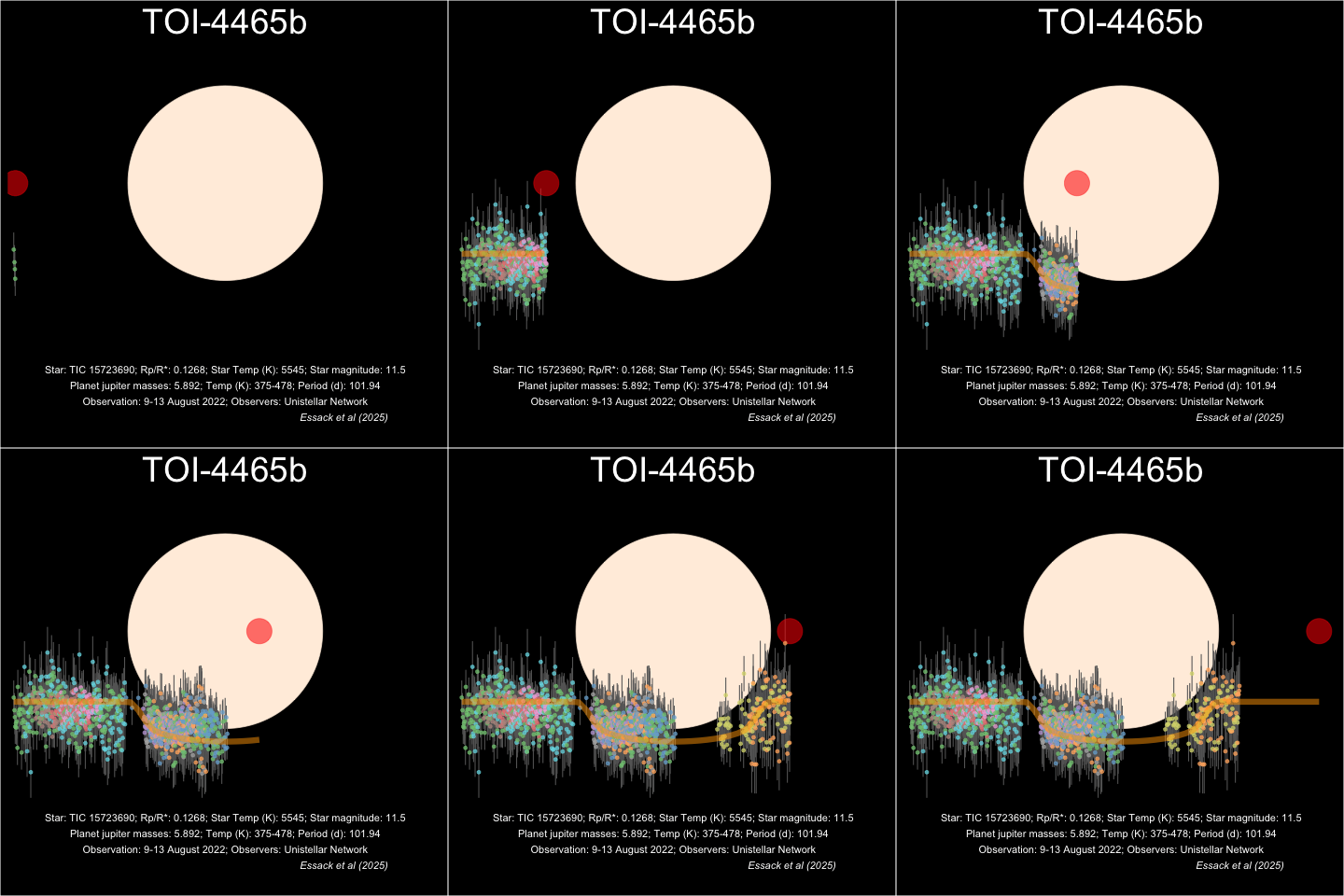
A new gas giant world discovered by citizen scientists using data from NASA’s exoplanet-hunting spacecraft TESS is cool, literally and figuratively. The extrasolar planet, or “exoplanet,” designated TOI-4465 b is
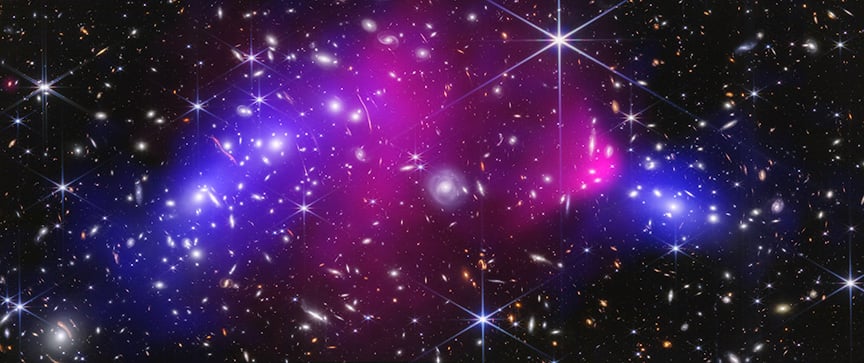
One of the most iconic cosmic scenes in the Universe lies nearly 3.8 billion light-years away from us in the direction of the constellation Carina. This is where two massive
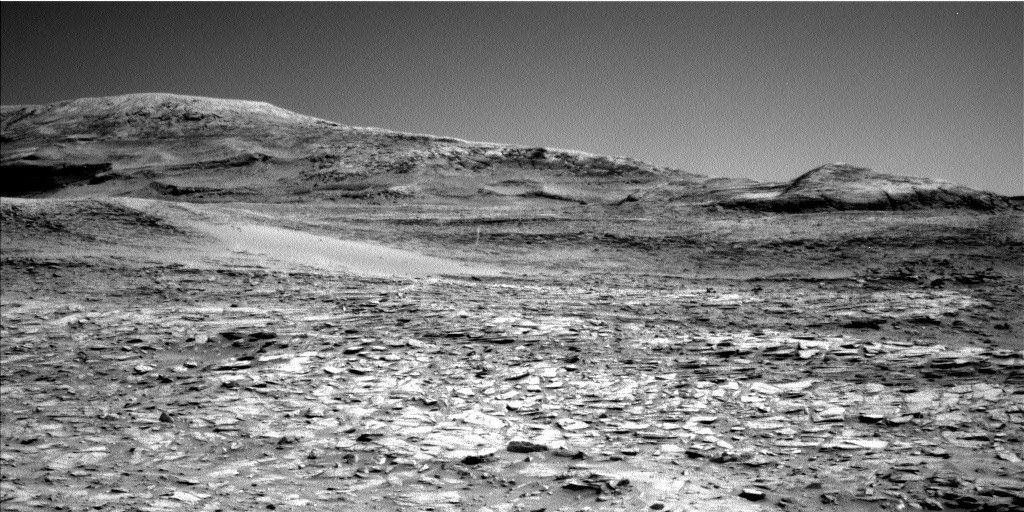
Curiosity Navigation Curiosity Home Mission Overview Where is Curiosity? Mission Updates Science Overview Instruments Highlights Exploration Goals News and Features Multimedia Curiosity Raw Images Images Videos Audio Mosaics More Resources

TAMPA, Fla. — Neuraspace is developing AI-powered software with support from the European Space Agency to help operators better harness navigation signals for satellite tracking and collision avoidance, the Portuguese
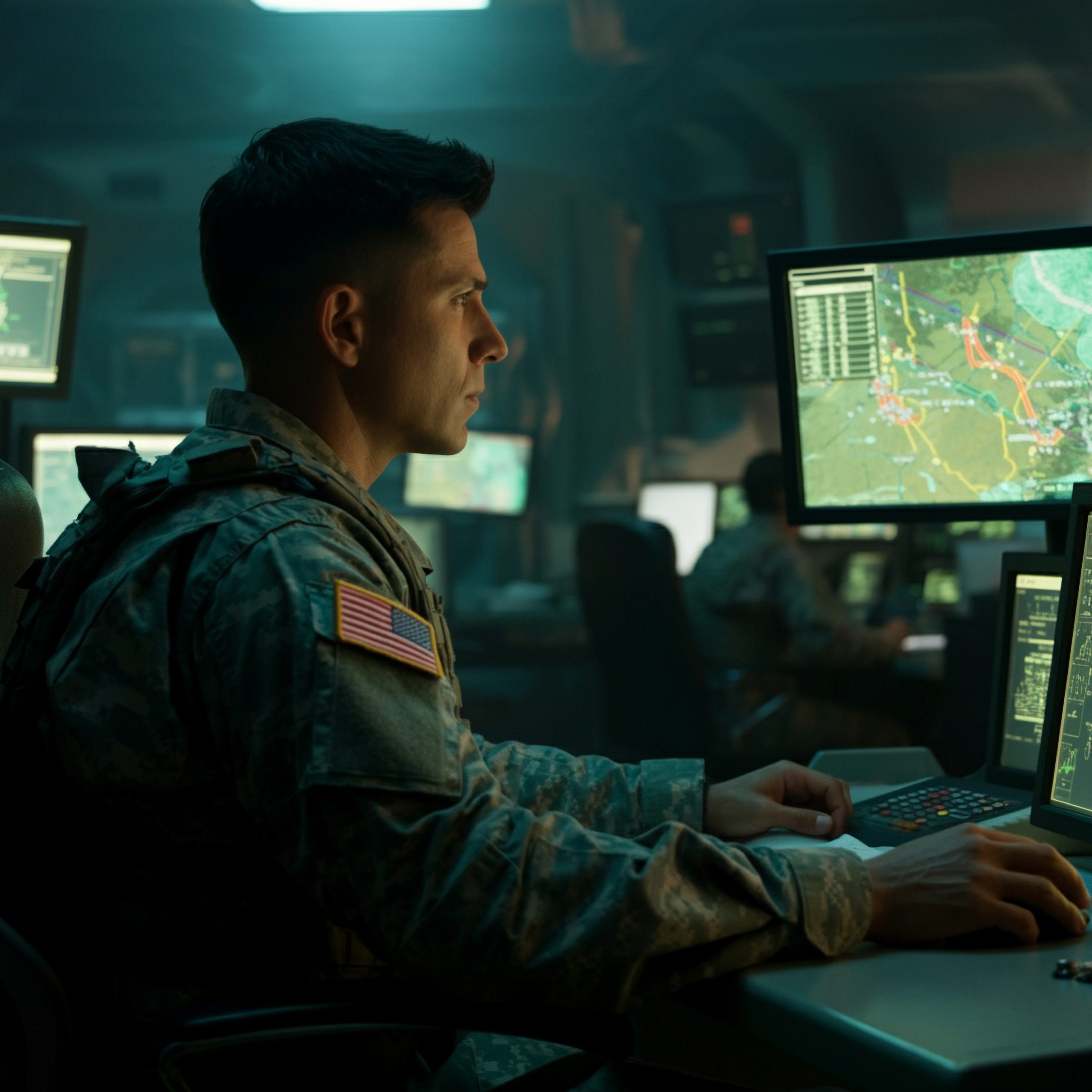
The United States defense and aerospace establishment is taking meaningful, if measured, steps to apply artificial intelligence to missions traditionally handled by human analysts and manual systems. To continue reading
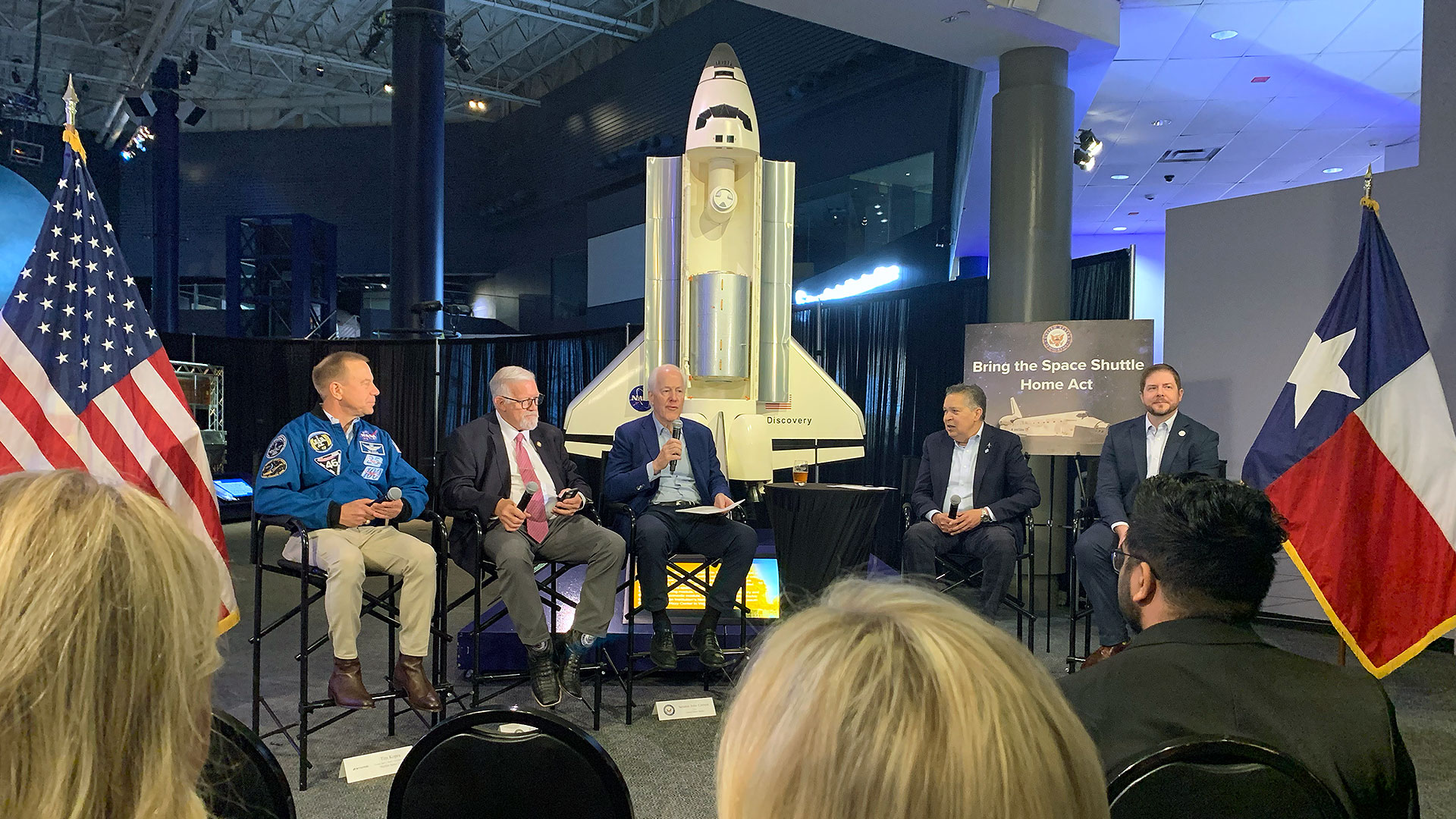
On July 4, 2006, NASA’s space shuttle Discovery launched on a “return to flight” mission that paved the way for it and its sister ships to fly for another five
Advertisement
Popular Now
-
 01Two Black Holes Observed Circling Each Other for the First Time
 -
 02From Polymerization-Enabled Folding and Assembly to Chemical Evolution: Key Processes for Emergence of Functional Polymers in the Origin of Life
 -
 03Astronomy 101: From the Sun and Moon to Wormholes and Warp Drive, Key Theories, Discoveries, and Facts about the Universe (The Adams 101 Series)
 -
 04True Anomaly hires former York Space executive as chief operating officer
 -
 05Φsat-2 begins science phase for AI Earth images
 -
 06Hurricane forecasters are losing 3 key satellites ahead of peak storm season − a meteorologist explains why it matters
 -
 07Binary star systems are complex astronomical objects − a new AI approach could pin down their properties quickly
Scroll to Top