This week SpaceNews is at the SmallSat Conference in Salt Lake City, Utah. In this episode of Space Minds, host Mike Gruss speaks with Todd Master, Chief Operating

This week SpaceNews is at the SmallSat Conference in Salt Lake City, Utah. In this episode of Space Minds, host Mike Gruss speaks with Todd Master, Chief Operating
Researchers from the University of Greifswald and the Max Planck Institute for Astronomy (MPIA) in Heidelberg (both in Germany) have developed a prototype experimental setup that simulates flow properties using
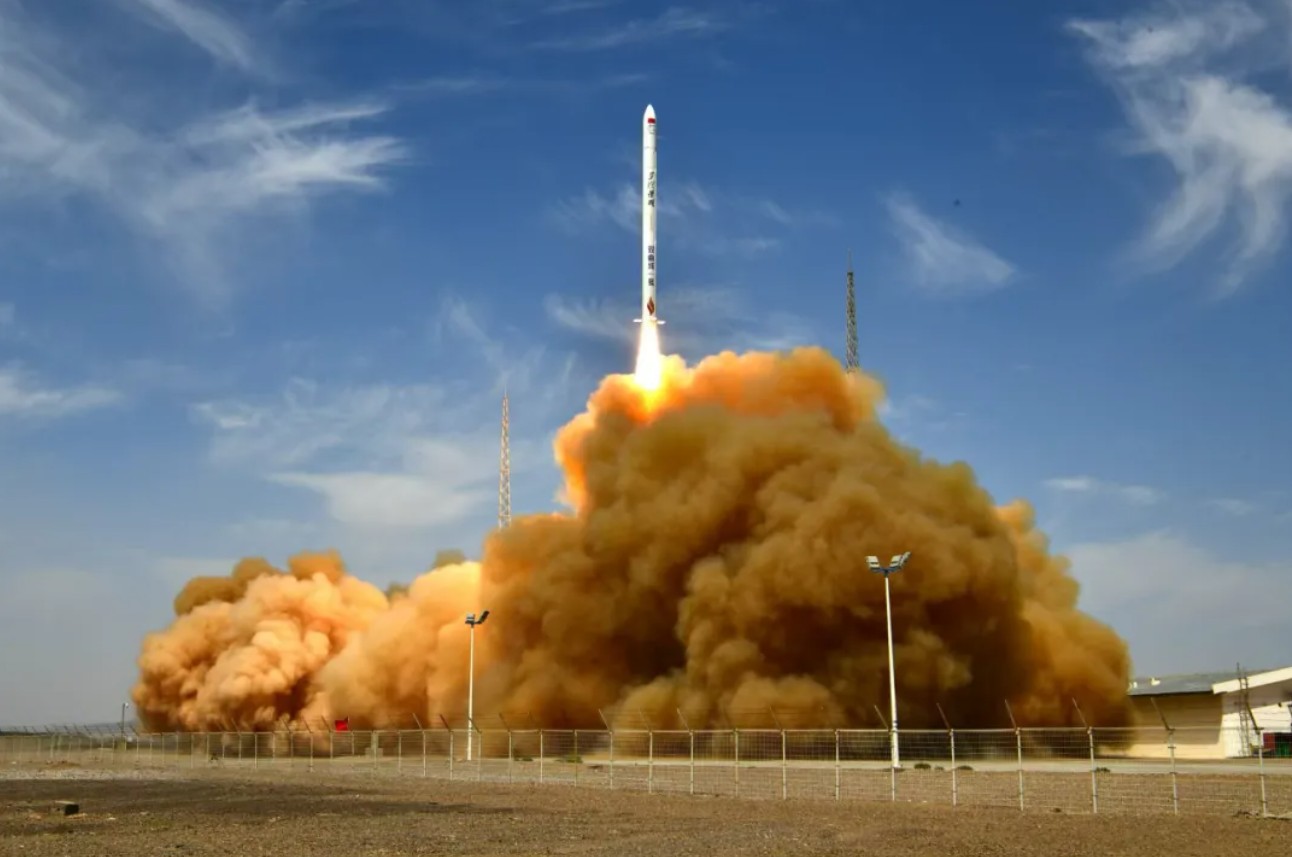
HELSINKI — Chinese launch startup iSpace successfully sent a satellite into orbit early Tuesday with a solid fueled rocket mission a year after a launch failure. To continue reading this
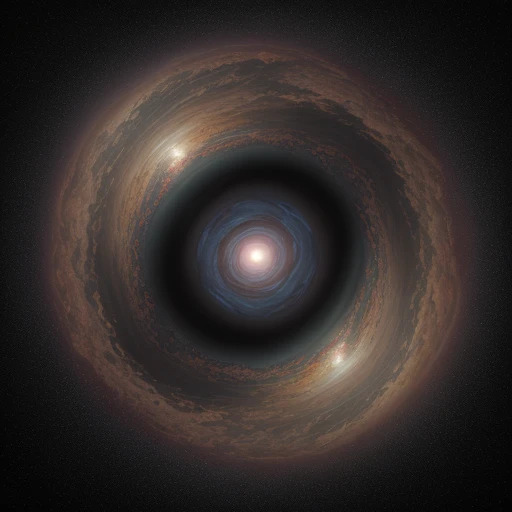
This article was originally published at The Conversation. The publication contributed the article to Space.com’s Expert Voices: Op-Ed & Insights. Why didn’t the universe annihilate itself moments after the big
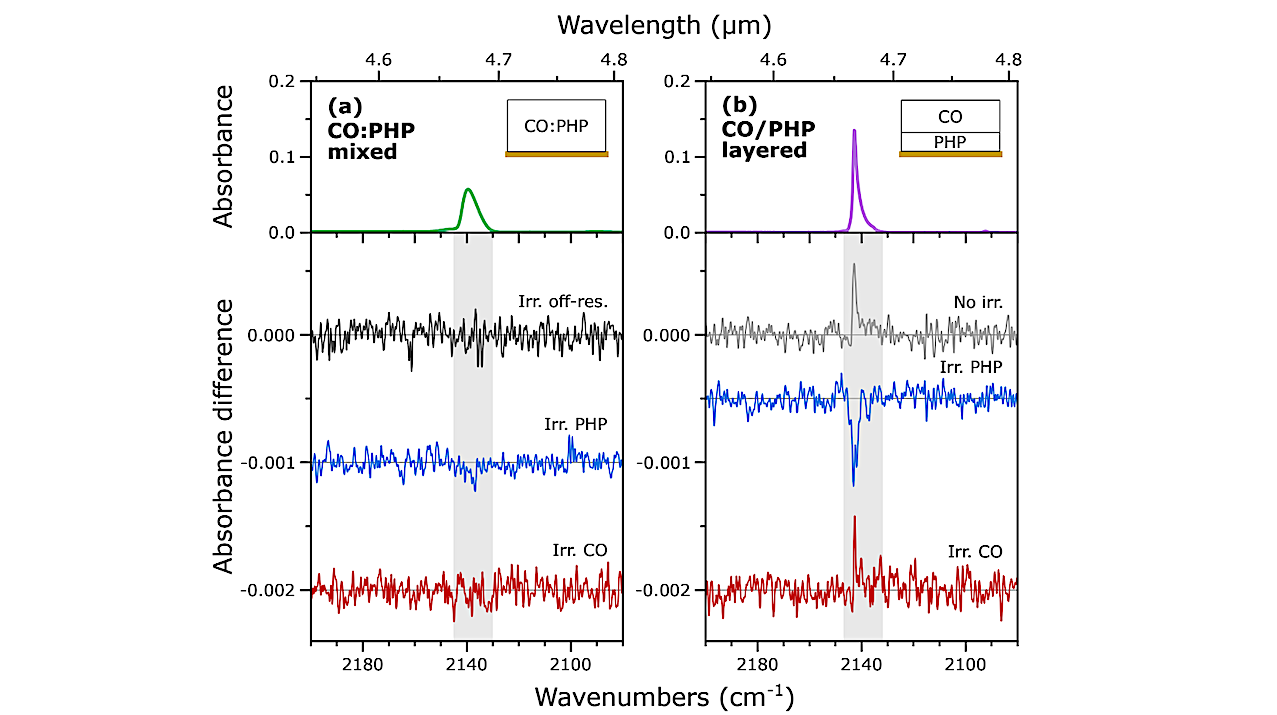
RAIR spectra (top) and difference spectra (bottom) for irradiation of the (a) CO:PHP mixed ice and (b) CO/PHP layered ice, focusing on the region around the CO stretching mode. The
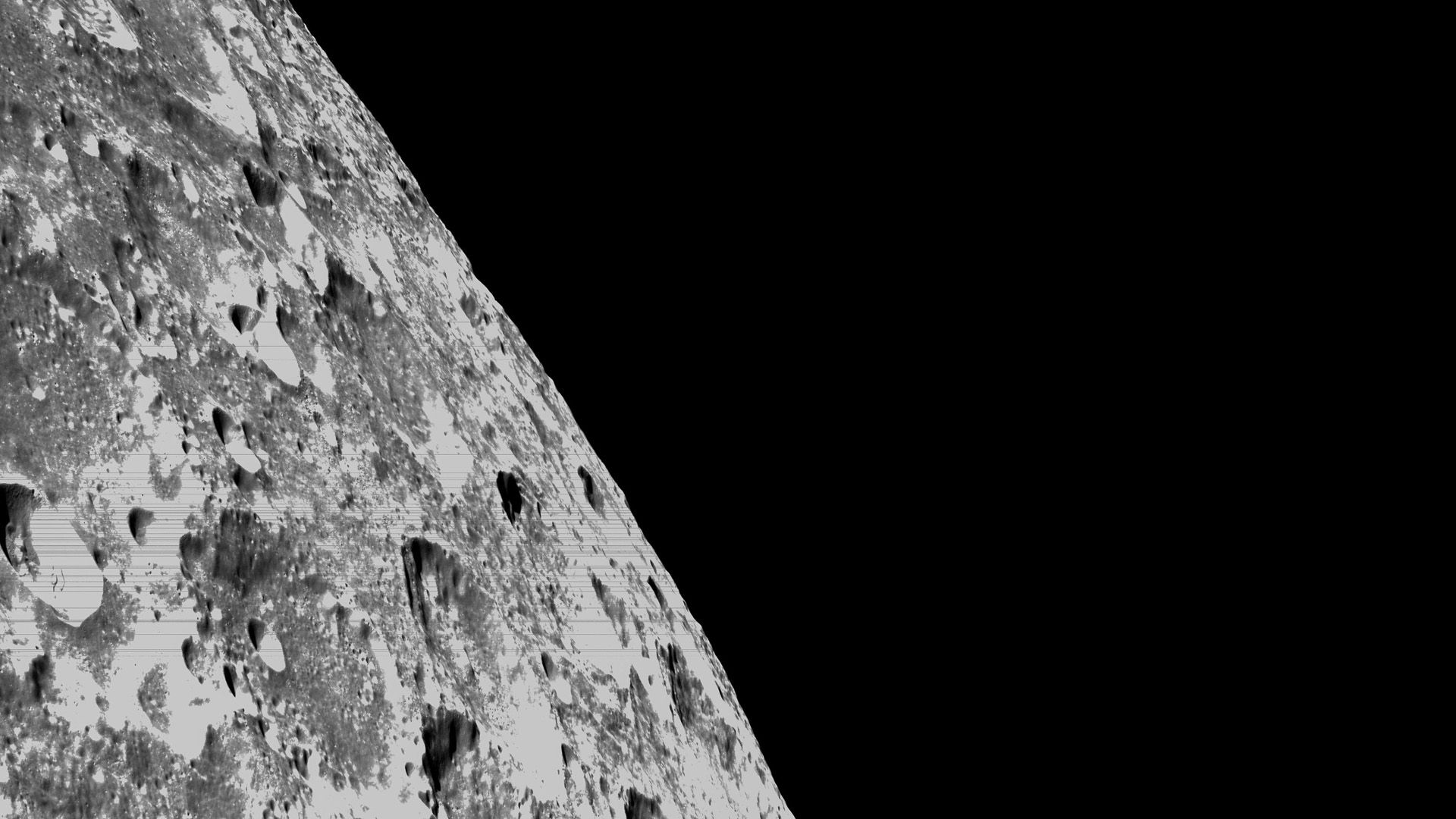
Lunar samples reveal the far side of the moon, hidden from Earth’s view, may have a cooler interior than the near side. China’s Chang’e 6 mission returned the first-ever samples
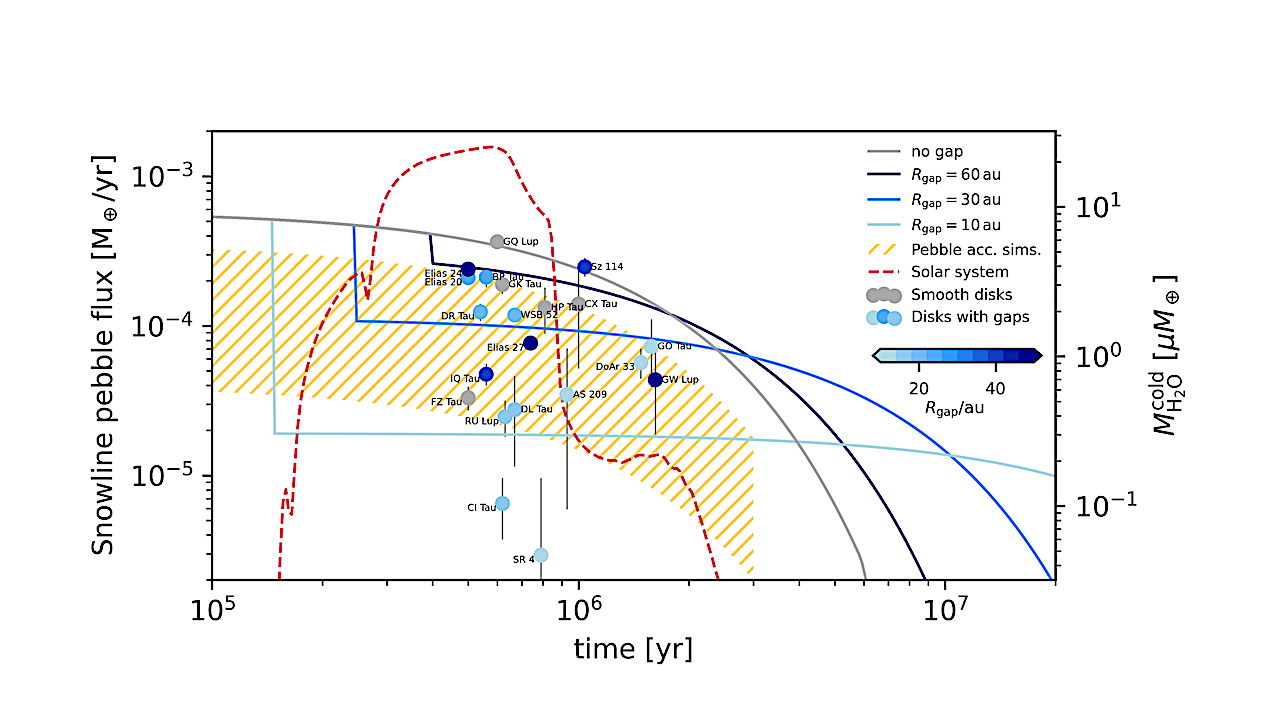
Compilation of pebble mass flux vs. time evolutions. Solid lines show models developed in this study for various gap positions (see Sect. 3.1), which can be compared to mass fluxes
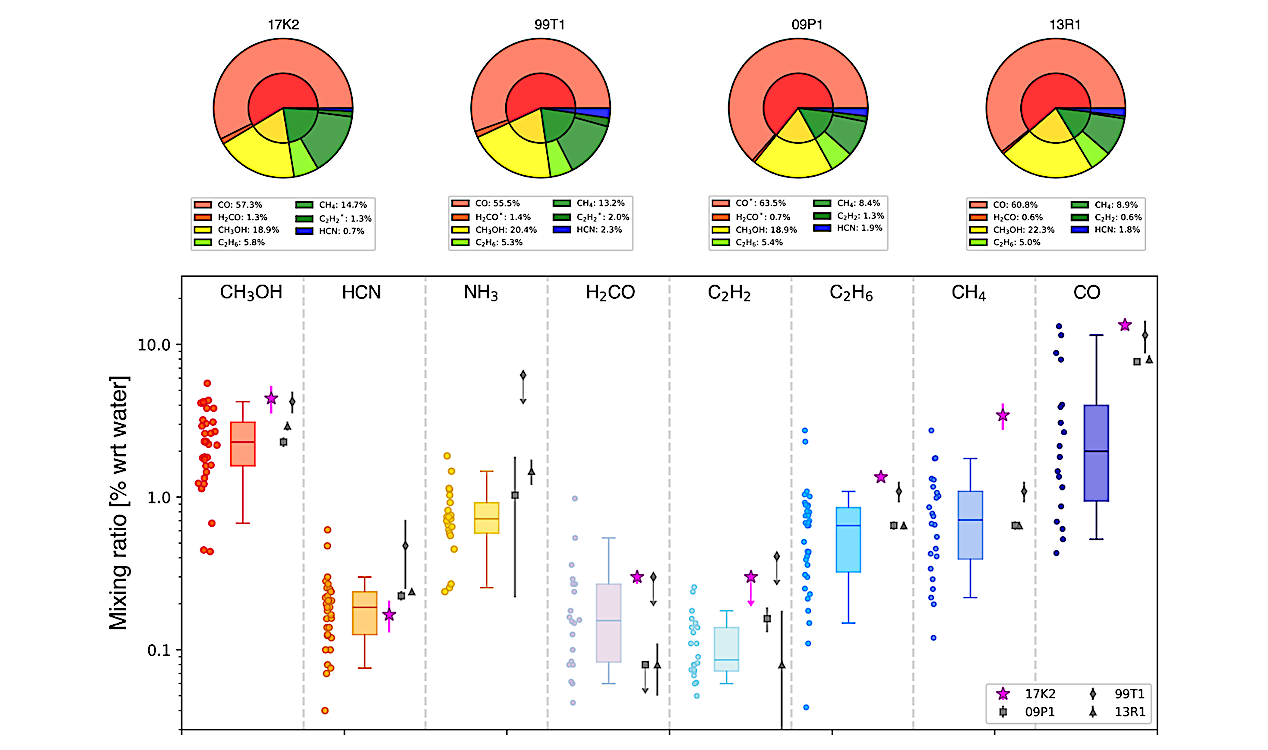
Comparison of K2 with other comets. In the upper panel, the comet is compared with C/2009 P1, C/1999 T1, and C/2013 R1, which show the closest relative abundance proportions. In
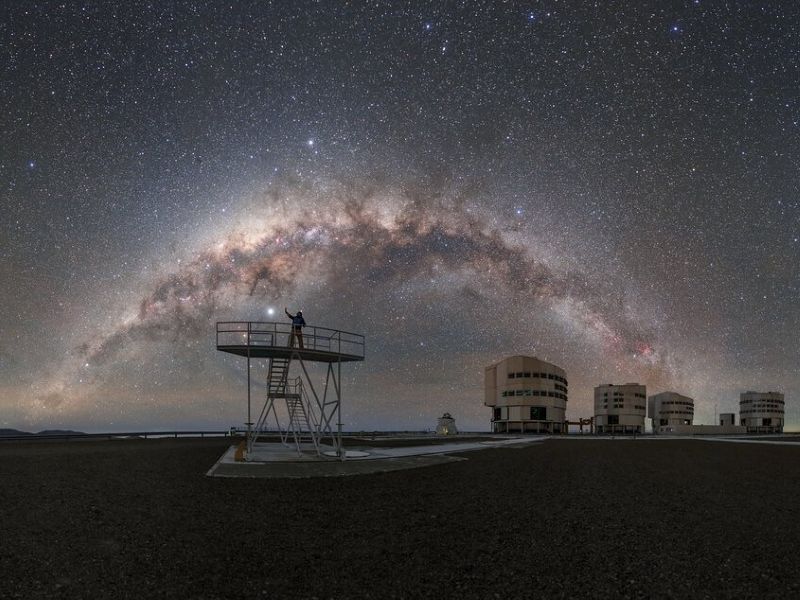
The European Southern Observatory’s (ESO) Paranal Observatory lies under some of the darkest and clearest skies in the world, in Chile’s Atacama Desert. But now, light pollution from a new
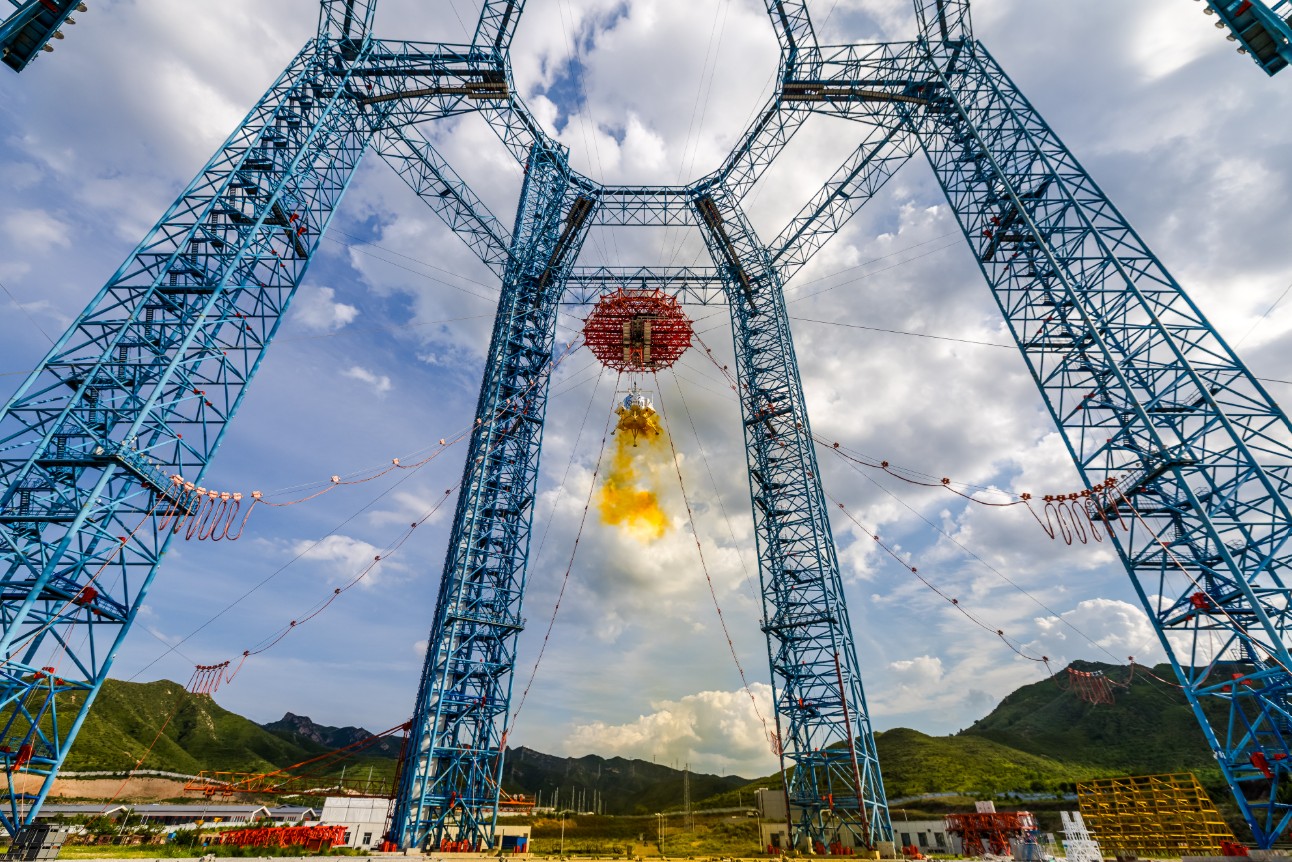
Espoo, FINLAND — China has completed an integrated landing and ascent test of its Lanyue lunar lander, marking a major milestone in its crewed moon landing program. To continue reading