SALT LAKE CITY — The Utah State University Space Dynamics Laboratory (SDL) has a new affiliation with the U.S. Space Force that the lab says will open new opportunities to

SALT LAKE CITY — The Utah State University Space Dynamics Laboratory (SDL) has a new affiliation with the U.S. Space Force that the lab says will open new opportunities to

TAMPA, Fla. — The Space Data Association (SDA) has picked Spanish technology provider GMV to upgrade and operate its global space traffic coordination platform starting early next year, the non-profit
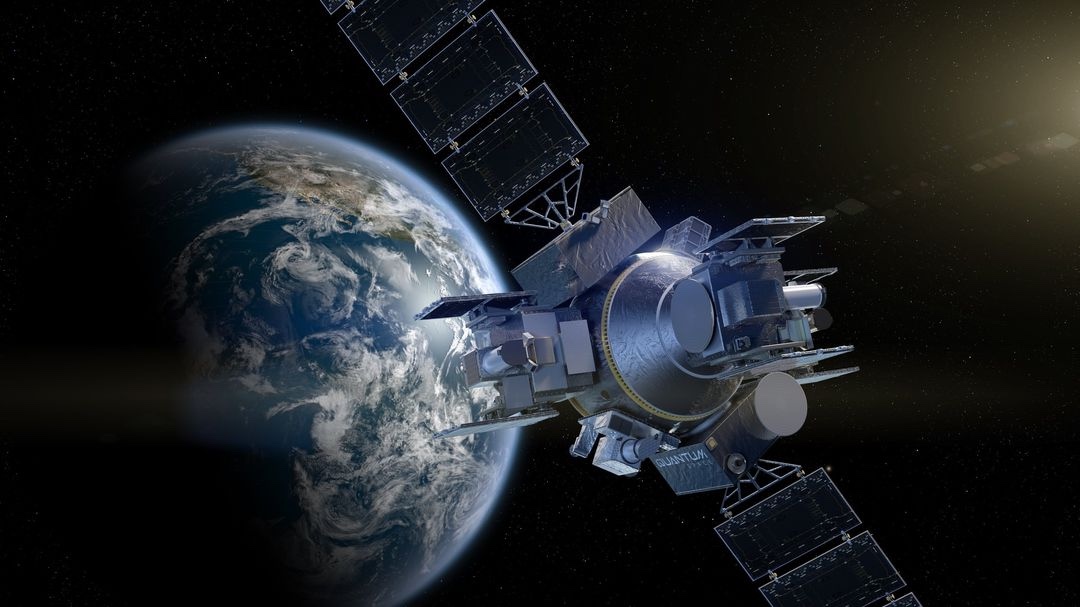
WASHINGTON — Quantum Space is acquiring propulsion technologies and facilities from Phase Four to support development of its Ranger maneuverable spacecraft. The company announced Sept. 22 it acquired Phase Four’s

NASA NASA has selected one small explorer mission concept to advance toward flight design and another for an extended period of concept development. NASA’s Science Mission Directorate Science Management Council

In this episode of Space Minds, host Mike Gruss is joined by SpaceNews journalists Jason Rainbow, Sandra Erwin, Jeff Foust and Debra Werner for a wide-ranging conversation on
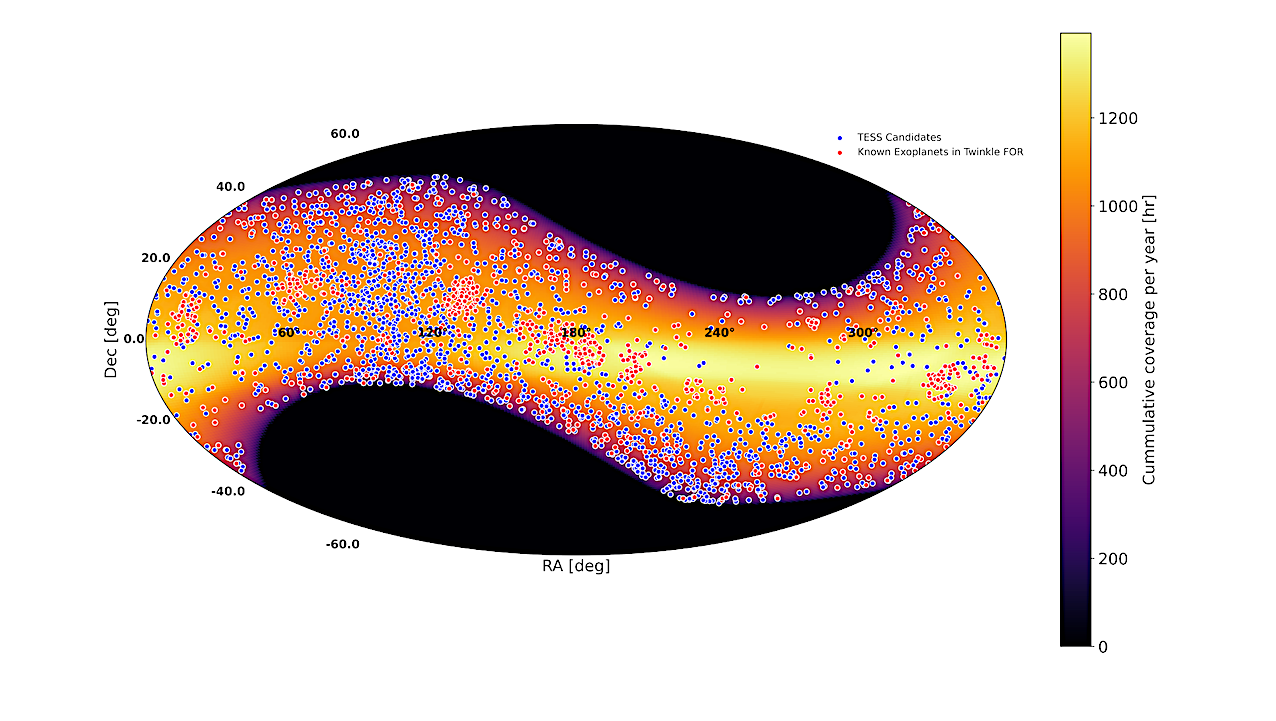
The sweep of Twinkle’s FOR and location of currently known exoplanets (red) and TESS objects of interest (blue). — astro-ph.IM The Twinkle Space Telescope is a satellite designed for spectroscopic
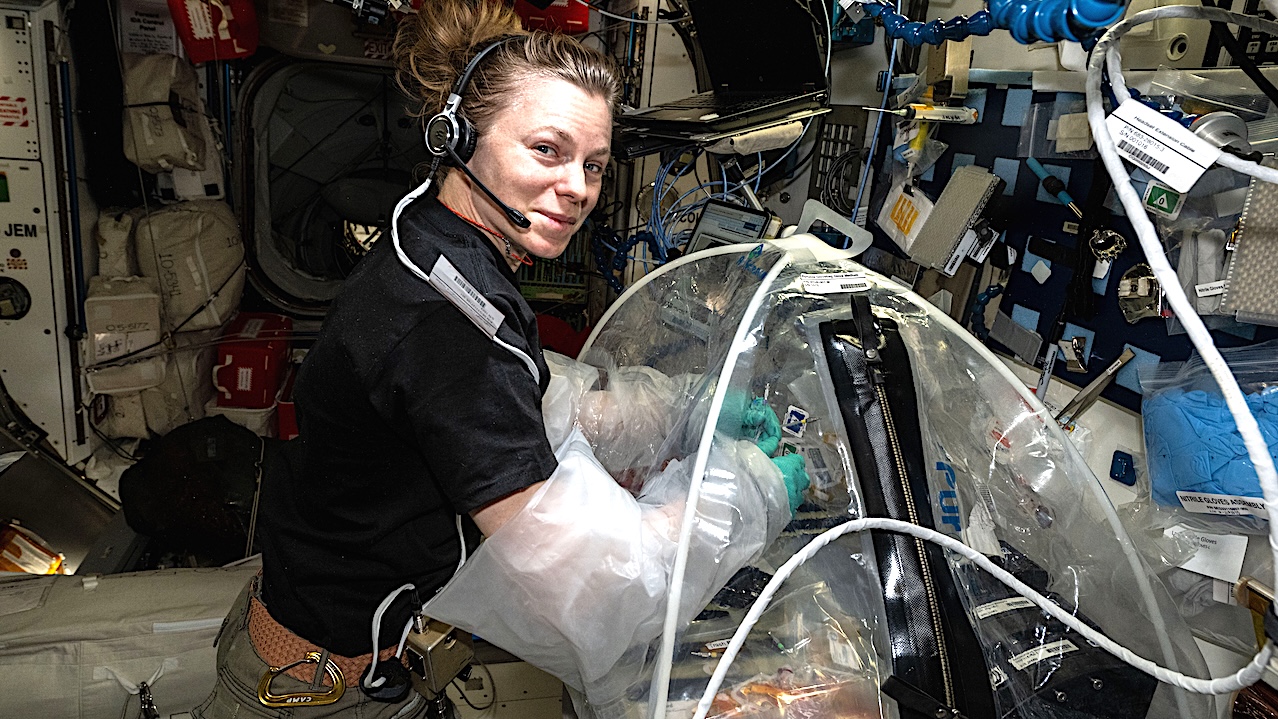
NASA ID: iss073e0545092 iss073e0545092 (Aug. 26, 2025) — larger image NASA astronaut and Expedition 73 Flight Engineer Zena Cardman works inside a portable glovebag aboard the International Space Station’s Harmony
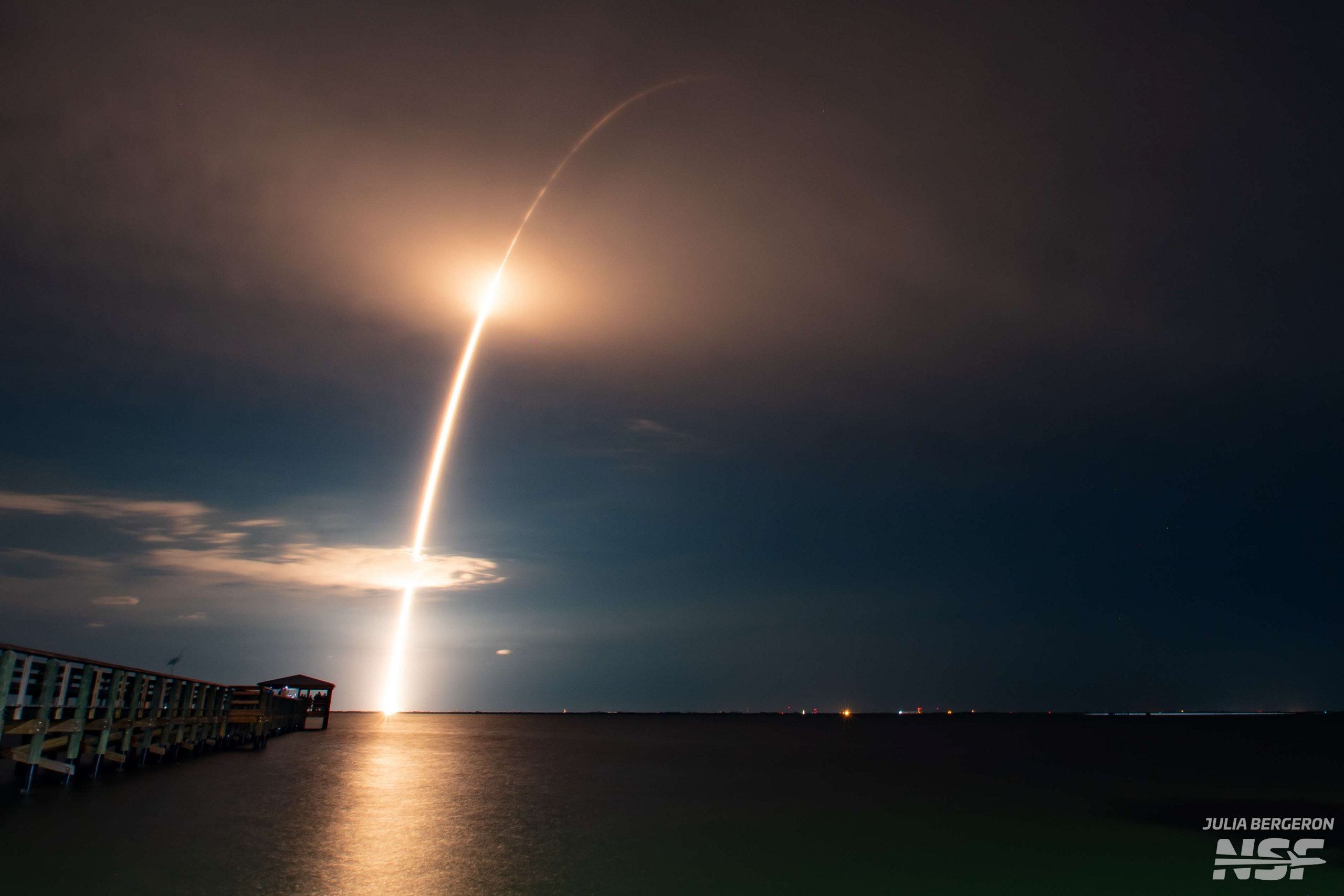
In an exciting week for space exploration, two pivotal cargo resupply missions are set to deliver vital supplies to the International Space Station (ISS). The first of these, Progress MS-32,

WASHINGTON — The chief executive of commercial space station developer Vast says he supports NASA’s revised approach to supporting development of such stations, calling it the best way to avoid
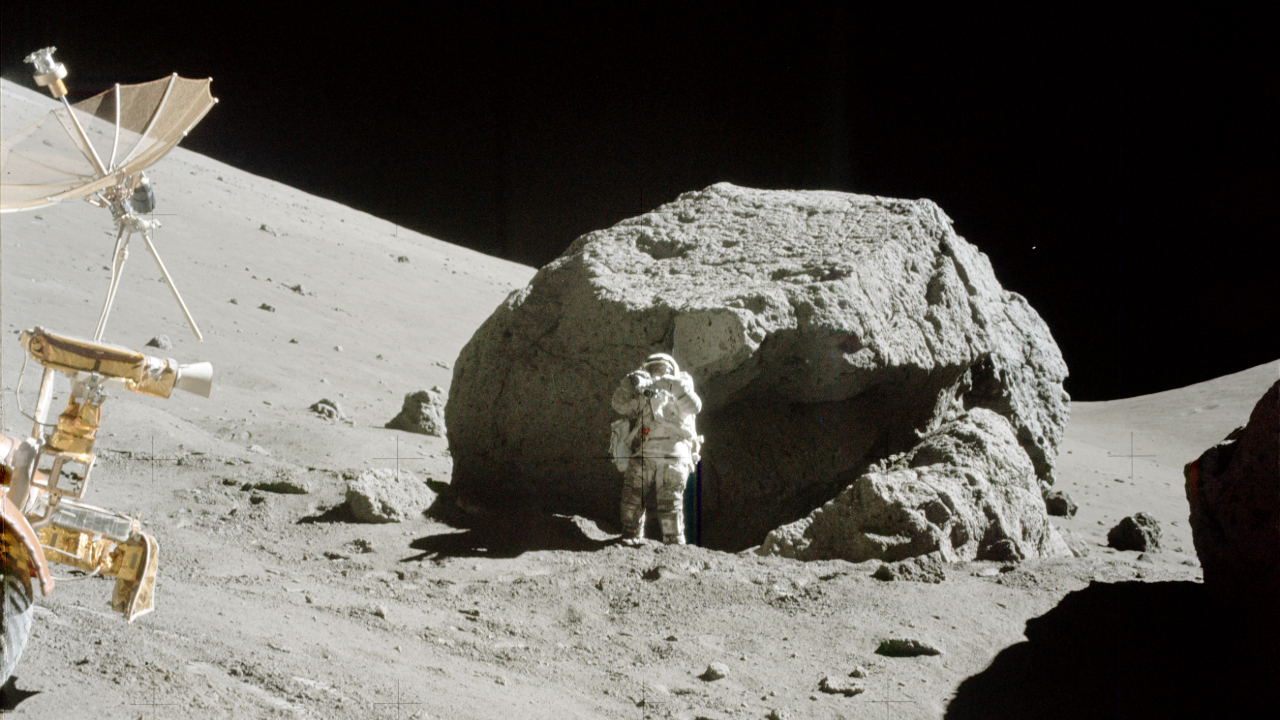
As the U.S. and other nations prepare for a new era of space exploration, new research suggests “moonquakes” could pose an invisible risk to future landers, habitats and long-term infrastructure.