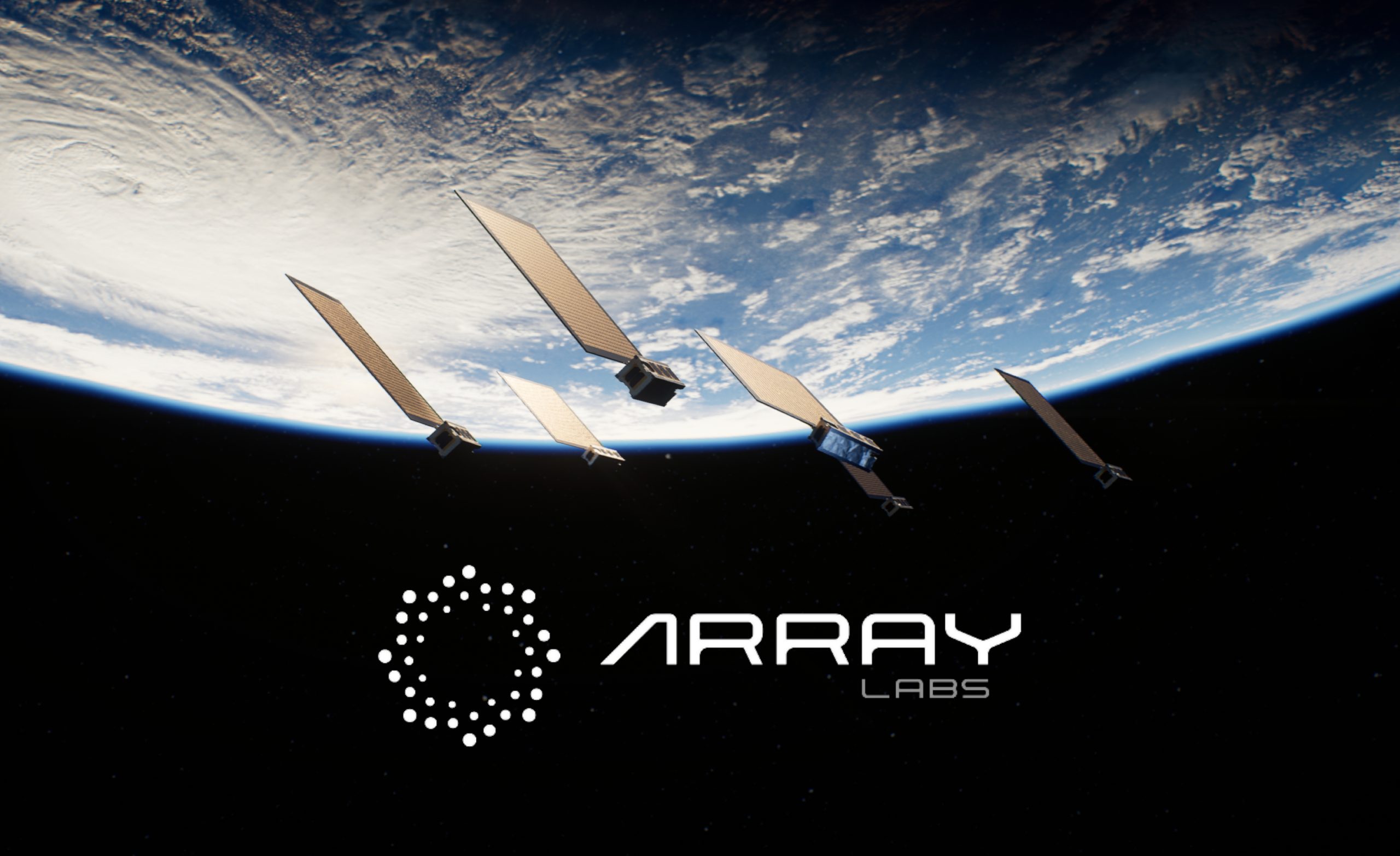
WASHINGTON — Array Labs, a Silicon Valley startup developing radar-based Earth observation satellites, announced Jan. 5 it raised $20 million in a Series A round as it pushes to bring

WASHINGTON — Array Labs, a Silicon Valley startup developing radar-based Earth observation satellites, announced Jan. 5 it raised $20 million in a Series A round as it pushes to bring
In a new study, scientists at the University of Missouri looked deep into the universe and found something unexpected. Using infrared images taken from NASA’s powerful James Webb Space Telescope
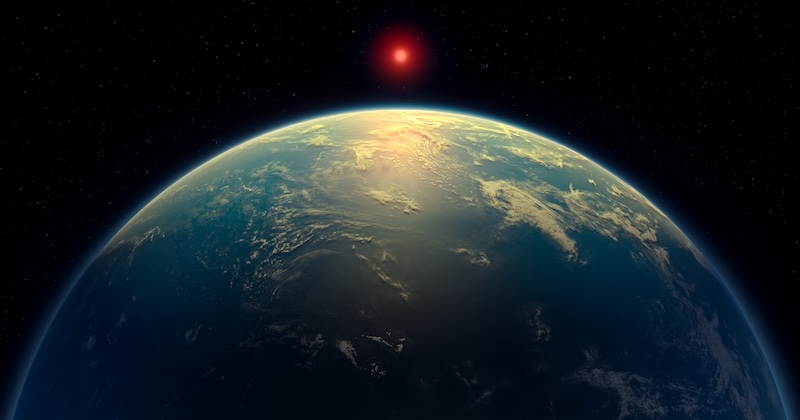
View larger. | Artist’s concept of exoplanet K2-18b. How do astronomers plan to detect the signatures of alien life in the atmospheres of distant planets? Find out below! Image via
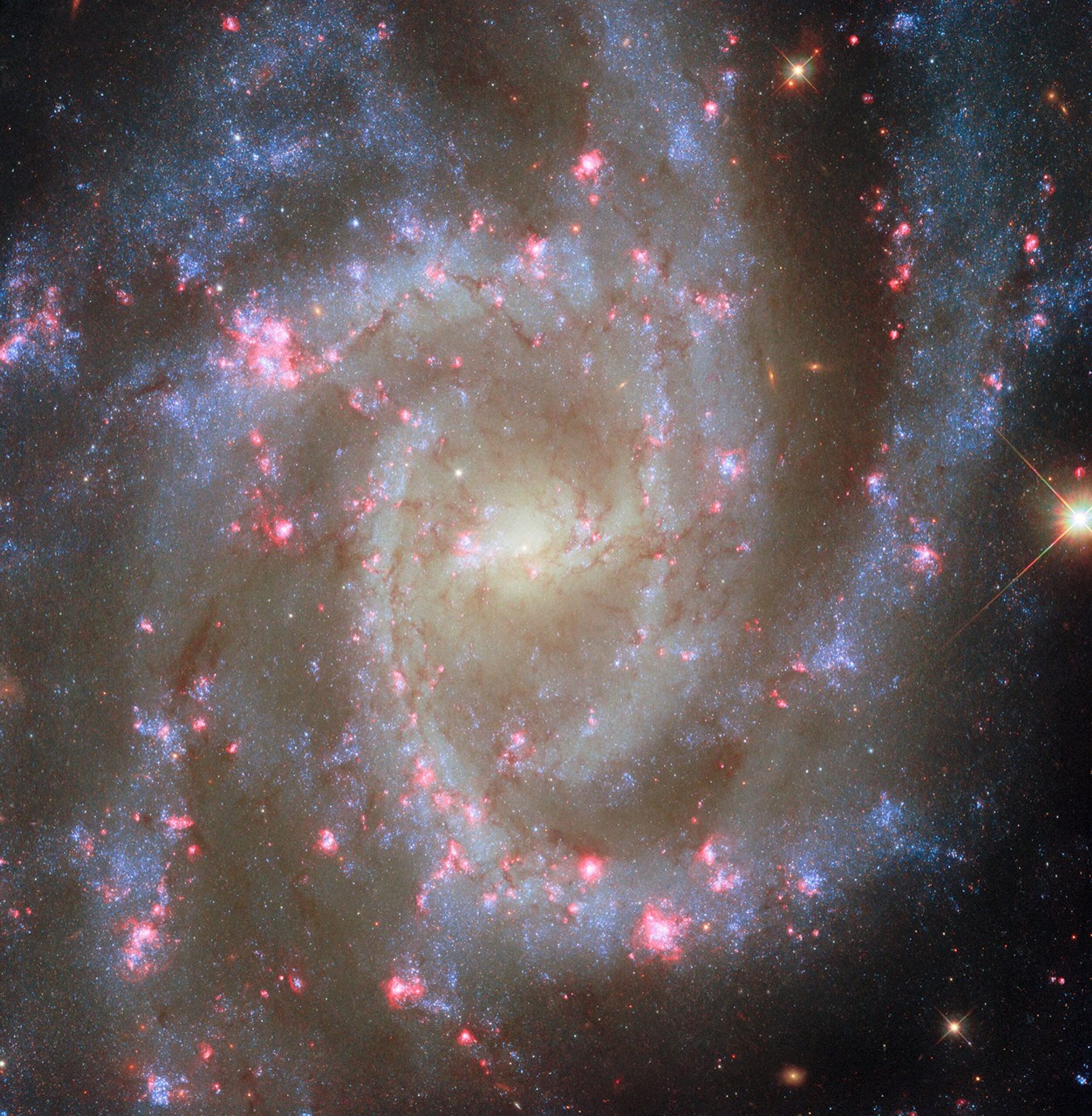
Explore Hubble Hubble Home Overview About Hubble The History of Hubble Hubble Timeline Why Have a Telescope in Space? Hubble by the Numbers At the Museum FAQs Impact & Benefits
On Aug. 7 and 8, NASA’s Nancy Grace Roman Space Telescope team assessed the observatory’s solar panels and a visor-like sunshade called the deployable aperture cover—two components that will be
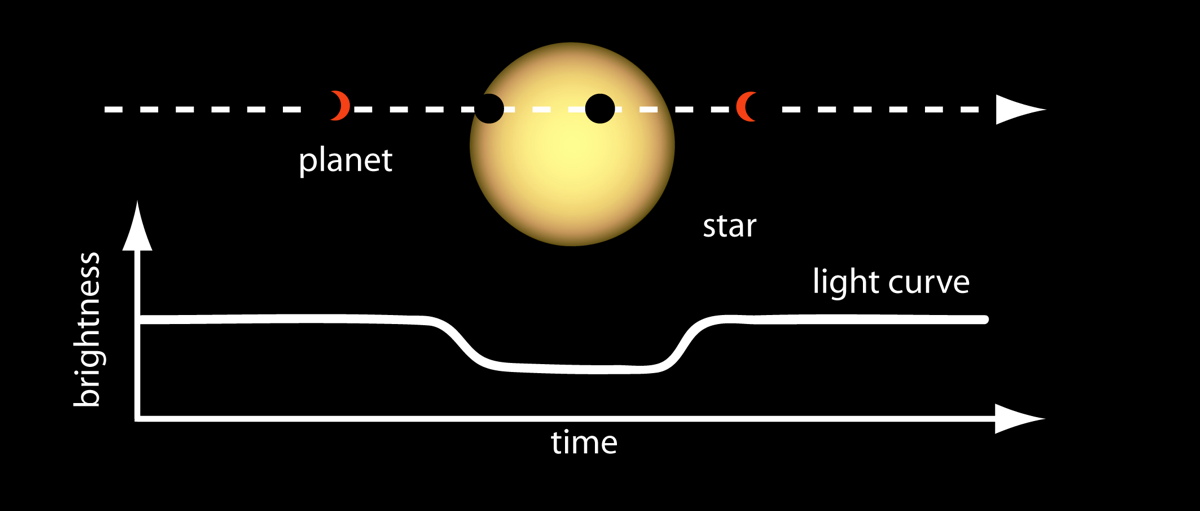
NASA scientists have devised a new way to use planets that cross, or “transit,” the face of their parent stars to investigate stellar “spottiness.” The new technique, called the “StarryStarryProcess,”
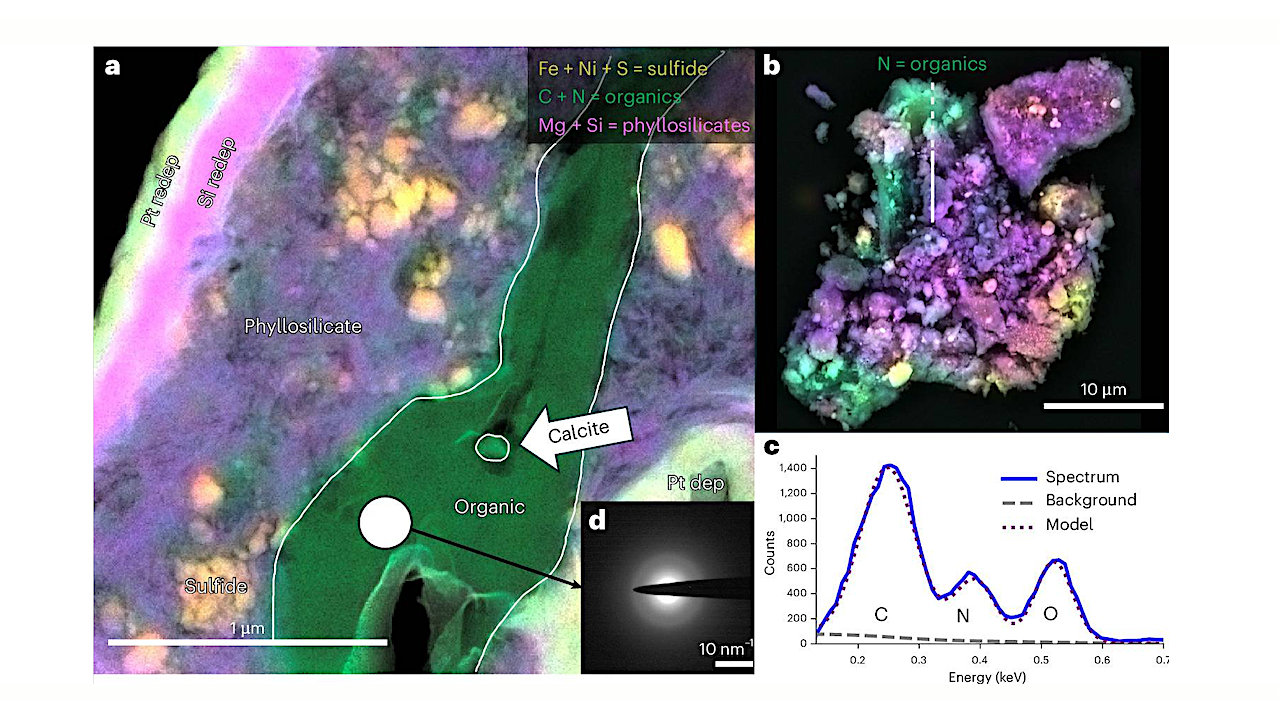
a, STEM high-angle annular dark field (HAADF) + EDS image of Particle 2. A nitrogenous vein (green) is sandwiched between phyllosilicate regions (purple). A circular region shows the location of a selected
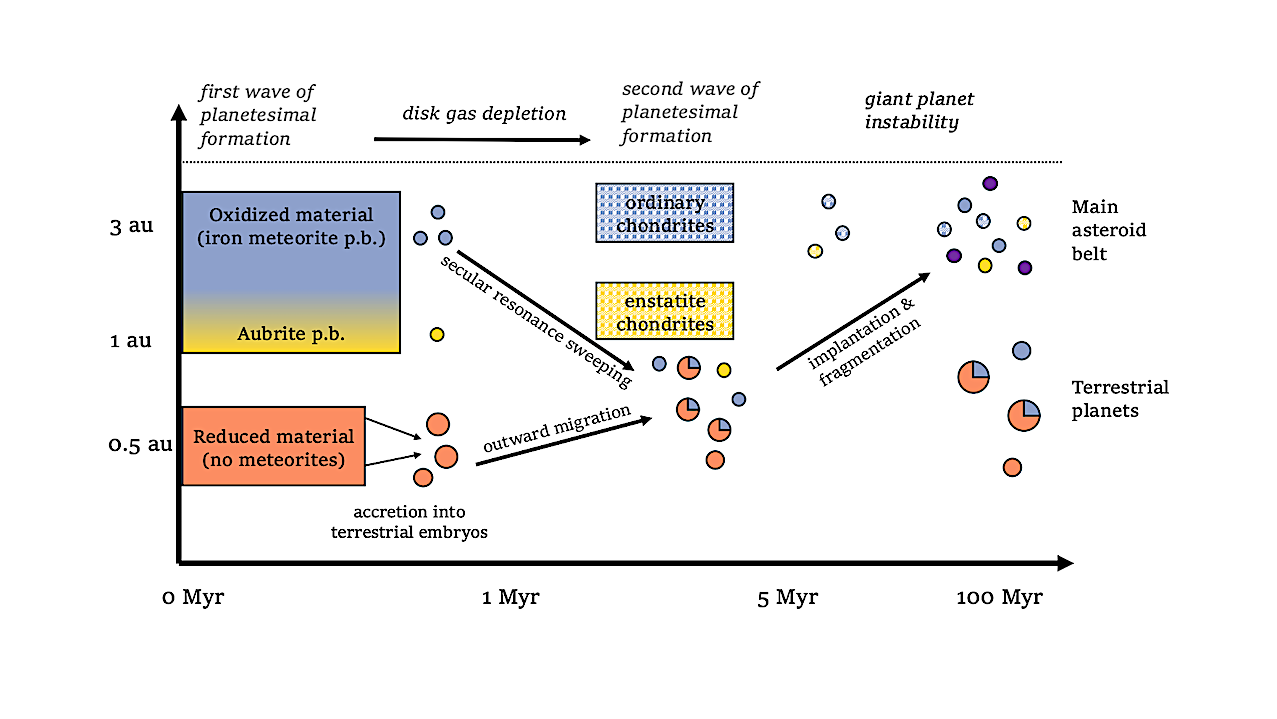
A sketch of the proposed scenario. Oxidized planetesimals decay to near 1 au, accreting onto proto-Earth and proto-Venus as well as forming Mars. Some oxidized planetesimals and aubrite-like planetesimals remain
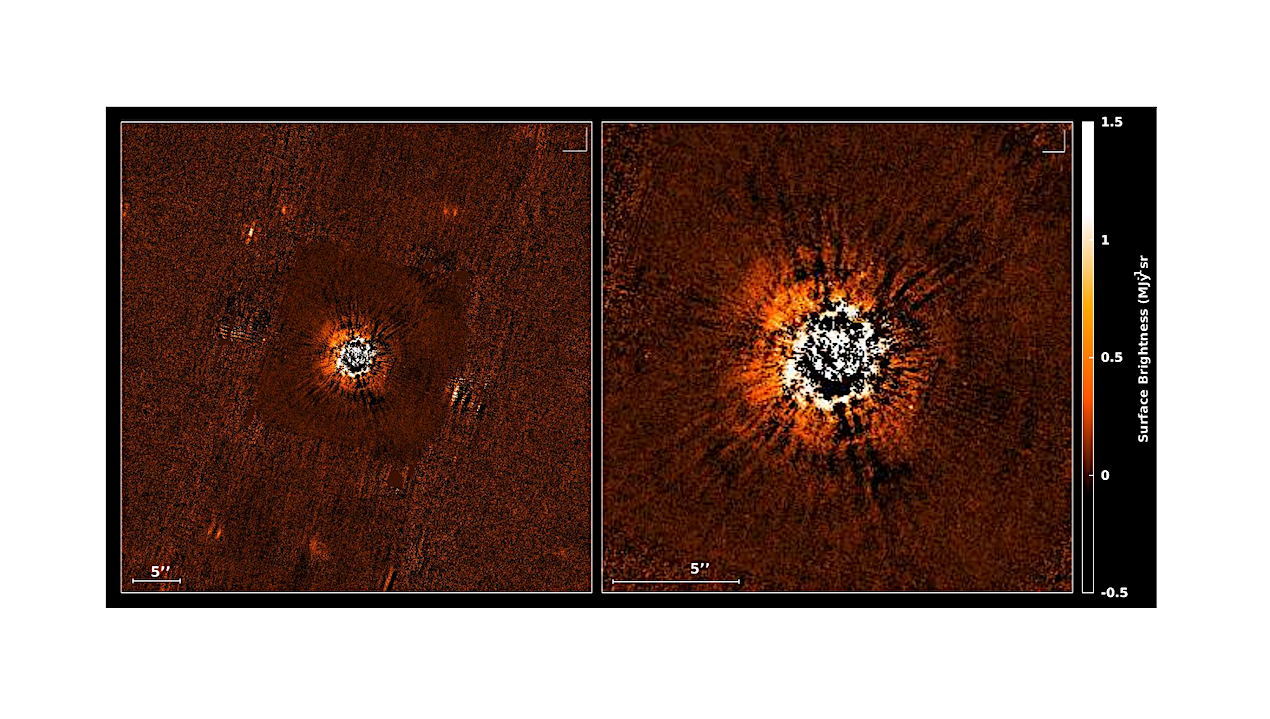
The final F444W image produced via classical RDI optimized for extended source emission retrieval (FULL and Subarray combined), shown at a larger field of view to include the outer ring
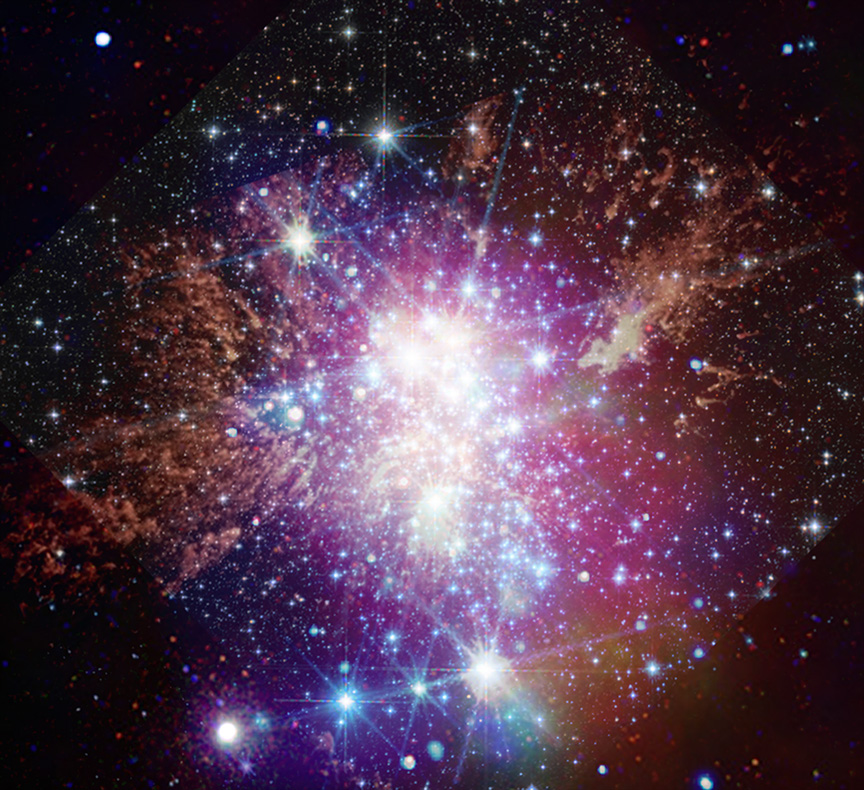
X-ray: NASA/CXC/SAO; Optical: NASA/ESA/STScI; IR: NASA/ESA/CSA/STScI; Processing: NASA/CXC/SAO/L. Frattare Westerlund 1, the biggest and closest “super” star cluster to Earth, dazzles in this image released on July 23, 2025. This