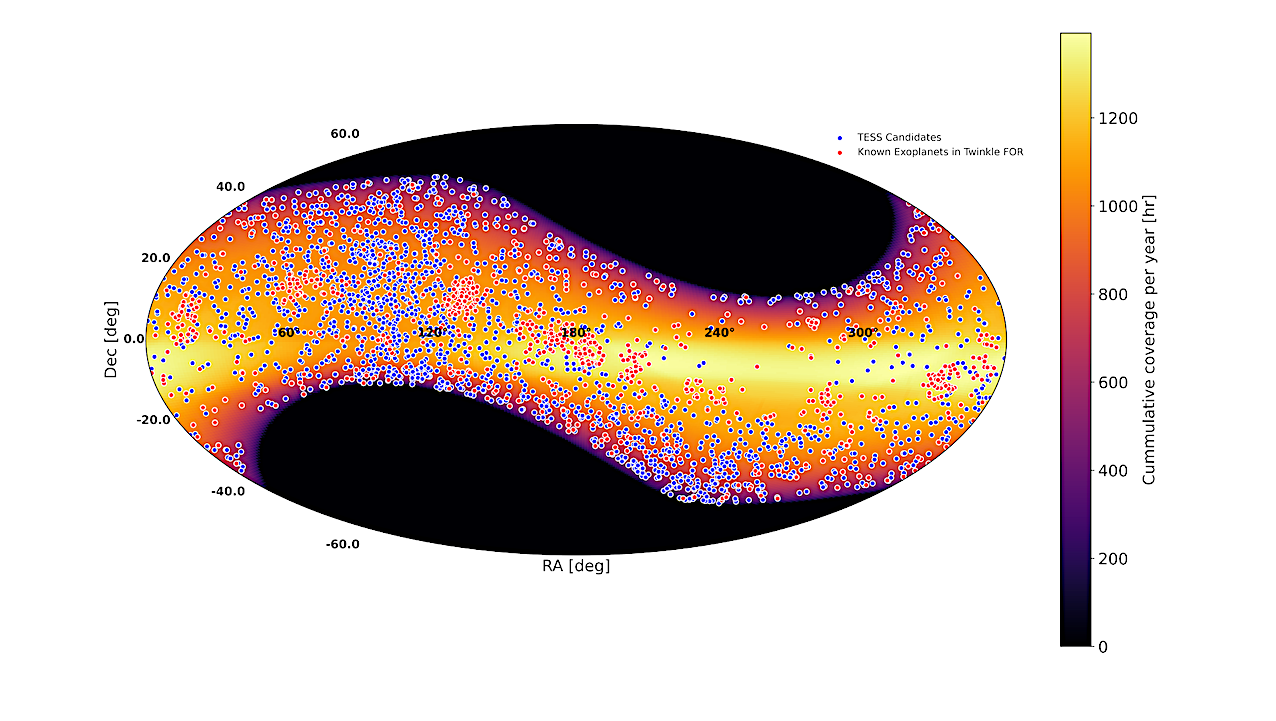
The sweep of Twinkle’s FOR and location of currently known exoplanets (red) and TESS objects of interest (blue). — astro-ph.IM The Twinkle Space Telescope is a satellite designed for spectroscopic

The sweep of Twinkle’s FOR and location of currently known exoplanets (red) and TESS objects of interest (blue). — astro-ph.IM The Twinkle Space Telescope is a satellite designed for spectroscopic
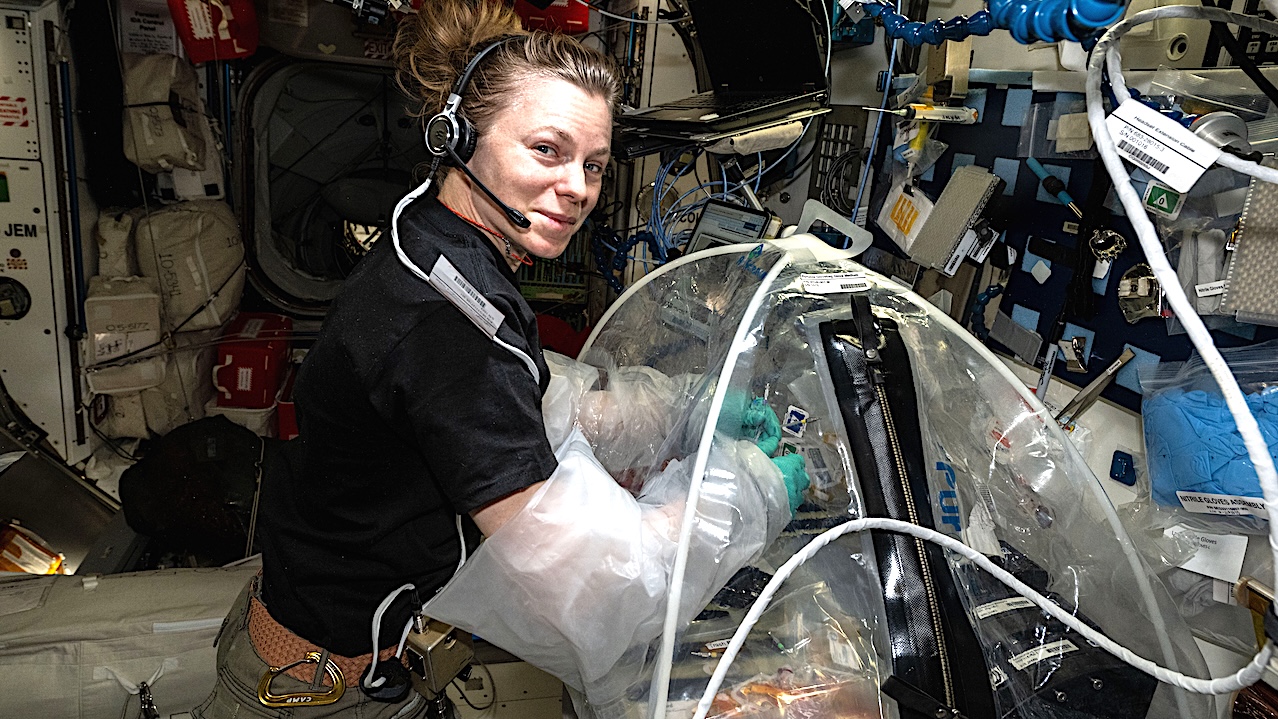
NASA ID: iss073e0545092 iss073e0545092 (Aug. 26, 2025) — larger image NASA astronaut and Expedition 73 Flight Engineer Zena Cardman works inside a portable glovebag aboard the International Space Station’s Harmony
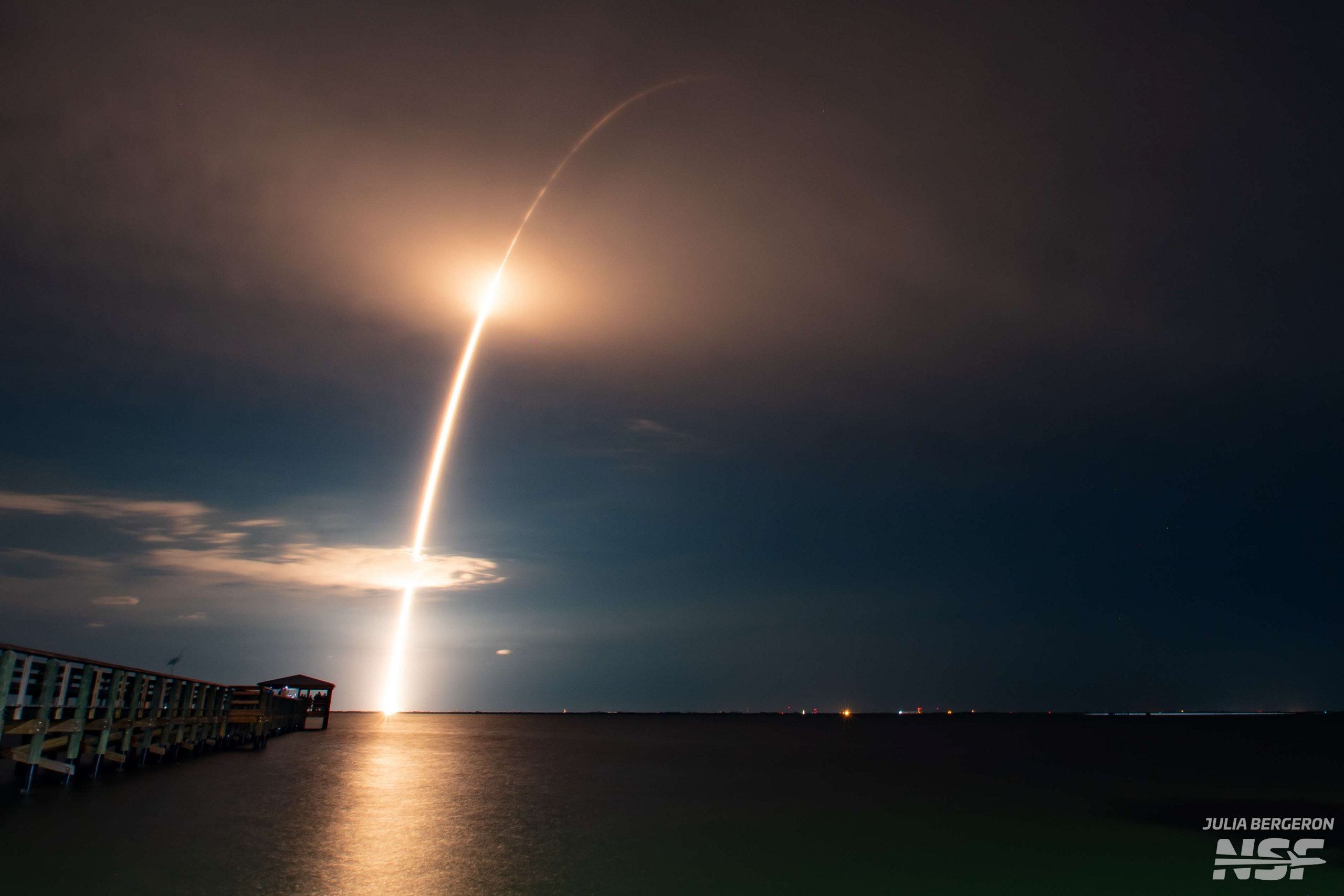
In an exciting week for space exploration, two pivotal cargo resupply missions are set to deliver vital supplies to the International Space Station (ISS). The first of these, Progress MS-32,

WASHINGTON — The chief executive of commercial space station developer Vast says he supports NASA’s revised approach to supporting development of such stations, calling it the best way to avoid
For decades, science fiction writers have tried their best to prepare us for eventual contact with aliens. Their efforts are dominated by several recurrent tropes. There’s the invasion by a
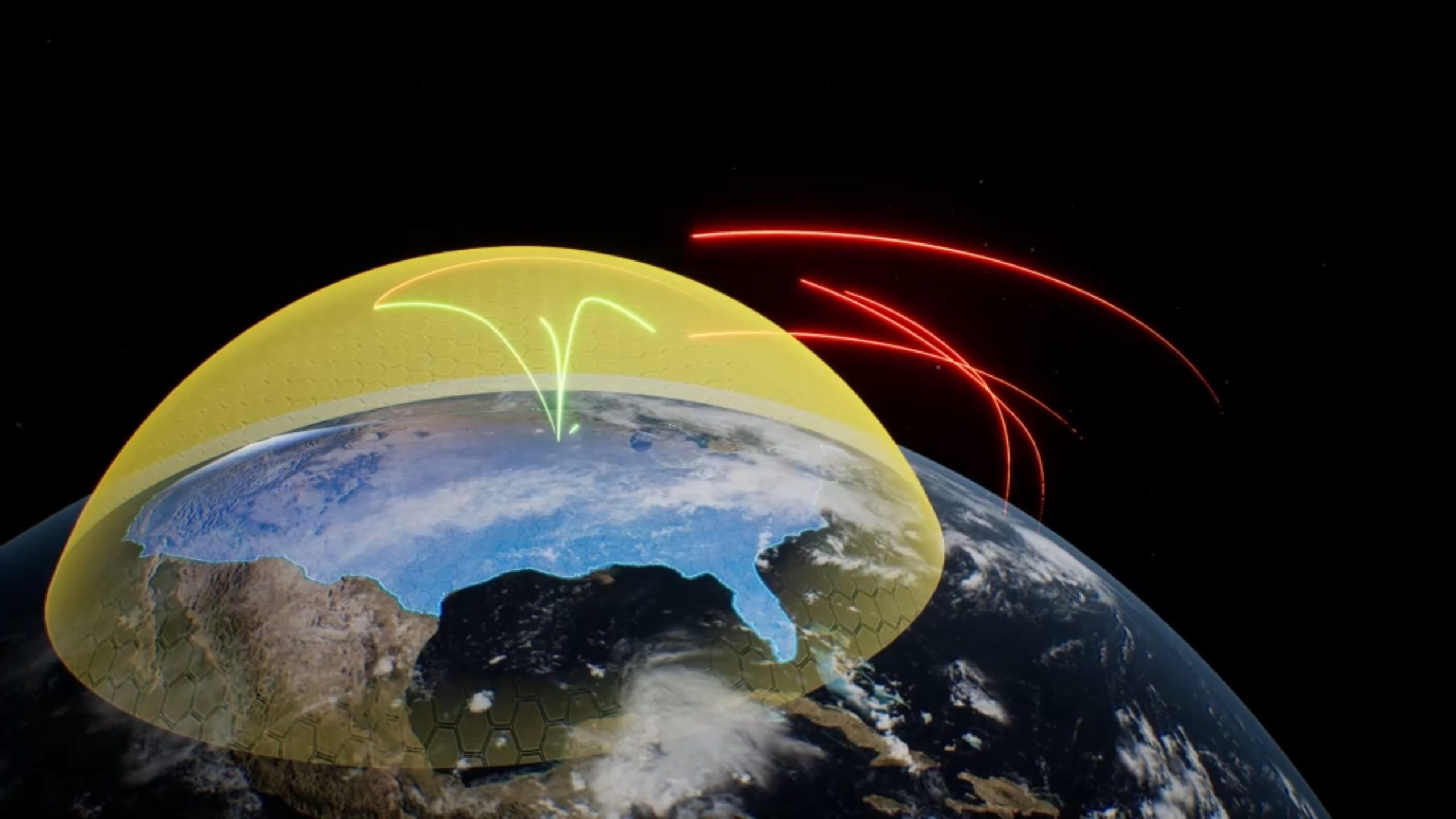
The era of single-vector threats is behind us. That was Aerial Defense 1.0, when defenses were designed for ballistic missiles tracked by radar and defeated by linear kill webs. Threats

Astrophysicist and pianist Amir Siraj is lead author on the new work, suggesting an unseen Planet Y, hidden in the far reaches of our solar system. He is currently studying
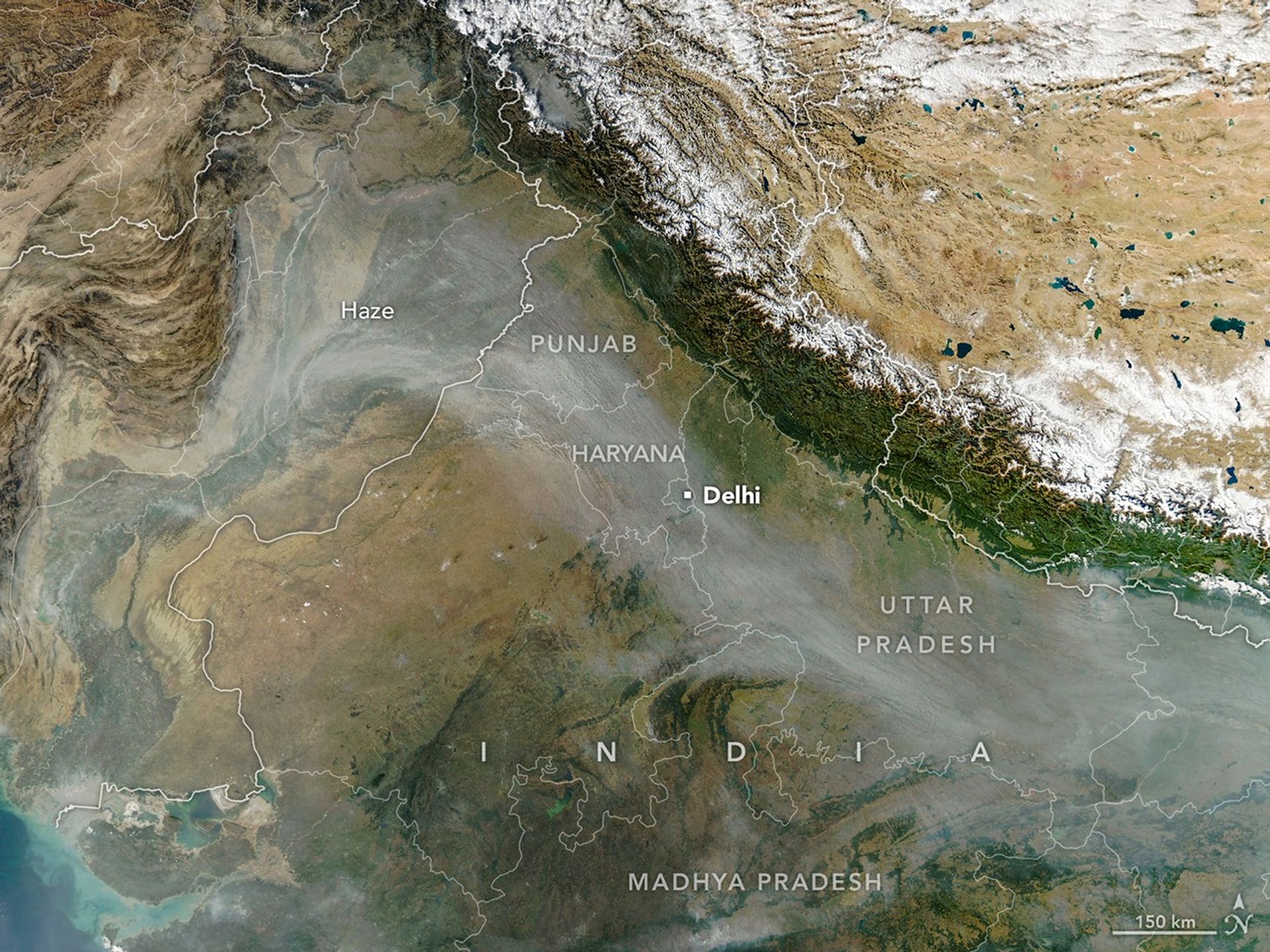
EO Science Earth Observatory New Timing for Stubble Burning… Earth Earth Observatory Image of the Day EO Explorer Topics All Topics Atmosphere Land Heat & Radiation Life on Earth Human

Rock & Roll Hall of Famer Ace Frehley died on Thursday (Oct. 16), succumbing to a head injury he sustained at his home in September, his family confirmed this week.
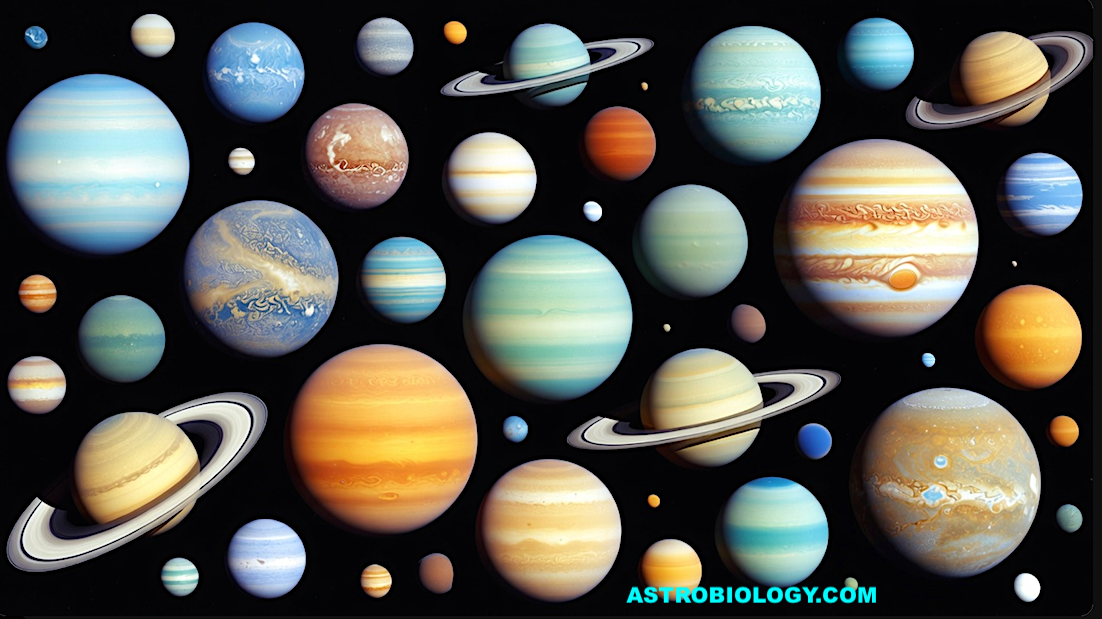
Hunting for “Oddballs” — Grok via Astrobiology.com This study explores the application of autoencoder-based machine learning techniques for anomaly detection to identify exoplanet atmospheres with unconventional chemical signatures using a