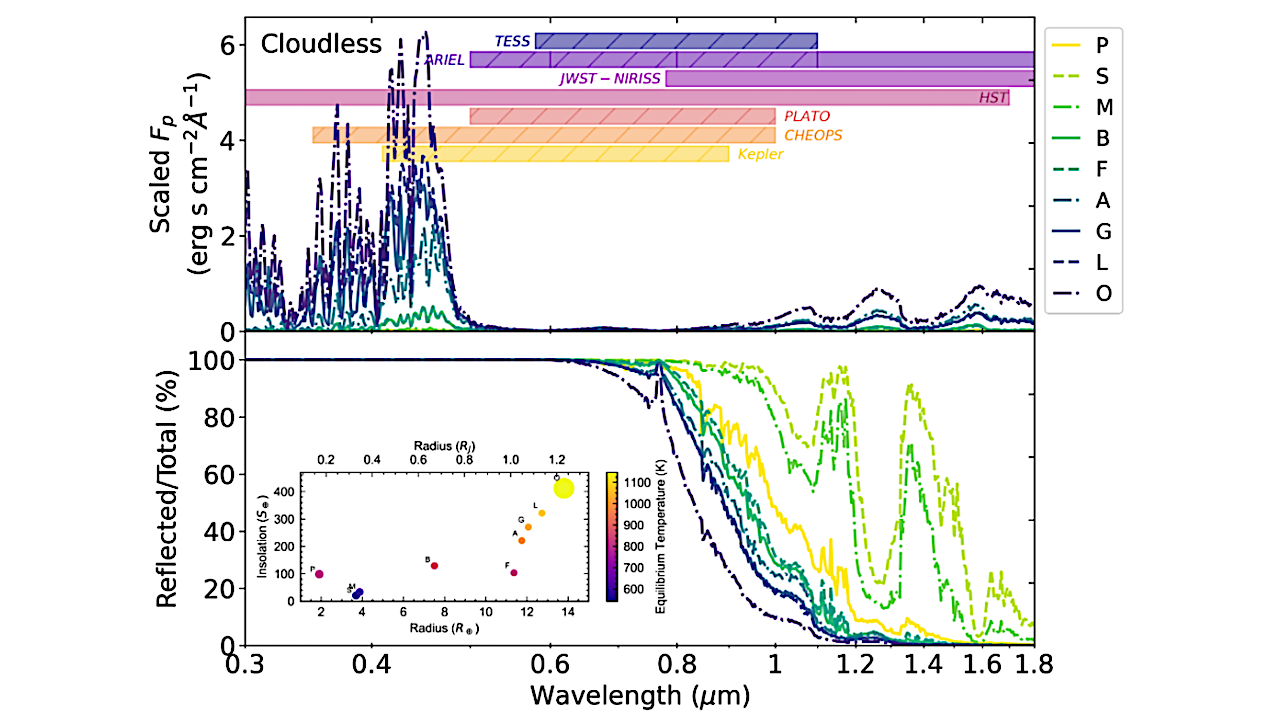
Top – the total planetary flux as measured in flux units for cloud-free planetary atmospheres. Bottom – the percent contribution of reflected light to the total flux as a function

Top – the total planetary flux as measured in flux units for cloud-free planetary atmospheres. Bottom – the percent contribution of reflected light to the total flux as a function
Forty light-years away, seven Earth-sized planets orbit around a dim red dwarf star in one of the most tightly packed planetary systems ever discovered. The TRAPPIST-1 system has captivated astronomers
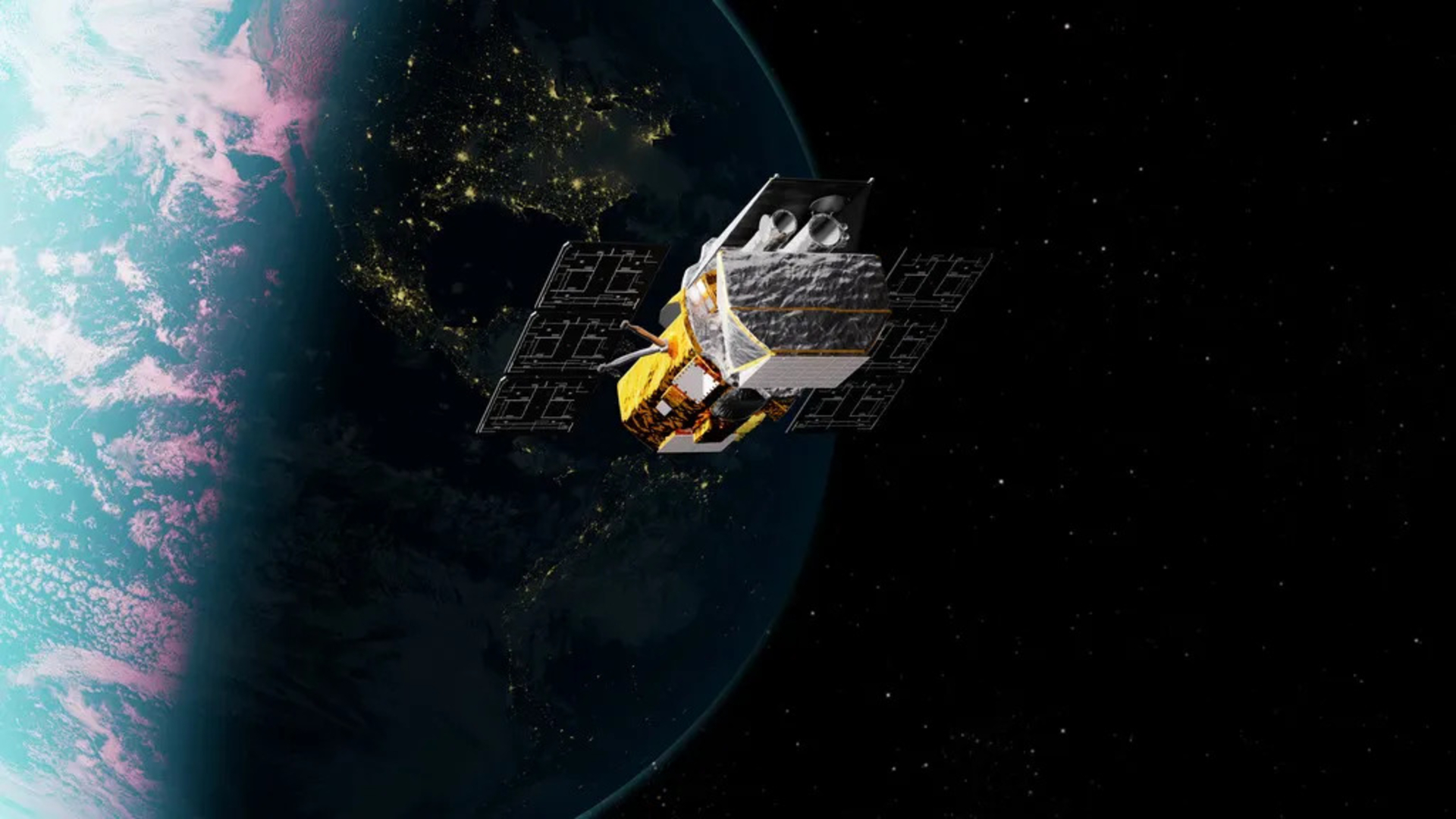
A private company will give a powerful NASA space telescope a new lease on life next year, if all goes according to plan. Arizona-based Katalyst Space Technologies has scored a
One of the main questions in exoplanet science concerns M dwarfs (red dwarfs) and the habitability of exoplanets that orbit them. These stars are known for their prolific and energetic

SpaceX’s Dragon Endeavour spacecraft drifts away from the International Space Station on Wednesday, Jan. 14, 2026, as NASA’s SpaceX Crew-11 mission winds down. Image: NASA via livestream Update Jan. 14,

Not to be confused with the numerically similar Canon EOS R50 or R50 V, which, like this Nikon, squeezes an APS-C sensor into a compact chassis, the Z50 II updates

Space missions in the future could travel to Mars, asteroids and the outer solar system by riding on nuclear-powered rockets, thanks to a new design that utilizes energy from the
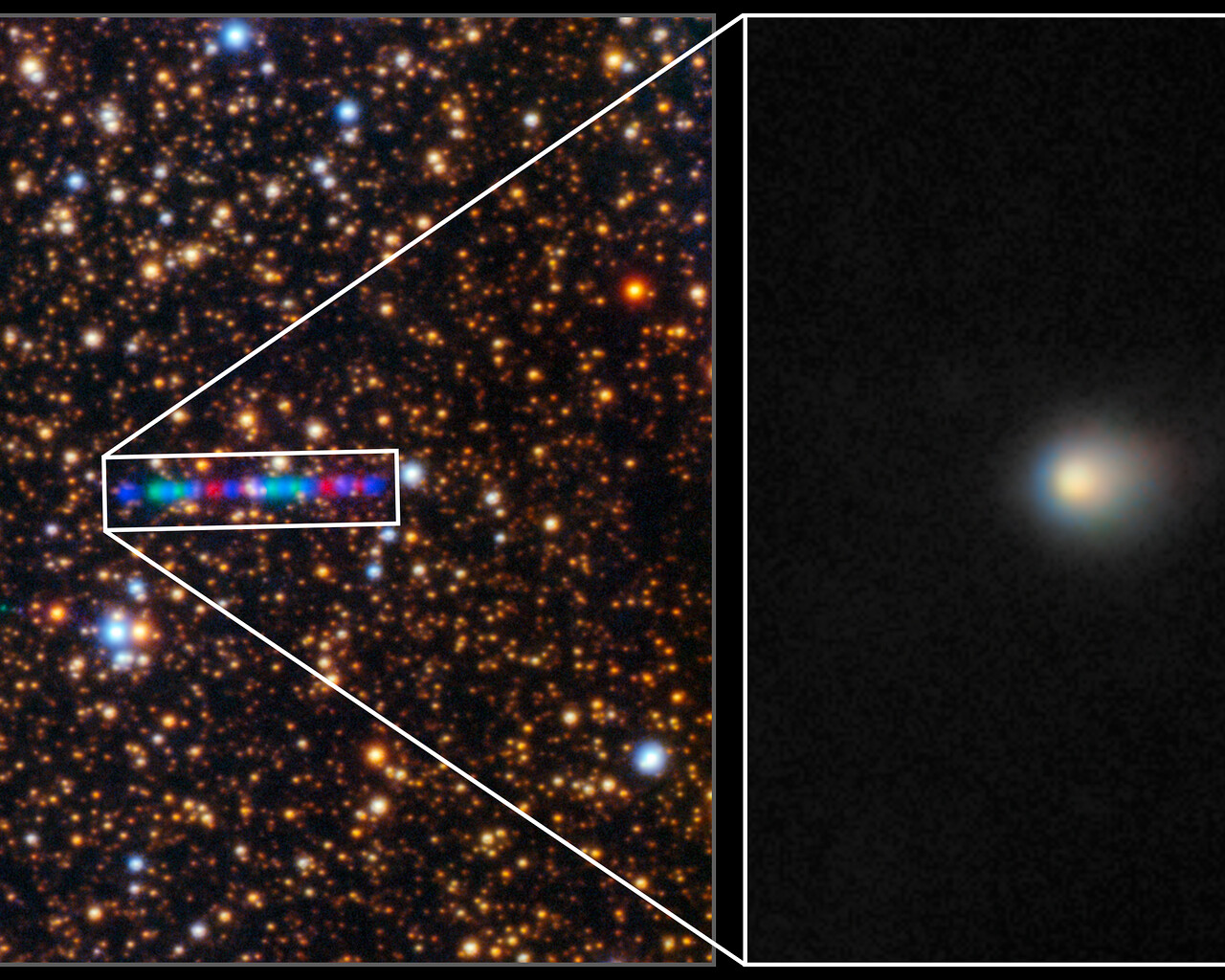
Astronomers unveiled a striking new view of the interstellar visitor 3I/ATLAS on its journey toward the inner solar system. The Gemini North telescope in Hawai‘i captured the newfound comet passing
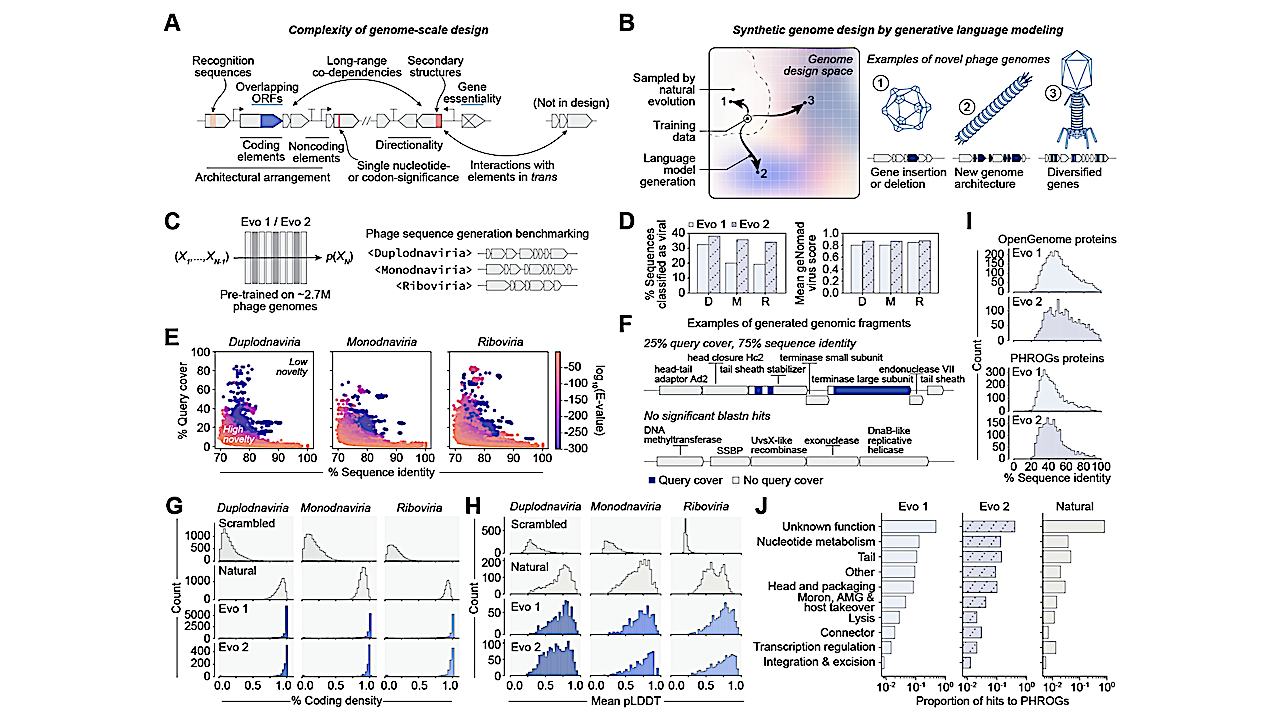
Evo composes realistic bacteriophage genomic sequences. (A) Key considerations highlight- ing the complexity of genome-scale design. (B) Generative genome language models have the potential to access novel phage genome design
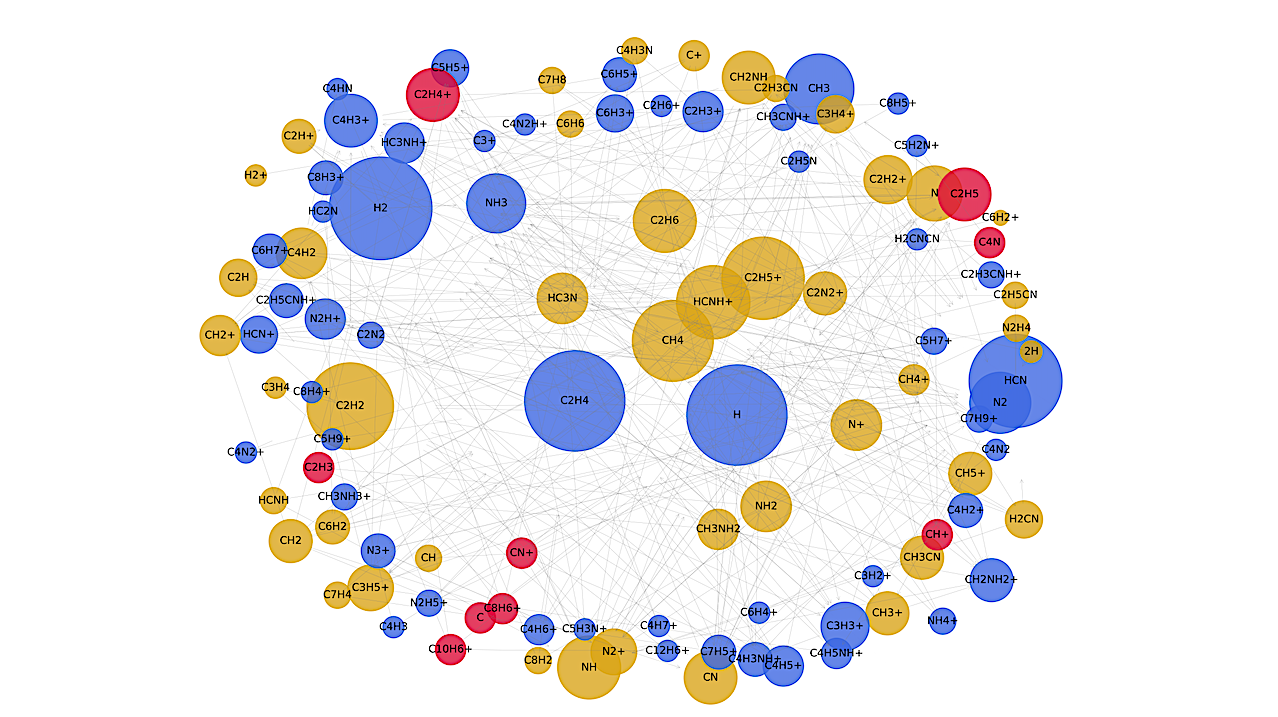
Schematic diagram showing all the model pathways leading to the production of both neutrals and cations. Each molecular species indicated here has a node whose size is proportional to the