The mission patch symbolizing the National Reconnaissance Office’s proliferated architecture satellite constellation. Graphic: NRO SpaceX is preparing for a late night Falcon 9 launch from Vandenberg Space Force Base on

The mission patch symbolizing the National Reconnaissance Office’s proliferated architecture satellite constellation. Graphic: NRO SpaceX is preparing for a late night Falcon 9 launch from Vandenberg Space Force Base on

Using a microscope inside a research lab on Mars – Grok via Astrobiology.com Dear all, It’s been a little while since our last update: we hope you’ve all been doing

The Federal Aviation Administration (FAA) has granted SpaceX the green light to proceed with its 10th test flight of the Starship rocket, tentatively scheduled for August 24. This approval marks
Ireland’s first satellite, EIRSAT-1, has completed its mission orbiting Earth. The CubeSat, which was built and launched by students and faculty of University College Dublin (UCD), will de-orbit in a

Explore This Section Overview About Decadal Survey Investigations Missions Organization Partnerships Advisory Committee Ames Research Center Glenn Research Center Marshall Space Flight Center Jet Propulsion Lab Johnson Space Center Kennedy
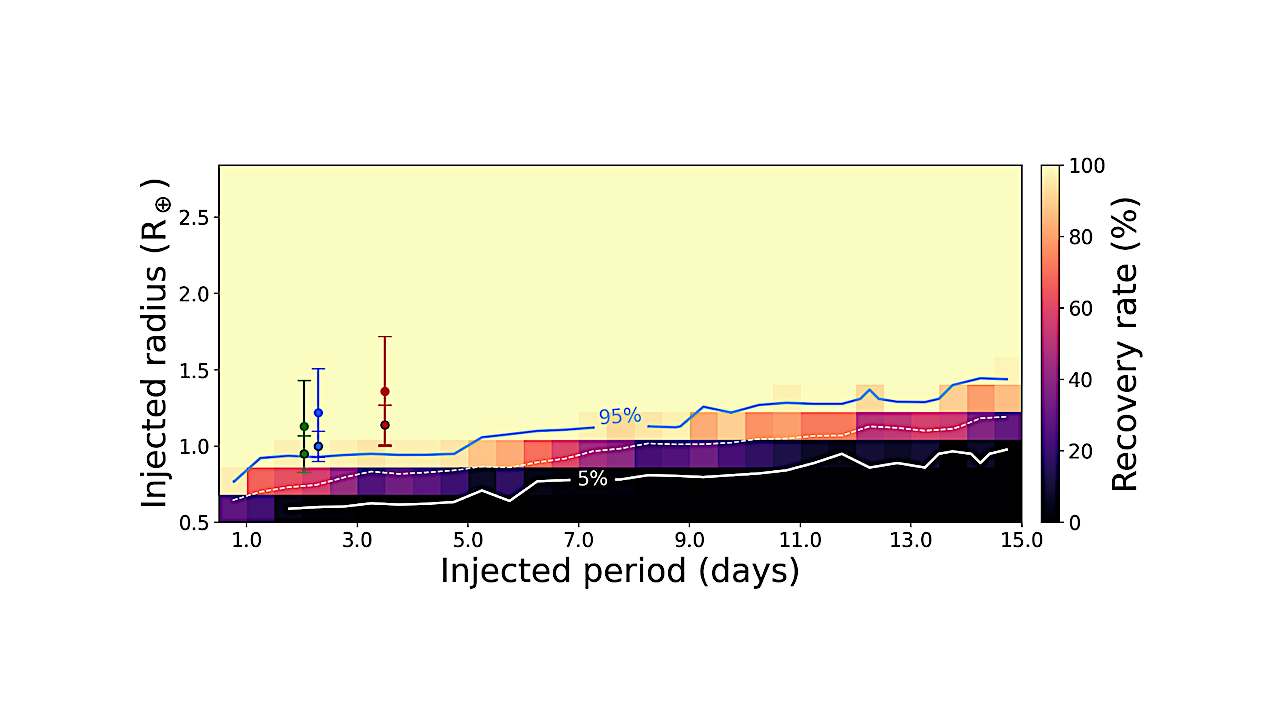
MATRIX injection-and-recovery experiment conducted to establish the detection limits using the ten TESS sectors described in Sect. 3.1. We explored a total of 18000 different scenarios, where each pixel evaluated
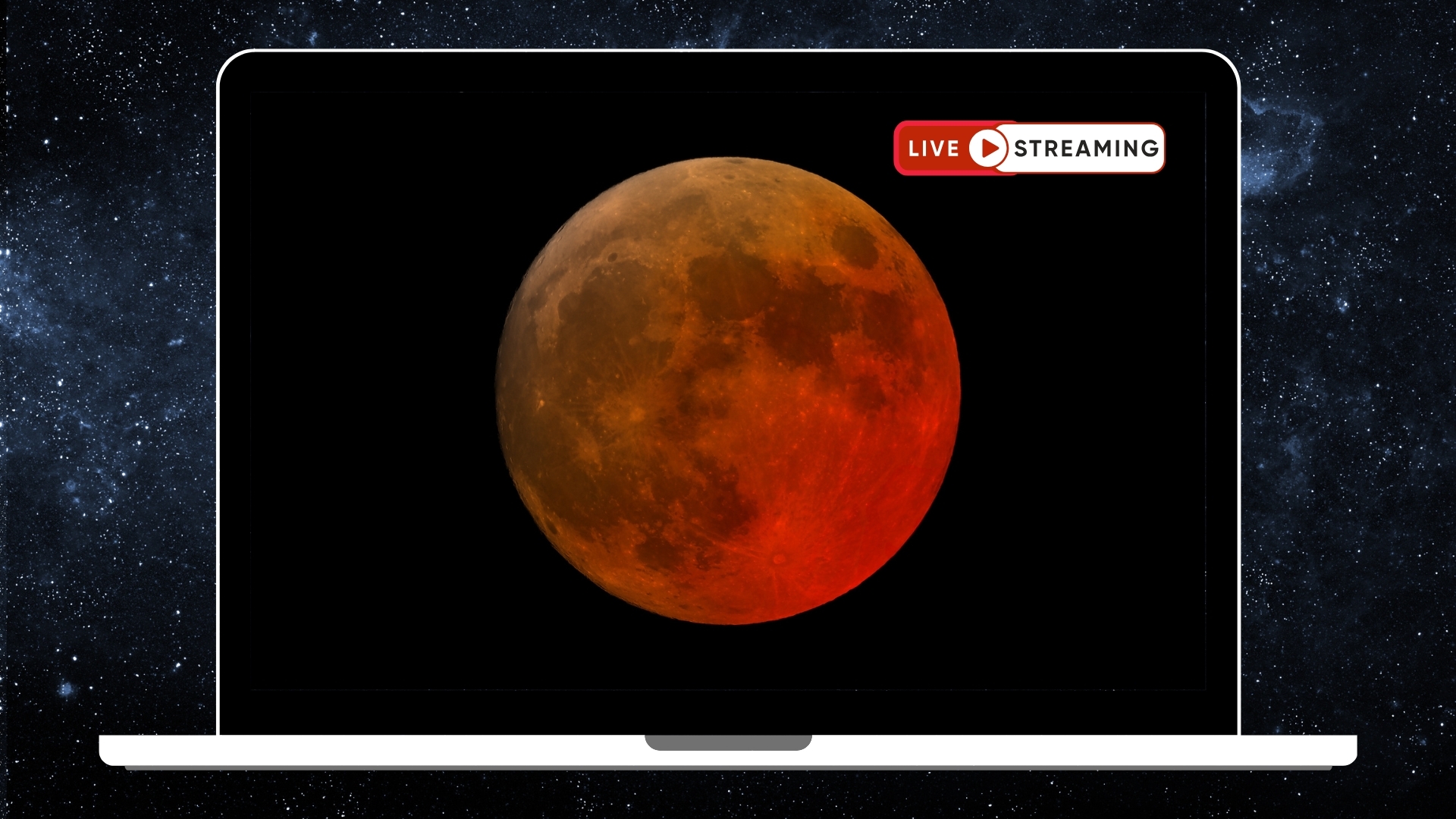
Stargazers will be treated to a spectacular view on the night of Sept. 7-8, as Earth’s inner shadow sweeps across its natural satellite, triggering a “blood moon” total lunar eclipse.
In the search for habitable exoplanets, atmospheric conditions play a key role in determining if a planet can sustain liquid water. Suitable candidates often sit in the “Goldilocks zone,” a

Position of TOI-270 b relative to the cosmic shoreline. Escape velocity and cumulative XUV irradiation, computed using the scaling of Zahnle & Catling (2017), for all known exoplanets with equilibrium
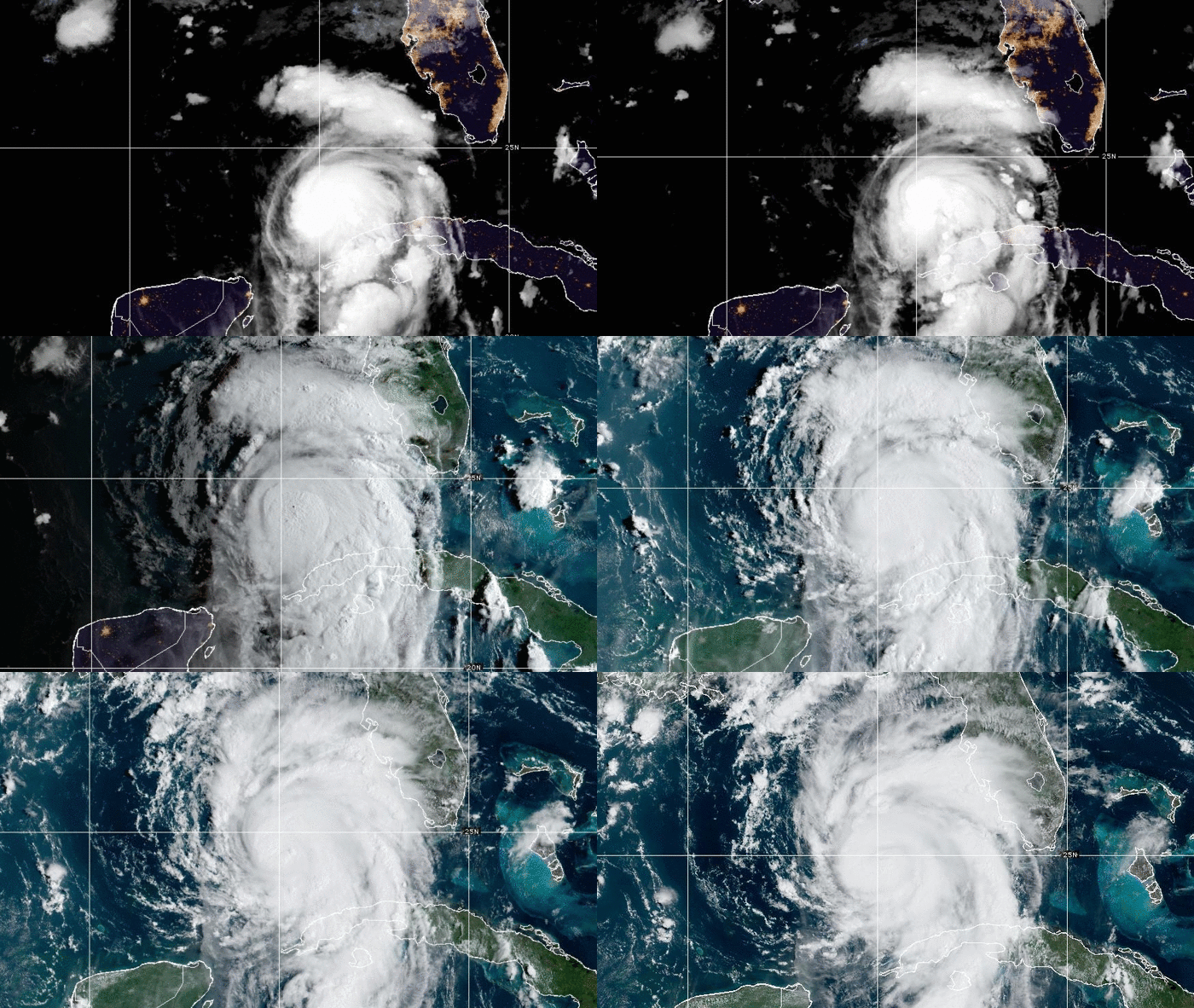
This article was originally published at The Conversation. The publication contributed the article to Space.com’s Expert Voices: Op-Ed & Insights. Hurricanes are America’s most destructive natural hazards, causing more deaths