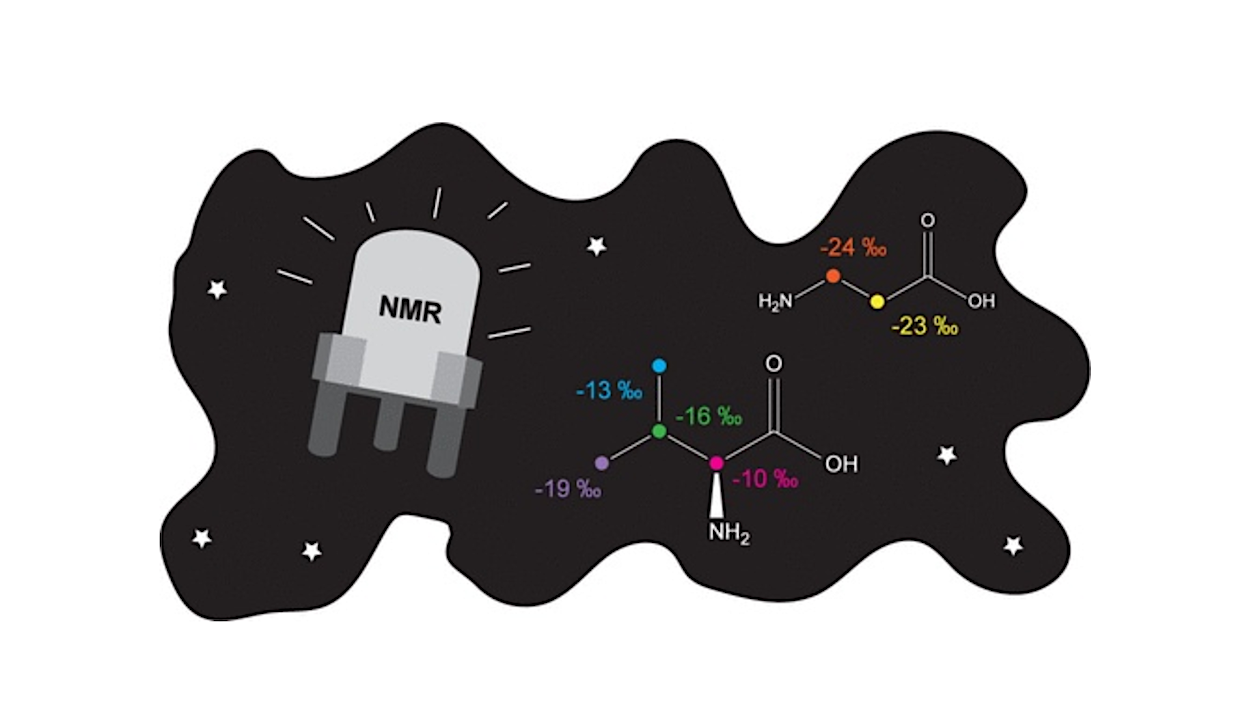
Graphical Abstract – ACS Earth and Space Chemistry via Xmol For decades, nuclear magnetic resonance (NMR) spectroscopy has been utilized as a powerful tool in various scientific disciplines, most prominently

Graphical Abstract – ACS Earth and Space Chemistry via Xmol For decades, nuclear magnetic resonance (NMR) spectroscopy has been utilized as a powerful tool in various scientific disciplines, most prominently

Radio astronomy took another step forward recently, with the completion of Phase III of the Murchison Widefield Array (MWA) in Western Australia. We’ve reported before on how the MWA has
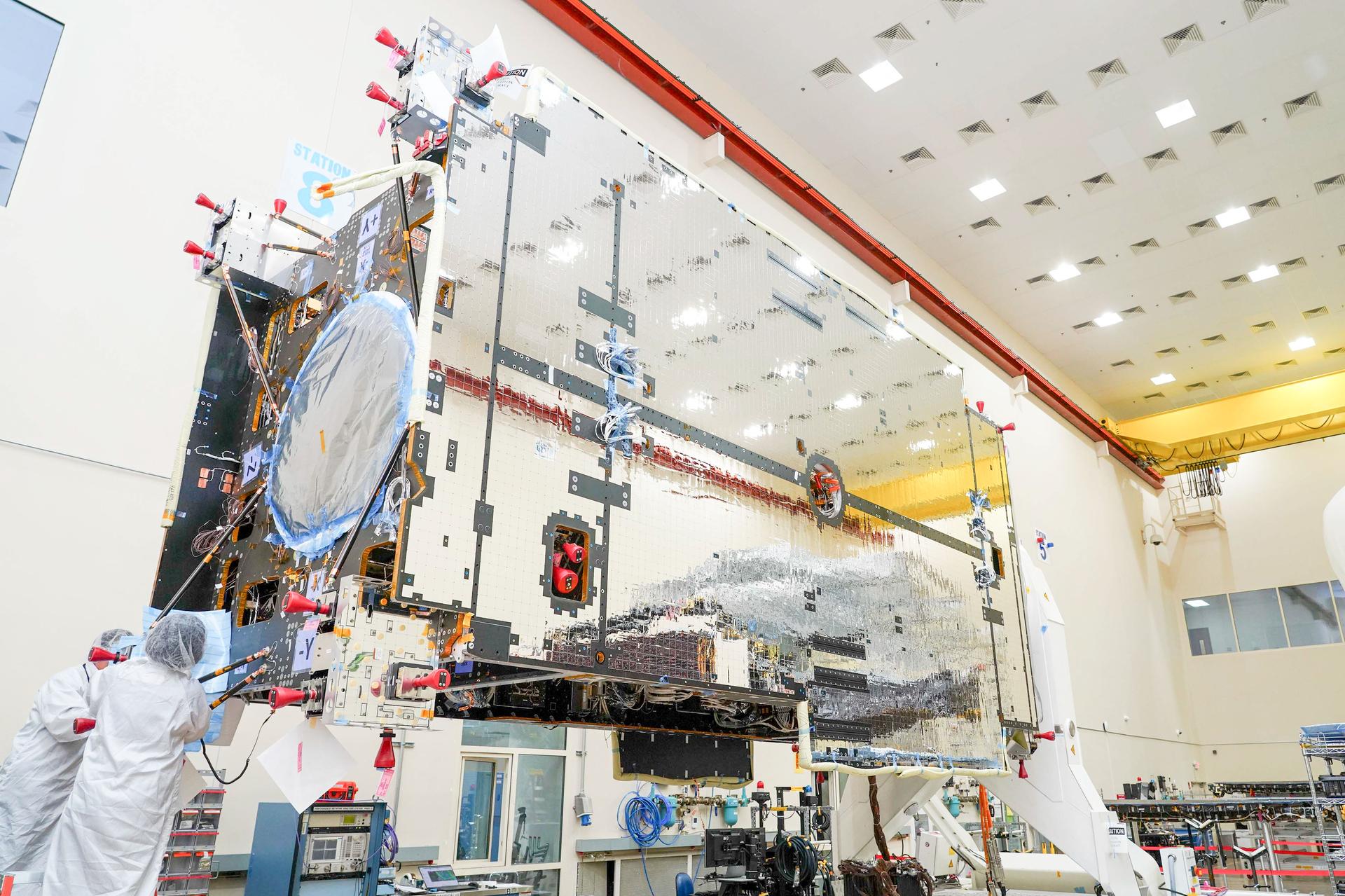
1 min read Preparations for Next Moonwalk Simulations Underway (and Underwater) The primary structure of Gateway’s Power and Propulsion Element (PPE) undergoing assembly, integration, and testing at Lanteris Space Systems
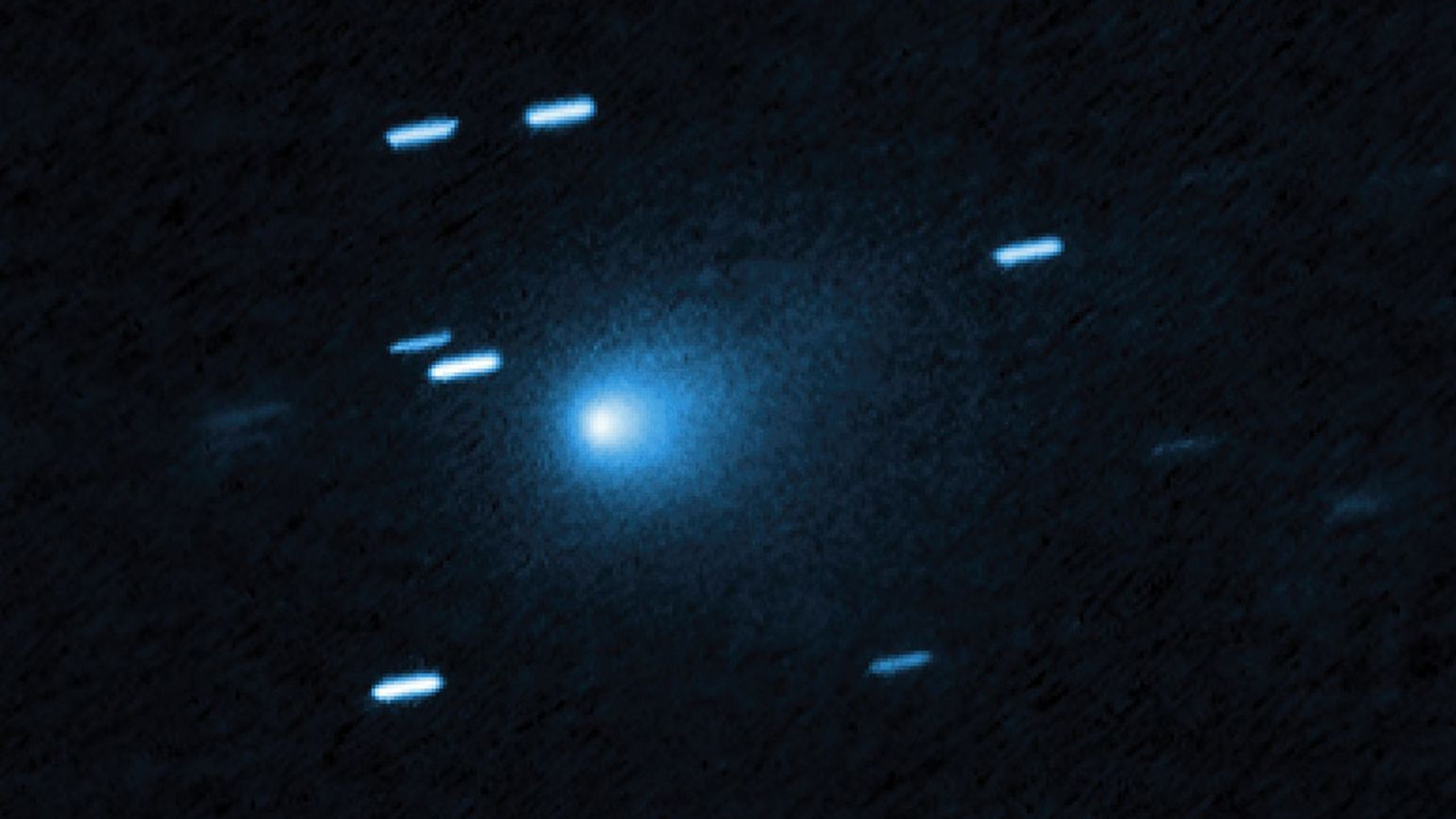
Astronomers have a new theory about planetary formation, and it revolves around one mysterious concept: interstellar visitors. No, not little green men, but rather deep-space wanderers like the peculiar comet
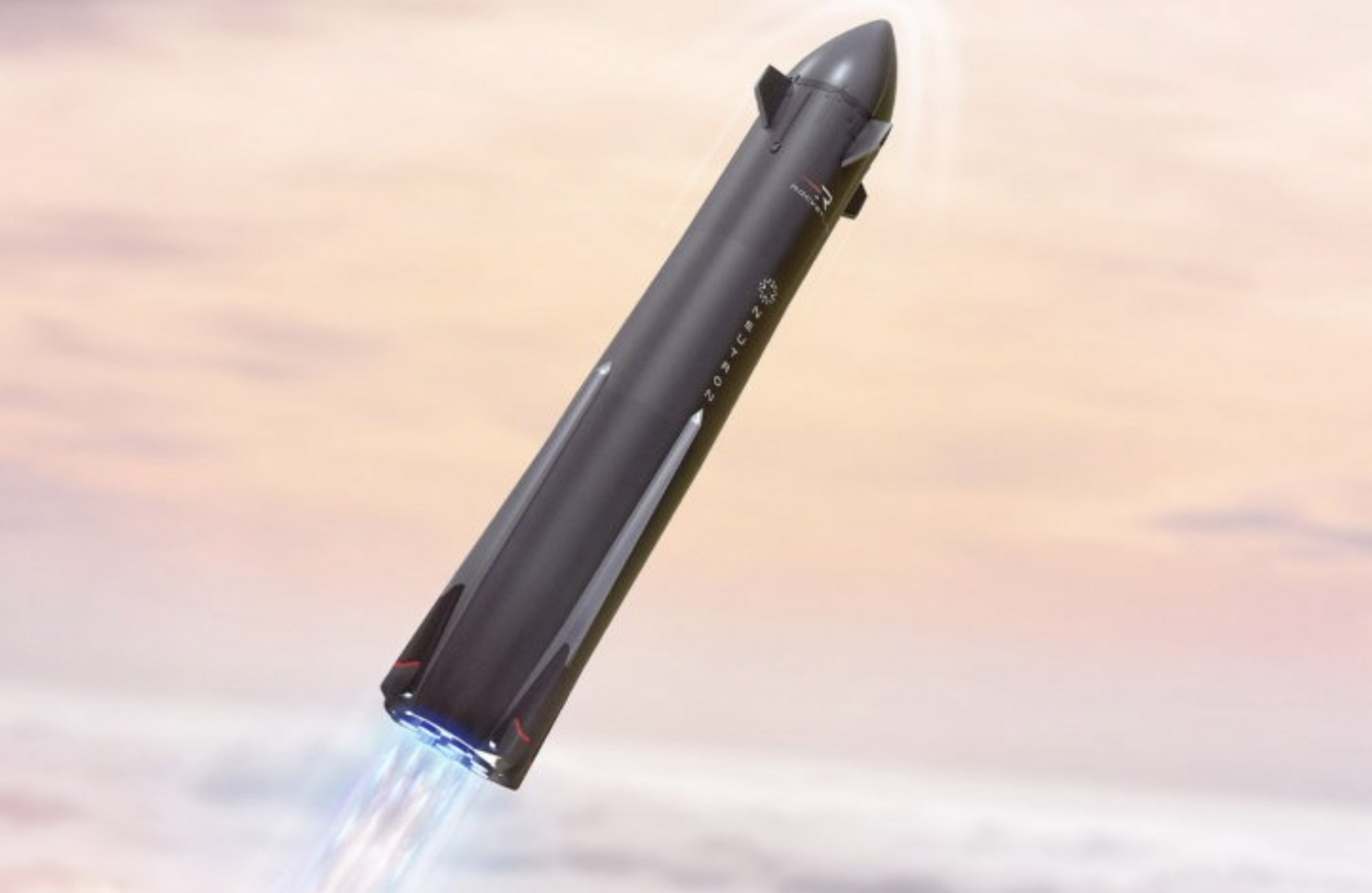
WASHINGTON — The failure of a propellant tank during testing in January will delay the first launch of Rocket Lab’s Neutron rocket to at least the fourth quarter of this
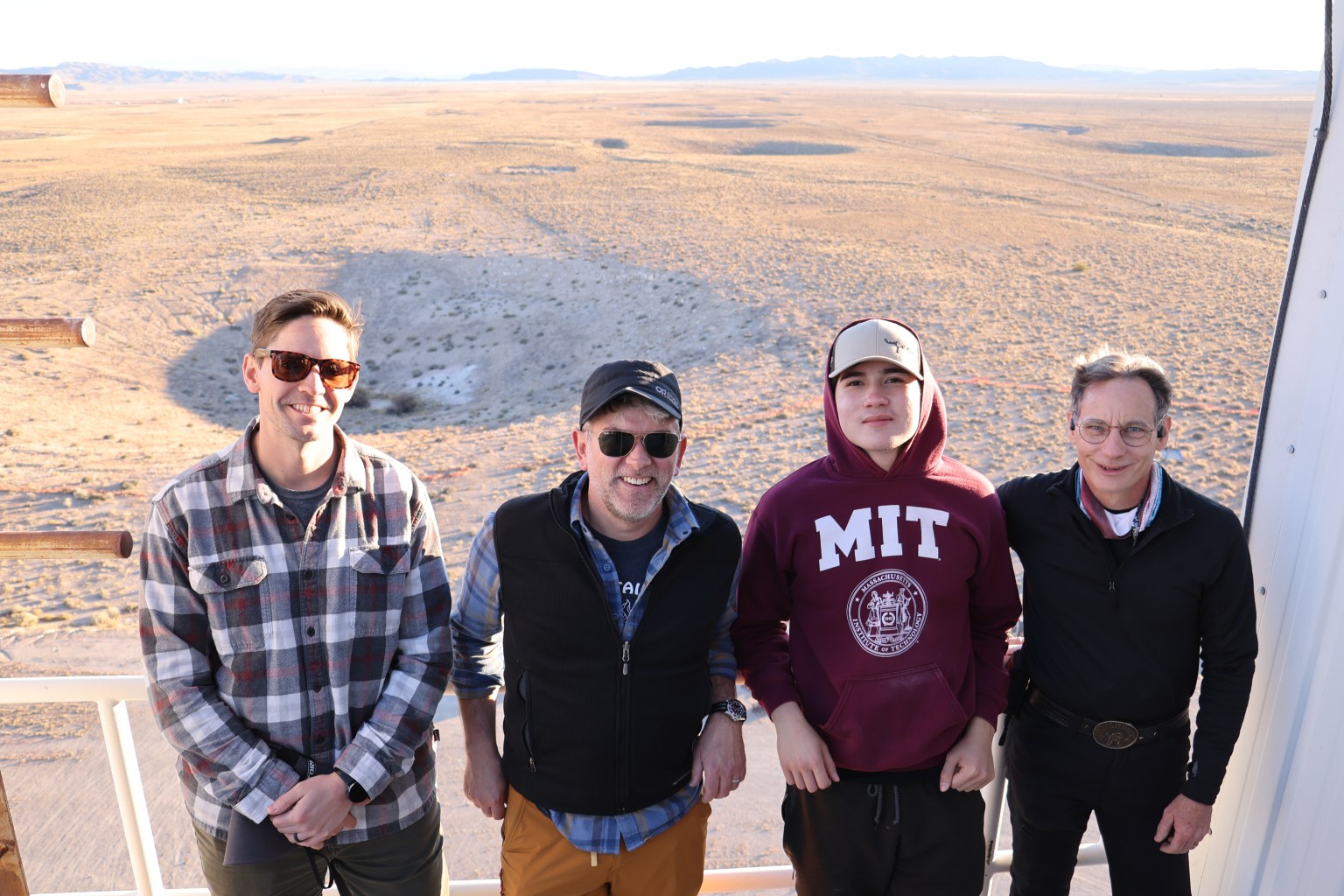
2 Min Read Building a Lunar Network: Johnson Tests Wireless Technologies for the Moon From left, Johnson Exploration Wireless Laboratory (JEWL) Software Lead William Dell; Lunar 3GPP Principal Investigator Raymond
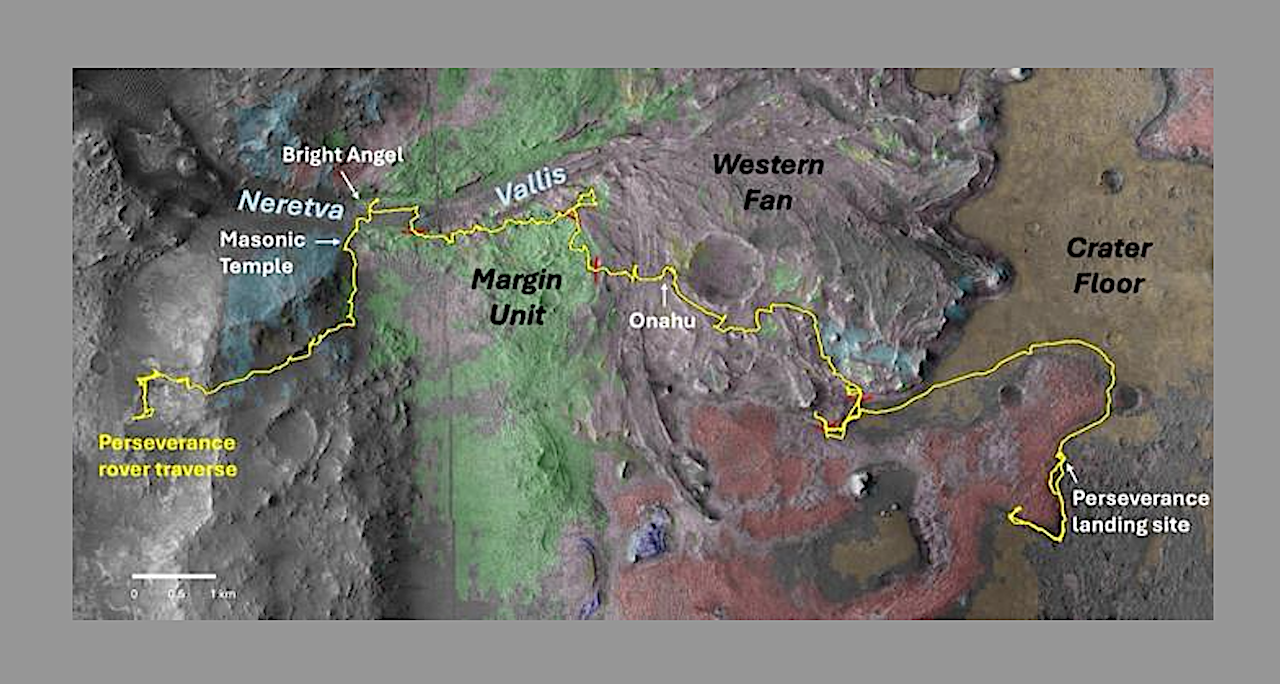
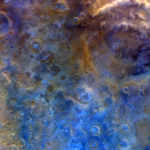
Mineralogical map of Jezero crater explored by the Perseverance rover. This mineral map was created from near-infrared (1-2.6 µm) CRISM imagery (Parente et al., 2021) using recently developed technologies (Itoh
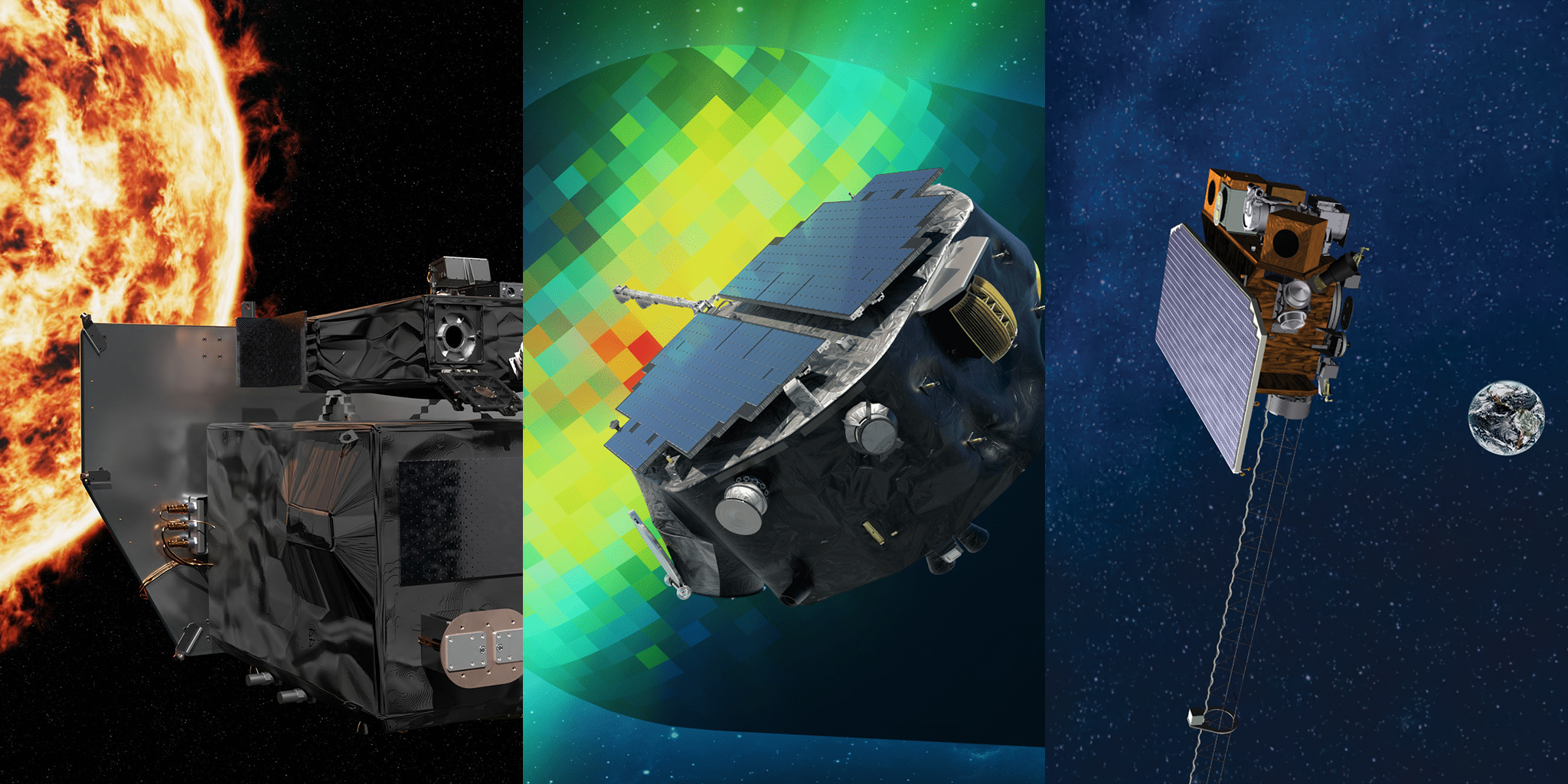
From left to right, NASA’s Carruthers Geocorona Observatory, IMAP (Interstellar Mapping and Acceleration Probe), and the National Oceanic and Atmospheric Administration’s (NOAA) Space Weather Follow On-Lagrange 1 (SWFO-L1) missions will
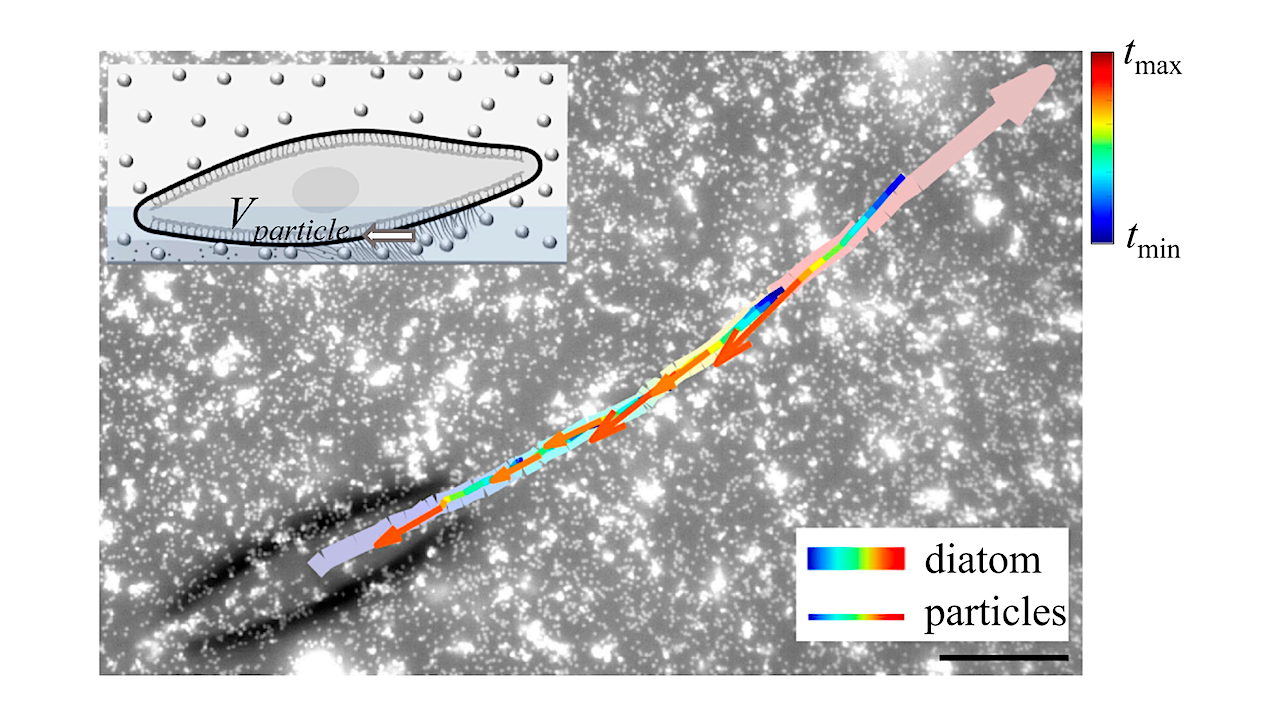
A directional flux beneath Navicula sp. via raphe grooves is revealed using fluorescent polystyrene beads (0.5 μ m), indicating that tracer particles latched to the ventral raphe move opposite to
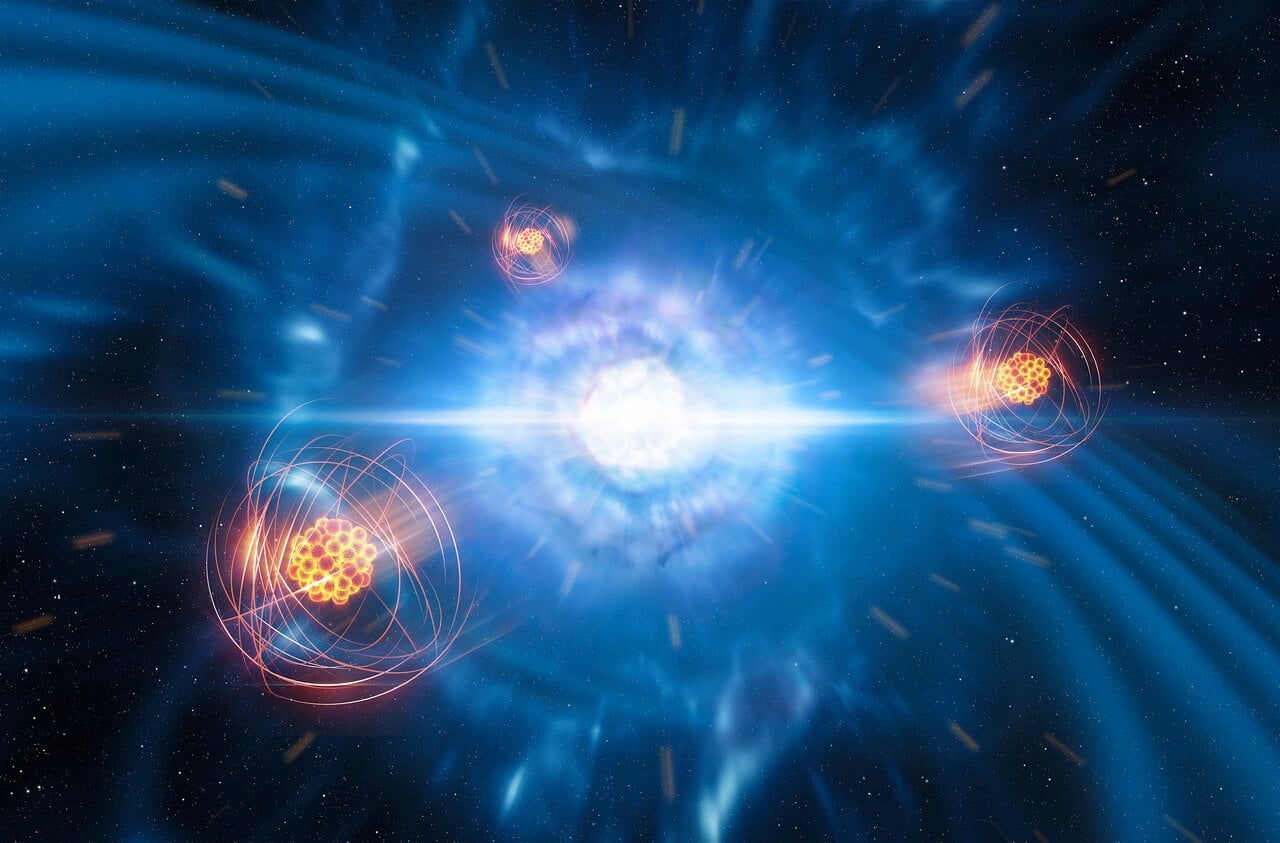
Terrestrial planets such as Earth need an early solar system rich in short-lived radioisotopes. But the supernovae that create these elements would tend to rip an early system apart. A