
A team of astronomers has employed a cutting-edge, artificial intelligence–assisted technique to uncover rare astronomical phenomena within archived data from NASA’s Hubble Space Telescope. The team analyzed nearly 100 million

Hot Posts593- Page
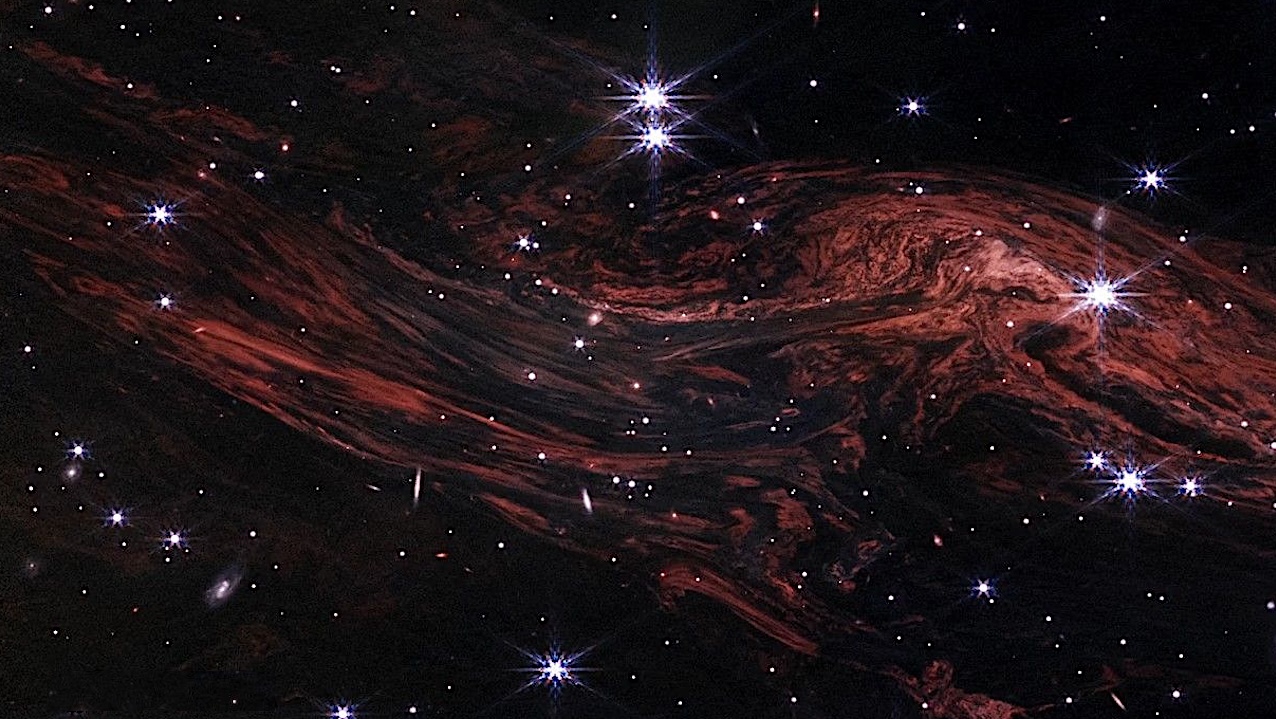
This shimmering cosmic curtain shows interstellar gas and dust that has been heated by the flashbulb explosion of a long-ago supernova. The gas then glows infrared light in what is
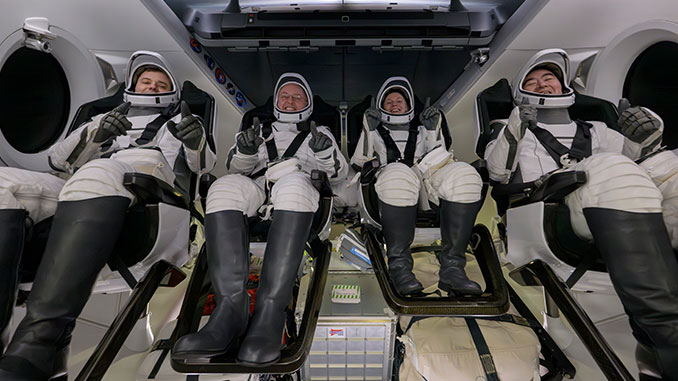
(Left to Right) Roscosmos cosmonaut Oleg Platonov, NASA astronauts Mike Fincke, Zena Cardman, and JAXA (Japan Aerospace Exploration Agency) astronaut Kimiya You inside the SpaceX Dragon Endeavour shortly after splashing
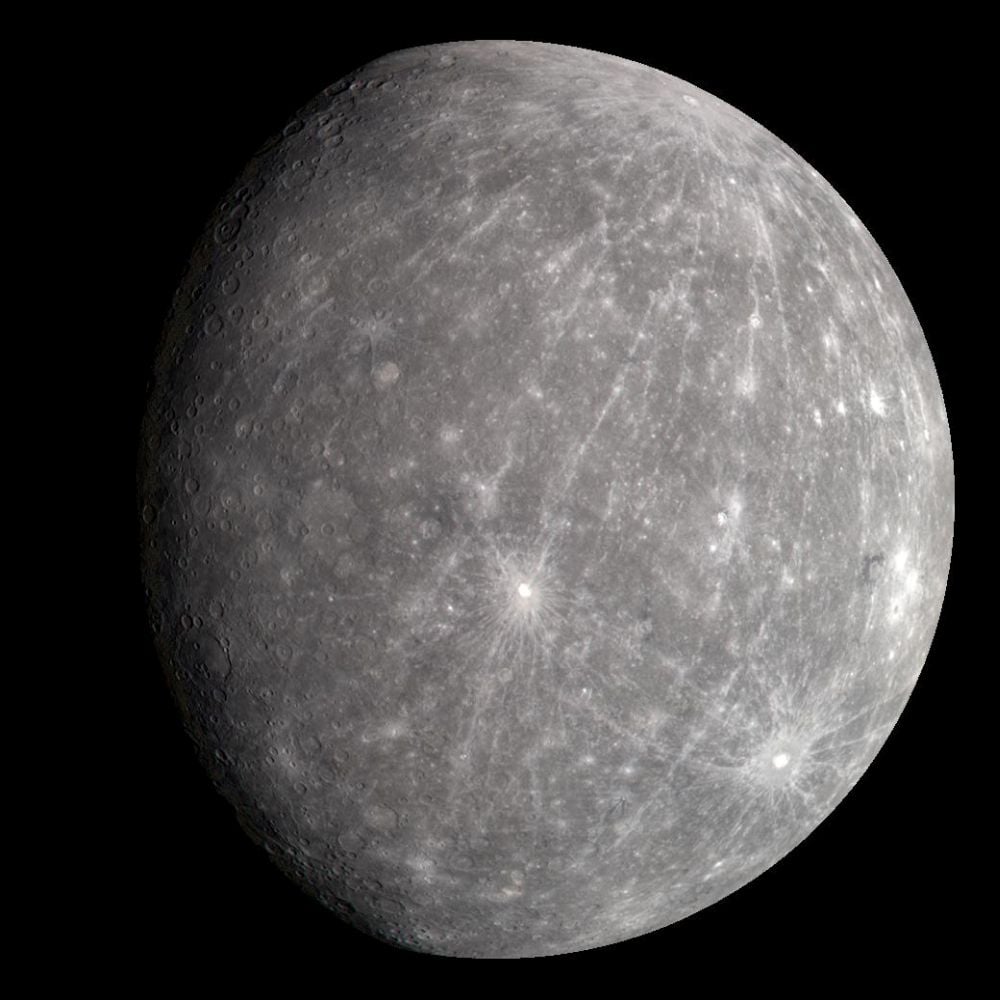
Mercury’s large metallic core is 70% of its mass, which is way more than the other rocky planets. Scientists have wondered if a collision with a much larger body stripped
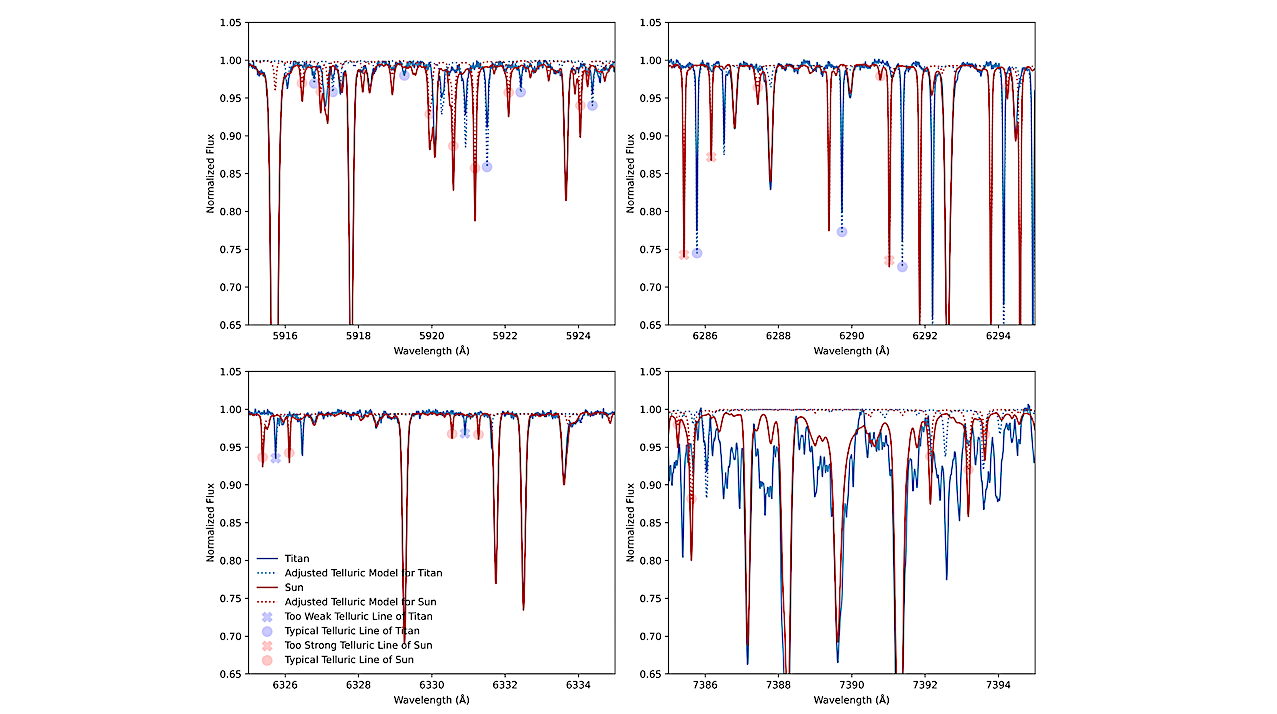
An illustration of the adjusted telluric models for the solar and Titan spectra, where a 10% reduction from the best-fit model is applied to the solar spectrum and a 10%
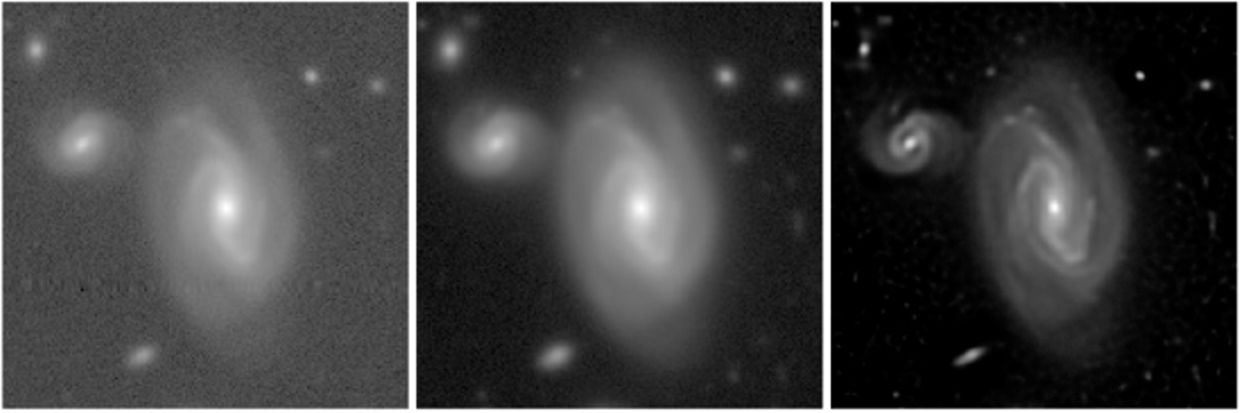
A new algorithm capable of transforming ground-based telescope images by removing the blurring effect of the atmosphere to produce as perfect an image as possible has successfully completed tests on
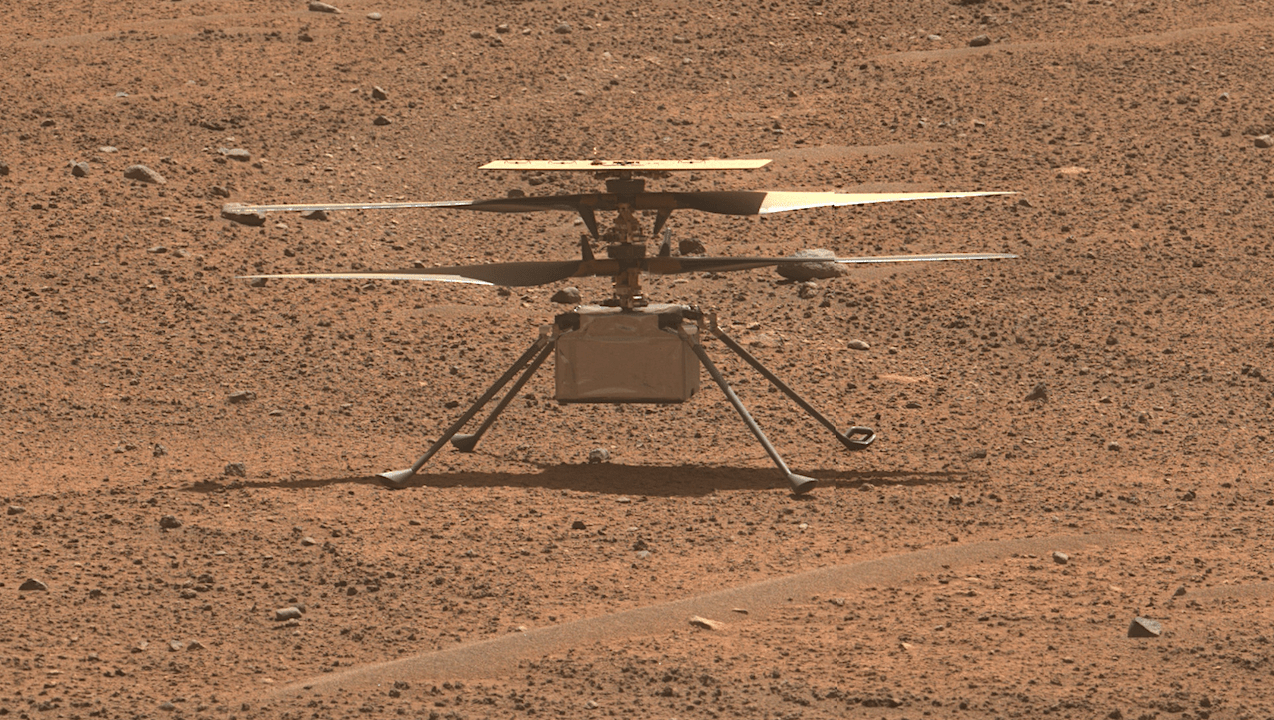
When we think of space exploration, we picture towering rockets, satellites orbiting Earth and astronaut footprints on the moon. However, behind these grand achievements lies an unsung hero: time series
Astronomers have found thousands of exoplanets around single stars, but few around binary stars—even though both types of stars are equally common. Physicists can now explain the dearth.
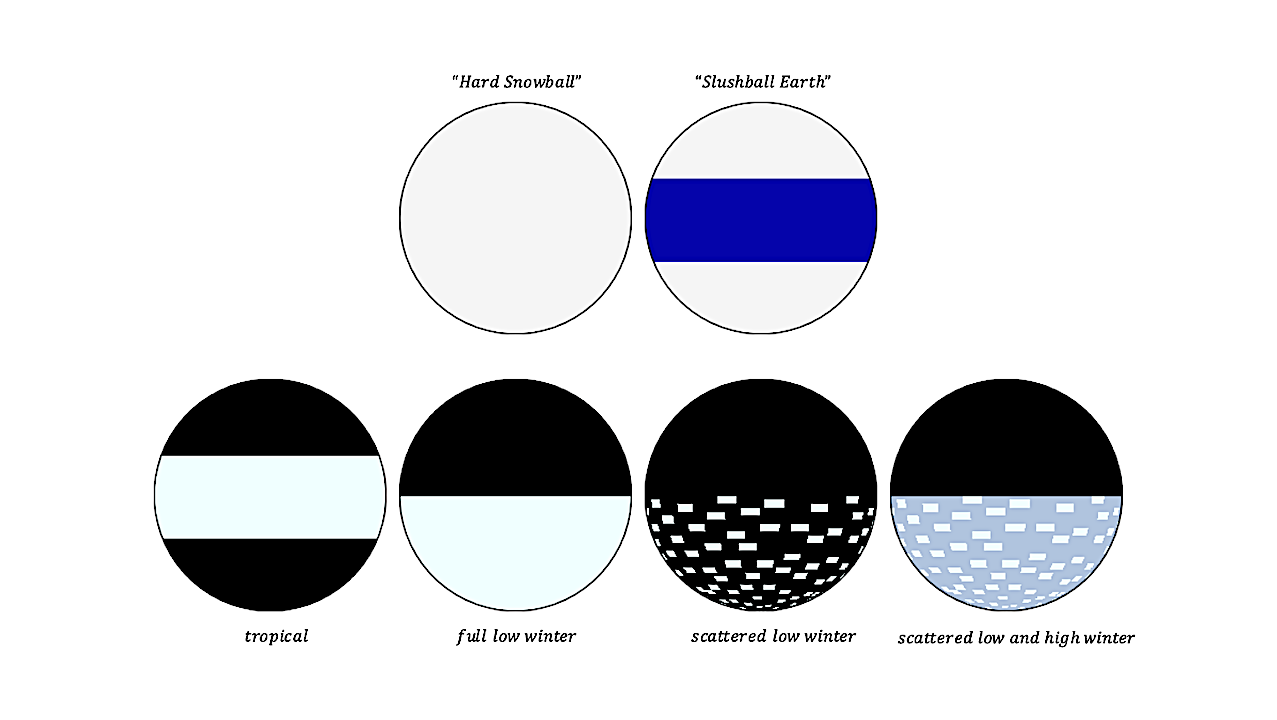
Surface (top row) and cloud (bottom row) distributions for our various Snowball Earth models. The surface was either modeled as a fully ice-covered “Hard Snowball” (top left) or contained a
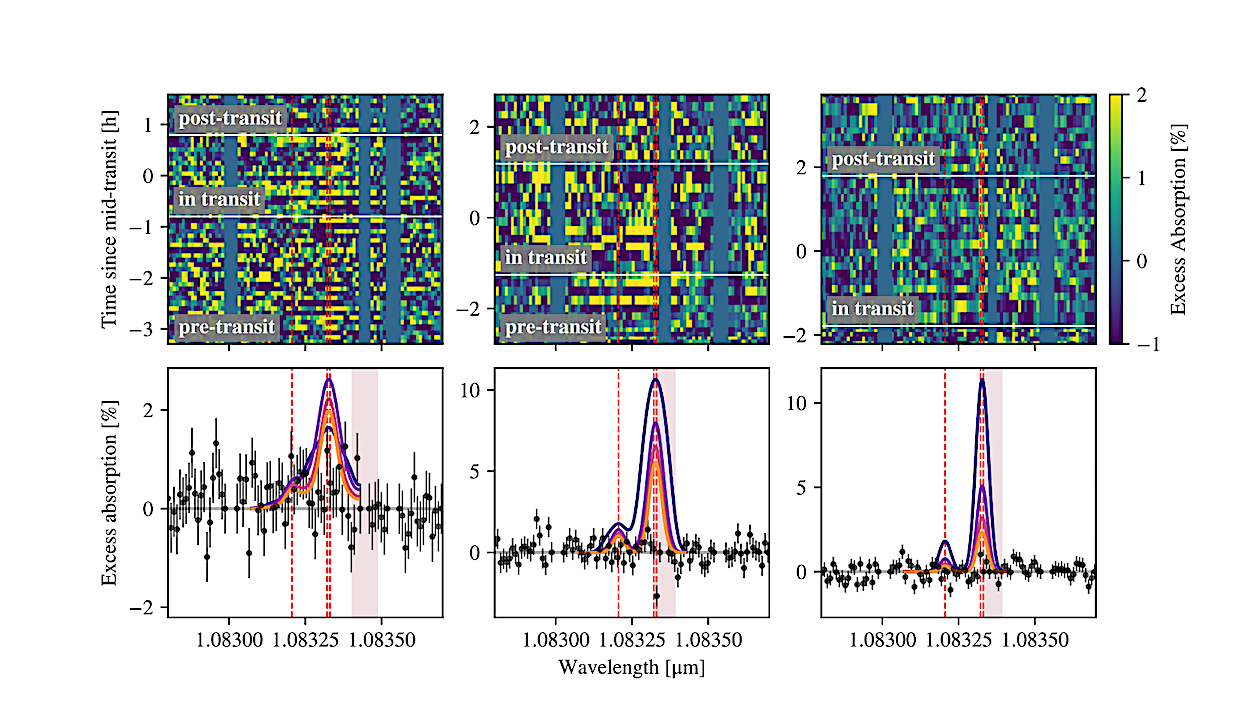
Top row: Keck/NIRSPEC excess absorption in percent of TOI-4010 b (first panel), TOI-4010 c (second panel) and TOI-4010 d (third panel), in each planet’s rest frame as a function of
Advertisement
Popular Now
-
 01Two Black Holes Observed Circling Each Other for the First Time
 -
 02From Polymerization-Enabled Folding and Assembly to Chemical Evolution: Key Processes for Emergence of Functional Polymers in the Origin of Life
 -
 03Astronomy 101: From the Sun and Moon to Wormholes and Warp Drive, Key Theories, Discoveries, and Facts about the Universe (The Adams 101 Series)
 -
 04True Anomaly hires former York Space executive as chief operating officer
 -
 05Φsat-2 begins science phase for AI Earth images
 -
 06Hurricane forecasters are losing 3 key satellites ahead of peak storm season − a meteorologist explains why it matters
 -
 07Binary star systems are complex astronomical objects − a new AI approach could pin down their properties quickly
Scroll to Top