
The James Webb Space Telescope (JWST) was involved in yet another first discovery recently available in pre-print form on arXiv from Cicero Lu at the Gemini Observatory and his co-authors.

Hot Posts612- Page
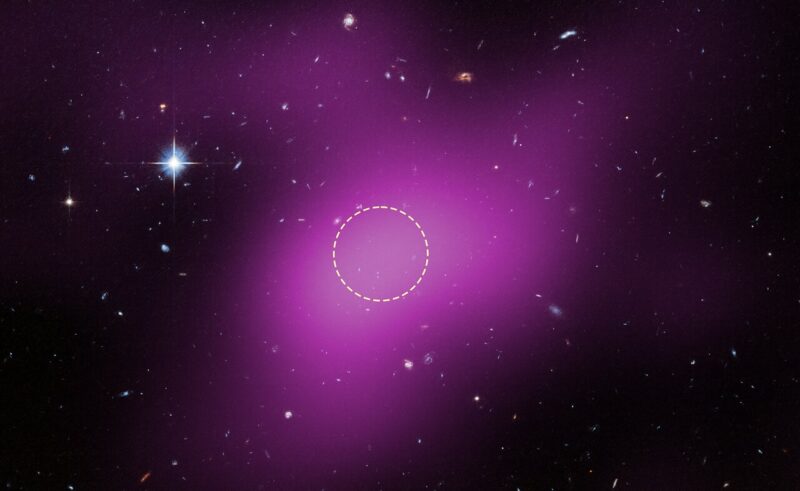
This image shows the location of Cloud-9, which is 14 million light-years from Earth. The diffuse magenta is radio data from the ground-based Very Large Array (VLA), showing the presence
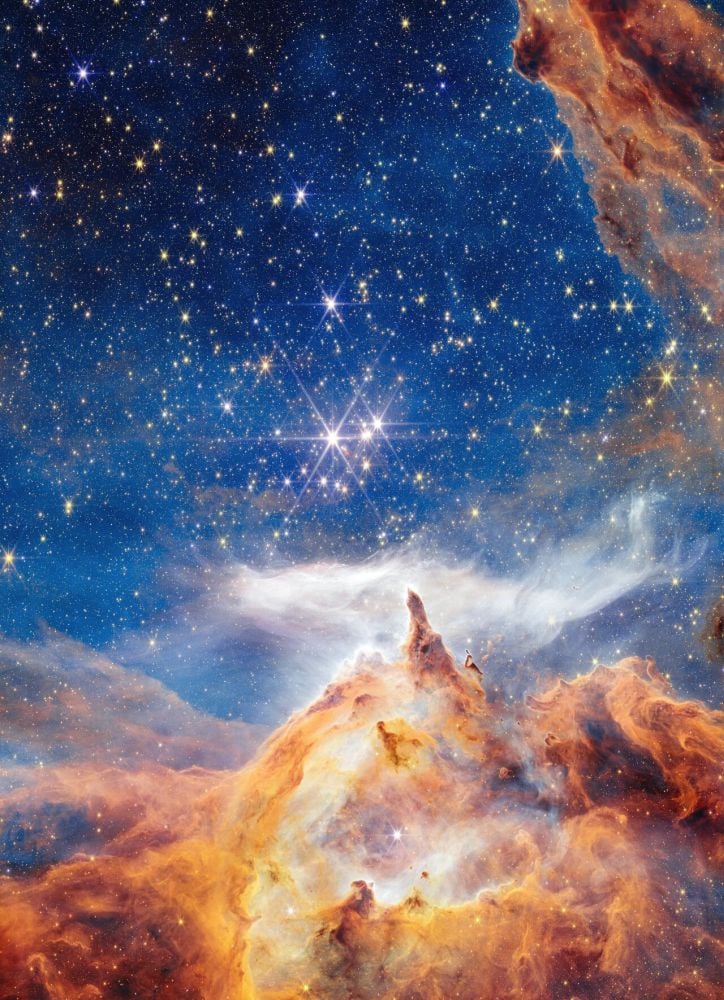
This sparkling scene of star birth was captured by the NASA/ESA/CSA James Webb Space Telescope. What appears to be a craggy, starlit mountaintop kissed by wispy clouds is actually a

Pilou Asbæk, “Foundation’s” menacing telepathic mutant and all-around intimidating intergalactic foe, says he’s through playing any sort of pirate characters after his savage turn as The Mule in the third
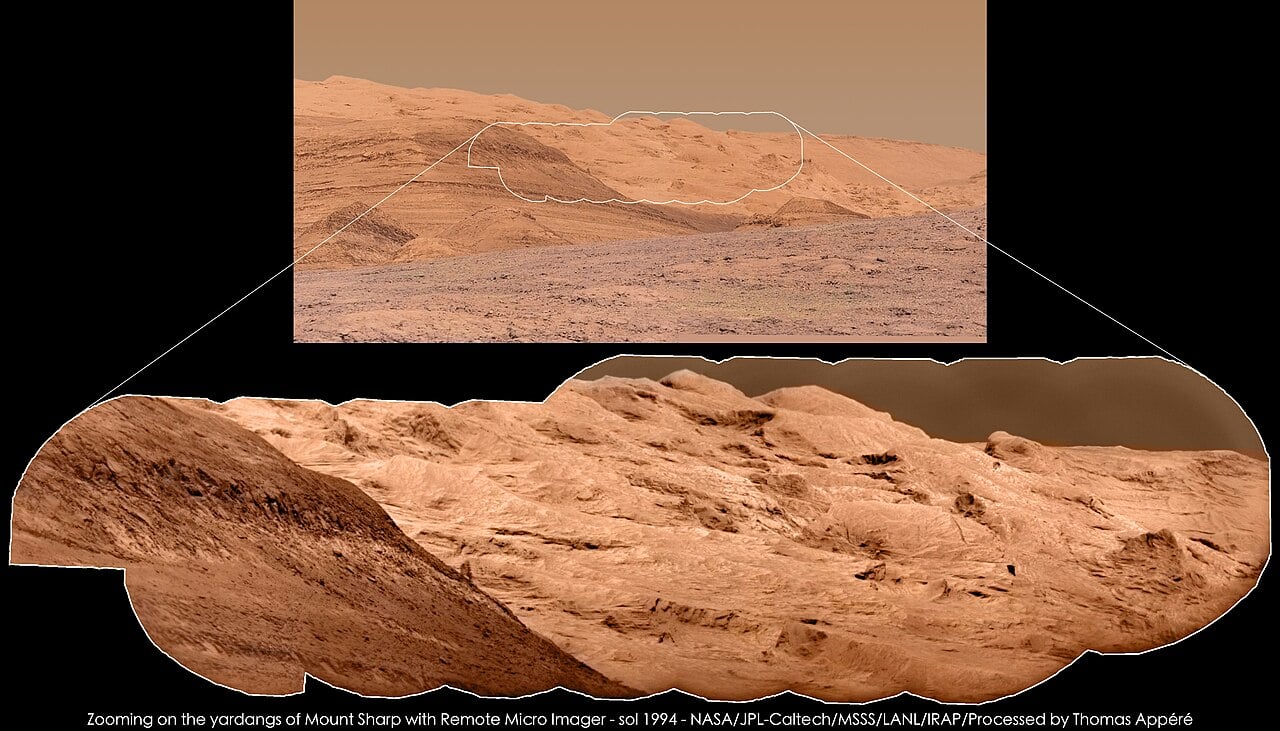
Mars Express has captured stunning images of wind sculpted terrain near the planet’s equator, revealing how Martian winds act as a sandblaster across geological timescales. The spacecraft’s high resolution camera
Gamma-ray bursts (GRBs) are the brightest explosions in the universe. In just a few seconds, they can outshine all the stars in their host galaxy combined, releasing more energy than
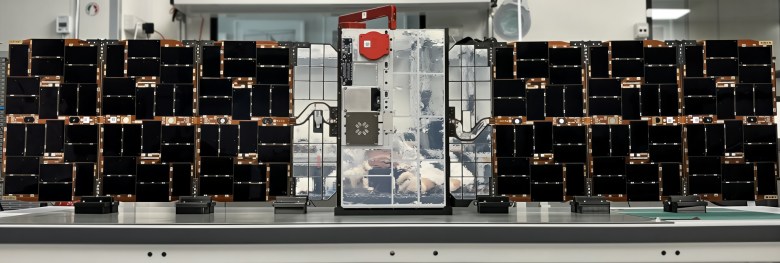
Turin, Italy — Jan. 11, 2026 — The 12U CubeSat LIDE (LIve DEmonstration) has successfully completed its first months of on-orbit operations following its launch July 23, 2025, aboard a
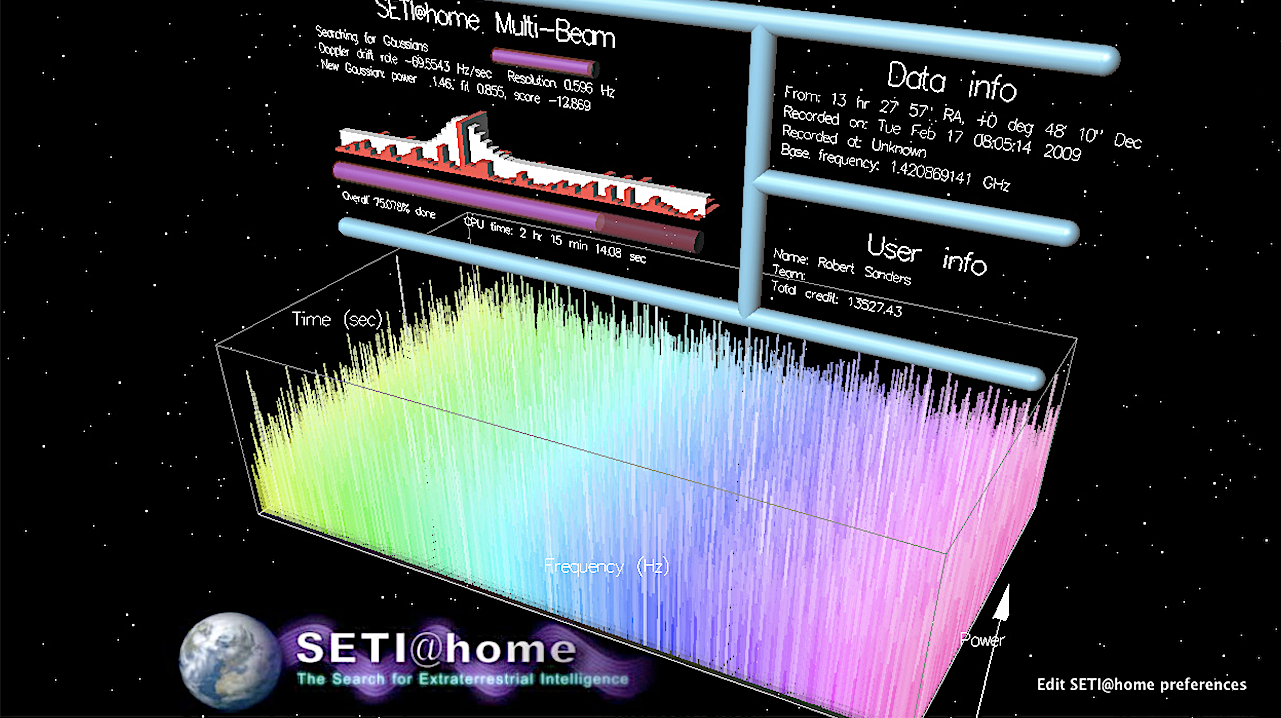
A screenshot of the SETI@home user interface on a desktop computer in 2009. The software ran on millions of home computers worldwide, analyzing radio data from space in search of
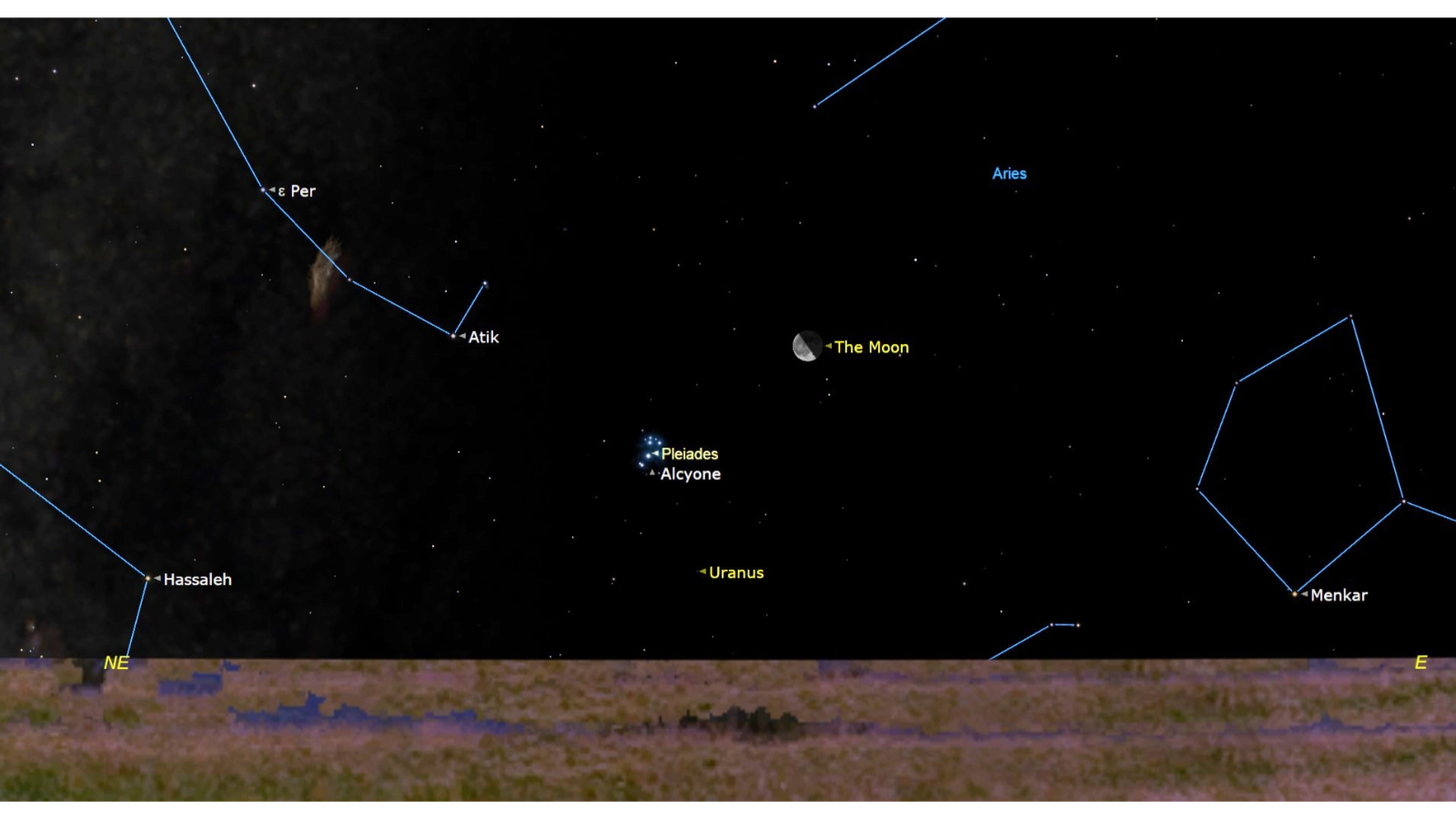
The moon will sweep close to the Pleiades open star cluster in the early morning hours of Aug. 16-17, with the ice giant Uranus lurking unseen nearby. Look to the
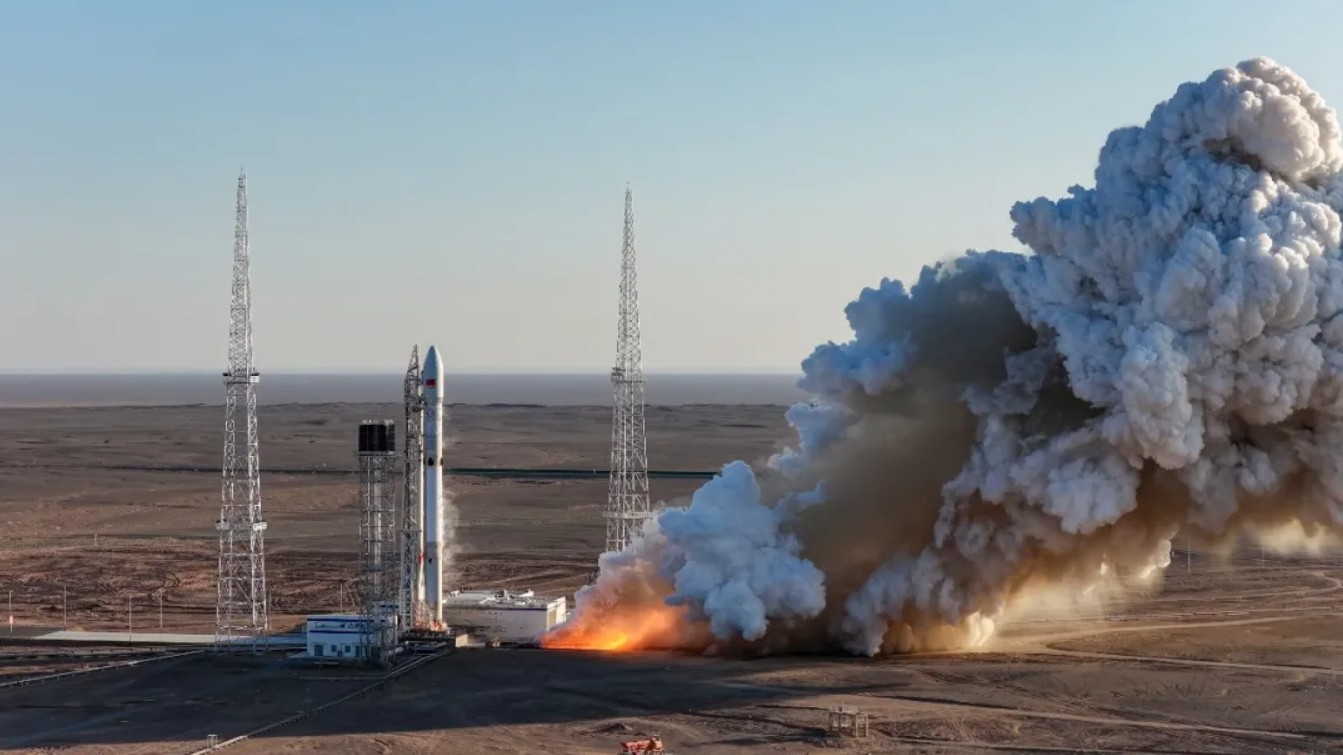
HELSINKI — China appears set to accelerate its launch rate this year while also conducting tests key to its crewed lunar ambitions and launching major missions. The China Aerospace Science
Advertisement
Popular Now
-
 01Two Black Holes Observed Circling Each Other for the First Time
 -
 02From Polymerization-Enabled Folding and Assembly to Chemical Evolution: Key Processes for Emergence of Functional Polymers in the Origin of Life
 -
 03Astronomy 101: From the Sun and Moon to Wormholes and Warp Drive, Key Theories, Discoveries, and Facts about the Universe (The Adams 101 Series)
 -
 04True Anomaly hires former York Space executive as chief operating officer
 -
 05Φsat-2 begins science phase for AI Earth images
 -
 06Hurricane forecasters are losing 3 key satellites ahead of peak storm season − a meteorologist explains why it matters
 -
 07Binary star systems are complex astronomical objects − a new AI approach could pin down their properties quickly
Scroll to Top