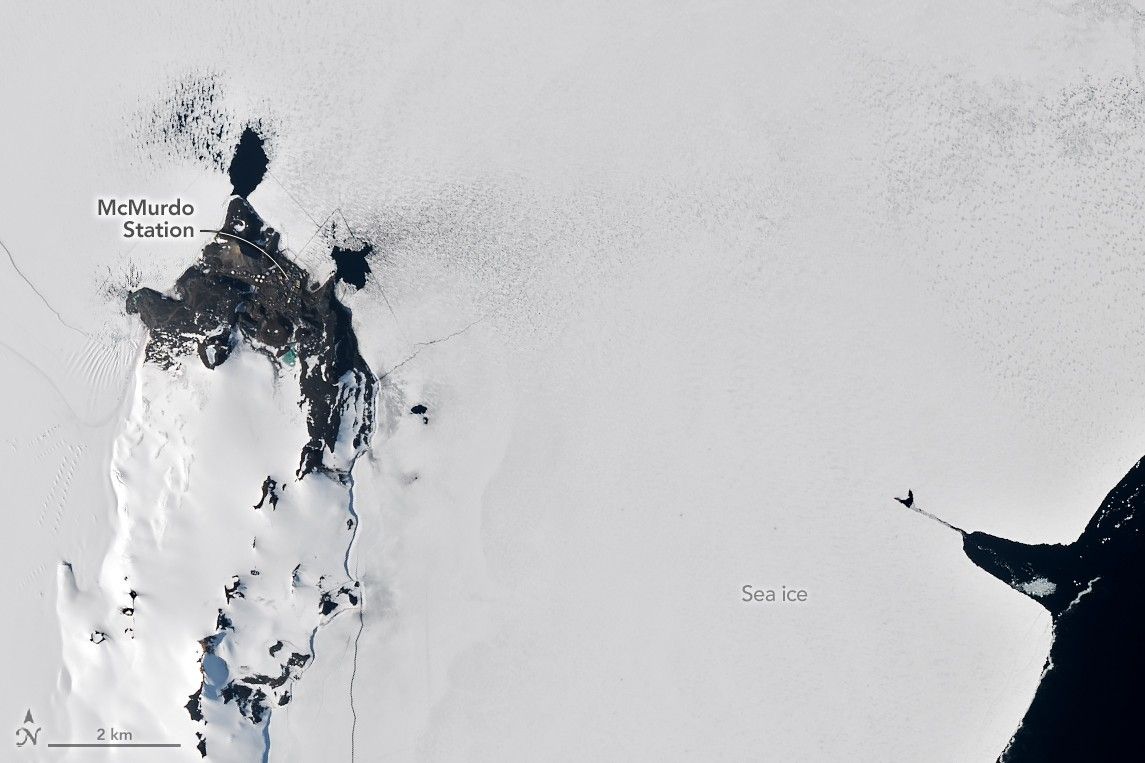
Earth Observatory Science Earth Observatory Cracking Antarctic Sea Ice Earth Earth Observatory Image of the Day EO Explorer Topics All Topics Atmosphere Land Heat & Radiation Life on Earth Human

Earth Observatory Science Earth Observatory Cracking Antarctic Sea Ice Earth Earth Observatory Image of the Day EO Explorer Topics All Topics Atmosphere Land Heat & Radiation Life on Earth Human
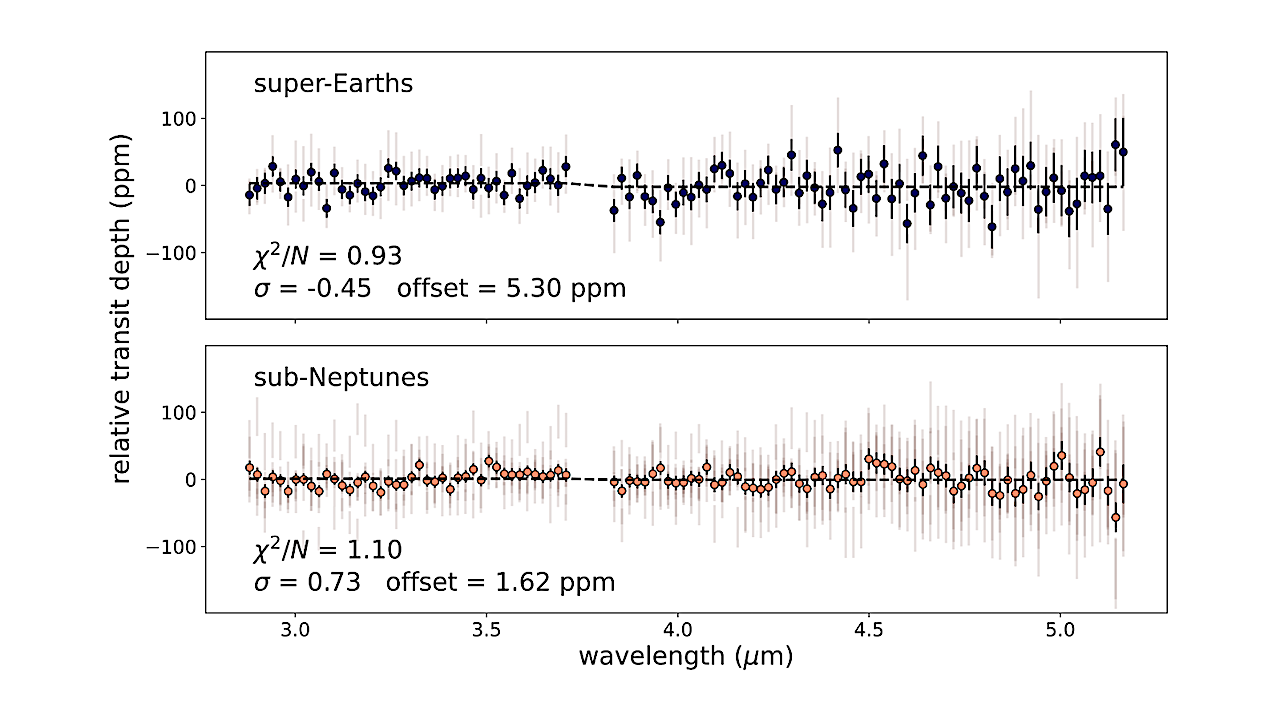
Composite spectra for the five super-Earths (top) and two sub-Neptunes (bottom). The dashed line represents the best-fit flat line model including an offset between NRS1 and NRS2, and the χ

Considering the Terminator movies are about time-traveling killer robots and a scrappy human Resistance battling against a rogue AI in a nuclear post-apocalypse, you’d think making a great Terminator video

SYDNEY — As much of the global space community gathered to discuss exploration and cooperation, one theme emerged: how the rest of the world is adapting to changes in policies,
Weather forecasting is a powerful tool. During hurricane season, for instance, meteorologists create computer simulations to forecast how these destructive storms form and where they might travel, which helps prevent
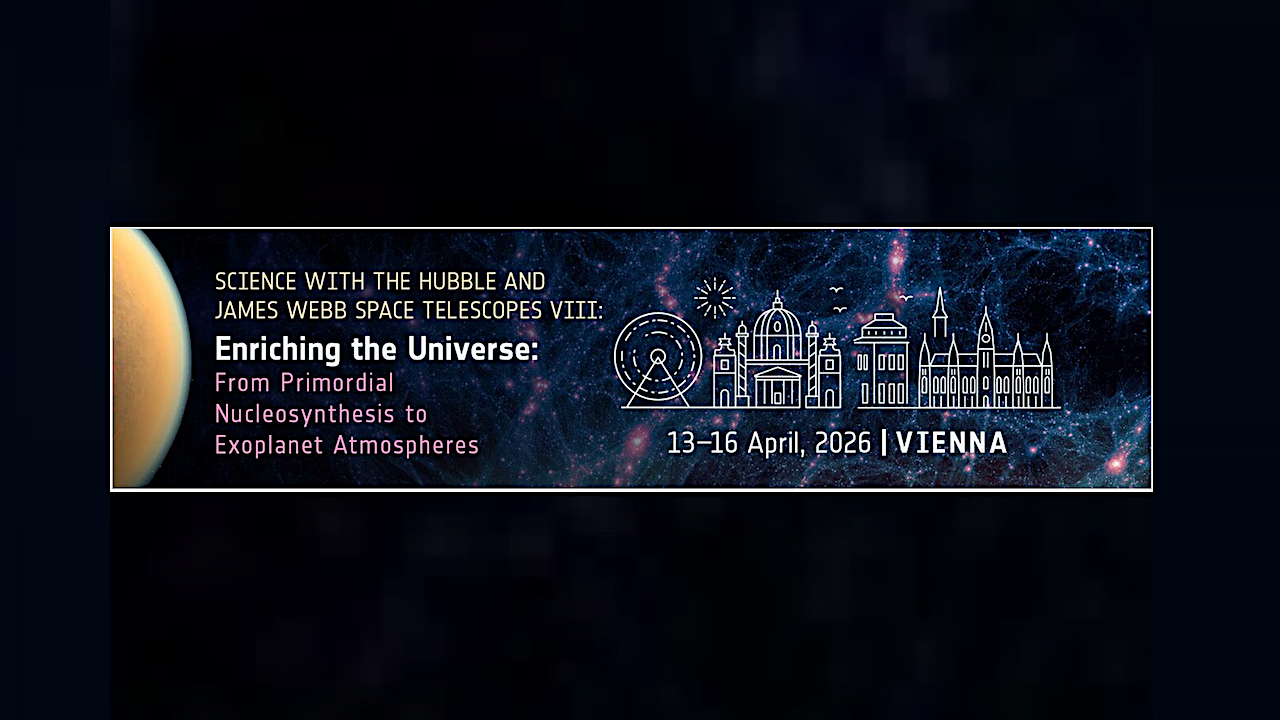
Enriching the Universe: From Primordial Nucleosynthesis to Exoplanet Atmospheres By Chris Evans — I am delighted to announce the latest in the series of ESA-sponsored conferences, in collaboration with STScI,
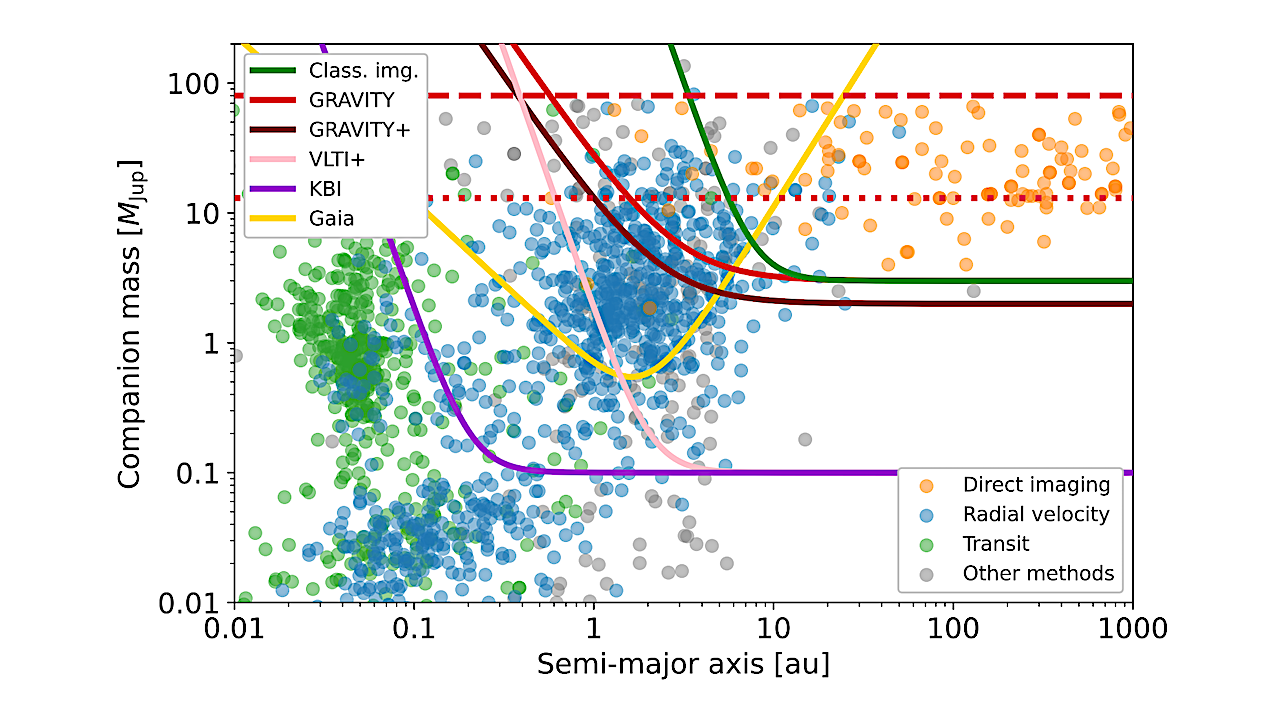
Currently known exoplanet population color-coded by detection technique in the companion mass vs. semi-major axis plane. The detection limits of various facilities are overlaid with solid lines. The boundary between
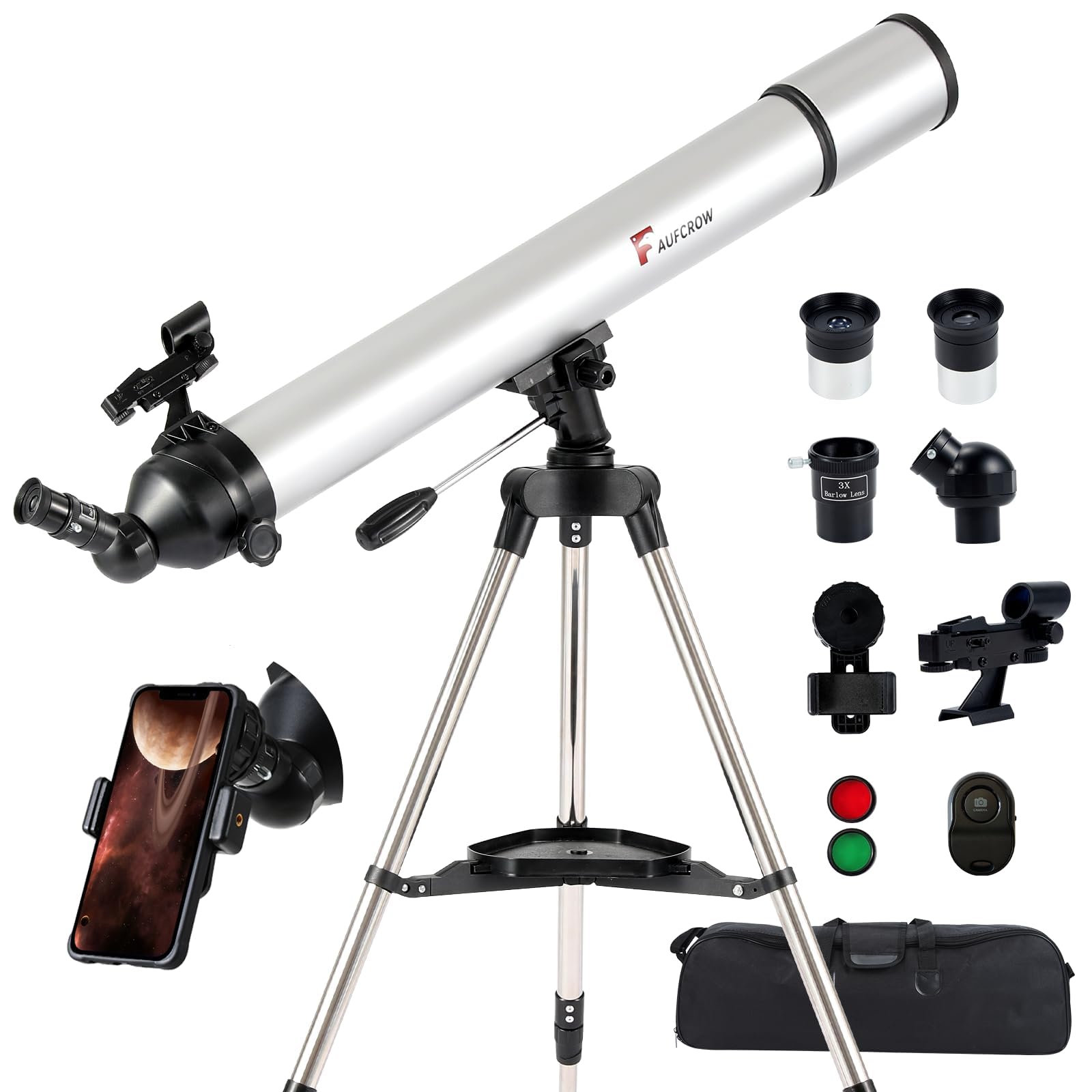
In a universe teeming with wonders, the AuFCrow Telescope beckons to both seasoned astronomers and curious novices alike, inviting them into the grand tapestry of the cosmos. With its sleek
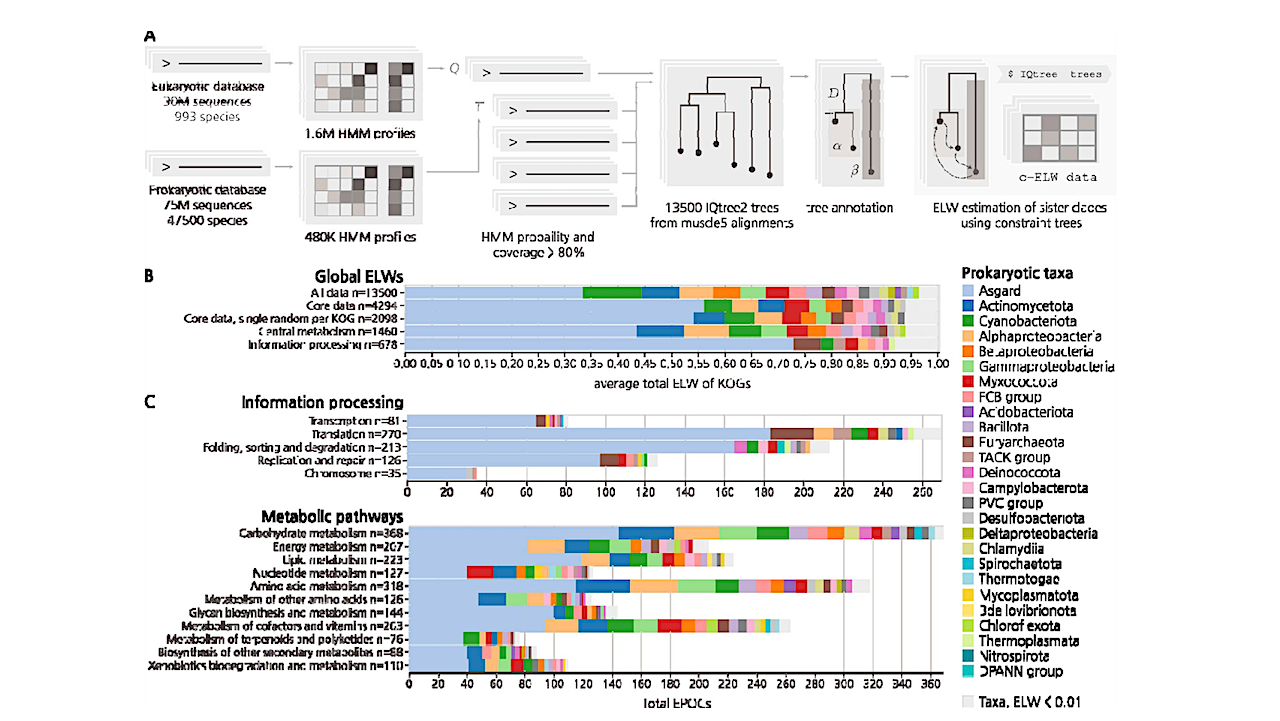
A) Simplified EPOC generation and processing pipeline. From left to right, one eukaryotic and one prokaryotic sequence database transformed into HMMs. The query of eukaryotic against prokaryotic HMMs generated 13,500
Cosmic radio pulses repeating every few minutes or hours, known as long-period transients, have puzzled astronomers since their discovery in 2022. Our new study, published in Nature Astronomy today, might