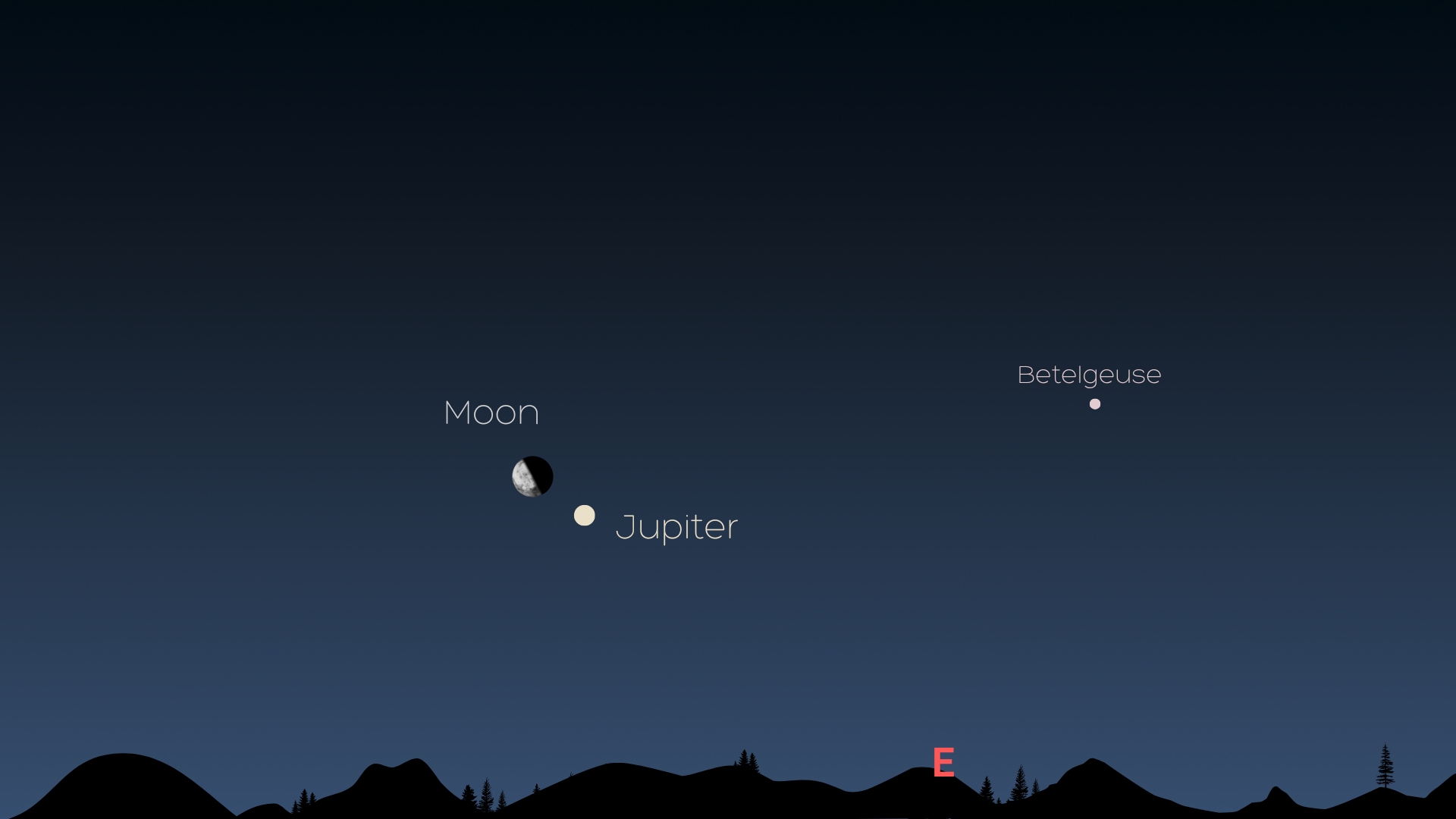
If you’re up late on Monday night (Oct. 13), or awake in the predawn hours of Tuesday (Oct. 14), look east for a striking sight. The moon, just hours past

If you’re up late on Monday night (Oct. 13), or awake in the predawn hours of Tuesday (Oct. 14), look east for a striking sight. The moon, just hours past
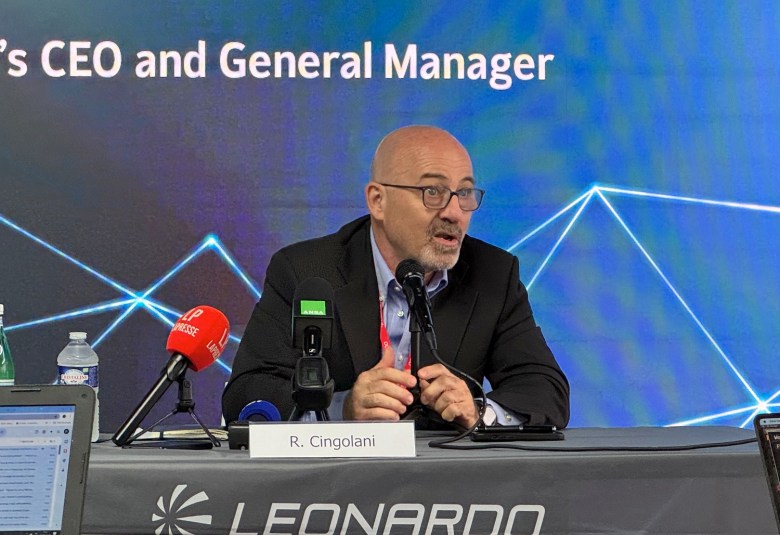
WASHINGTON — Three of Europe’s largest aerospace companies have agreed to combine their space businesses into a new joint venture intended to better compete in the global market. Airbus, Leonardo

Let’s not mince words: Darth Vader is one of the best fictional characters ever created (after Batman!) so it’s with great anticipation that New York Times best-selling novelist Adam Christopher
Assembly of ribonucleoprotein condensates in response to Mars-like stress conditions. Credit Dhage et al. — Indian Institute of Science (IISc) Any life on Mars in the past, present, or future
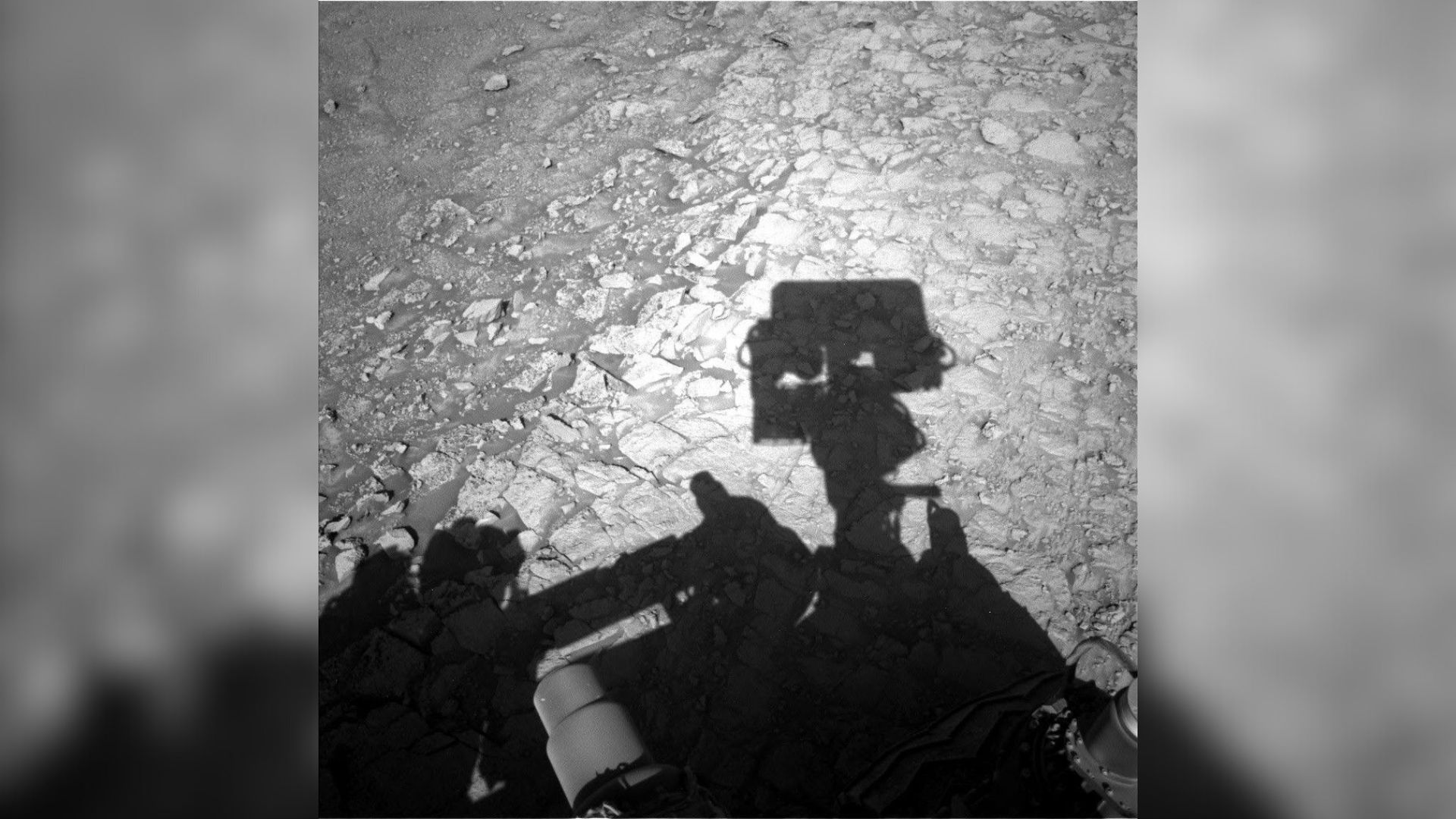
For years, NASA’s Curiosity Mars rover has been exploring the slopes of Mount Sharp inside the Red Planet’s Gale Crater, looking for clues about Mars’ watery past. Recently, Curiosity turned

Phase folded transits of TOI-2345 b (purple) and TOI-2345 c (green) with the best-fit model from the joint fit in juliet in the top panel. The bottom panel shows the
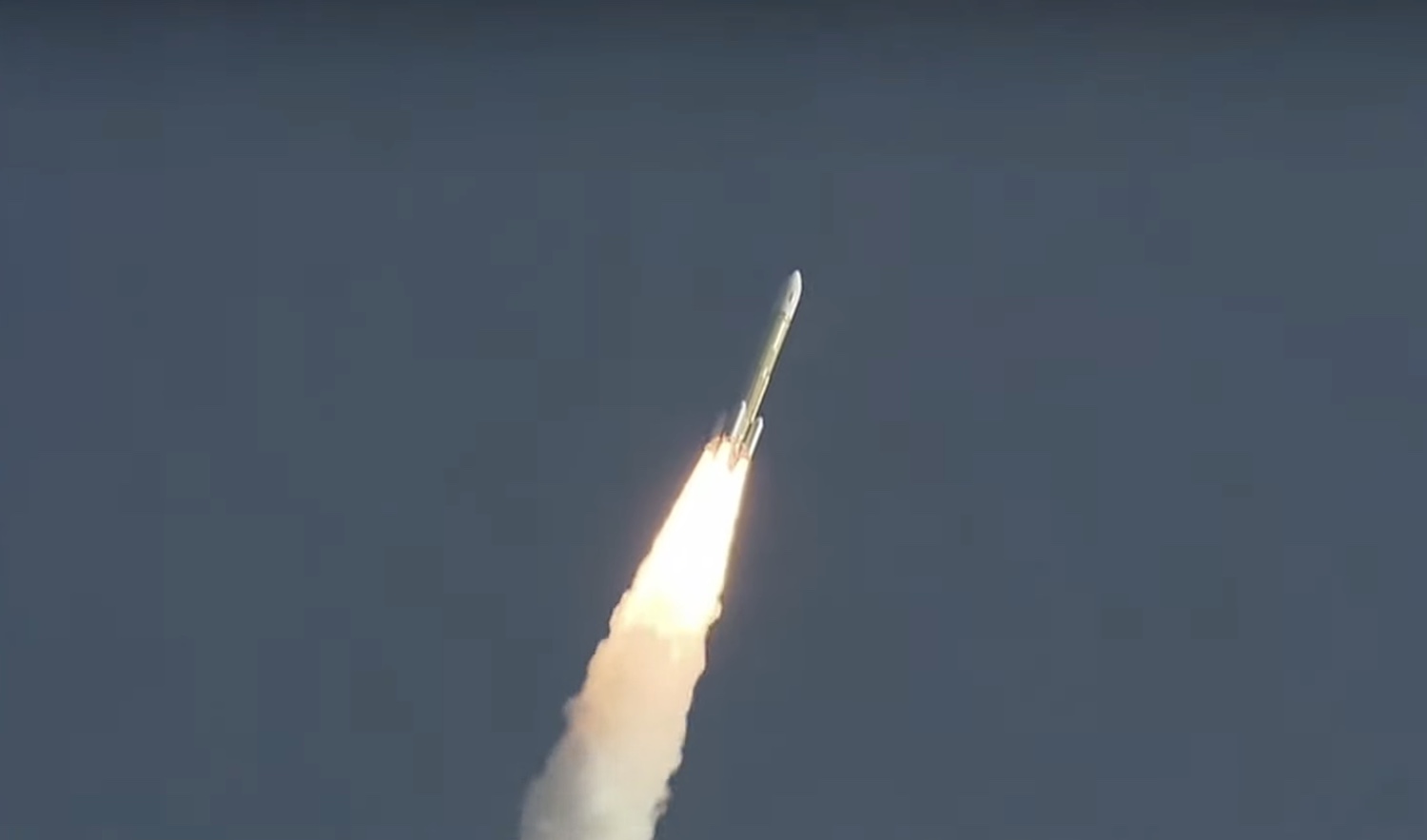
WASHINGTON — Japan launched the first of a new generation of cargo spacecraft to the International Space Station, with potential applications beyond low Earth orbit. An H3 rocket lifted off
Researchers at The University of Manchester have developed a new way to design Earth-observation satellite missions that could help protect the space environment while continuing to deliver vital data for
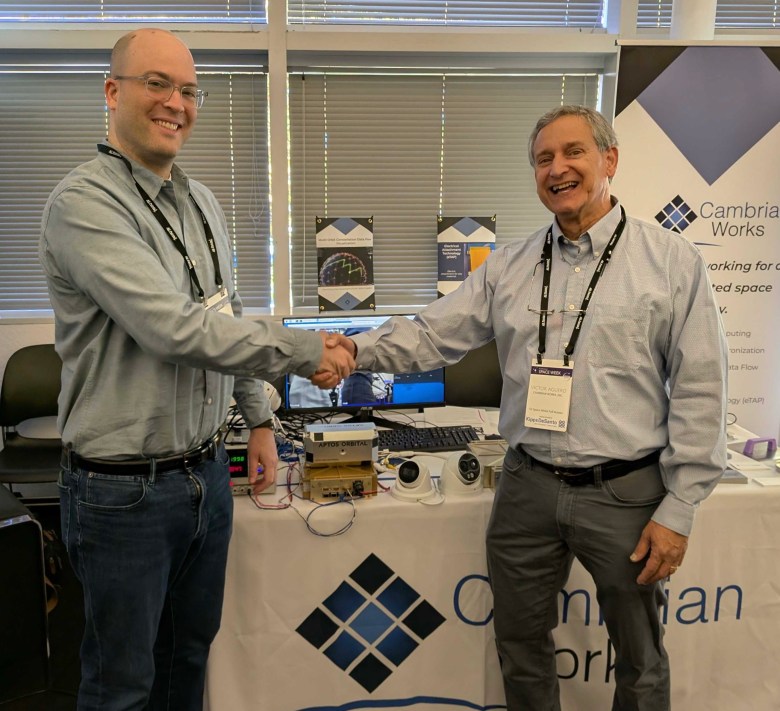
LOS GATOS, CA—Cambrian Works is pleased to announce their partnership with Aptos Orbital to revolutionize space to space connections. This collaboration marks an advancement in the capabilities of Cambrian Works’
A research team has investigated quasar variability by tracking optical to mid-infrared (MIR) wavelengths of variability information. This multiband joint analysis provides an opportunity to probe the dust structure in