
When Apollo 17 astronauts collected a small rock from the moon more than 50 years ago, they had no way of knowing it would still be challenging scientists’ understanding of

Hot Posts733- Page
Brown dwarfs: too small to be stars, too big to be planets.
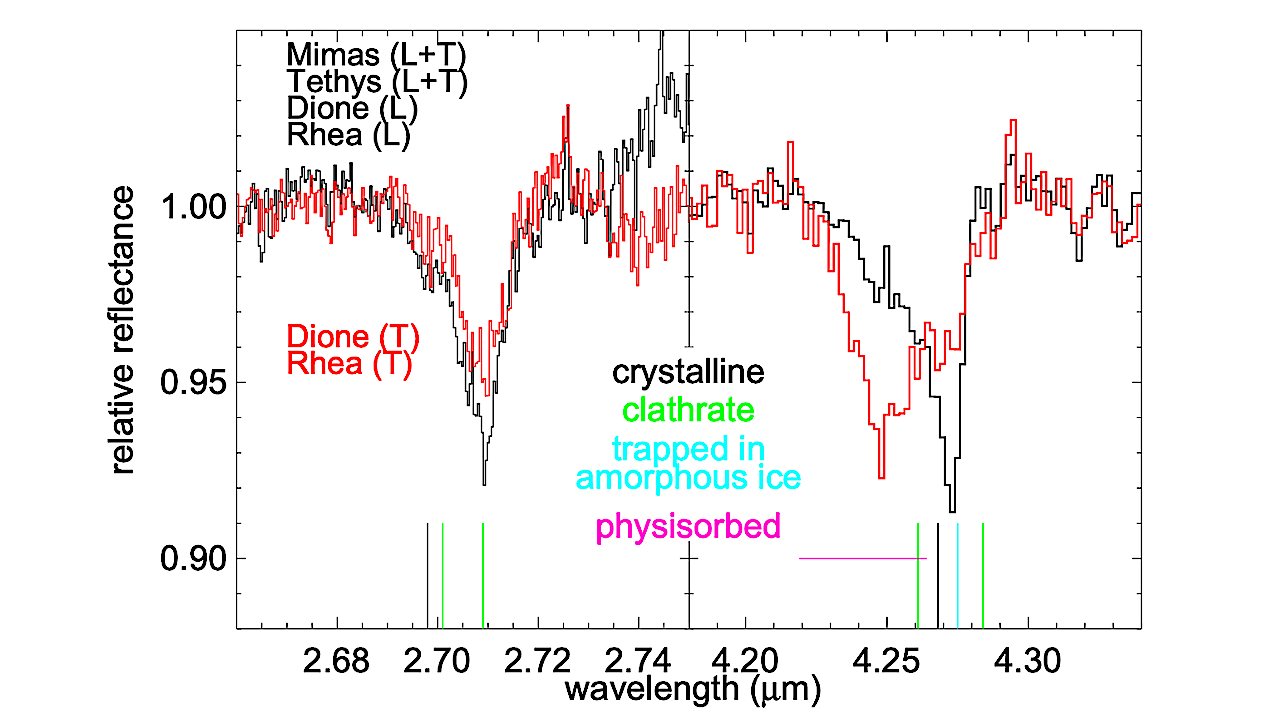
An average of the continuum-removed spectra of the leading and trailing hemispheres of Mimas and Tethys and the leading hemispheres of Dione and Rhea, in black, and of the trailing
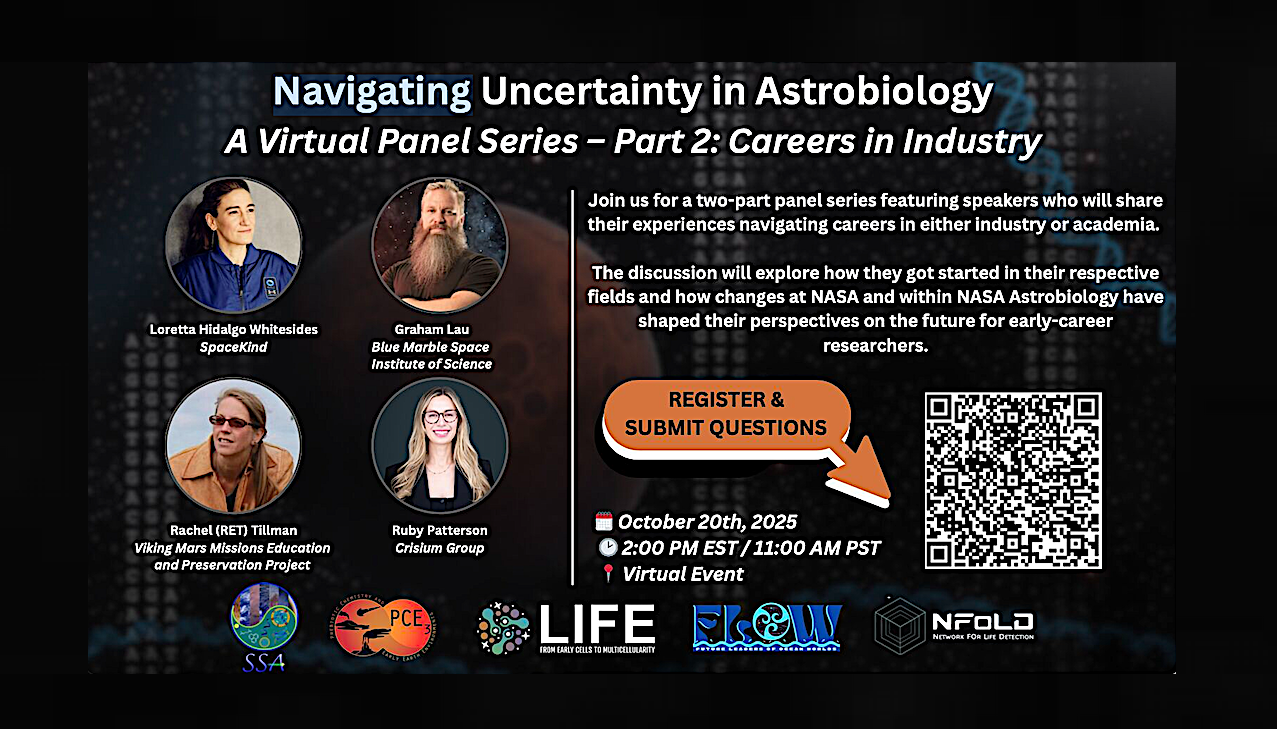
Navigating Uncertainty in Astrobiology Virtual Panel Series Join us for the second event in a two-part virtual panel series featuring speakers who will share their experiences navigating astrobiology careers in
Crystals used in applications as varied as lasers, LEDs and the semiconductors used in sensors found in astronomical instruments could someday be ‘drawn’ rather than ‘grown’, leading to higher performance
The sky is getting crowded. In the last few years, the number of satellite launches has increased by an order of magnitude as mega-constellations of internet-powering hardware crowd into low
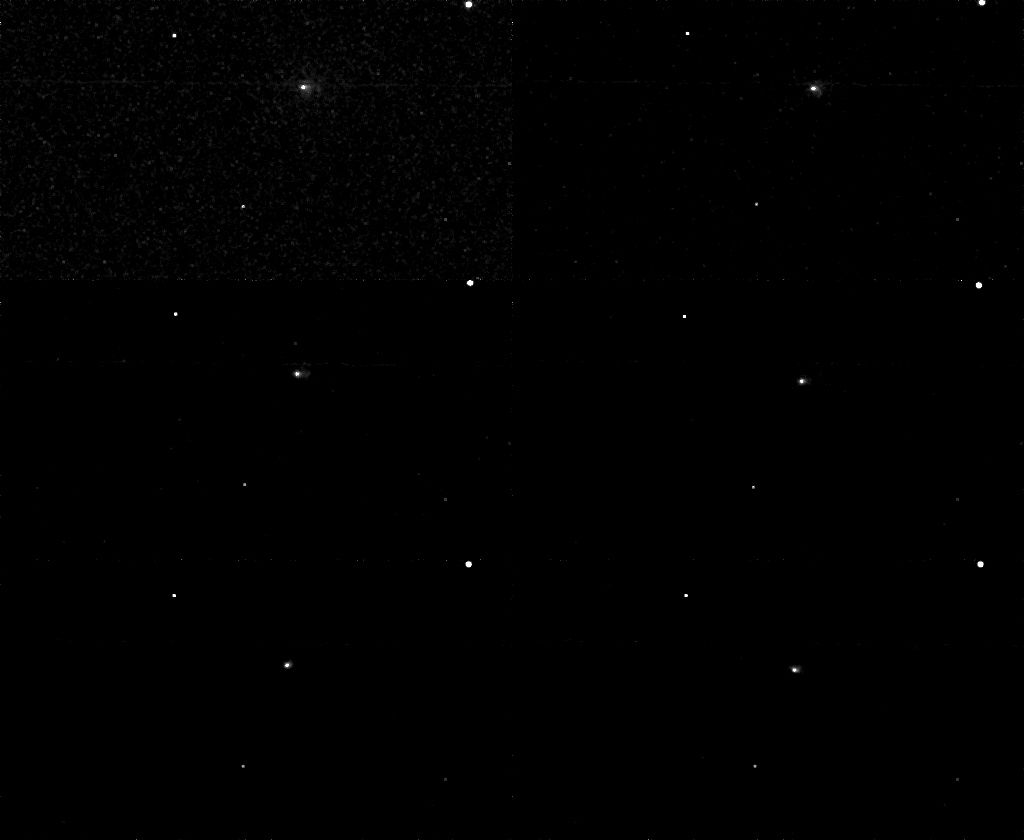
Space Safety 14/11/2025 1186 views 6 likes Since comet 3I/ATLAS, the third known interstellar object, was discovered on 1 July 2025, astronomers worldwide have worked to predict its trajectory. ESA
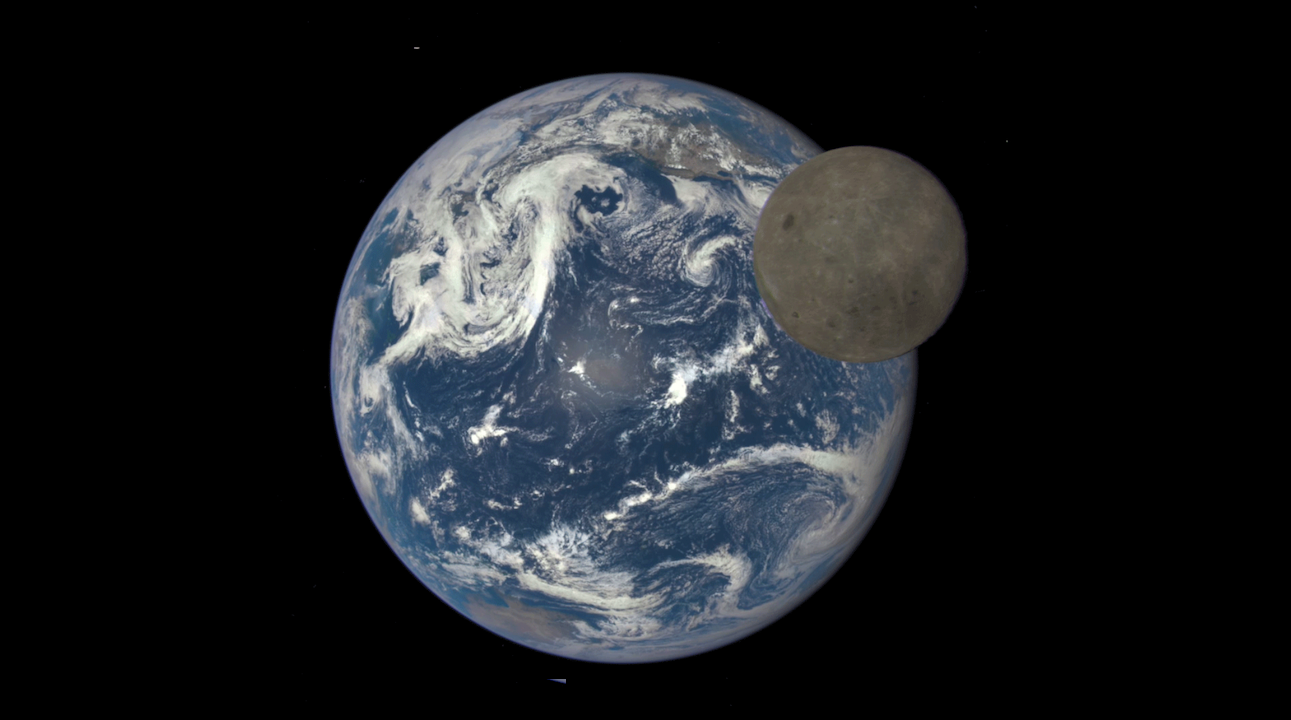
Deep Space Climate Observatory (DSCOVR) satellite’s EPIC maintains a constant view of the fully illuminated Earth as it rotates, providing scientific observations of ozone, vegetation, cloud height and aerosols in
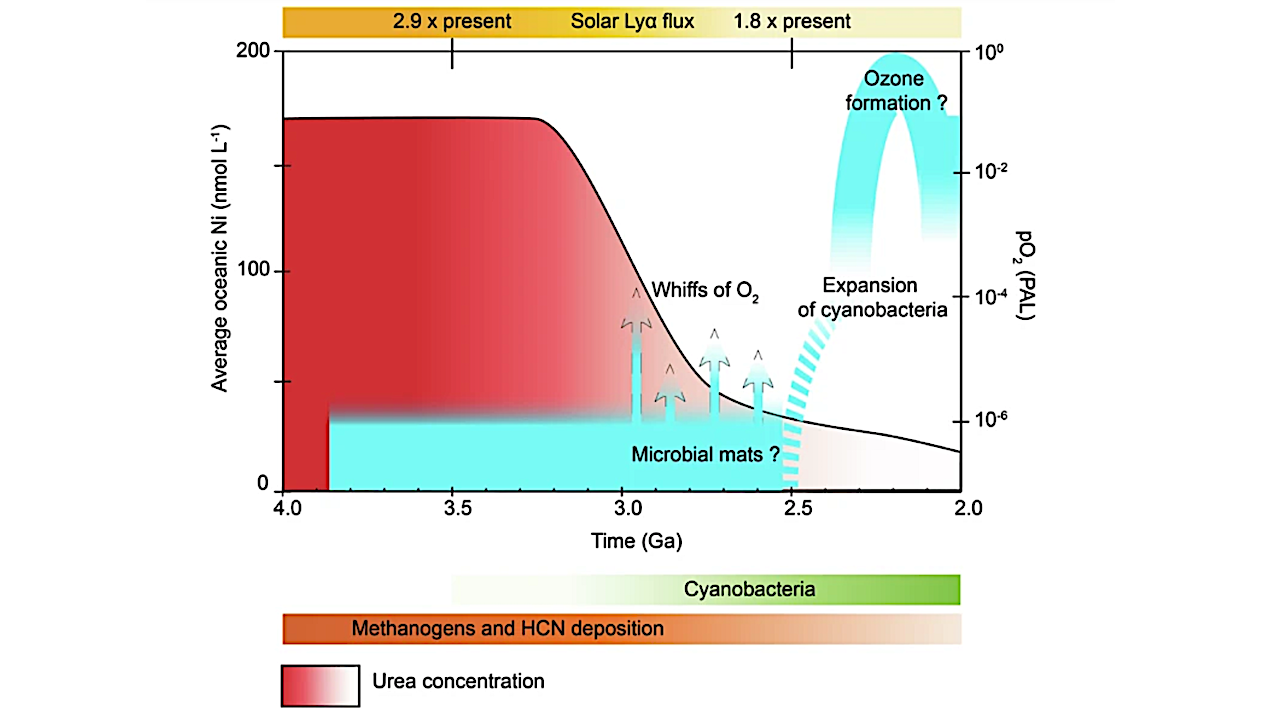
The solid curve represents the average dissolved oceanic Ni concentration (nmol L−1). Light blue indicates pO2 (Present Atmospheric Level, PAL). Changes in urea concentration are indicated by a red gradient
Scientific Society For Astrobiology (SSA) Incorporated in May 2022, the SSA is a professional society that advances the field of astrobiology by fostering collaborations amongst members and helping to boost
Advertisement
Popular Now
-
 01Two Black Holes Observed Circling Each Other for the First Time
 -
 02From Polymerization-Enabled Folding and Assembly to Chemical Evolution: Key Processes for Emergence of Functional Polymers in the Origin of Life
 -
 03Astronomy 101: From the Sun and Moon to Wormholes and Warp Drive, Key Theories, Discoveries, and Facts about the Universe (The Adams 101 Series)
 -
 04True Anomaly hires former York Space executive as chief operating officer
 -
 05Φsat-2 begins science phase for AI Earth images
 -
 06Hurricane forecasters are losing 3 key satellites ahead of peak storm season − a meteorologist explains why it matters
 -
 07Binary star systems are complex astronomical objects − a new AI approach could pin down their properties quickly
Scroll to Top