
A new class of supermassive black holes embedded in a thick gas shell could explain small red dots in images from the James Webb Space Telescope.

Hot Posts769- Page
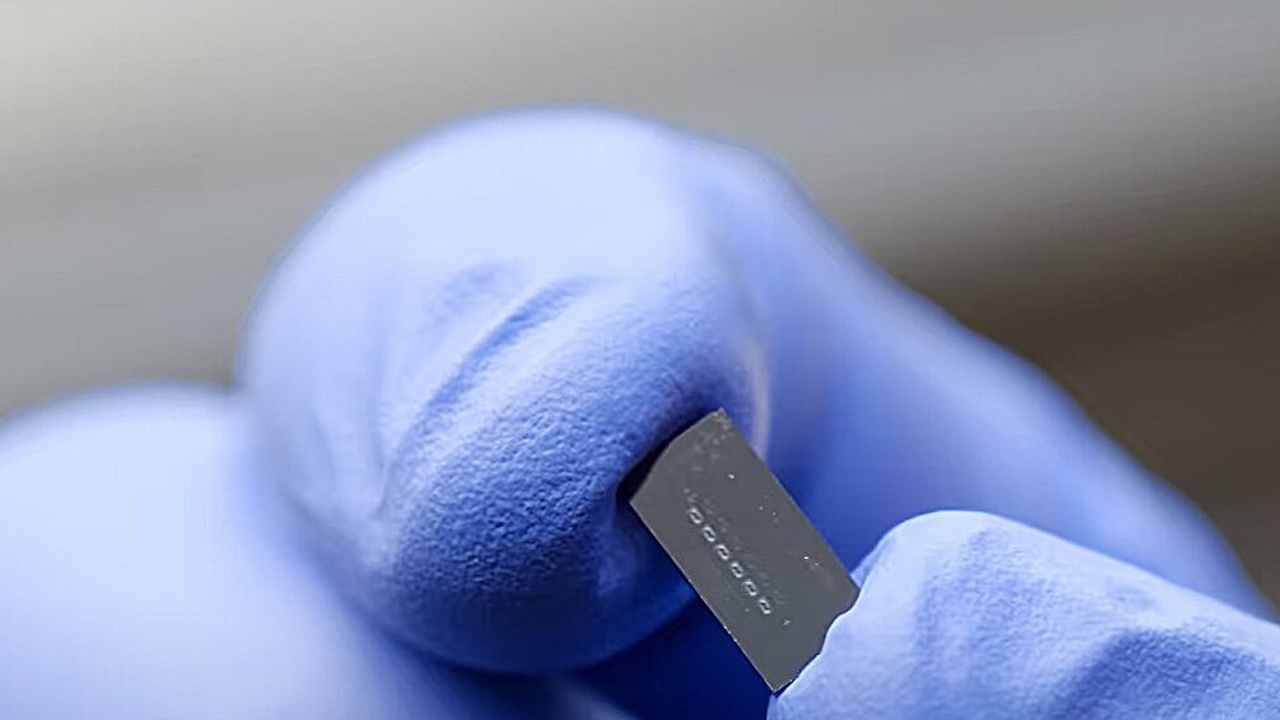
The (Origin of) Life Marker Chip (LMCOOL) — University of Twente Is life possible – or has it ever been possible – on other planets? The (Origin of) Life Marker
Undoubtedly one of the best Lego Star Wars sets of all time, the 7,541-piece UCS Millennium Falcon is now $100 on Walmart, so if you don’t want to spend money
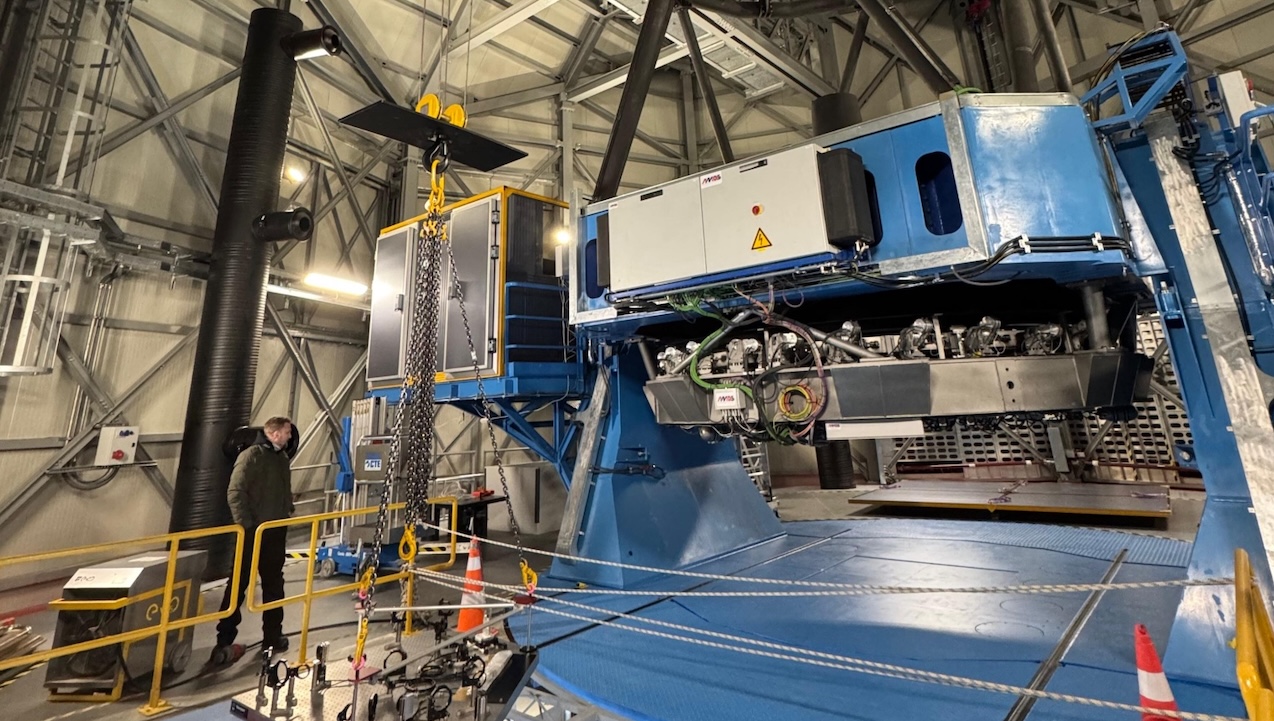
Programmable Liquid-crystal Active Coronagraphic Imager for the DAG telescope (PLACID) — Europlanet A game-changing instrument is set to improve the detection and direct imaging of planets outside our Solar System

(Houston) — Tory Bruno, president and CEO of United Launch Alliance, will be Honorary Chair of World Space Week 2026, it was announced today by World Space Week Association. Led by Bruno,
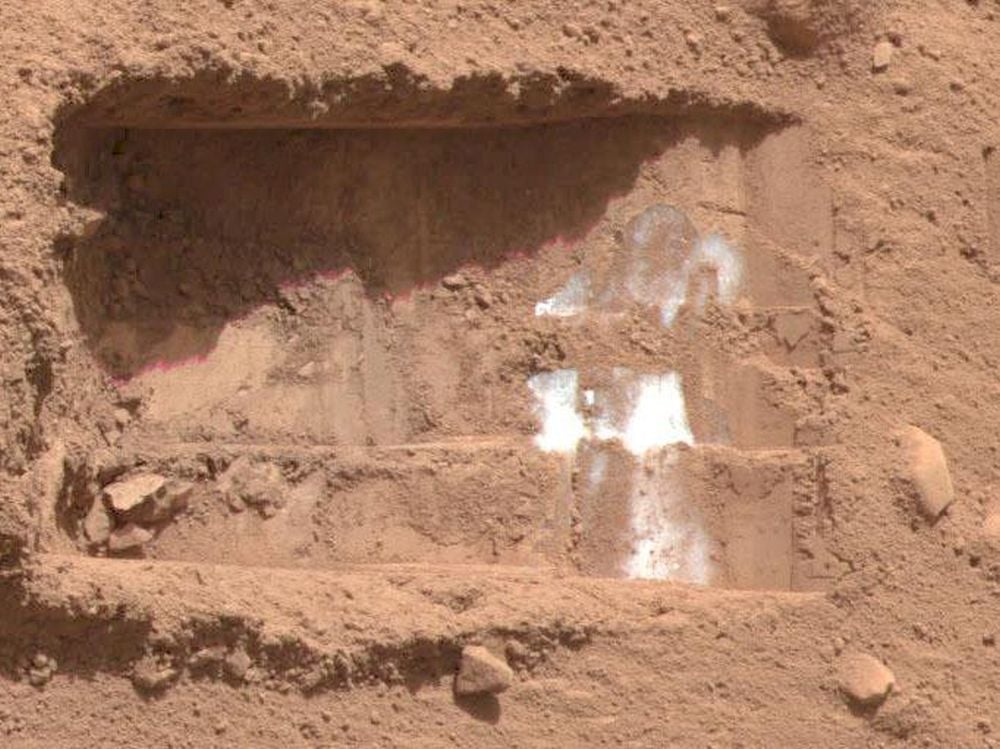
Frozen in time, ancient microbes or their remains could be found in Martian ice deposits during future missions to the red planet. By recreating Mars-like conditions in the lab, a
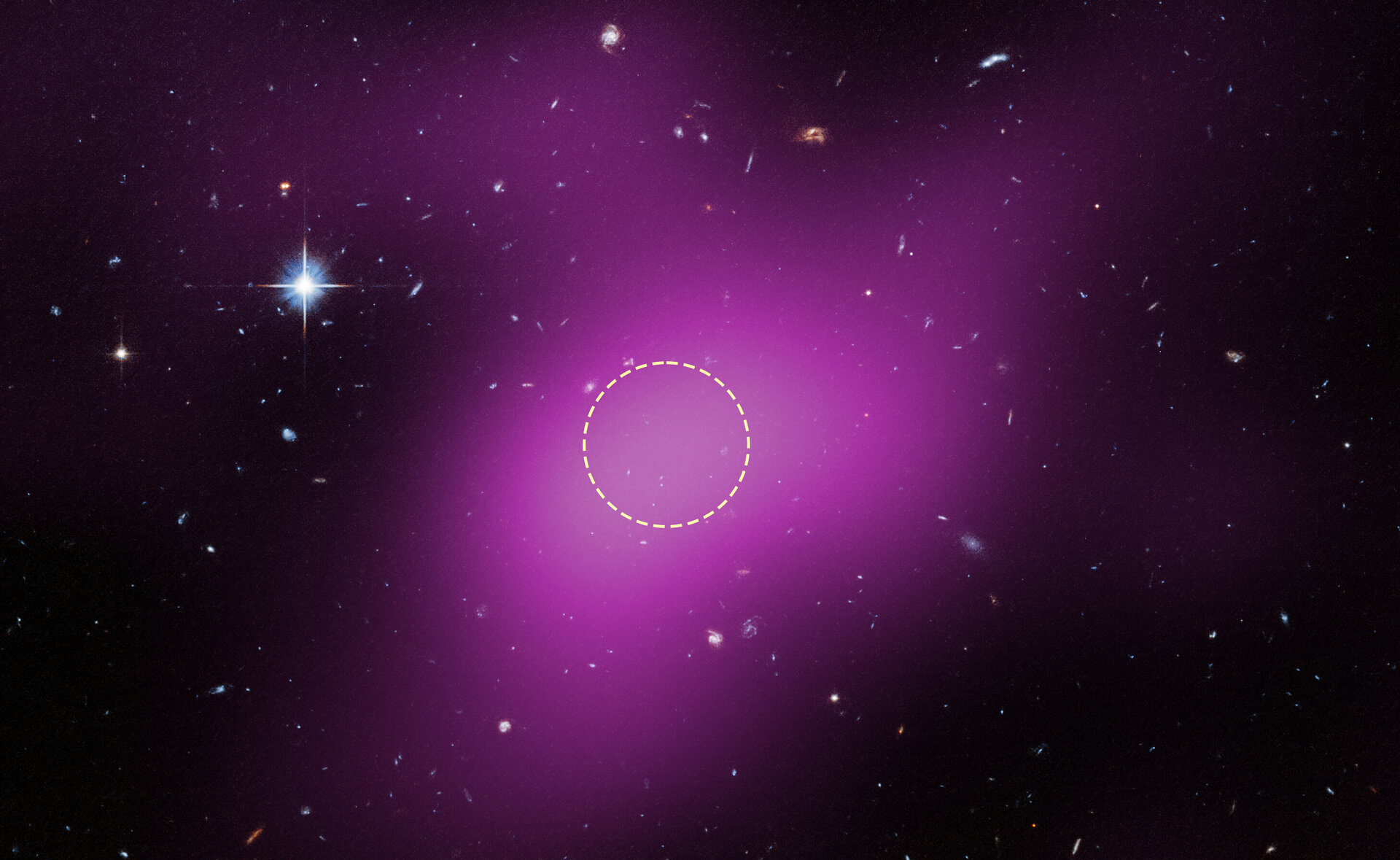
A groundbreaking discovery has emerged from the NASA/ESA Hubble Space Telescope, revealing a unique astronomical entity—a starless cloud rich in gas and dark matter. This object, dubbed “Cloud-9,” is a
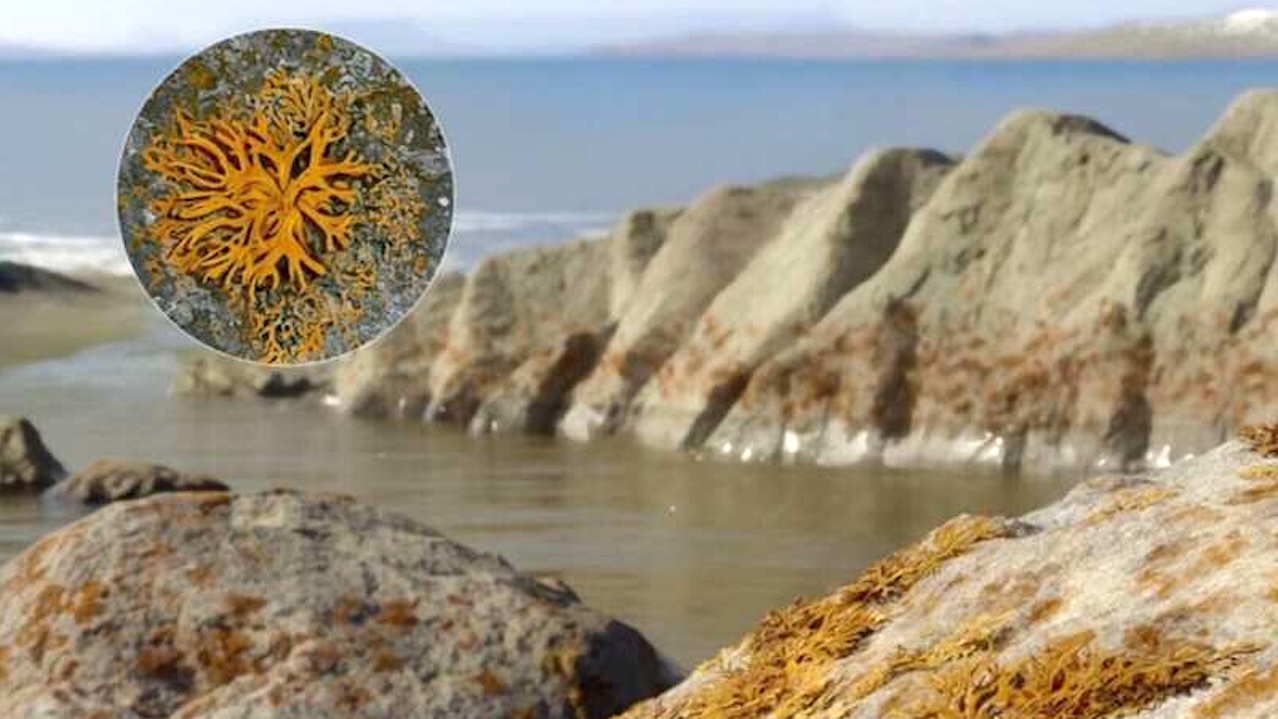
Artistic reconstruction of Spongiophyton during the Early Devonian in the high latitude depositional system of the Paraná Basin. Paleoart by J. Lacerda. Lichens were already widespread over 410 million years
By analyzing the data from ESA’s Gaia satellite, Chinese astronomers have investigated the structure of a nearby open cluster known as NGC 752. The new study identified four substructures and

There really is no terrestrial parallel to space exploration. While American pioneers pushed westward with minimal government oversight, the space age began with government funds and directives. Today, what was


Advertisement
Popular Now
-
 01Two Black Holes Observed Circling Each Other for the First Time
 -
 02From Polymerization-Enabled Folding and Assembly to Chemical Evolution: Key Processes for Emergence of Functional Polymers in the Origin of Life
 -
 03Astronomy 101: From the Sun and Moon to Wormholes and Warp Drive, Key Theories, Discoveries, and Facts about the Universe (The Adams 101 Series)
 -
 04True Anomaly hires former York Space executive as chief operating officer
 -
 05Φsat-2 begins science phase for AI Earth images
 -
 06Hurricane forecasters are losing 3 key satellites ahead of peak storm season − a meteorologist explains why it matters
 -
 07Binary star systems are complex astronomical objects − a new AI approach could pin down their properties quickly
Scroll to Top