
How could the principle of “radical mundanity” proposed by the Fermi paradox help explain why humans haven’t found evidence of extraterrestrial technological civilizations (ETCs)? This is what a recent study

Hot Posts772- Page
Activities at NASA’s flagship science center are coming under a Congressional magnifying glass, and lawmakers are calling for the space agency’s Office of Inspector General (OIG) to get involved. A
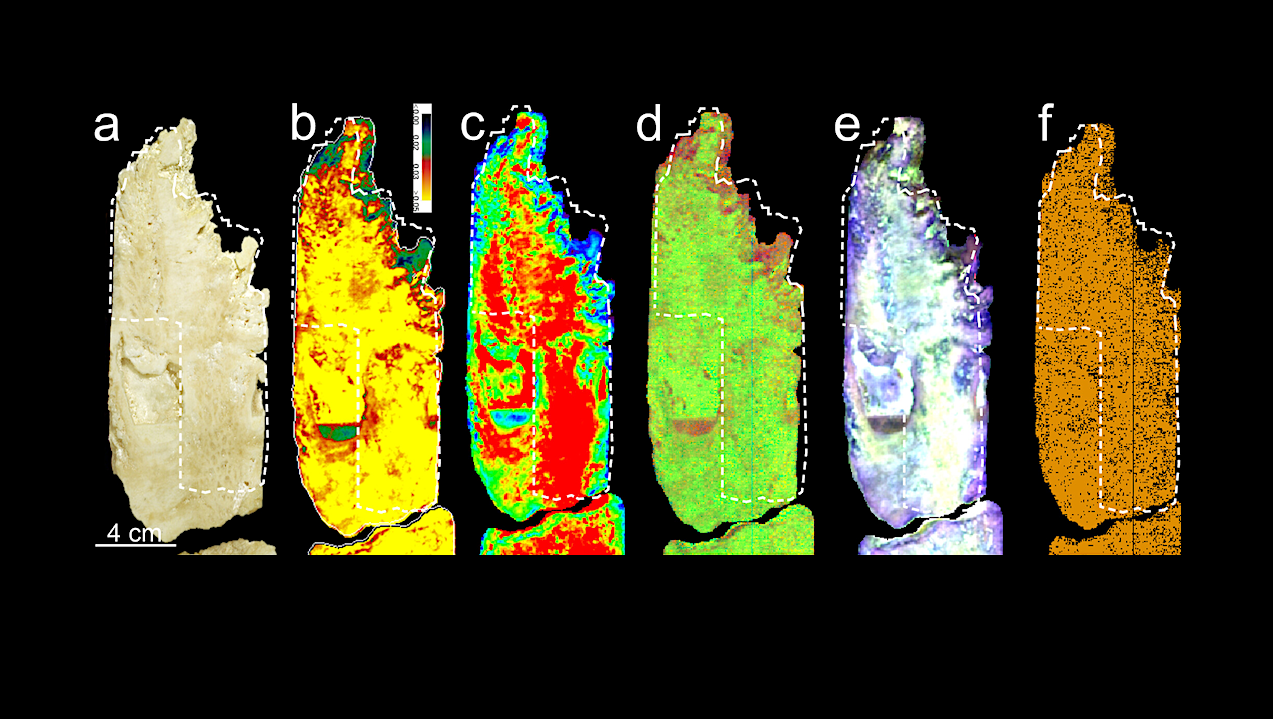
Hyperspectral maps of RR5-70-1. (a) Photograph of the RR5-70-1 original core. Dotted white outline shows cut sample region used for neutron computed tomographic scan (i.e., Figure 8a). (b) Hyperspectral image
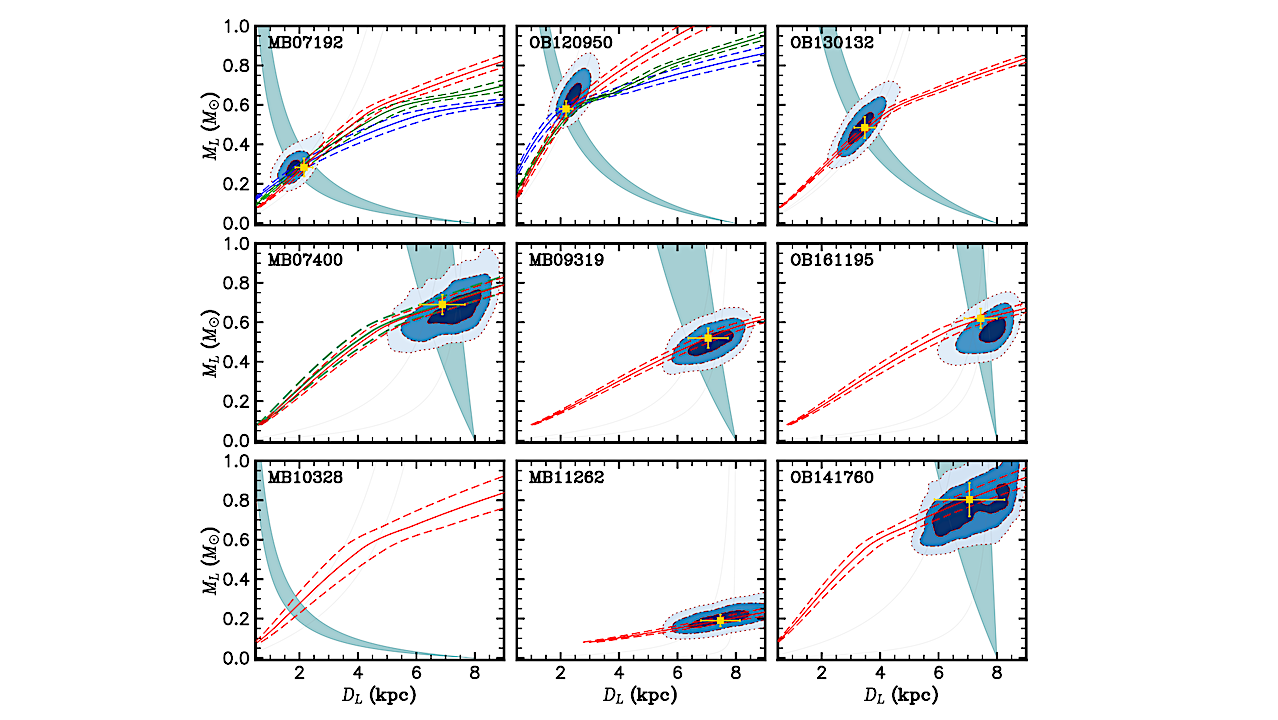
A representative sample of nine historical events from Table 5. The top row shows nearby ( 4 kpc) events for which a combination of all three mass-distance relations (θE, πE,

This Copernicus Sentinel-2 image over the South Atlantic Ocean features a close-up view of the A23a iceberg, once the world’s largest. The unusually cloud-free image shows the first signs that
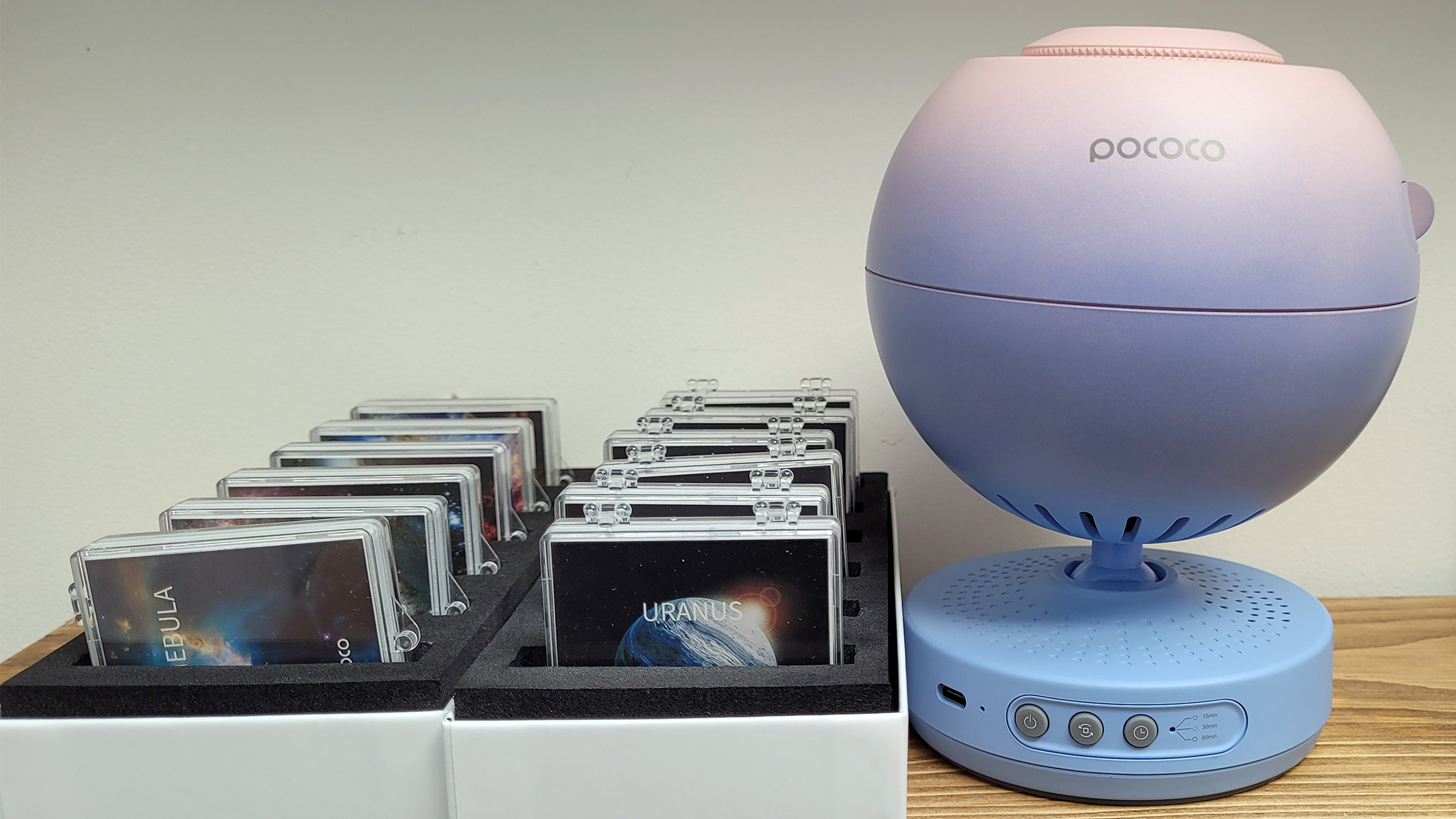
The Pococo Galaxy Star Projector is proof that you don’t have to spend a fortune to fill a room with realistic images of the cosmos. It punches well above its
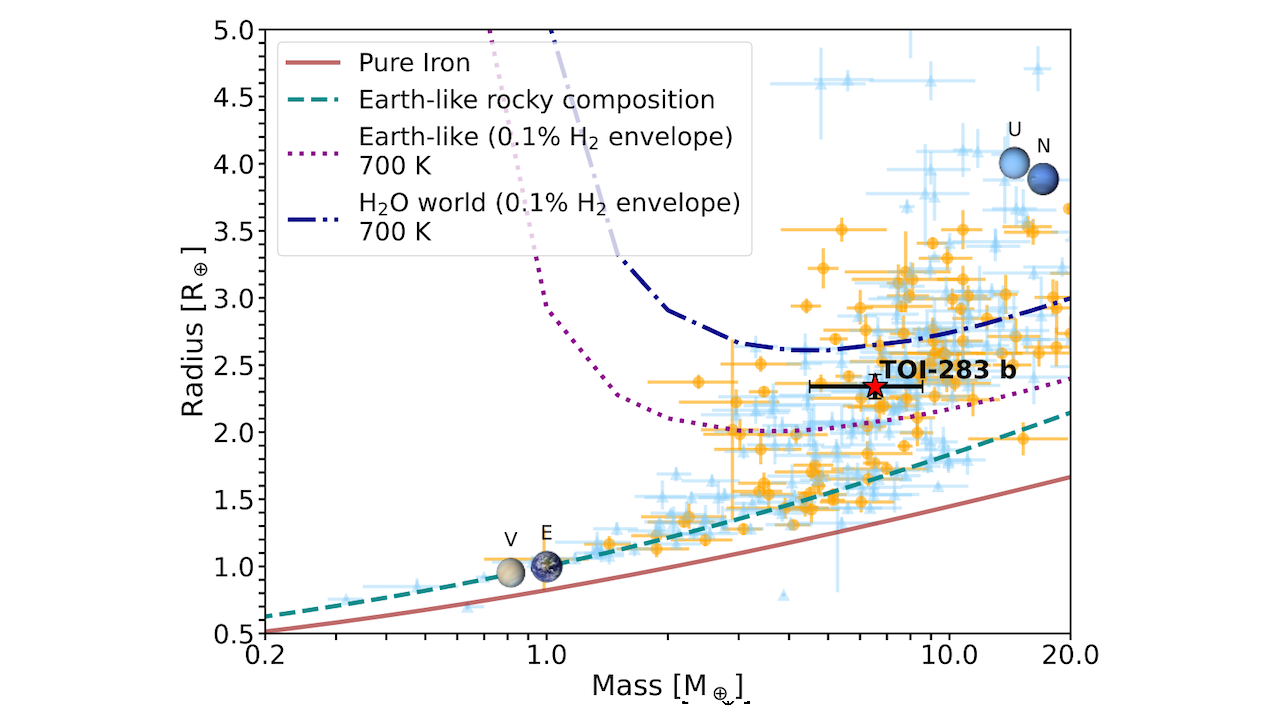
Mass-radius diagram for TOI-283 b (red star) and known transiting planets with mass determinations with a precision better than 30 % (parameters taken from the TEPCat database; Southworth 2011). Planets
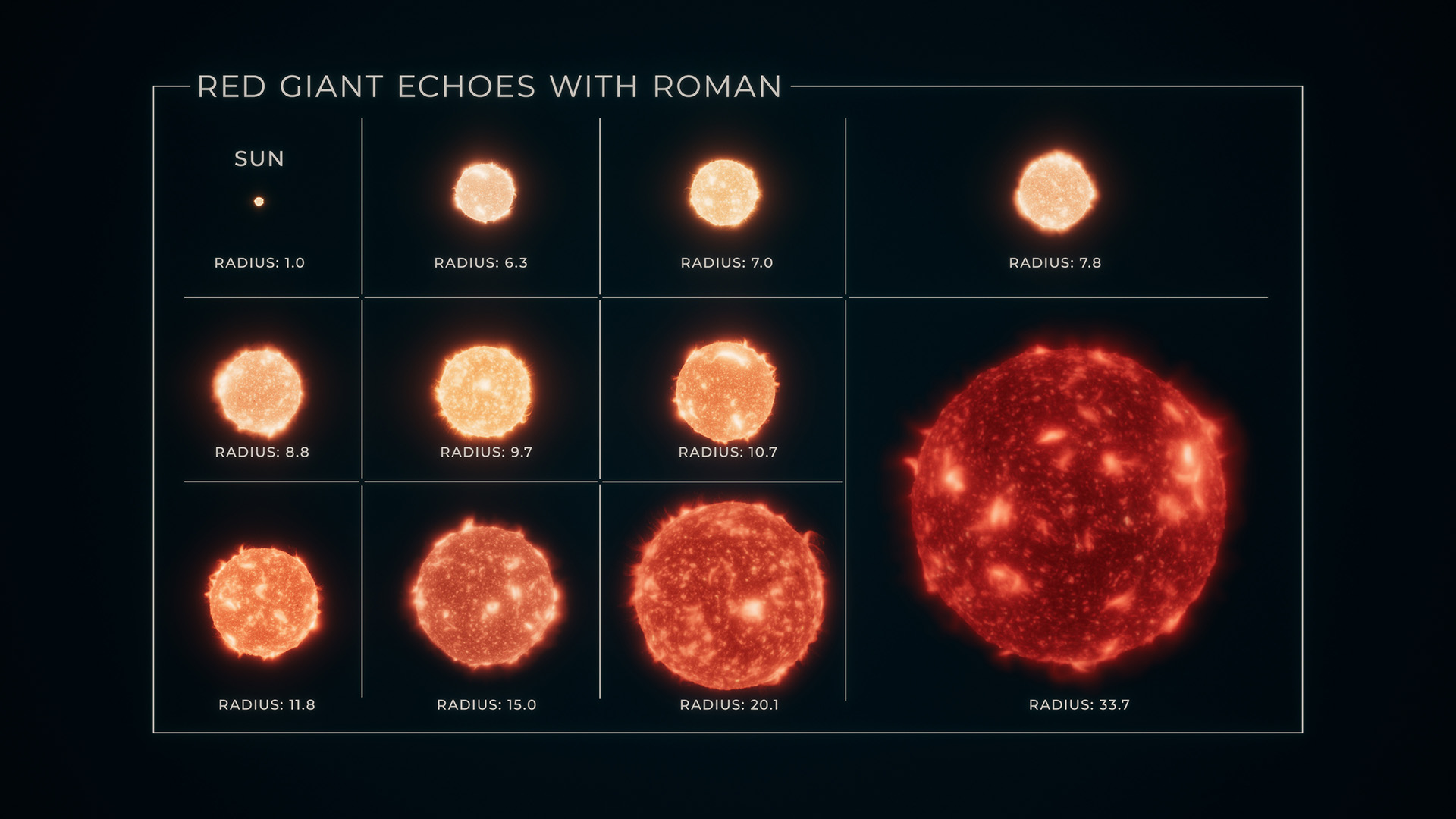
Once NASA’s Nancy Grace Roman Space Telescope launches in the next 12 to 18 months, it will be on its way toward outdoing scientists’ initial expectations. Researchers have confirmed that
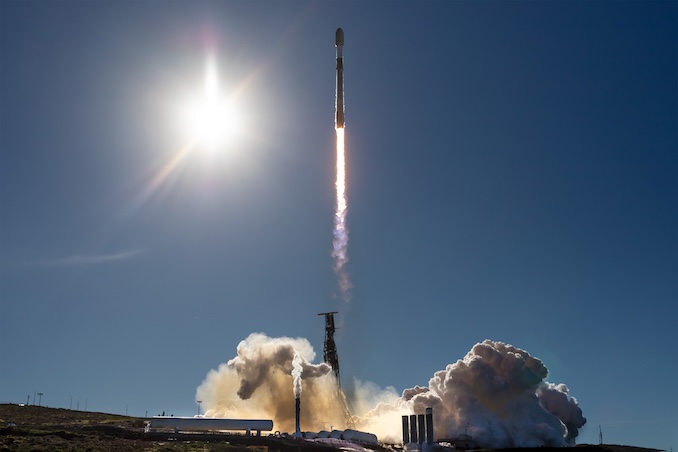
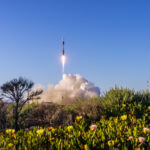
A SpaceX Falcon 9 rocket lifts off on the Starlink 11-15 mission from Space Launch Complex 4 East at Vandenberg Space Force Base on Dec. 7, 2025. Image: SpaceX Update
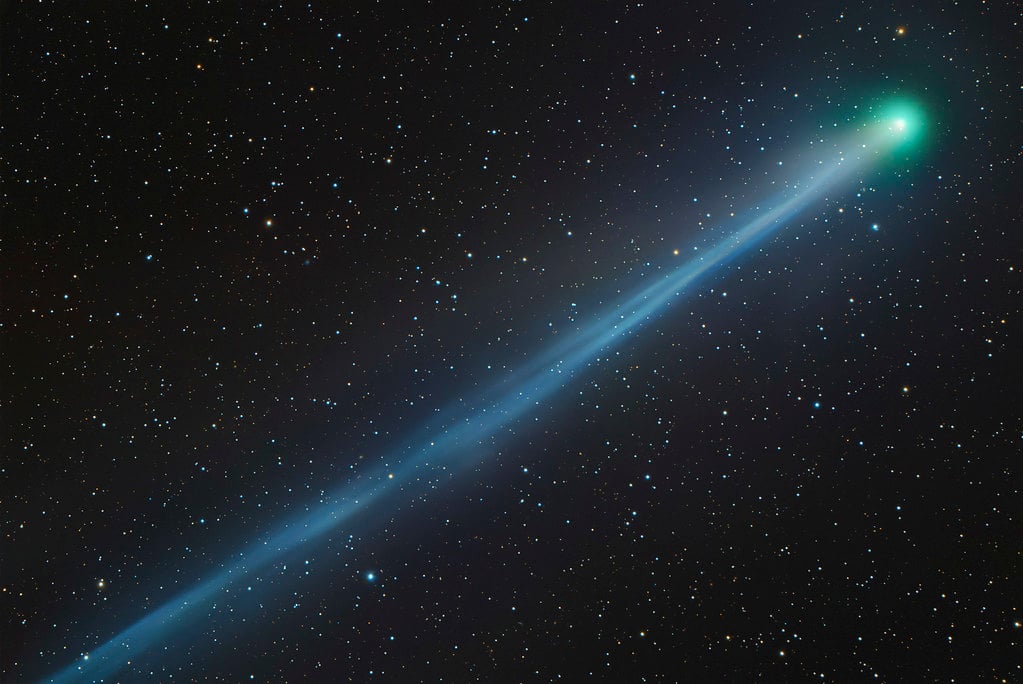
October 2025 may provide a memorable sky scene, as Comet C/2025 A6 Lemmon puts on an encore appearance at dusk. The comet joins Comet R2 SWAN, which slides 0.26 Astronomical


Advertisement
Popular Now
-
 01Two Black Holes Observed Circling Each Other for the First Time
 -
 02From Polymerization-Enabled Folding and Assembly to Chemical Evolution: Key Processes for Emergence of Functional Polymers in the Origin of Life
 -
 03Astronomy 101: From the Sun and Moon to Wormholes and Warp Drive, Key Theories, Discoveries, and Facts about the Universe (The Adams 101 Series)
 -
 04True Anomaly hires former York Space executive as chief operating officer
 -
 05Φsat-2 begins science phase for AI Earth images
 -
 06Hurricane forecasters are losing 3 key satellites ahead of peak storm season − a meteorologist explains why it matters
 -
 07Binary star systems are complex astronomical objects − a new AI approach could pin down their properties quickly
Scroll to Top