Using its high-resolution camera, China’s Tianwen-1 orbiter has successfully observed the interstellar object 3I/ATLAS at a distance of about 30 million kilometers, according to the China National Space Administration (CNSA).

Using its high-resolution camera, China’s Tianwen-1 orbiter has successfully observed the interstellar object 3I/ATLAS at a distance of about 30 million kilometers, according to the China National Space Administration (CNSA).
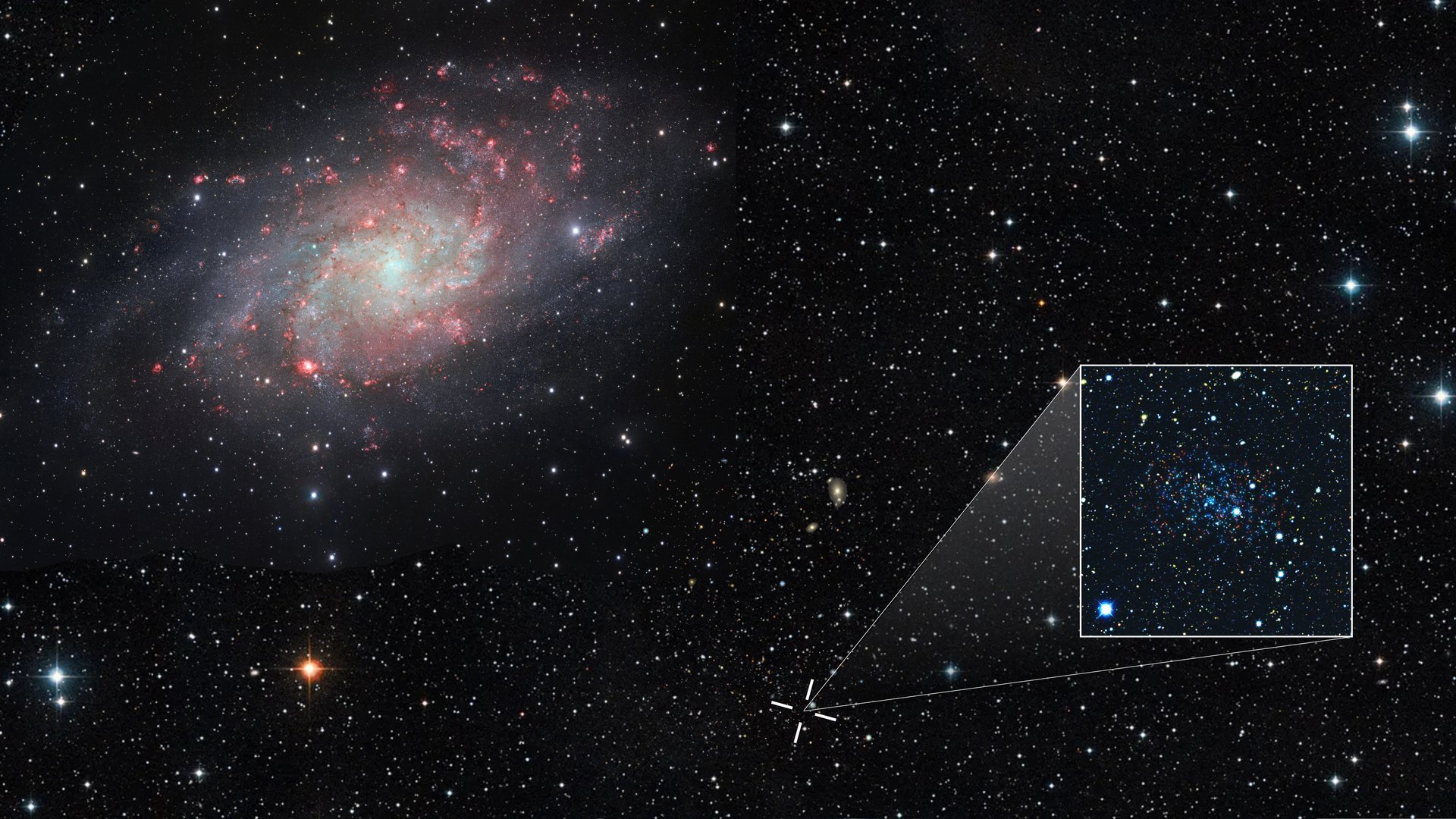
An international team of researchers, led by the Leibniz Institute for Astrophysics Potsdam (AIP), has shed light on a decades-long debate about why galaxies rotate faster than expected, and whether
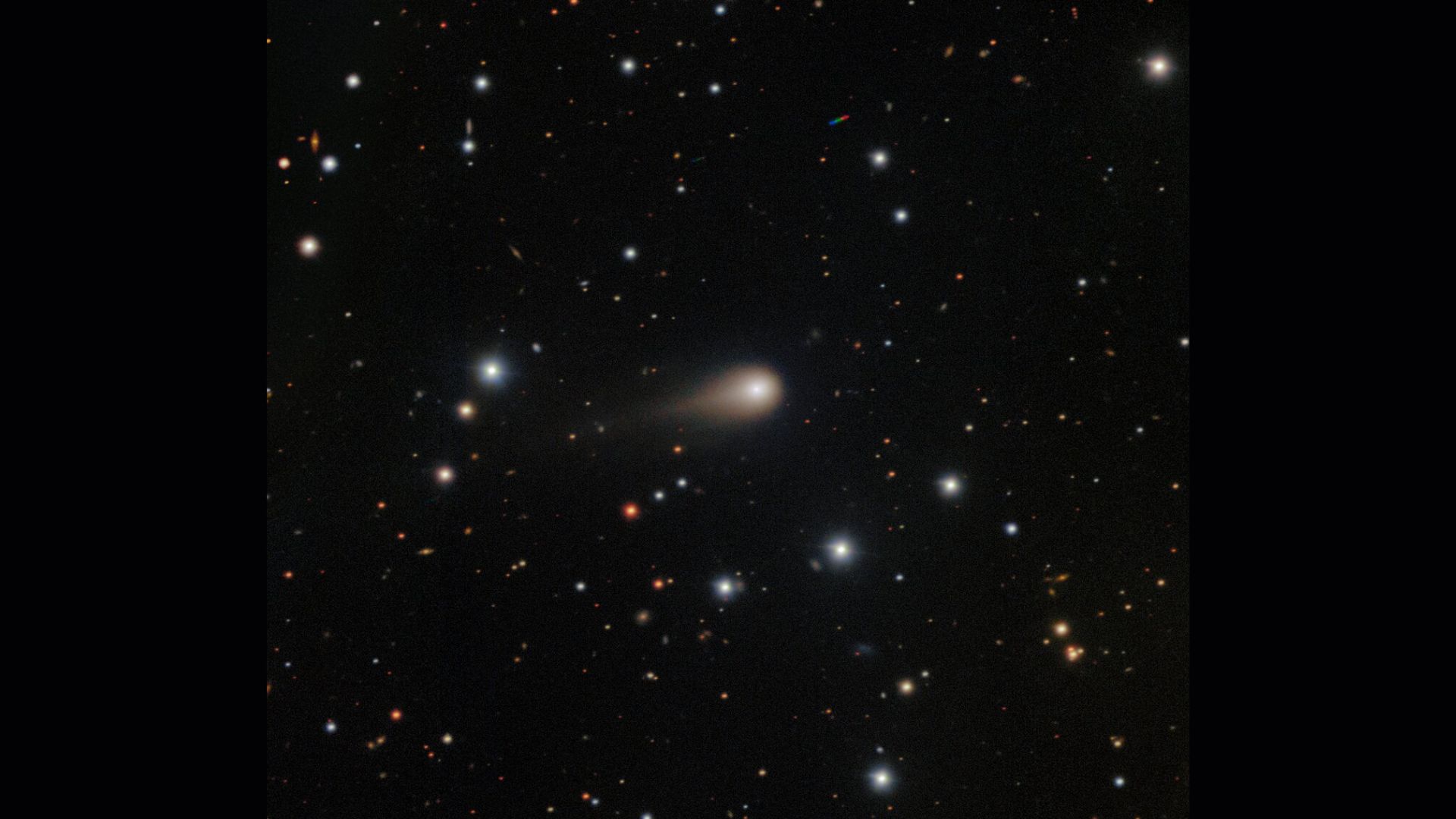
An interstellar comet is dramatically jetting off ice and dust into space, a new image shows. The comet, called 3I/ATLAS, is sending out a jet of material towards the sun
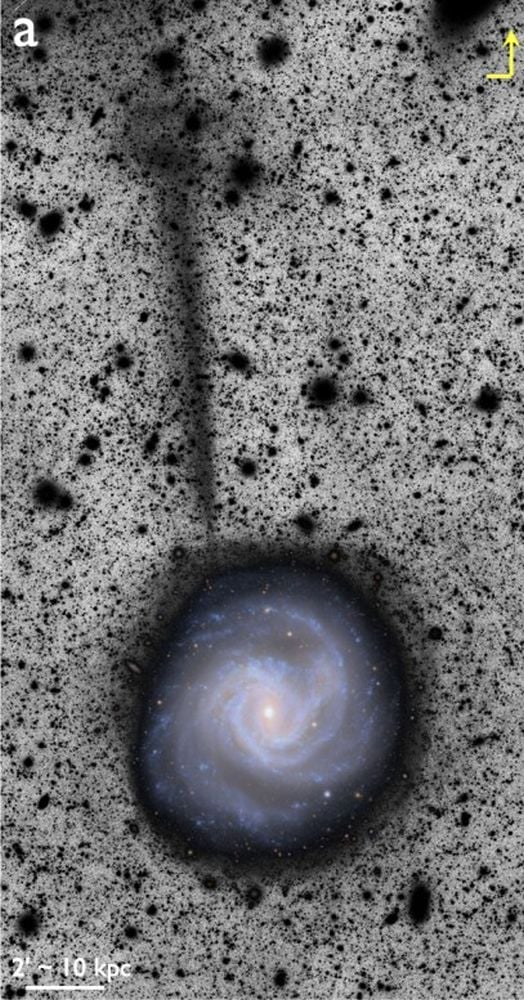
The Vera Rubin Observatory saw first light in June 2025. Its images from that time are called the Virgo First Look images because they focus on the Virgo Cluster of
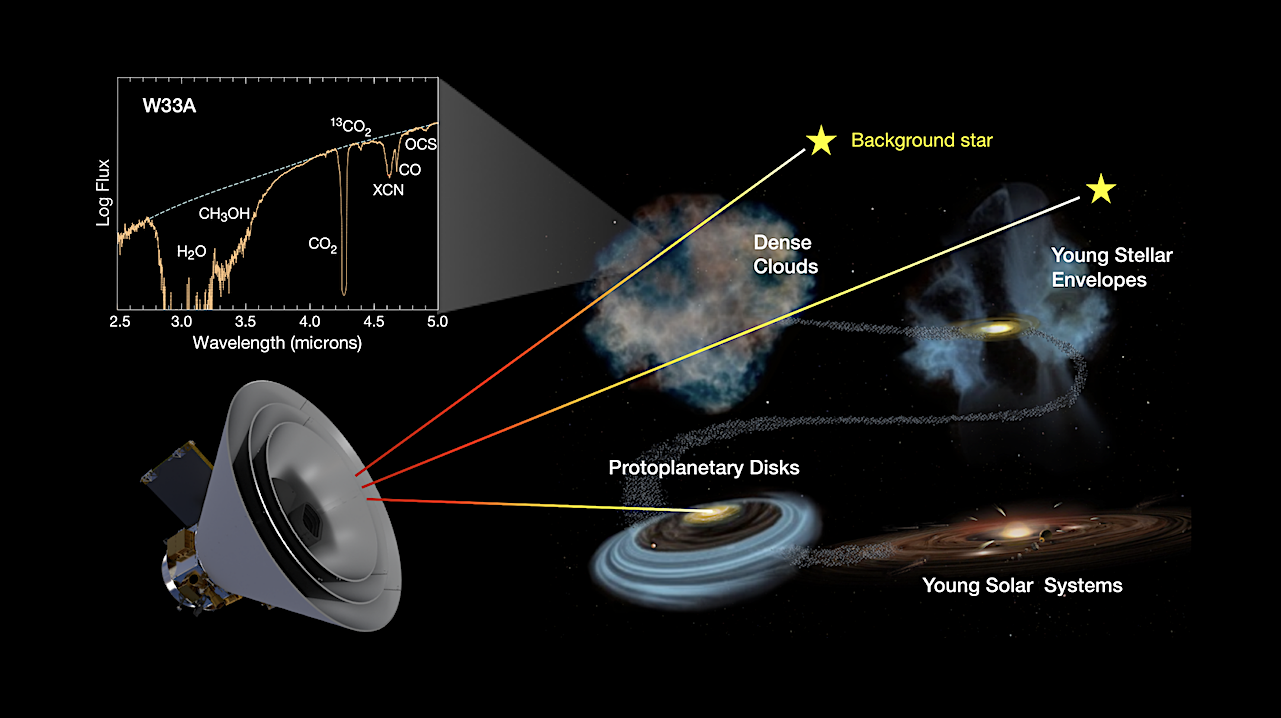
SPHEREx measures the abundances and properties of ice species by taking absorption spectra toward background stars and protostars. This comprehensive survey toward ∼10 million targets spans the evolutionary stages of

European Space Agency astronaut Sophie Adenot is set to embark on a mission to the International Space Station, known as εpsilon, with a launch window opening no earlier than February

The romantic comedy “I See You” aims to become the first western film to launch a filmmaker into low-Earth orbit to shoot key scenes. “I See You” won’t be entirely

An Introduction To Mars Terraforming – 2025 Workshop Summary Terraforming Mars is an age old science fiction concept now worth revisiting through the lens of modern science and technology. This

Combining data from different telescopes is one of the best ways to get a fuller picture of far-off objects. Because telescopes such as Hubble (visible light), the James Webb Space
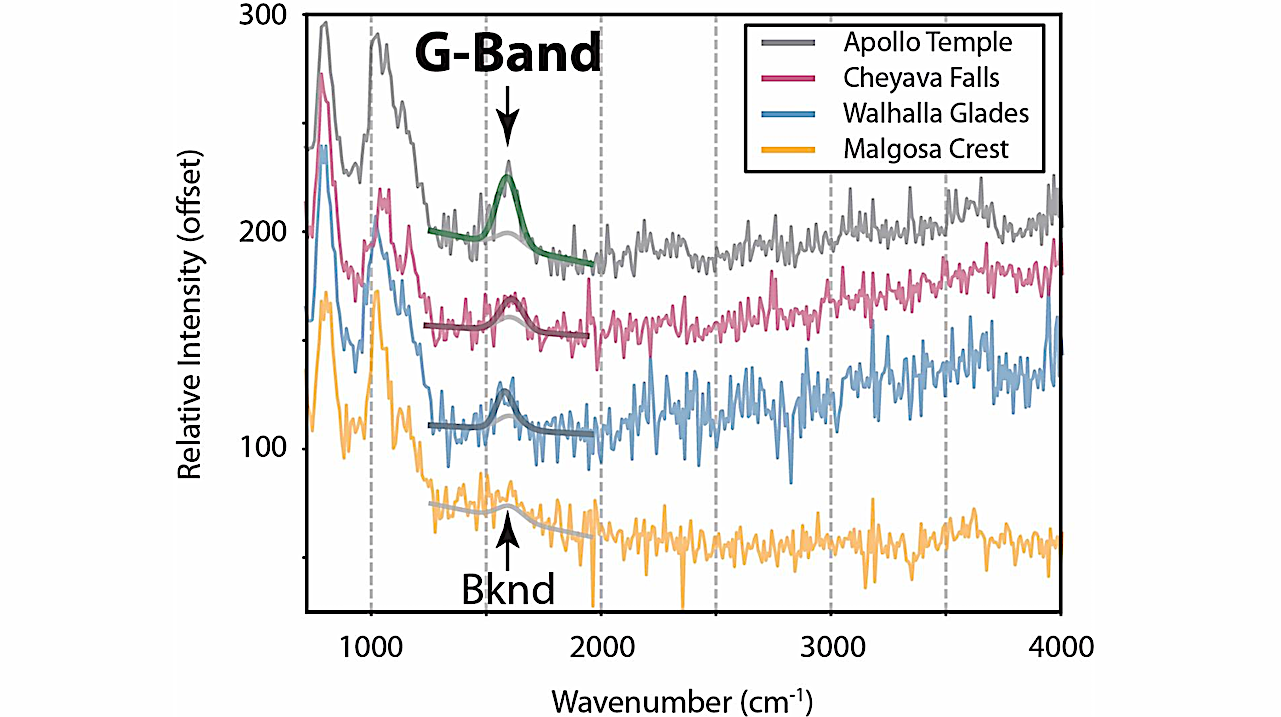
This graph displays data collected by NASA’s Perseverance Mars rover from targets in a rock formation nicknamed “Bright Angel.” Scientists later determined one of those targets, a rock nicknamed “Cheyava