
Now Reading: Kennedy Space Center ramps up preparations for pivotal Artemis II wet dress rehearsal
-
01
Kennedy Space Center ramps up preparations for pivotal Artemis II wet dress rehearsal

Kennedy Space Center ramps up preparations for pivotal Artemis II wet dress rehearsal

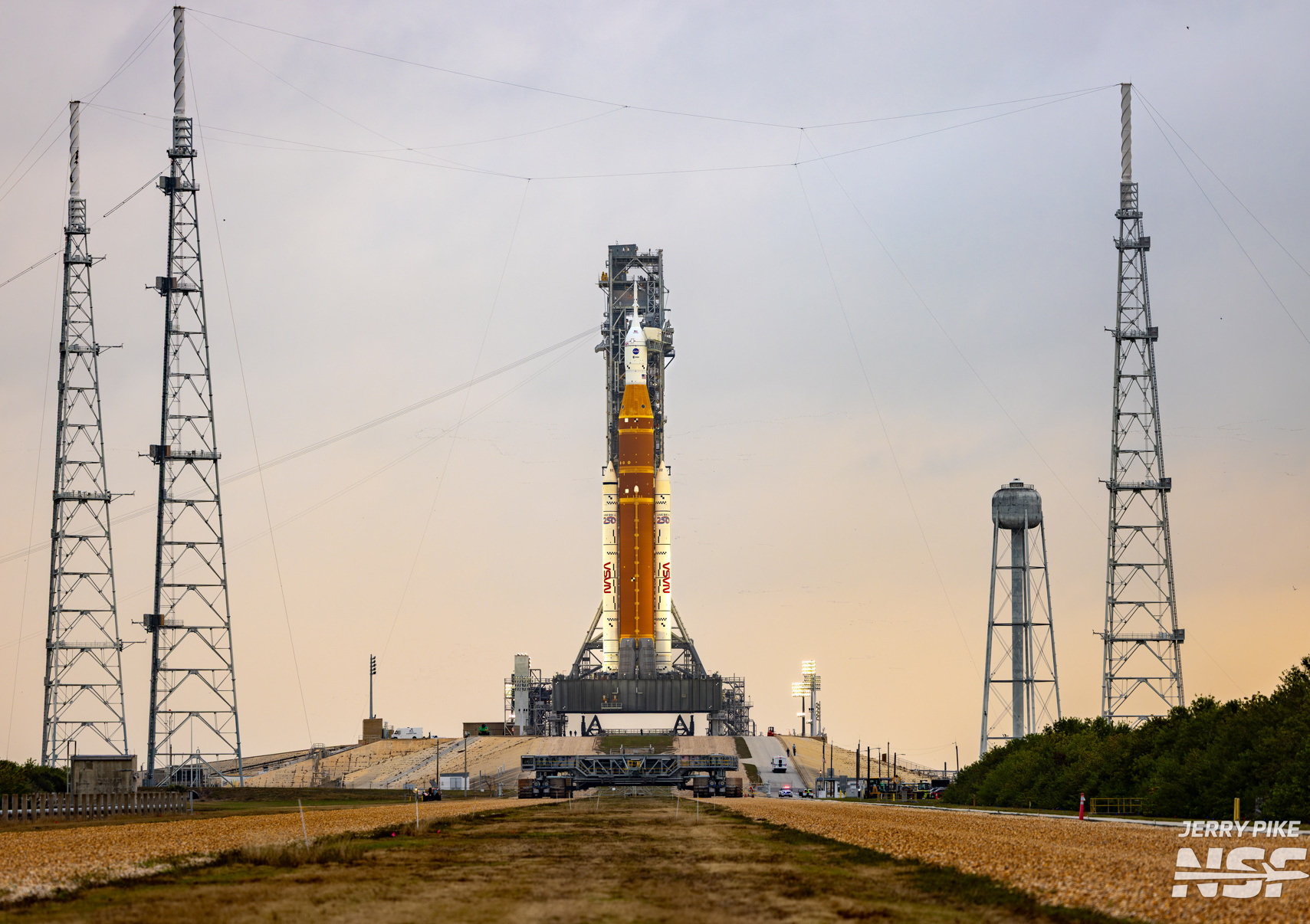

Teams at Kennedy Space Center are intensifying their preparations for the Artemis II mission, which marks the inaugural crewed flight of the Space Launch System (SLS) rocket and the Orion spacecraft. Key milestones are being completed as they approach an important wet dress rehearsal (WDR) test scheduled for after January 31.
Following the successful rollout of the SLS and Orion to launch pad 39B on January 17, 2026, operations have proceeded smoothly. The upcoming wet dress rehearsal is designed as a critical prelaunch exercise, simulating essential launch day procedures without a crew on board. This process will include loading over 700,000 gallons of cryogenic propellants—liquid oxygen and liquid hydrogen—into the rocket. A complete countdown sequence will be executed, culminating in the safe offloading of the propellants.
The rehearsal is set to commence with the first of several planned runs starting approximately 49 hours prior to a simulated launch time of 9 p.m. EST, with the possibility of extending operations into the early hours of the following day if necessary. During the countdown simulation, teams will test their ability to hold, resume, and recycle the countdown at various intervals, particularly during the crucial final 10 minutes.
Recent achievements in the lead-up to the WDR include successful servicing of the SLS solid rocket boosters, which saw hydrazine loaded into their aft skirts. Simultaneously, preparations for the Orion spacecraft are advancing, with technicians organizing equipment within the crew module and conducting work related to the launch abort system. Additionally, checks have been completed on the core stage’s four RS-25 engines.
Furthermore, the Launch and Exploration Ground Systems (EGS) teams have successfully connected and powered up the pad and mobile launcher, completing initial testing by January 21. The first phase of the Pad Pre-Stack Electrical Test (PSET) was finished on January 23, and the next phase commenced on January 28.
In the days leading up to the wet dress rehearsal, weather conditions, including colder temperatures forecasted for Florida, are prompting teams to implement measures to protect the environmental control systems integral to the SLS and Orion components. Minor issues have arisen, including some damage to thermal blankets on the SLS engines caused by high winds during the rollout; however, these have been repaired without affecting the overall timeline.
On a safety note, an evaluation of the emergency egress system revealed that the descent baskets for crew and pad personnel needed adjustments, which have now been rectified.
Potential concerns regarding the spacecraft’s potable water system have also been identified, with further sampling planned to ensure compliance with safety standards after initial tests indicated elevated levels of total organic carbon.
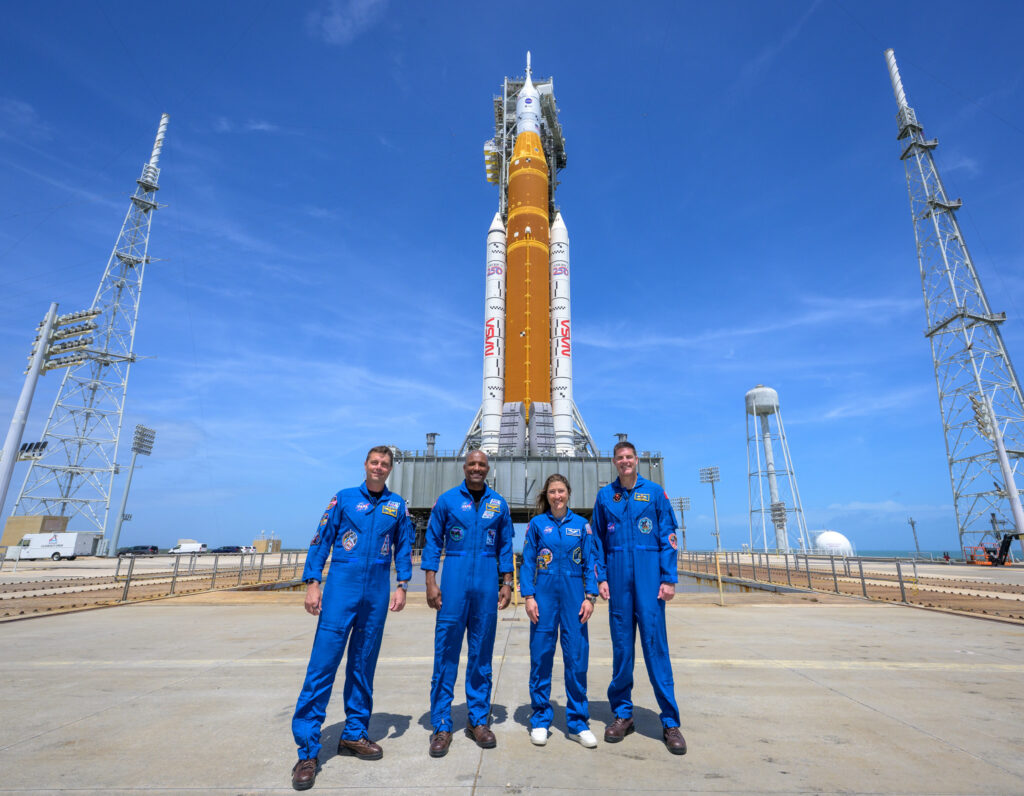
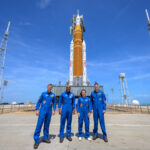
The crew of Artemis II, comprising NASA astronauts Reid Wiseman, Victor Glover, Christina Koch, and Canadian Space Agency astronaut Jeremy Hansen, entered a health quarantine on January 23 to mitigate any risks before the launch. The current target for launch is set for no earlier than 9:41 p.m. EST on February 6, 2026, although a two-hour launch window and backup opportunities extend into early February and as far as April.
The upcoming wet dress rehearsal is pivotal in determining the timeline for the mission, which is poised to be the first crewed lunar mission since Apollo 17 in 1972. A successful rehearsal would solidify the path toward the anticipated mission, while any complications could necessitate additional work at the Vehicle Assembly Building.










Related Posts

Stay Informed With the Latest & Most Important News
Previous Post
Next Post


Advertisement
-
 01Two Black Holes Observed Circling Each Other for the First Time
 -
 02From Polymerization-Enabled Folding and Assembly to Chemical Evolution: Key Processes for Emergence of Functional Polymers in the Origin of Life
 -
 03Astronomy 101: From the Sun and Moon to Wormholes and Warp Drive, Key Theories, Discoveries, and Facts about the Universe (The Adams 101 Series)
 -
 04True Anomaly hires former York Space executive as chief operating officer
 -
 05Φsat-2 begins science phase for AI Earth images
 -
 06Hurricane forecasters are losing 3 key satellites ahead of peak storm season − a meteorologist explains why it matters
 -
 07Binary star systems are complex astronomical objects − a new AI approach could pin down their properties quickly