
Now Reading: ‘Leaders can be replaced, institutional knowledge cannot’
-
01
‘Leaders can be replaced, institutional knowledge cannot’


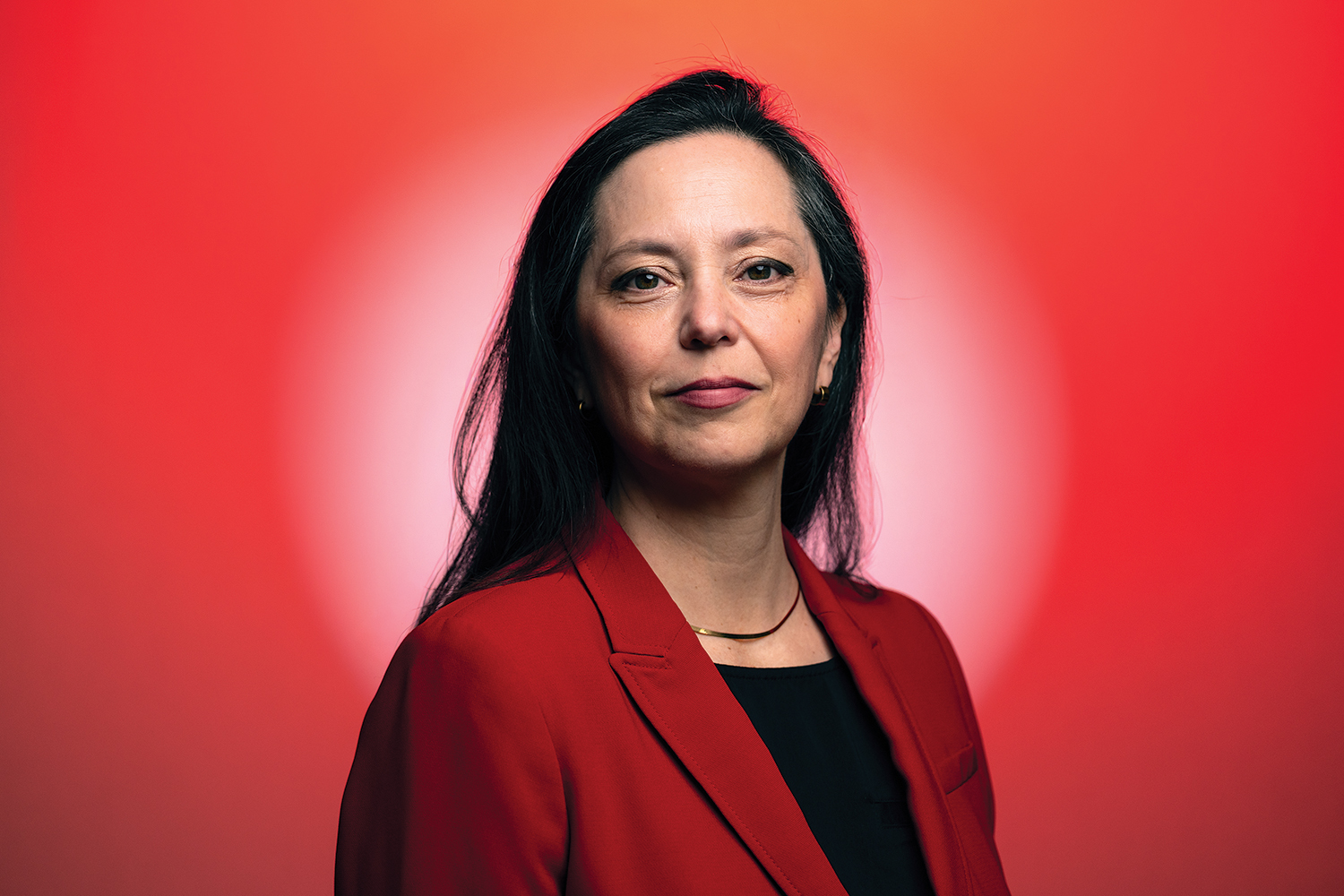

In 2025, more than 322,000 civil servants left jobs voluntarily or were dismissed out of a workforce of roughly 2.4 million. The 13% drop in staffing is the largest single-year decline since the end of World War II. In total, more than 5,000 people who were part of the federal space workforce left their positions. Senior executives with decades of experience retired alongside younger staffers whose posts were eliminated or who sought opportunities in the private sector or academia. This is one of eight conversations with some of the remarkable people who recently left the federal workforce.
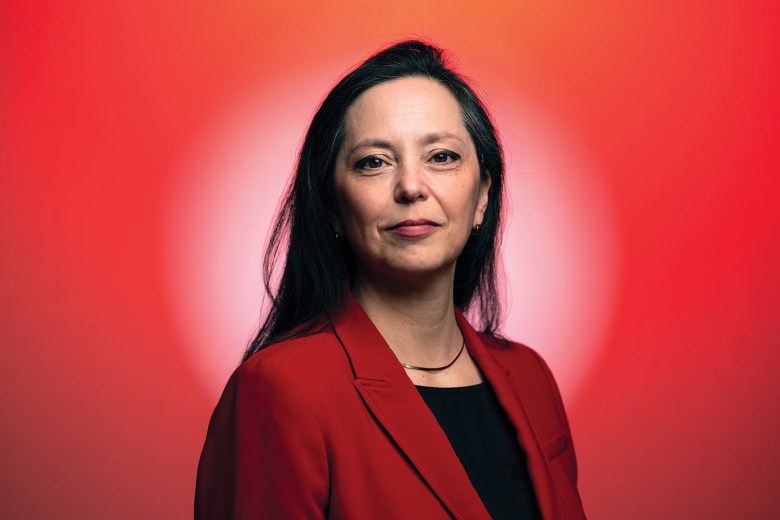
Charity Weeden
Last position: NASA Associate Administrator for Technology, Policy and Strategy
Charity Weeden’s career has taken her through many aspects of the space sector. During her 23-years with the Royal Canadian Air Force, Weeden served as an air combat systems officer, deputy sensor manager for the U.S. Space Surveillance Network at Air Force Space Command and policy officer at North American Aerospace Defense Command and United States Northern Command headquarters. Weeden also spent four years at the Canadian embassy in Washington as assistant attaché of air and space operations.
After her military career, Weeden, became the Satellite Industry Association’s senior policy director, established a private consulting practice and served as Astroscale U.S. vice president for global space policy and government relations. In September 2023, Weeden was appointed associate administrator to lead NASA’s Office of Technology, Policy and Strategy (OTPS). NASA closed OTPS in April along with its Office of the Chief Scientist and the Office of Diversity and Equal Opportunity through a reduction in force.
What brought you to NASA?
When Deputy Administer [Pam] Melroy reached out to me about the role, I immediately said yes. Opportunities to serve are so rare. I always had that itch. As a naturalized U.S. citizen since 2019, this was my first opportunity.
Why is your work important?
I see two themes through my career. One is understanding how we make decisions. In my case, it’s space policy and space governance. Where do we go? Why do we go? How do we go? Now, I’m broadening that out. There are very similar questions being asked in AI. How do we govern these new technologies so they’re safe, secure, successful for future generations as well?
The second theme is technology diplomacy. I’m a firm believer that we’re stronger together in alliances and partnerships, especially in space. Space is expensive. It’s risky. We are a society that wants to explore and it’s simply better to do that with friends and partners. I will continue to help build the policies we need to successfully use technology and to create bridges amongst allies and partners.
What were the circumstances of your departure?
Each administration has its own needs and wants for how it shapes the NASA administrator suite and its leadership. That is their prerogative. I was disappointed however that the entire OTPS team that had deep expertise in technology, policy and economic analyses was let go. We had folks that have been there 20-plus years, who maintained continuity across administrations. As for me, I was prepared for early departure. Leaders can be replaced; institutional knowledge cannot.
I am privileged to have had the chance to serve in the U.S. government, especially to serve at NASA. Every day I walked by the worm [logo] in front of headquarters and said to myself, “Kick ass today, Charity, because you don’t know when this dream will end.”
What are you doing now?
I have a portfolio of things I am working on. I’ve been upskilling into AI governance. I joined the Atlantic Council as a nonresident senior fellow to keep my voice active and to identify what we need to govern all emerging technologies. I joined a company board. And I have been speaking and guest lecturing, both sharing my career and leadership insights and teaching about building global space policy campaigns. I’ve found it rewarding to provide practical knowledge to the next generation of space leaders. If anyone wants me to provide a lecture on space policy, I’m there.
I will continue to help shape the future of the U.S. tech talent pipeline. My thesis here is that we’re in dire straits if we don’t have good science and tech communication. The sense of mistrust around science and tech in the U.S. is impacting our ability to build a talent pipeline. And we need all sorts of technologists and engineers in the future.
Of course, there is more to come. I’m eager to continue to make a difference.
An abridged version of this interview first appeared in the February 2026 issue of SpaceNews Magazine.










Related Posts
Stay Informed With the Latest & Most Important News
Previous Post
Next Post

Advertisement
-
 01Two Black Holes Observed Circling Each Other for the First Time
 -
 02From Polymerization-Enabled Folding and Assembly to Chemical Evolution: Key Processes for Emergence of Functional Polymers in the Origin of Life
 -
 03Astronomy 101: From the Sun and Moon to Wormholes and Warp Drive, Key Theories, Discoveries, and Facts about the Universe (The Adams 101 Series)
 -
 04True Anomaly hires former York Space executive as chief operating officer
 -
 05Φsat-2 begins science phase for AI Earth images
 -
 06Hurricane forecasters are losing 3 key satellites ahead of peak storm season − a meteorologist explains why it matters
 -
 07Binary star systems are complex astronomical objects − a new AI approach could pin down their properties quickly