
Now Reading: Mars Curiosity Seeks Evidence Of Organics
-
01
Mars Curiosity Seeks Evidence Of Organics


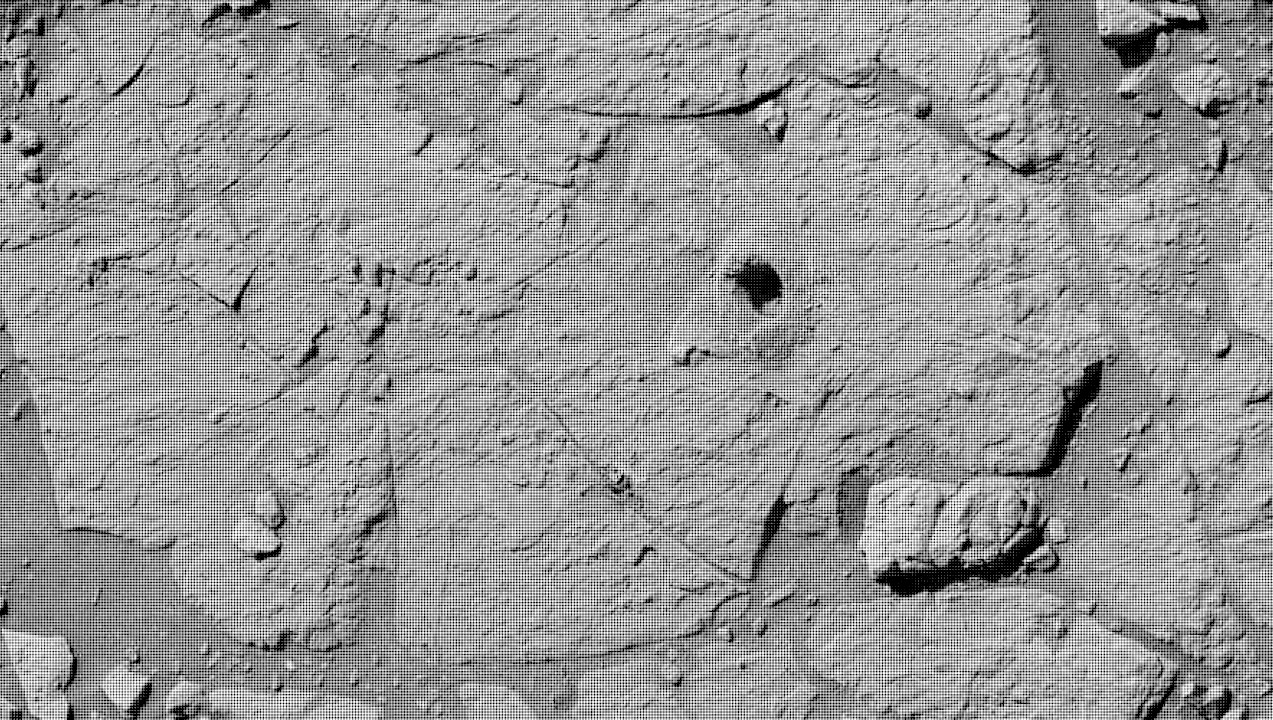
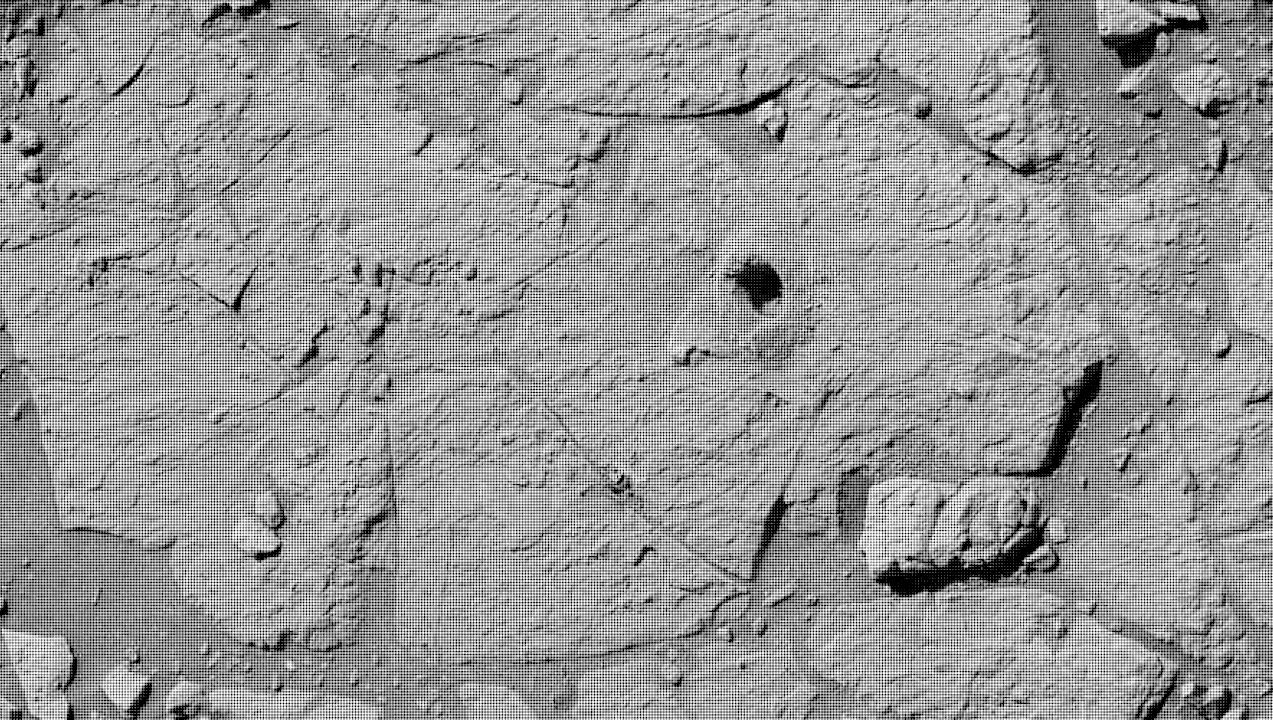
NASA’s Mars rover Curiosity acquired this image using its Mast Camera (Mastcam); it shows the “Nevado Sajama” drill site from November, right next to the location of this weekend’s drill. The new drill site will be to the upper left of the existing hole. Curiosity captured the image on Jan. 25, 2026 — Sol 4789, or Martian day 4,789 of the Mars Science Laboratory mission — at 19:20:37 UTC. NASA/JPL-Caltech/MSSS
Curiosity Blog, Sols 4788-4797: Welcome Back from Conjunction
Earth planning date: Friday, Jan. 30, 2026
Mars has emerged from its holiday behind the Sun, and we here on Earth have been able to reconnect with Curiosity and get back to work on Mars. Our first planning day last Friday gave Curiosity a full weekend of activities, which wrapped up with getting us ready for our next drill.
We checked out a broken white rock in the workspace with APXS, MAHLI, and ChemCam’s laser spectrometer and finished up imaging a sandy area we’ve kept an eye on during conjunction to see if we could catch any wind motion, before taking a small drive to our drill location about 2 meters away (about 6 feet).
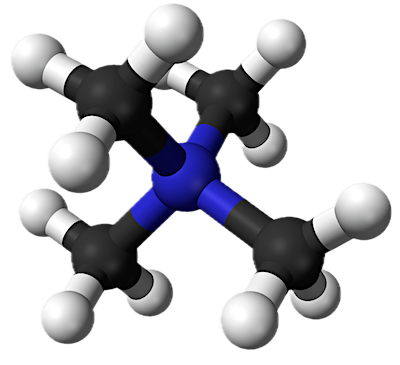
Tetramethylammonium hydroxide (TMAH) — Wikipedia
This location may look familiar — our next drill will be only a few centimeters away from “Nevado Sajama,” which we drilled back in November. The reason we’ve returned here is to do a rare SAM experiment the instrument’s last container of tetramethylammonium hydroxide (or TMAH, for less of a mouthful).
TMAH is a chemical that we can mix with our sample from Nevado Sajama to help identify any organic molecules. SAM had only two containers of TMAH (the first of which we used almost six years ago, so we want to be very certain that everything will go well with this experiment. As a result, we did a rehearsal of the handoff of the sample to SAM in Wednesday’s plan, before we drill this weekend.
The TMAH experiment takes up a lot of Curiosity’s energy, so there isn’t a ton to spare for other science activities. Luckily, we’ve spent a lot of time in this area and have collected plenty of images of our surroundings.
Because of that, we’ve used our little bit of extra time in the second half of the week for environmental observations. We’re well into the dusty season now, so we’re keeping an eye on dust both near (looking out for dust devils) and far (keeping track of how much dust is in the crater and wider atmosphere).
Written by Alex Innanen, Atmospheric Scientist at York University, Toronto
Astrobiology, Astrochemistry










Related Posts
Stay Informed With the Latest & Most Important News
Previous Post
Next Post
Advertisement
-
 01Two Black Holes Observed Circling Each Other for the First Time
 -
 02From Polymerization-Enabled Folding and Assembly to Chemical Evolution: Key Processes for Emergence of Functional Polymers in the Origin of Life
 -
 03Astronomy 101: From the Sun and Moon to Wormholes and Warp Drive, Key Theories, Discoveries, and Facts about the Universe (The Adams 101 Series)
 -
 04True Anomaly hires former York Space executive as chief operating officer
 -
 05Φsat-2 begins science phase for AI Earth images
 -
 06Hurricane forecasters are losing 3 key satellites ahead of peak storm season − a meteorologist explains why it matters
 -
 07Binary star systems are complex astronomical objects − a new AI approach could pin down their properties quickly