
Now Reading: Methanothermococcus jasoni sp. nov., A Novel Thermophilic Methanogen From Subseafloor Hydrothermal Vent Fluids Of Axial Seamount, Juan de Fuca Ridge
-
01
Methanothermococcus jasoni sp. nov., A Novel Thermophilic Methanogen From Subseafloor Hydrothermal Vent Fluids Of Axial Seamount, Juan de Fuca Ridge

Methanothermococcus jasoni sp. nov., A Novel Thermophilic Methanogen From Subseafloor Hydrothermal Vent Fluids Of Axial Seamount, Juan de Fuca Ridge

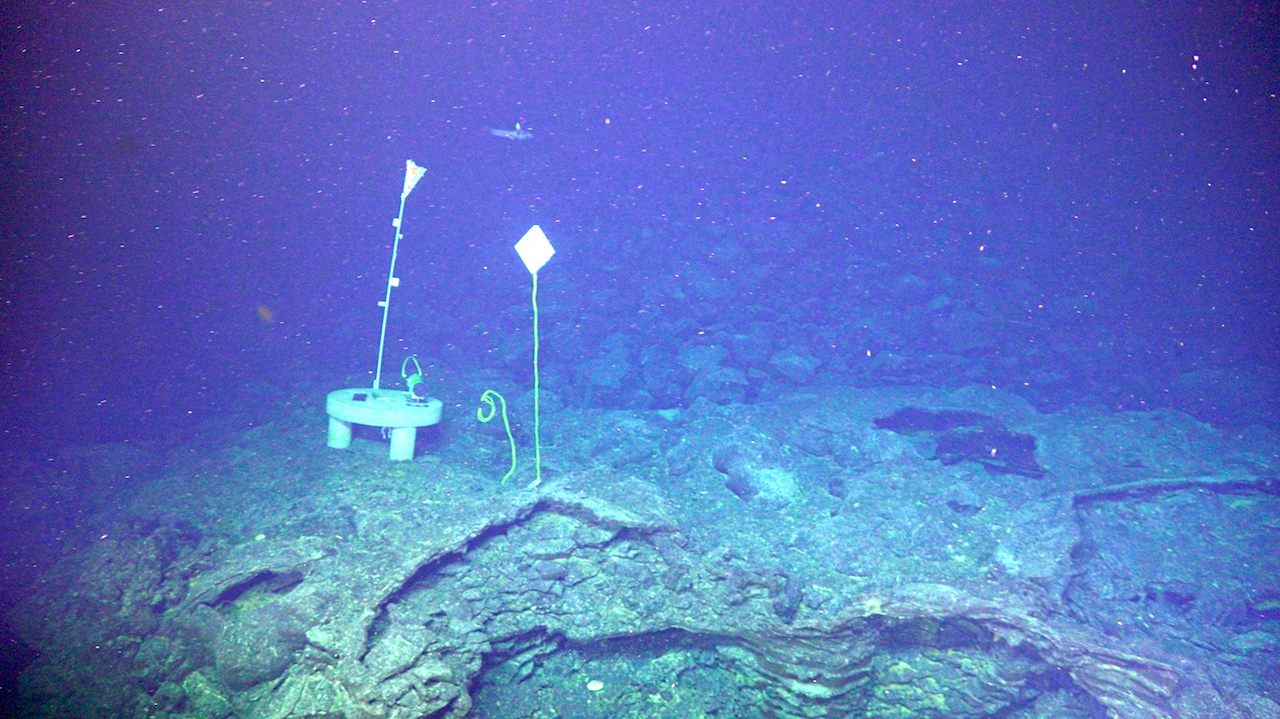
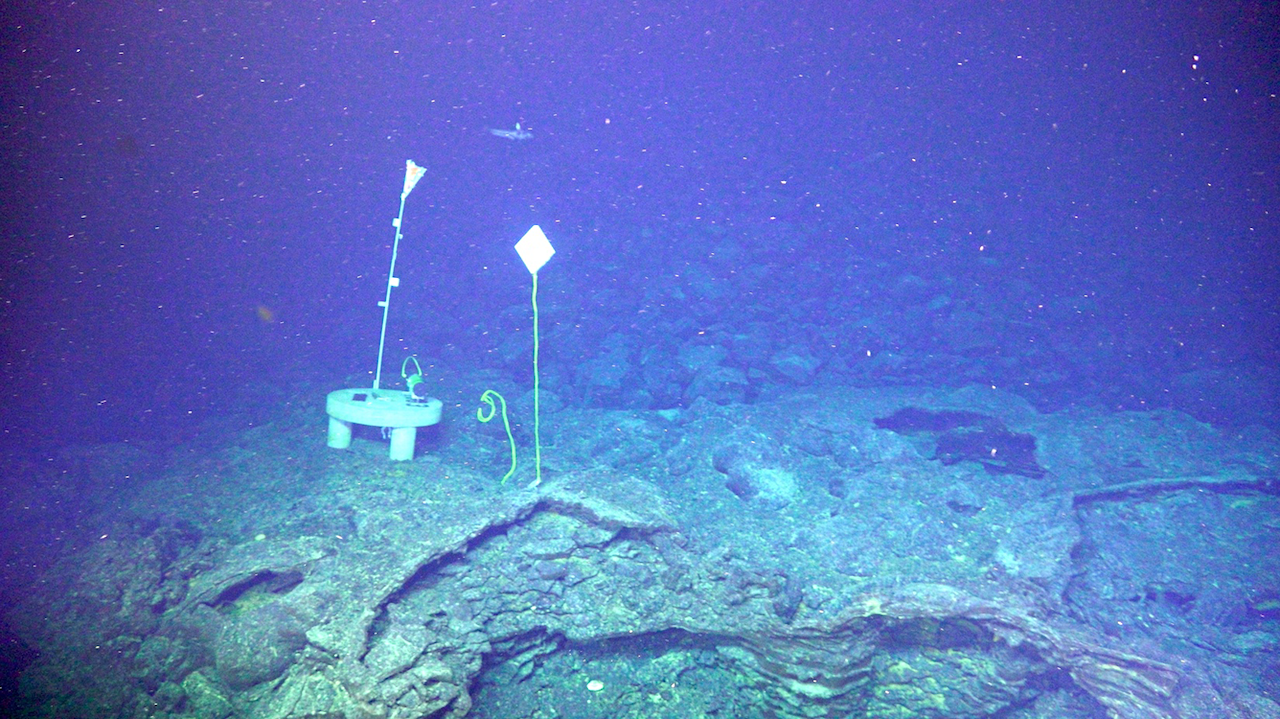
Low-temperature (34 °C) hydrothermal fluid was collected from Axial Seamount along the Juan de Fuca Ridge in the northeast Pacific Ocean.
A thermophilic methanogen, designated strain Ax23T, was isolated from this fluid. The archaeon was anaerobic, autotrophic and coccoidal and grew separately on H2/CO2 and formate. Ax23T grew on NH4+ and by fixing N2, but did not grow on NO3-.
The isolate grew at temperatures ranging from 33 to 75 °C (optimum 73 °C) and a minimum doubling time of 32 min, in the presence of 3–6% NaCl (optimum 3–4.5%) and pH 4.0–9.0 (optimum 6.0–8.0). It increased its growth yield (cells produced per mole of CH4 produced) when grown on 10 kPa H2 relative to 160 kPa H2, suggesting that it is capable of a metabolic trade-off with varying H2 availability.
Phylogenetic analysis based on 16S rRNA gene sequence indicated that the strain was 95.6–99.7% identical to other thermophilic species of the family Methanococcaceae in the kingdom Methanobacteriati. The complete genome of Ax23T was sequenced, which yielded a 1,662,948 bp chromosome with 1,663 protein-coding sequences and a 7,732 bp plasmid.
Based on genome-relatedness index analyses and its phenotypic characteristics, strain Ax23T represents a novel species, for which the name Methanothermococcus jasoni is proposed. The type strain is Ax23T (=DSM 118471T=JCM39656T).
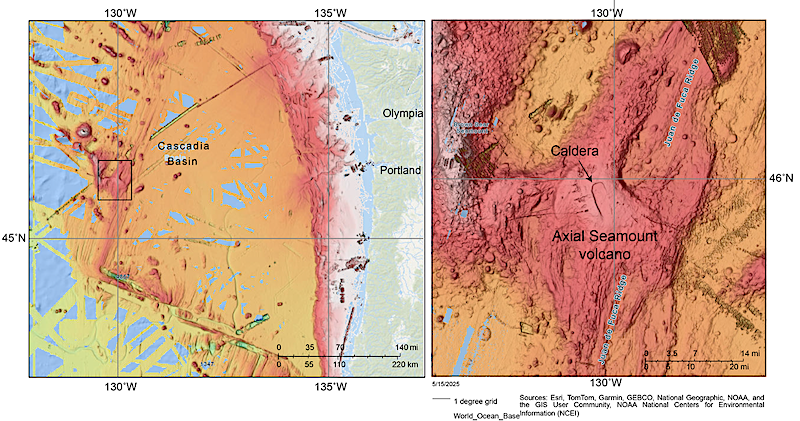
These bathymetric maps, created with data from NOAA’s National Centers for Environmental Information (NCEI), show the Juan de Fuca Ridge offshore of the Pacific Northwest of the United States. On the left, an inset box indicates the location of Axial Seamount, while the right-hand map shows a detailed bathymetric view of Axial’s edifice and caldera (central crater). Maps assembled by J. Ball, USGS. Larger image











Related Posts
Stay Informed With the Latest & Most Important News
Previous Post
Next Post


Advertisement
-
 01Two Black Holes Observed Circling Each Other for the First Time
 -
 02From Polymerization-Enabled Folding and Assembly to Chemical Evolution: Key Processes for Emergence of Functional Polymers in the Origin of Life
 -
 03Astronomy 101: From the Sun and Moon to Wormholes and Warp Drive, Key Theories, Discoveries, and Facts about the Universe (The Adams 101 Series)
 -
 04True Anomaly hires former York Space executive as chief operating officer
 -
 05Φsat-2 begins science phase for AI Earth images
 -
 06Hurricane forecasters are losing 3 key satellites ahead of peak storm season − a meteorologist explains why it matters
 -
 07Binary star systems are complex astronomical objects − a new AI approach could pin down their properties quickly