
Now Reading: NASA spacecraft were vulnerable to hacking for 3 years and nobody knew. AI found and fixed the flaw in 4 days
-
01
NASA spacecraft were vulnerable to hacking for 3 years and nobody knew. AI found and fixed the flaw in 4 days

NASA spacecraft were vulnerable to hacking for 3 years and nobody knew. AI found and fixed the flaw in 4 days

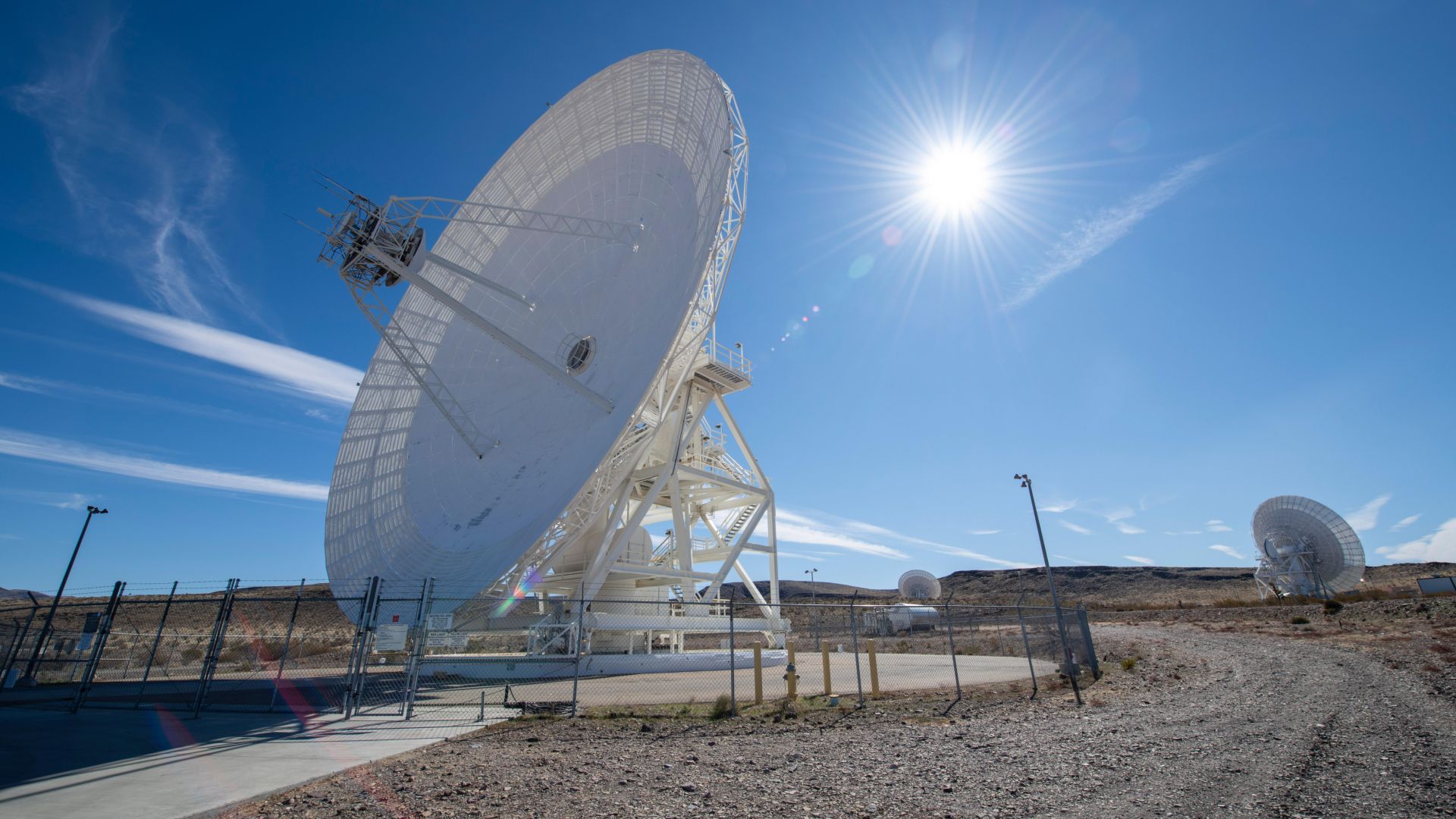
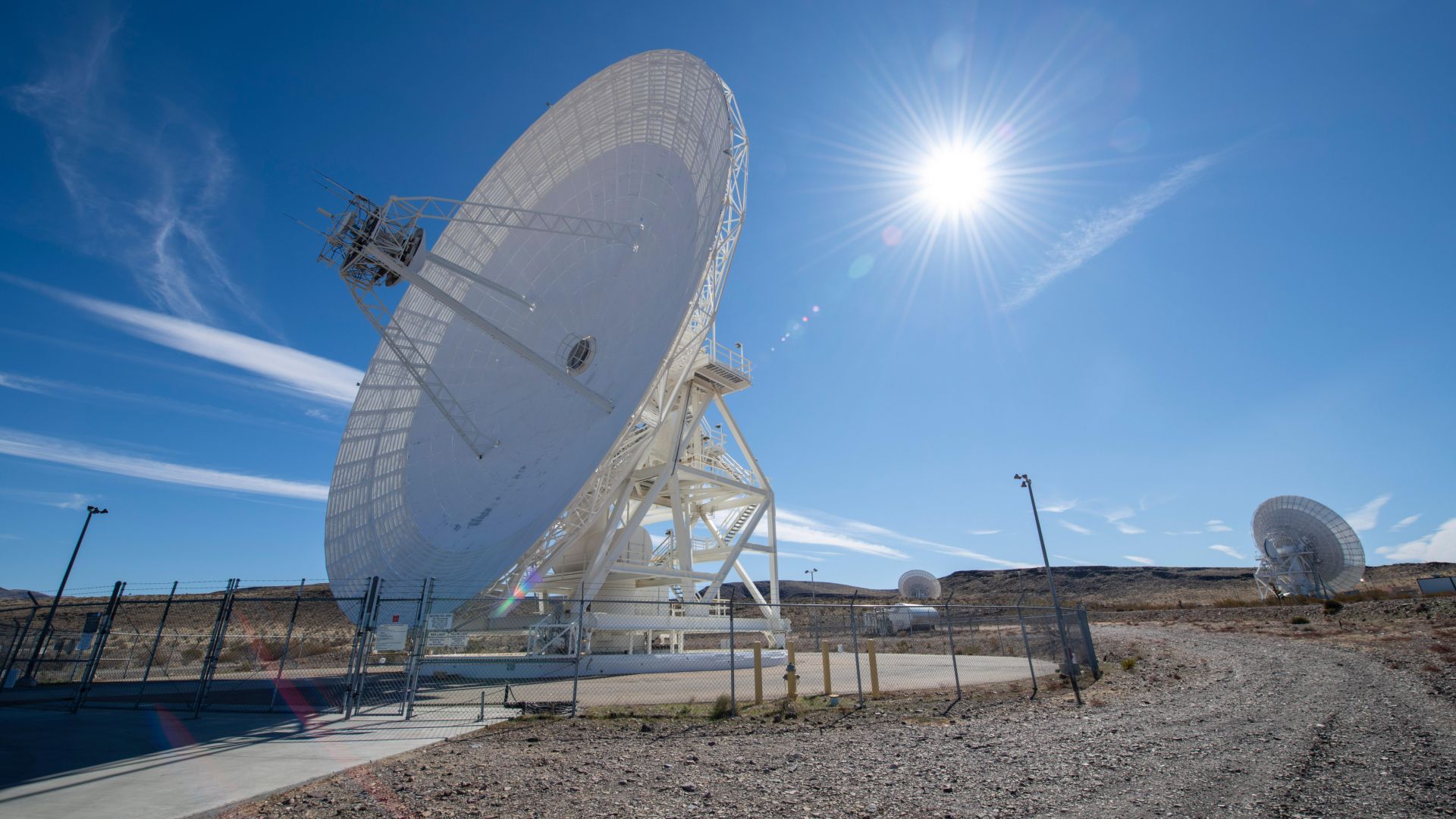
Communications between Earth and NASA spacecraft were critically vulnerable to hacking for years until an AI found the flaw and fixed it in just four days.
The vulnerability was sniffed out by an AI cybersecurity algorithm developed by California-based start-up AISLE and resides in the CryptoLib security software that protects spacecraft-to-ground communications. The vulnerability could have enabled hackers to seize control over countless space missions including NASA’s Mars rovers, according to the cybersecurity researchers.
The researchers said the vulnerability was found in the authentication system and could have been exploited through compromised operator credentials. For example, the attackers could have gained access to user names and passwords of NASA employees through social engineering, methods such as phishing or infecting computers with viruses uploaded to USB drives and left where personnel could find them.
“The vulnerability transforms what should be routine authentication configuration into a weapon,” the researchers wrote. “An attacker … can inject arbitrary commands that execute with full system privileges.”
In other words, an attacker could remotely hijack the spacecraft or just intercept the data it is exchanging with ground control.
Fortunately, to gain access to the spacecraft through the CryptoLib vulnerability would require the attackers to, at some point, have local access to the system, which “reduces the attack surface compared to a remotely exploitable flaw,” the researchers said in the blog post.
The researchers said that the vulnerability survived in the authentication software despite multiple human reviews of the code over the three years it existed. AISLE’s AI-powered “autonomous analyzer” discovered and helped fix the problem in four days, highlighting the potential these tools have in terms of detecting cybersecurity vulnerabilities.
“Automated analysis tools are becoming essential,” the researchers wrote. “Human review remains valuable, but autonomous analyzers can systematically examine entire codebases, flag suspicious patterns, and operate continuously as code evolves.”










Related Posts

Stay Informed With the Latest & Most Important News
Previous Post
Next Post
Advertisement
-
 01Two Black Holes Observed Circling Each Other for the First Time
 -
 02From Polymerization-Enabled Folding and Assembly to Chemical Evolution: Key Processes for Emergence of Functional Polymers in the Origin of Life
 -
 03Astronomy 101: From the Sun and Moon to Wormholes and Warp Drive, Key Theories, Discoveries, and Facts about the Universe (The Adams 101 Series)
 -
 04True Anomaly hires former York Space executive as chief operating officer
 -
 05Φsat-2 begins science phase for AI Earth images
 -
 06Hurricane forecasters are losing 3 key satellites ahead of peak storm season − a meteorologist explains why it matters
 -
 07Binary star systems are complex astronomical objects − a new AI approach could pin down their properties quickly