
Now Reading: NASA Strengthens Artemis: Adds Mission, Refines Overall Architecture
-
01
NASA Strengthens Artemis: Adds Mission, Refines Overall Architecture


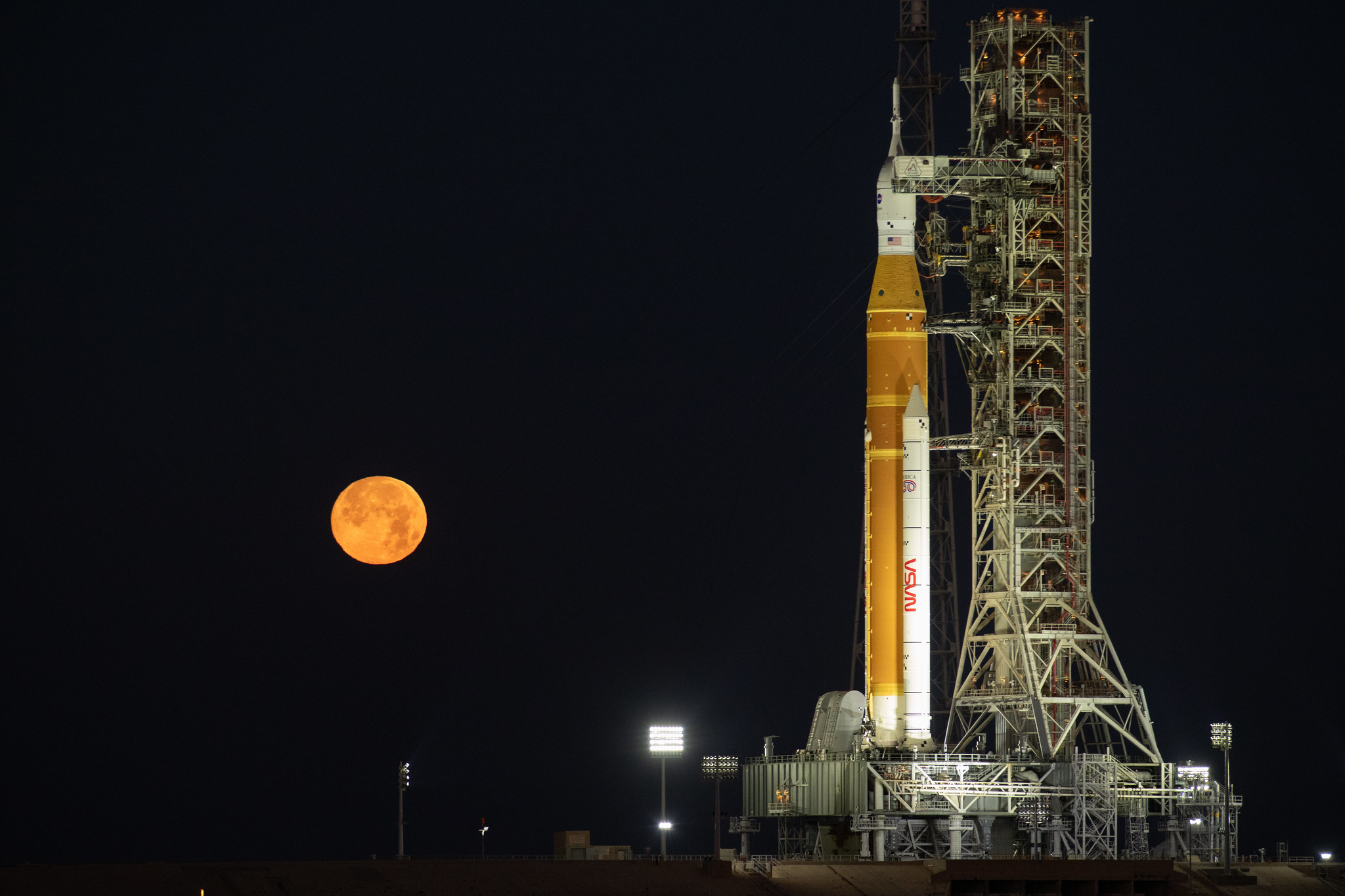
To achieve the national goal of landing American astronauts on the surface of the Moon and maintaining U.S. superiority in exploration and discovery, NASA announced Feb. 27 it is increasing its cadence of missions under the Artemis program, standardizing the SLS (Space Launch System) rocket configuration, and adding a new mission.
The plans were shared during a news conference at NASA’s Kennedy Space Center in Florida, and included an update on the near-term mission, Artemis II.
This update focused on the transportation systems to take crew to the Moon. NASA’s latest architecture includes adding a new mission in 2027 to test system capabilities closer to home prior to sending astronauts to the surface of the Moon for the first time in more than 50 years and aims to achieve one lunar mission per year thereafter. Standardizing SLS and other systems now will help NASA send astronauts to explore the lunar South Pole for the first time in 2028.
Specific details to achieve this new approach as well as other architecture updates are forthcoming as the agency remains focused on the Artemis II mission around the Moon as early as April, and reviews capabilities to support an increased mission cadence.
Here are the basics for the first five missions under the Artemis program:
- Artemis I: NASA successfully completed an uncrewed test flight of SLS rocket and Orion spacecraft in November 2022. This mission tested launching the rocket for the first time using new exploration ground systems and evaluated Orion systems not including astronauts or critical life support systems planned on the next mission.
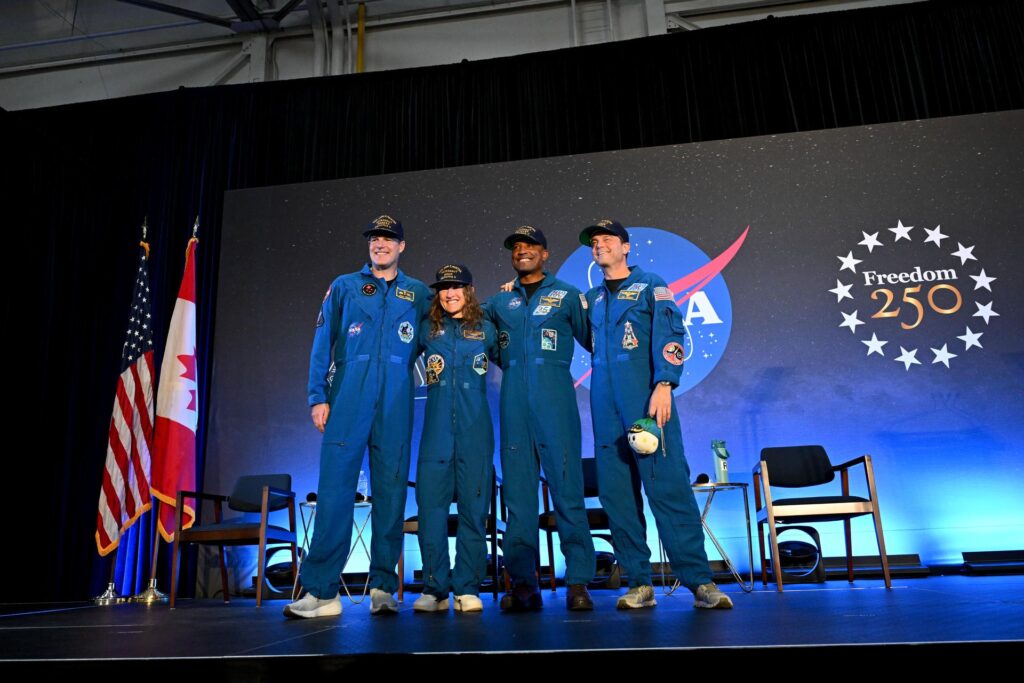
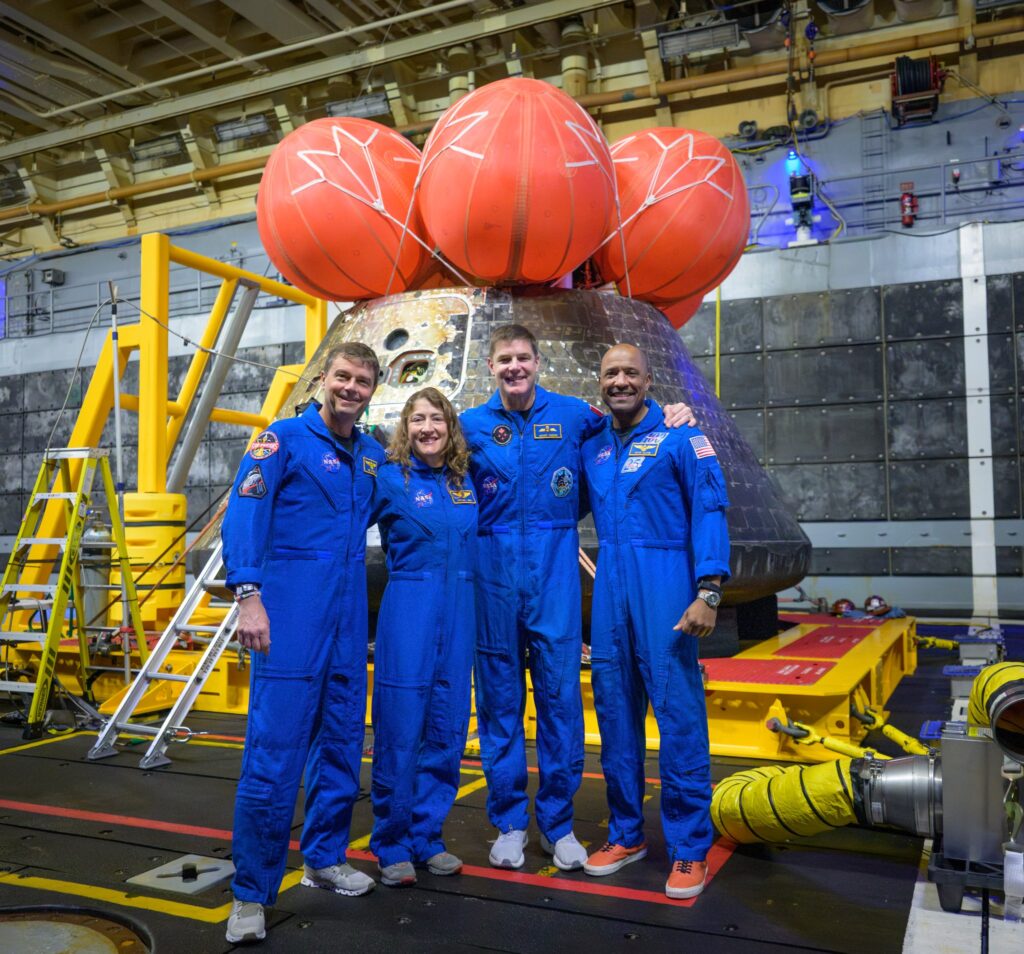
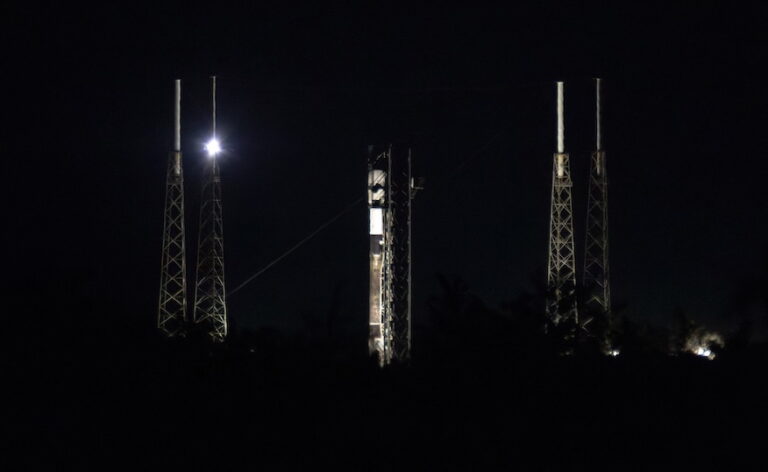
- Artemis II: The test flight will be the first flight with crew aboard the SLS rocket and Orion spacecraft. Following a successful wet dress rehearsal in February, NASA discovered a helium flow issue to the interim cryogenic propulsion stage and rolled the rocket and spacecraft back to the Vehicle Assembly Building for repairs. Engineers at NASA’s Kennedy Space Center in Florida are currently working on the stacked SLS rocket and Orion spacecraft to address the issue that required rollback, and teams also are taking the time to swap batteries and more. The next launch window opens in April. Crew members include NASA astronauts Reid Wiseman, Victor Glover, Christina Koch, and CSA (Canadian Space Agency) astronaut Jeremy Hansen to venture on an approximately 10-day mission that will send the around the Moon and back.
- Artemis III: NASA added a new demonstration mission in low Earth orbit in mid-2027 to test one or both commercial landers from SpaceX and Blue Origin respectively. The mission will launch crew in Orion on top of the SLS rocket to test rendezvous and docking capabilities between Orion and private commercial spacecraft needed to land astronauts on the Moon. This test will take place with one or both providers.
- Artemis IV: NASA continues to target the first Artemis lunar landing in early 2028, which has been the target landing date since mid-2025. After launch, crew will transfer from Orion to a commercial lunar lander for transportation to the surface of the Moon. Lander readiness will determine which provider will safely carry them to the surface and back to Orion in lunar orbit before crew return home aboard Orion – splashing down safely in the Pacific Ocean. Work to standardize the SLS rocket will be implemented for Artemis IV. With this architecture approach, NASA is assessing alternative options for the second stage of the rocket. The interim cryogenic propulsion stage used for the first three missions will be replaced with a new second stage, and the agency is no longer planning to use the Exploration Upper Stage or Mobile Launcher 2, as development of both has faced delays.
- Artemis V: Using the standardized configuration of the SLS rocket, NASA anticipates launching this lunar surface mission by late 2028, and future missions about once per year thereafter. This mission also is when NASA is expected to begin building its Moon base.
NASA continues to refine its architecture plans, and the agency will share more information about its approach to lunar exploration and crew assignments in the future.
As part of Golden Age of innovation and exploration, NASA will send Artemis astronauts on increasingly difficult missions to explore more of the Moon for scientific discovery, economic benefits, and to build on our foundation for the first crewed missions to Mars.
For more information about the Artemis program, visit:










Related Posts

Stay Informed With the Latest & Most Important News
Previous Post
Next Post




Advertisement
-
 01Two Black Holes Observed Circling Each Other for the First Time
 -
 02From Polymerization-Enabled Folding and Assembly to Chemical Evolution: Key Processes for Emergence of Functional Polymers in the Origin of Life
 -
 03Astronomy 101: From the Sun and Moon to Wormholes and Warp Drive, Key Theories, Discoveries, and Facts about the Universe (The Adams 101 Series)
 -
 04True Anomaly hires former York Space executive as chief operating officer
 -
 05Φsat-2 begins science phase for AI Earth images
 -
 06Hurricane forecasters are losing 3 key satellites ahead of peak storm season − a meteorologist explains why it matters
 -
 07Binary star systems are complex astronomical objects − a new AI approach could pin down their properties quickly