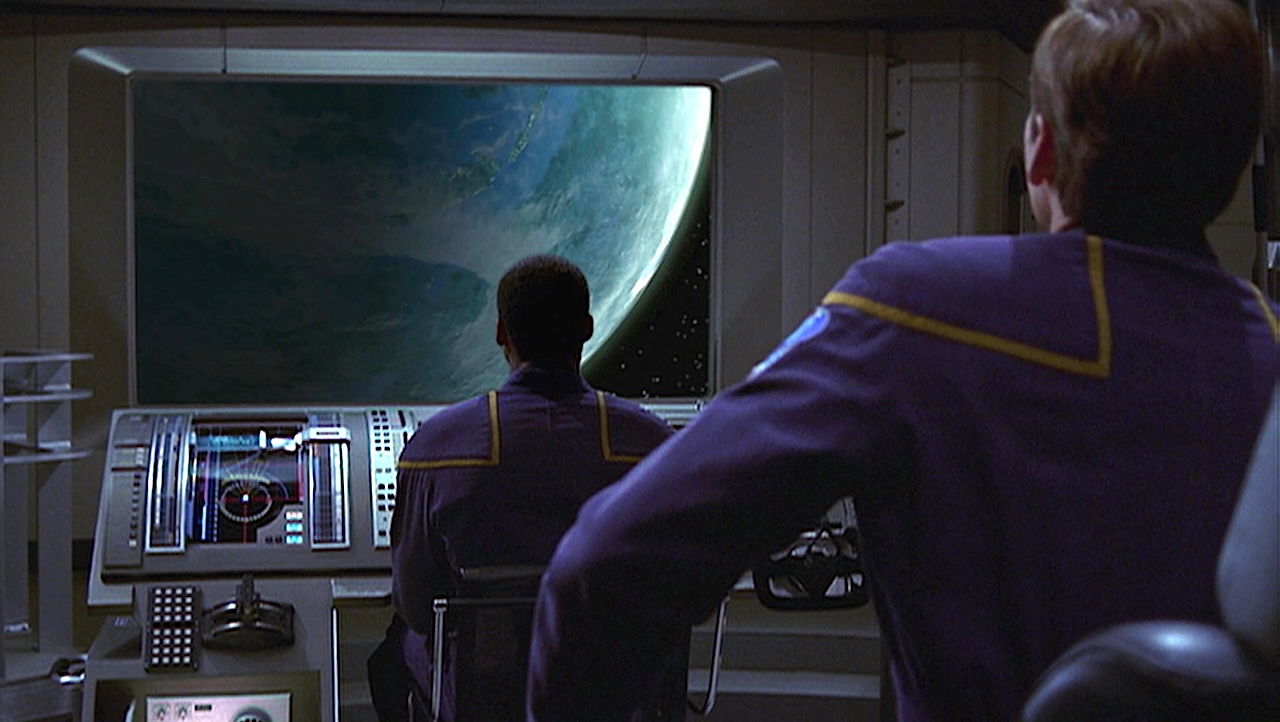
“Strange New World” – Star Trek Enterprise episode 104 – Enterprise passes a previously unknown Minshara-class (M-class) planet with an Earth-like atmosphere and surface. – Paramount/CBS Our paper fills this


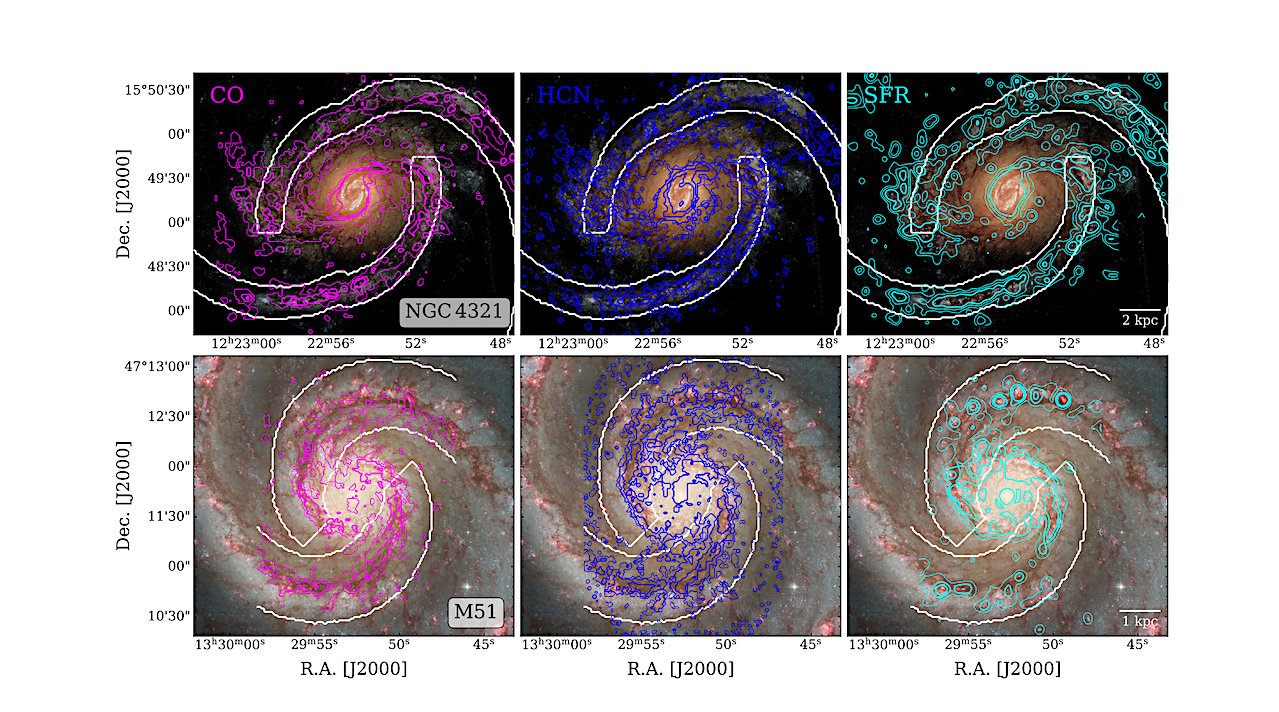
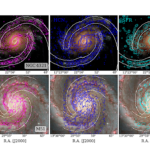
Optical Hubble Space Telescope (HST) images of the targets NGC 4321 (top) and M51 (bottom) overlaid with CO, HCN and SFR contours (from left to right). The CO (HCN) contours
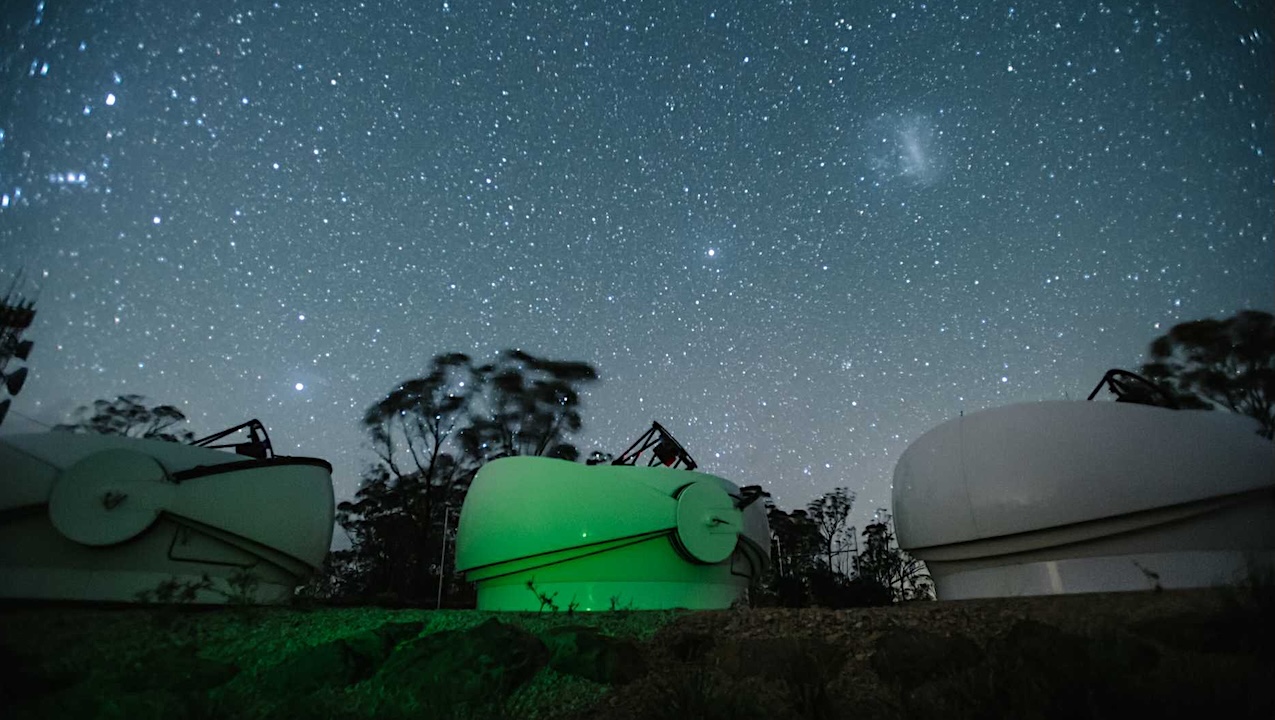
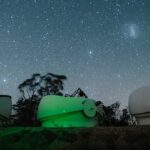
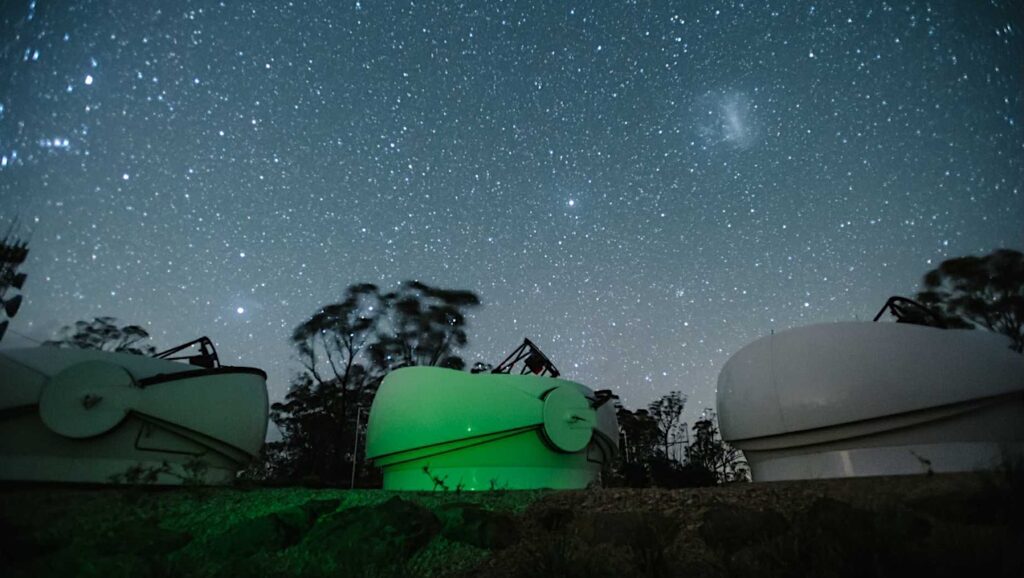
This image shows the MINERVA-Australis array located at the Mount Kent Observatory in Australia. — NASA Three decades ago, humanity entered the Exoplanet Era, with the discovery of the first
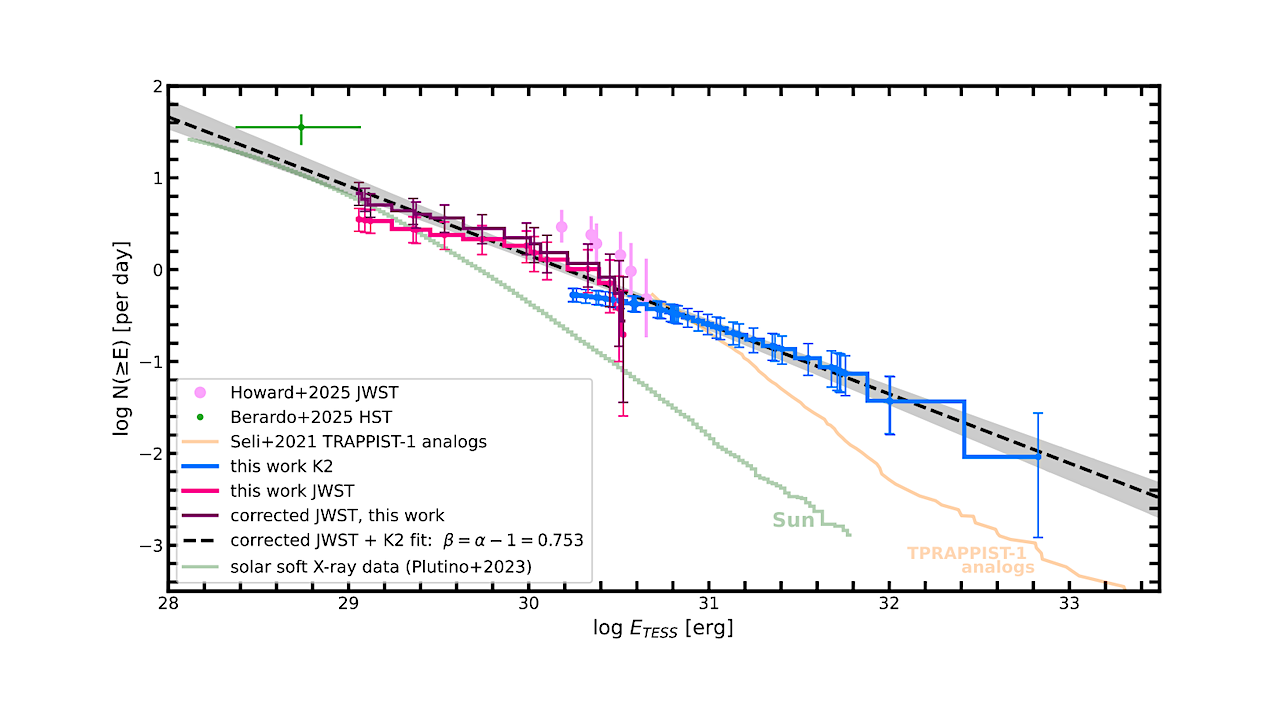
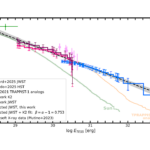
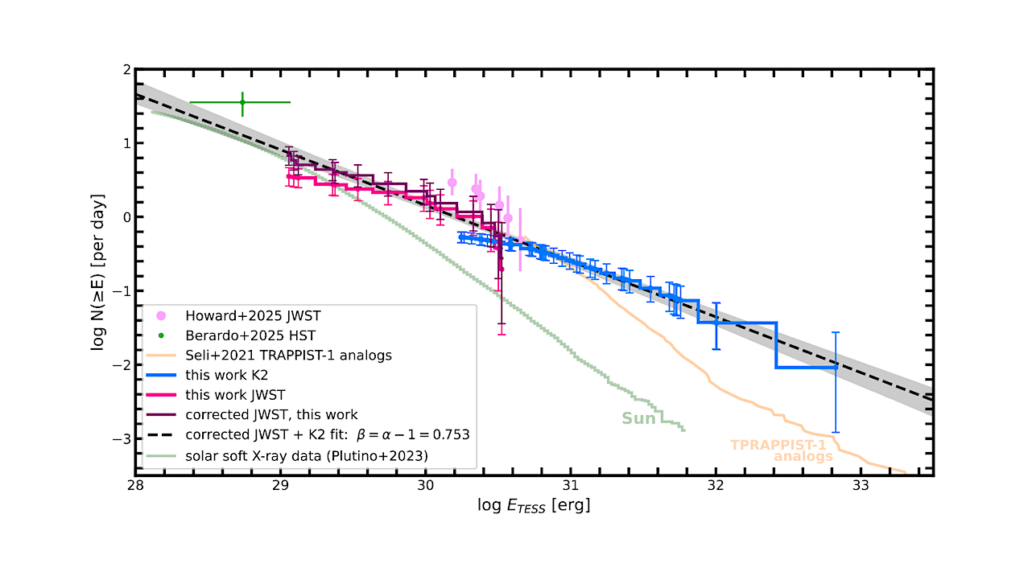
Cumulative flare-frequency distribution of TRAPPIST-1. The cumulative occurrence rate ν(≥ ETESS) is shown as a function of TESS-band flare energy. The K2 FFD from this work is shown in blue,
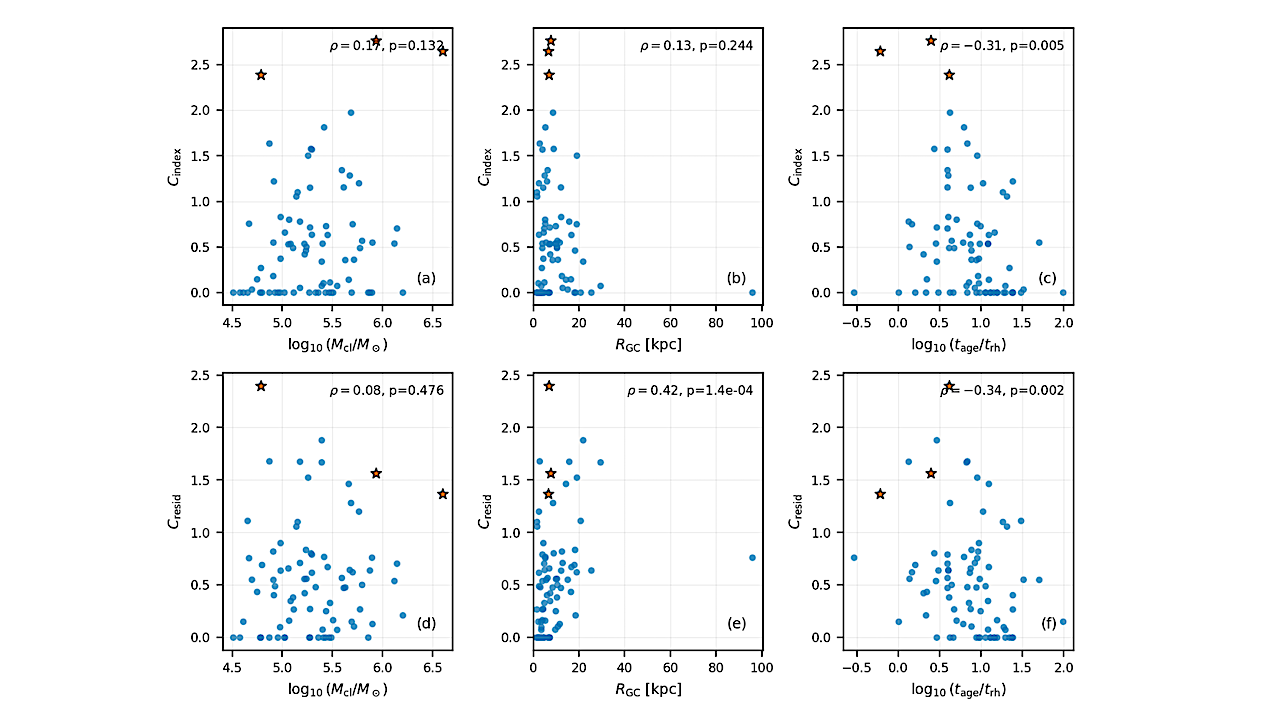
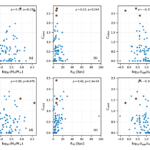
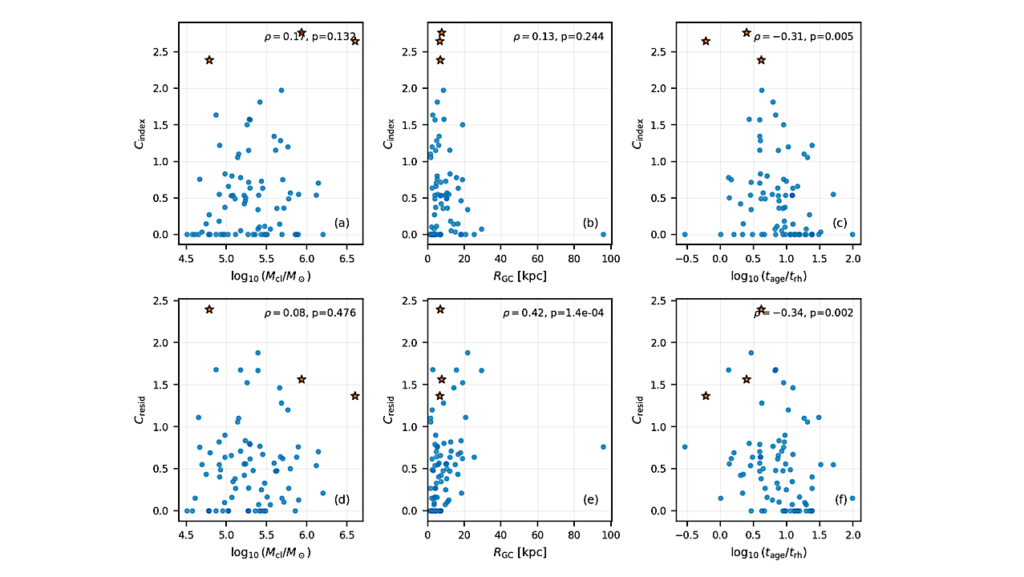
Correlations of crystallization metrics with cluster mass, Galactocentric distance, and a dynamical-age proxy. Top row: Cindex versus log(Mcl/M⊙), RGC, and log10(tage/trh). Bottom row: the N⋆-corrected residual index Cresid versus the
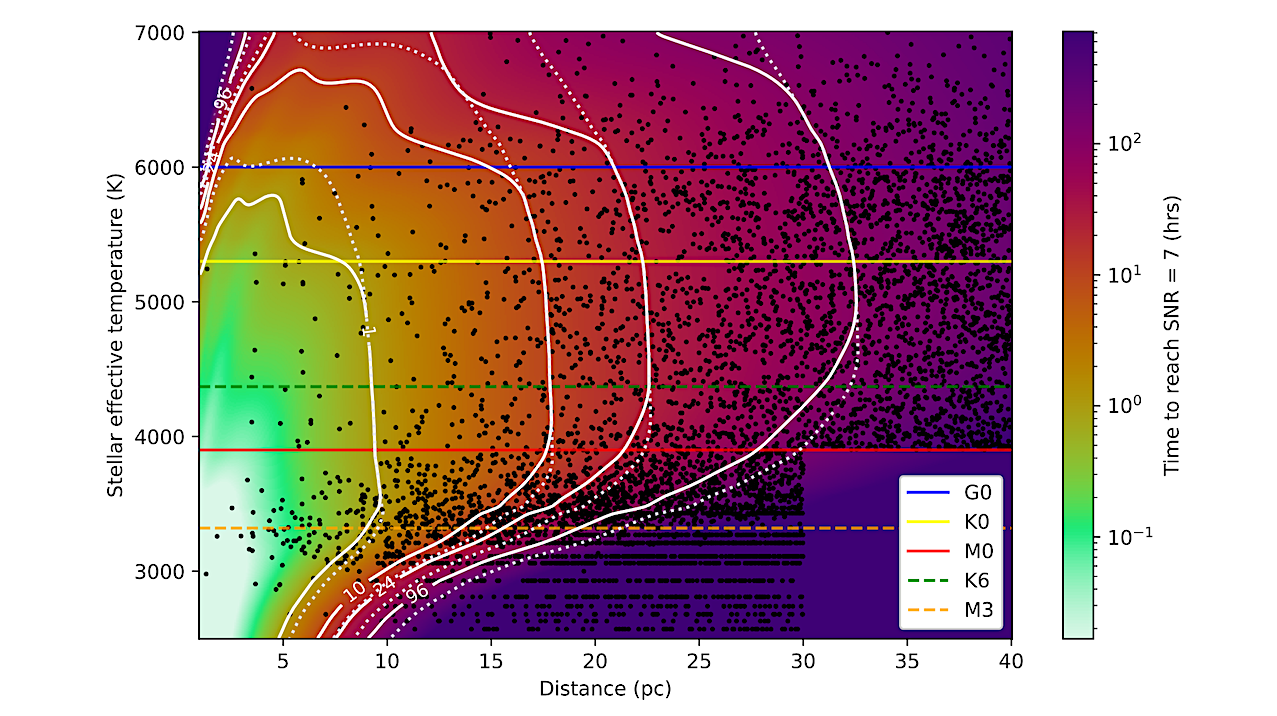
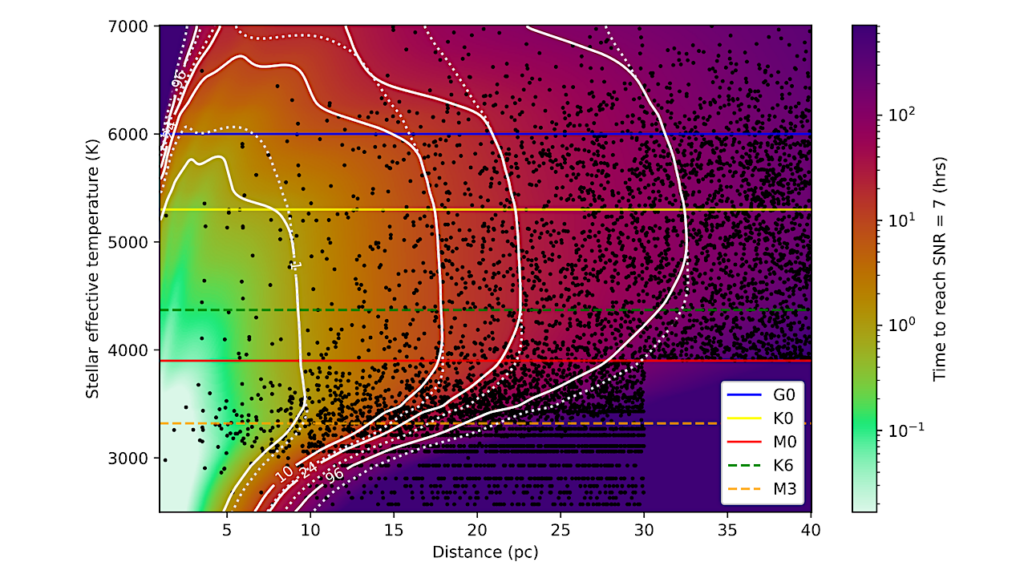
Integration time required for an Earth-twin around a given star to reach an SNR of 7, plotted as a function of stellar parameters. The baseline limits are set at 25-80
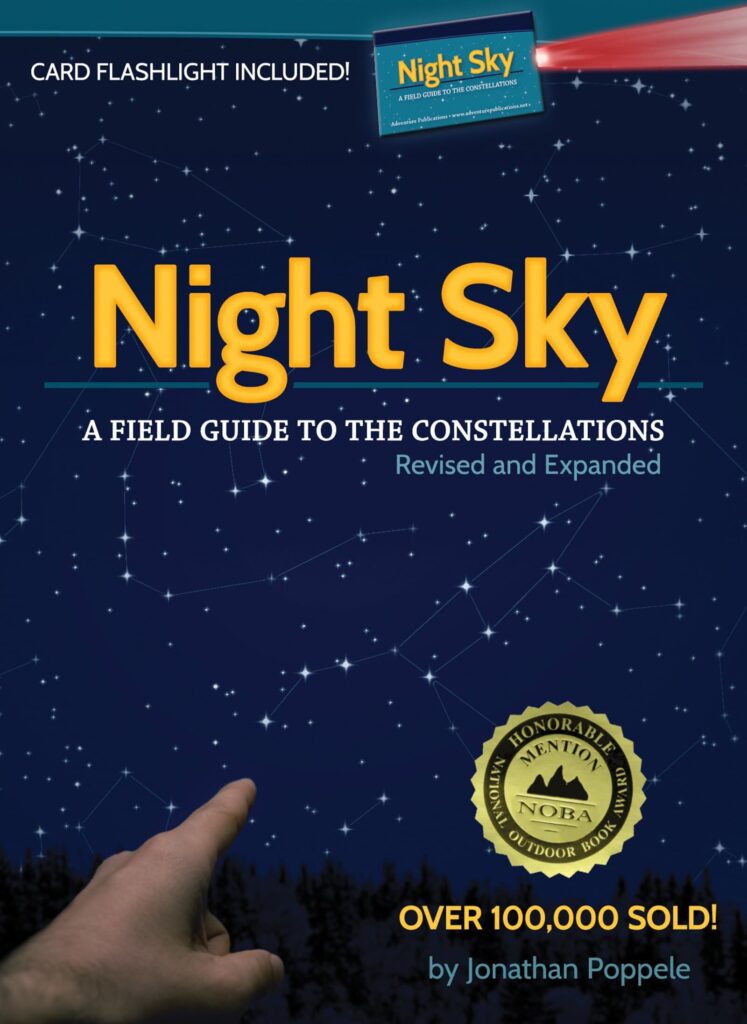
In the vast expanse of our universe, where stars whisper secrets of the cosmos, “Night Sky: A Field Guide to the Constellations” emerges as an essential companion for those yearning
“Strange New World” – Star Trek Enterprise episode 104 – Enterprise passes a previously unknown Minshara-class (M-class) planet with an Earth-like atmosphere and surface. – Paramount/CBS Our paper fills this
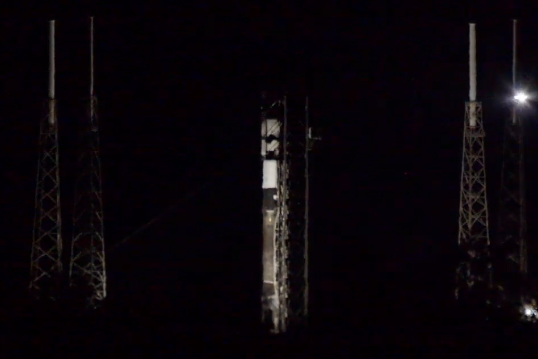
SpaceX’s Falcon 9 rocket for the Starlink 12-19 mission seen on the pad at Space Launch Complex 40 at Cape Canaveral Space Force Station awaiting launch. Image: Spaceflight Now SpaceX
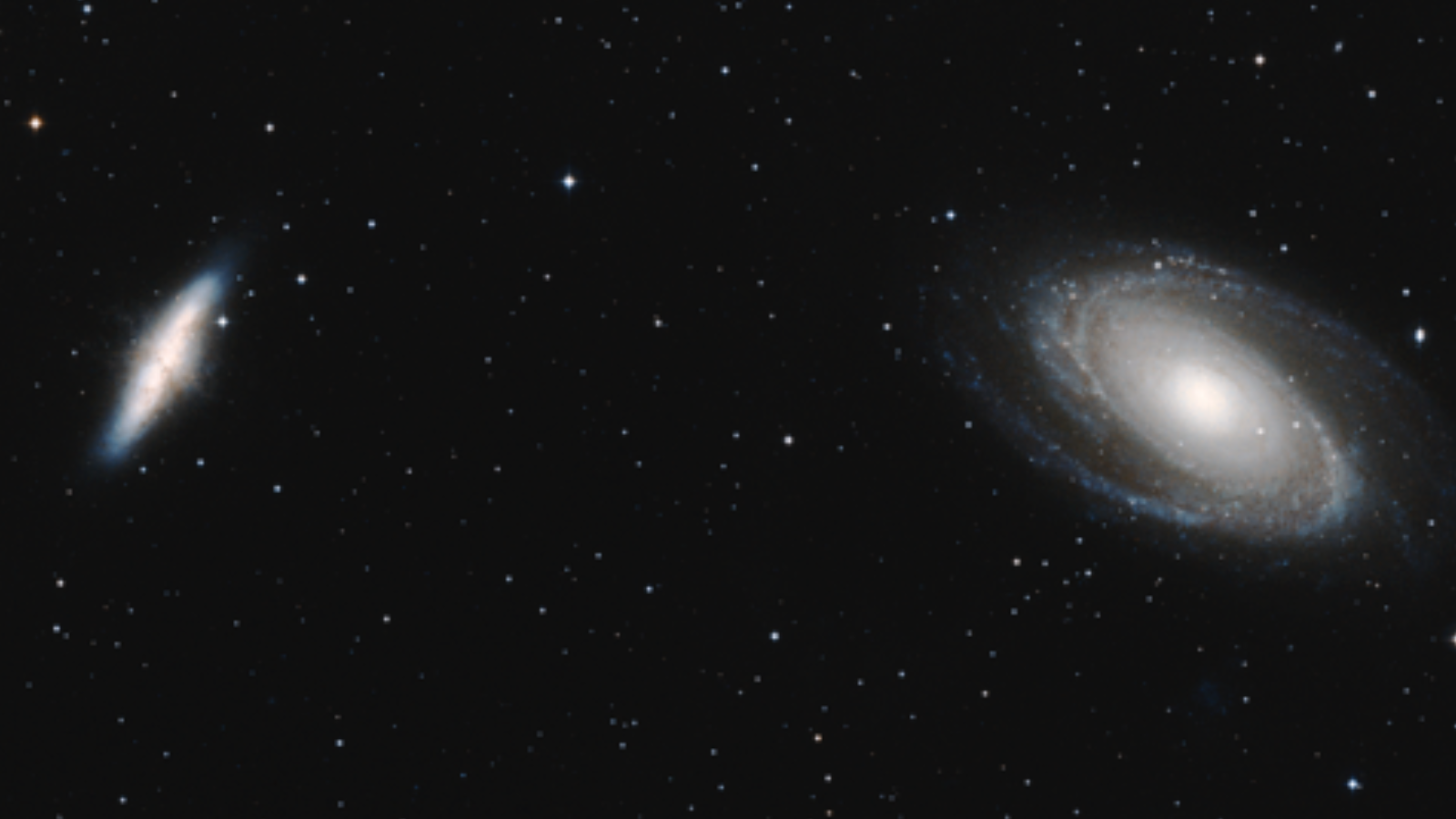
A titanic cosmic collision between the Milky Way and its closest large galactic neighbor, Andromeda, may not be as sure a thing as scientists thought. Previously, it had been proposed
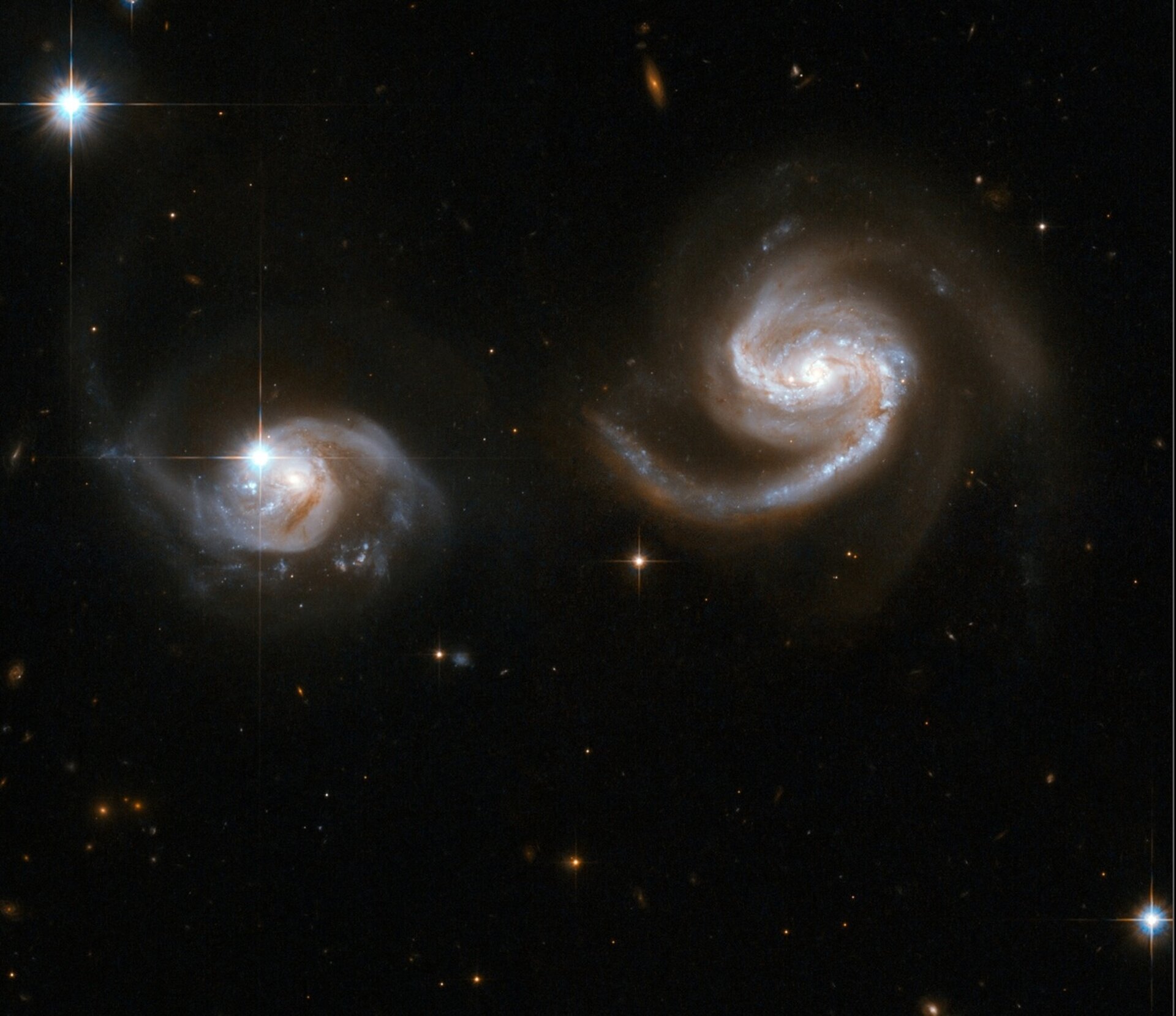
Science & Exploration 02/06/2025 228 views 3 likes Over a decade’s worth of NASA/ESA Hubble Space Telescope data was used to re-examine the long-held prediction that the Milky Way galaxy
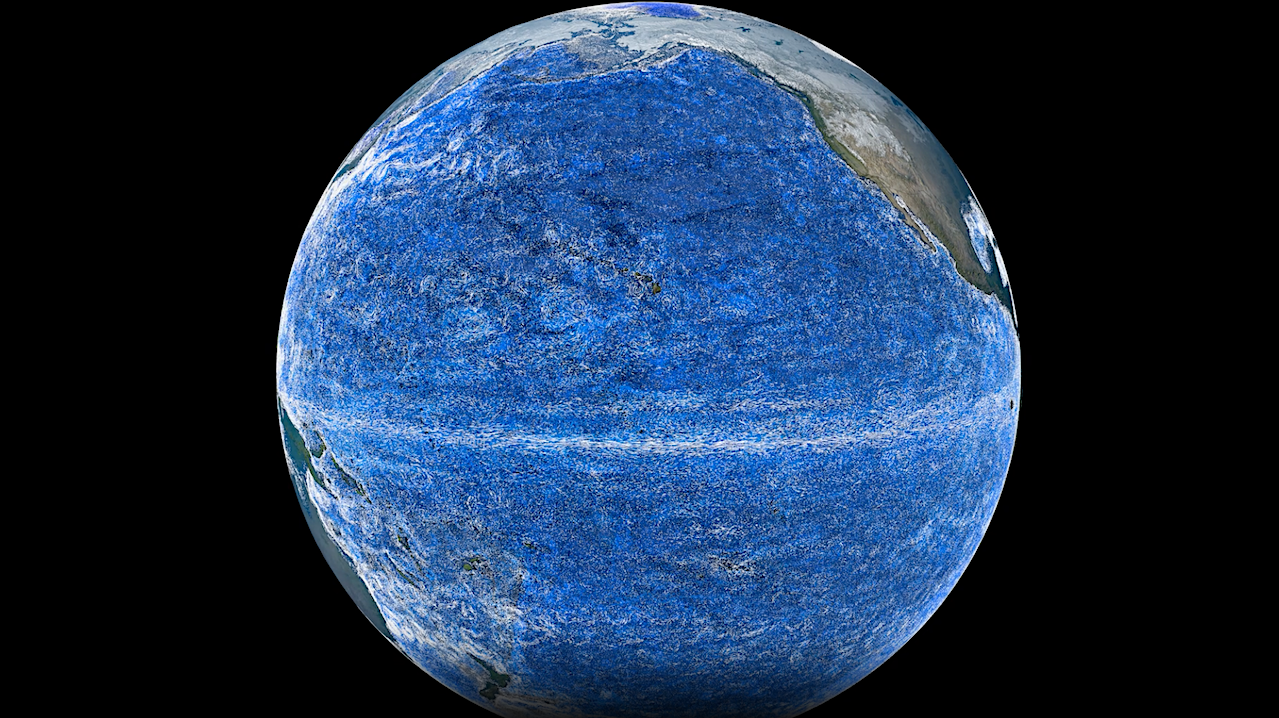
This is the ‘beauty shot version’ of Perpetual Ocean 2: Western Boundary Currents. The visualization starts with a rotating globe showing ocean currents. The camera then zooms into the Kuroshio
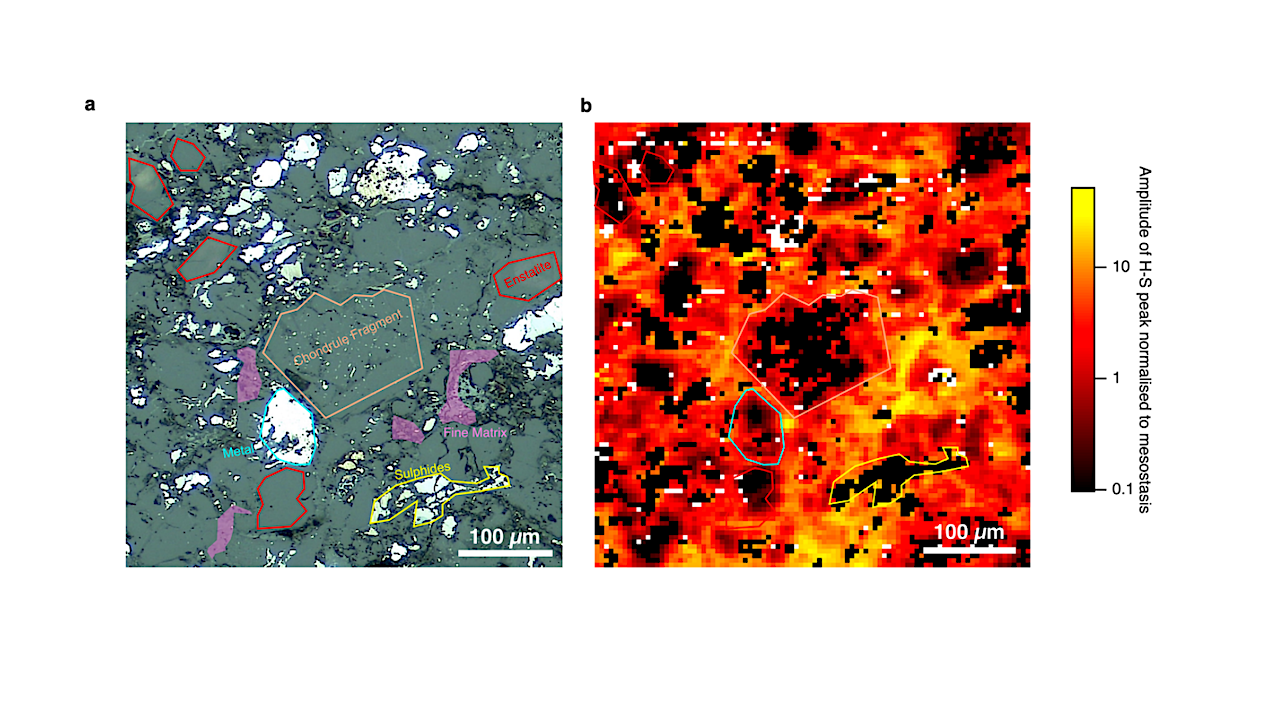
Optical microscopy image of the clastic matrix region in LAR 12252 that was studied using S-XANES. Notable phases include enstatite (examples outlined in red), sulphides (example outlined in yellow), a
HWO Science Case Portal The HWO Science Working Groups are excited to share draft science cases that will help shape the top-level science goals, instrument needs, and mission architecture for
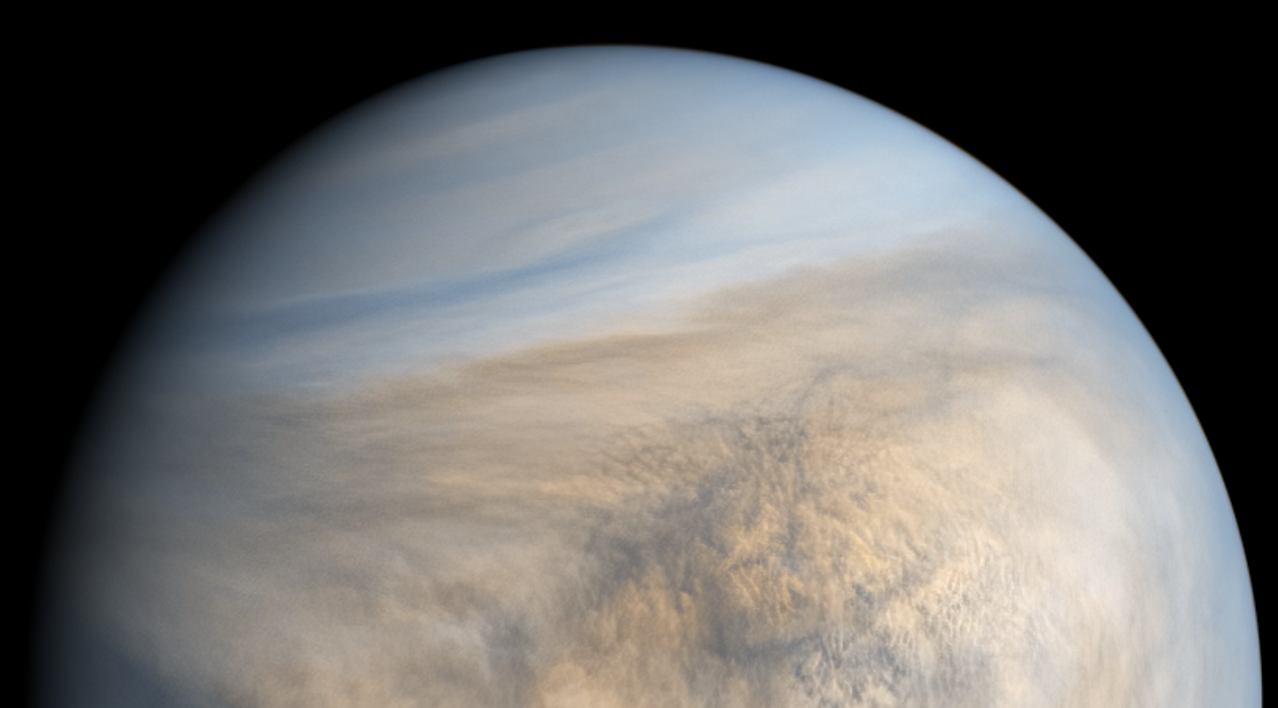
Status Report Life June 2, 2025 Venus — NASA Venus is not generally at the forefront when considering extraterrestrial life. Yet, based on the physical similarities and proximity to Earth
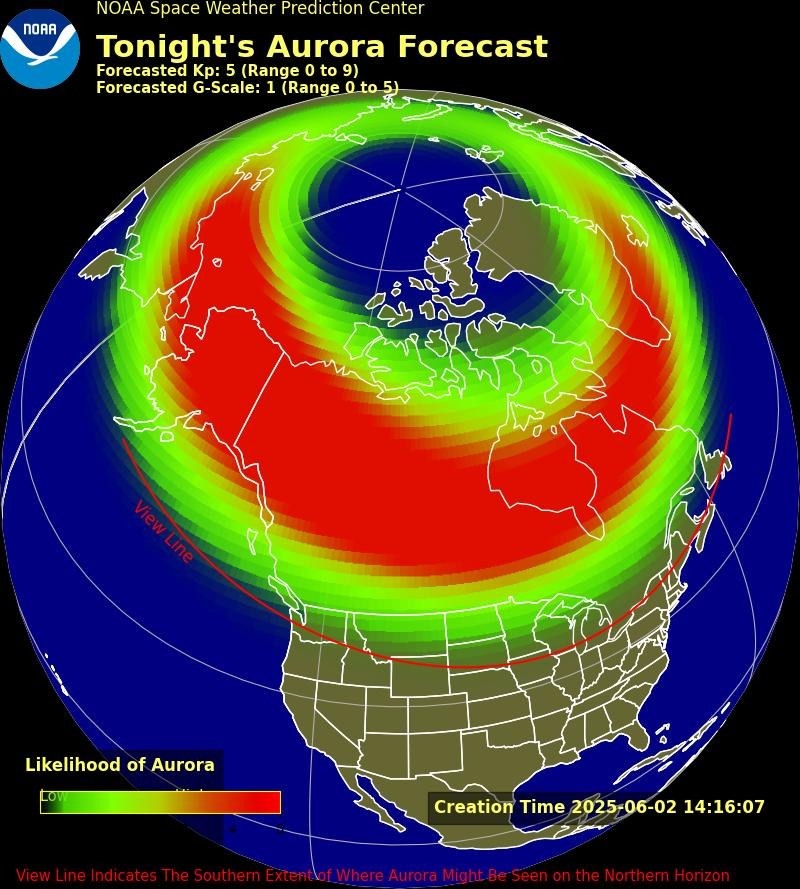
The northern lights could put on yet another impressive show tonight (June 2) as ongoing geomagnetic storm conditions continue to push auroras farther south than usual, according to the National
Space Microbial Culture Collection The Space Microbial Culture Collection (SMCC) has been awarded a grant from NASA’s Planetary Science Division through the Planetary Protection Research (PPR) program to serve as