







Alien civilizations may evolve so quickly that they are only detectable for a blink of cosmic time, thanks to the rise of artificial intelligence.
Good news everyone! Or should that be good newsletter, everyone, because Space.com is kicking off a virtual book club of sorts with its new newsletter: “Strange New Words.” (Image credit:
China’s Long March rocket family now has 600 flights under its belt. A Long March 8A lifted off on Wednesday (Oct. 15) from Wenchang Space Launch Center on the island
Researchers from the Xinjiang Astronomical Observatory of the Chinese Academy of Sciences have developed a hybrid deep learning model that can accurately predict atmospheric delay, a key source of error
The world’s first commercial astronomy telescope is set to search for stars that could host habitable exoplanets in their orbits. The Mauve telescope, developed by London-headquartered start-up Blue Skies Space,
Earth is a dynamic place, both on its surface and down to its very core. The European Space Agency (ESA) recently released findings from its Swarm constellation of Earth-observing satellites
The 85th orbital launch from the Space Coast in 2025 also marked a milestone for SpaceX with the 500th successful landing of a Falcon 9 rocket booster.
A new study led by UNLV scientists sheds light on how planets, including Earth, formed in our galaxy—and why the life and death of nearby stars are an important piece
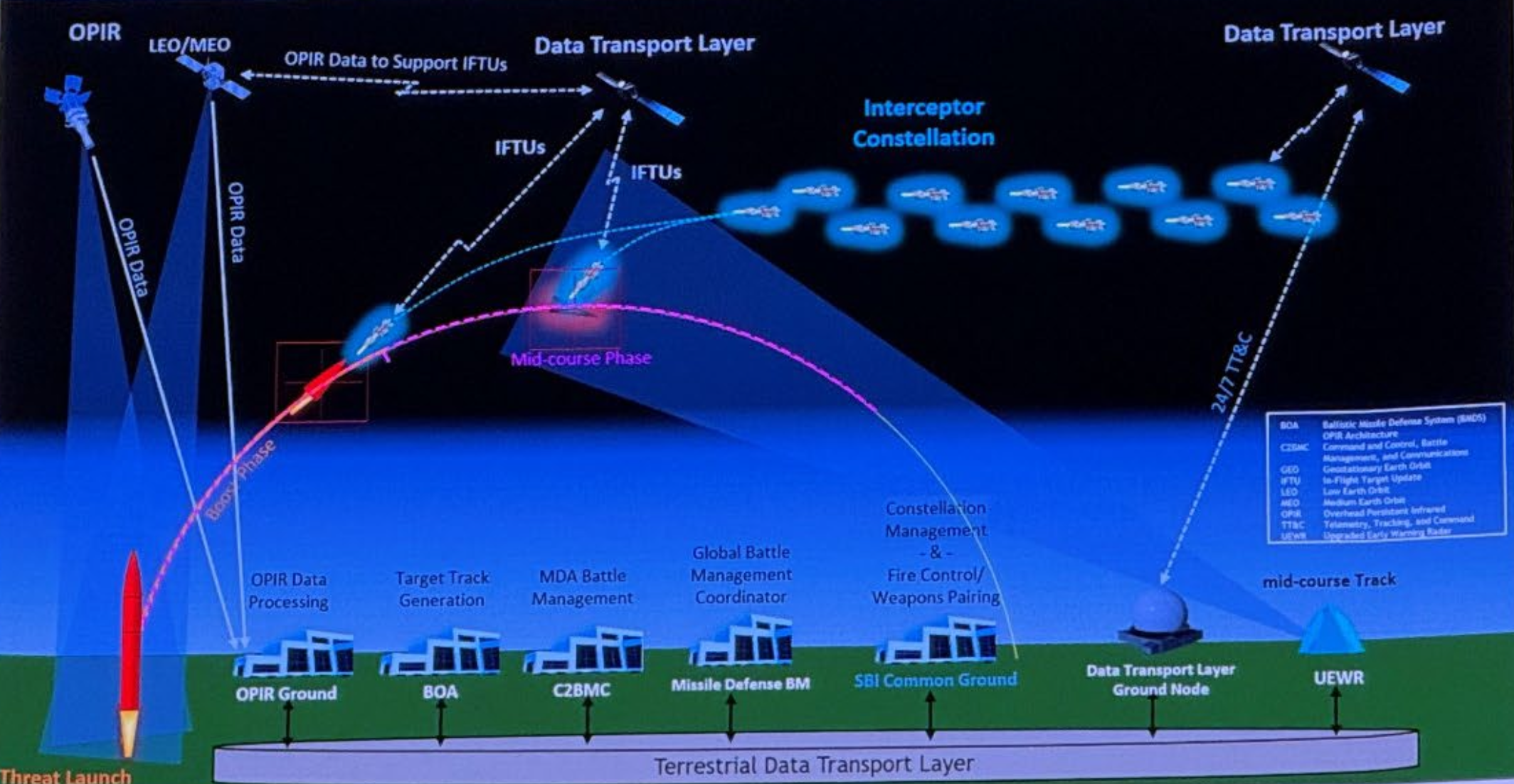
It isn’t surprising that more and more space companies are pivoting to defense. Defense budgets are rising across the board, and rising quickly. In fact, the sum of money set
If you happen to glimpse a “shooting star” before dawn during the next several days, there’s a good chance that what you saw was a fragment left behind in space