
Now Reading: Q&A: Rebecca Evernden on UK space strategy
-
01
Q&A: Rebecca Evernden on UK space strategy


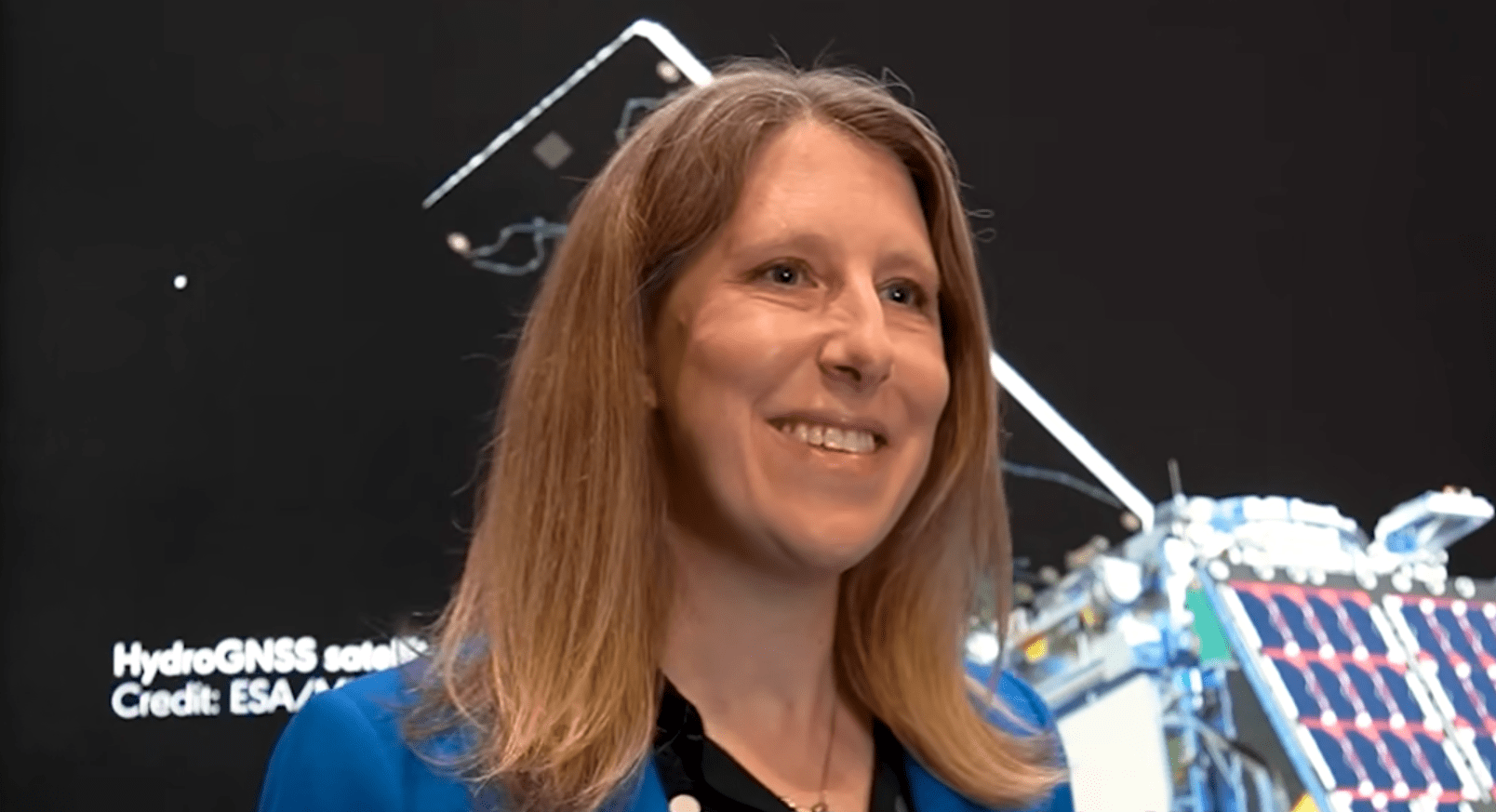

SpaceNews caught up with Rebecca Evernden, the recently appointed Director of the new UK Space Agency, at Space Comm Expo in London. This interview has been edited for brevity and clarity.
SpaceNews: Which do you see as strategic areas for UKSA to focus on to achieve economic growth and national security for the U.K.?
Rebecca Evernden: The reason I said [in a speech earlier] that we need to focus on growth and national security is because these are the outcomes we believe will create the most impact for what we are trying to do in space across government. As you heard the minister say, there are four areas: SATCOM, launch, in-orbit servicing and manufacturing and space domain awareness). The reason those four have been selected is because they give us the capability to do what we need to do in space. […] Those areas are also important for defense and broader national security.
You mentioned launch. Orbex was selected for the European Launcher Program and has now entered administration. Do you see any new U.K. contenders that could enter the launcher game?
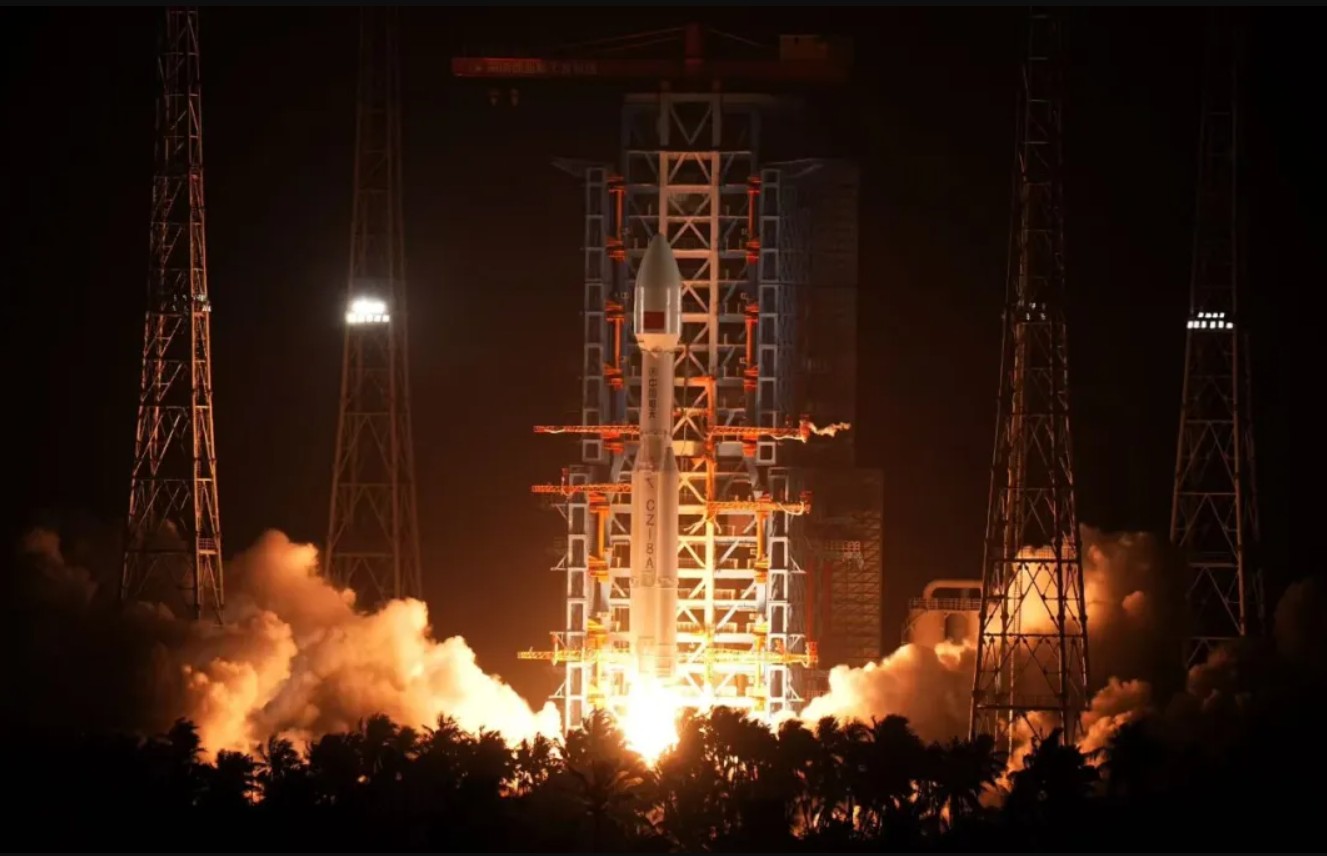
Evernden: It’s really important to say that we are very sad about Orbex, and disappointed that it didn’t work out for them. But that is certainly not the end of our launch ambitions in the U.K. We have the SaxaVord spaceport in Scotland, which has a number of interesting partnerships in development. We know that Rocket Factory Augsburg is planning to launch from SaxaVord this year.
So while Orbex would have been an excellent U.K.-based company, our launch ambitions are not limited to U.K. companies alone. There may be other spaceports as well in the U.K., but SaxaVord is the first to go on that journey for vertical launch. We hope that there will be many companies coming in and that we will achieve a regular launch cadence that allows companies in the U.K. to access space.
There are different opinions about the absorption of UKSA within the Department of Science, Innovation and Technology. How is it going to work? Will you remain separate entities?
Evernden: In fact, UKSA was always under the command of DSIT. What ministers have asked is that the agency be brought together with the team that was doing space policy in the department to create a single organization that delivers all the different things ministers want in space.
So it will be part of the department, but it will still operate like a space agency. We will still have the technical expertise of a space agency. We will still work with other space agencies on a bilateral basis.
I think there is a net benefit in doing this because it brings the different parts together into a single, stronger voice. Ministers genuinely want space to be close to where decisions are made in government.
How do you foresee your relationship with ESA evolving? Which strategic programs would you like to invest in?
Evernden: ESA is an absolutely essential partner for the U.K. We have invested over 2.8 billion pounds into ESA over the next decade. We have prioritized the programs we invested in around the areas the minister talked about.
There are two areas I want to highlight where it is particularly important for us to work through ESA. One is maximizing the impact that their growth and commercialization programs have for us. ARTES is an example of a successful program [ESA’s Advanced Research in Telecommunications Systems program], NAVISP [ESA’s Navigation Innovation and Support Program] is another.
The other area is science. Many of the big multilateral science programs and exploration programs are done through that. We have increased our core funding for ESA’s mandatory programs to around 3.5% compared to the last Ministerial round. Many of the science and exploration programs ESA runs underpin major technology gains.
What are the biggest challenges you foresee in the coming months?
Evernden: The geopolitical situation is changing very fast, and we need to stay relevant, stay in touch and keep up with what is going on. That is the big picture.
On a smaller scale, prioritization will be a key challenge. And finally, making sure that our new organization gets off to a really strong start on April 1.
Since you mentioned the geopolitical situation, do you foresee the U.K. moving toward a stronger alliance with the United States, or trying to get closer to the EU?
Evernden: I can only speak from a space perspective. What we have always tried to do is work closely with our American friends, especially when it comes to defense relationships, which are longstanding partnerships. We work very well with NASA, we have had several great collaborations in recent years, and we strongly support Artemis.
At the same time, we are Europeans. We may not be in the EU, but we are a European country and we are part of ESA. There will be no change to that. We committed at the last Ministerial, and we are also very keen to continue working bilaterally with European countries.
This interview first appeared in the March 11 edition of the Europe Report newsletter. Click here to register and get news and analysis on the European space sector by SpaceNews Europe correspondent Emma Gatti, sent every other Wednesday.










Related Posts
Stay Informed With the Latest & Most Important News
Previous Post
Next Post



Advertisement
-
 01Two Black Holes Observed Circling Each Other for the First Time
 -
 02From Polymerization-Enabled Folding and Assembly to Chemical Evolution: Key Processes for Emergence of Functional Polymers in the Origin of Life
 -
 03Astronomy 101: From the Sun and Moon to Wormholes and Warp Drive, Key Theories, Discoveries, and Facts about the Universe (The Adams 101 Series)
 -
 04True Anomaly hires former York Space executive as chief operating officer
 -
 05Φsat-2 begins science phase for AI Earth images
 -
 06Hurricane forecasters are losing 3 key satellites ahead of peak storm season − a meteorologist explains why it matters
 -
 07Binary star systems are complex astronomical objects − a new AI approach could pin down their properties quickly