
Now Reading: Snow in the Shadow of the Andes
-
01
Snow in the Shadow of the Andes


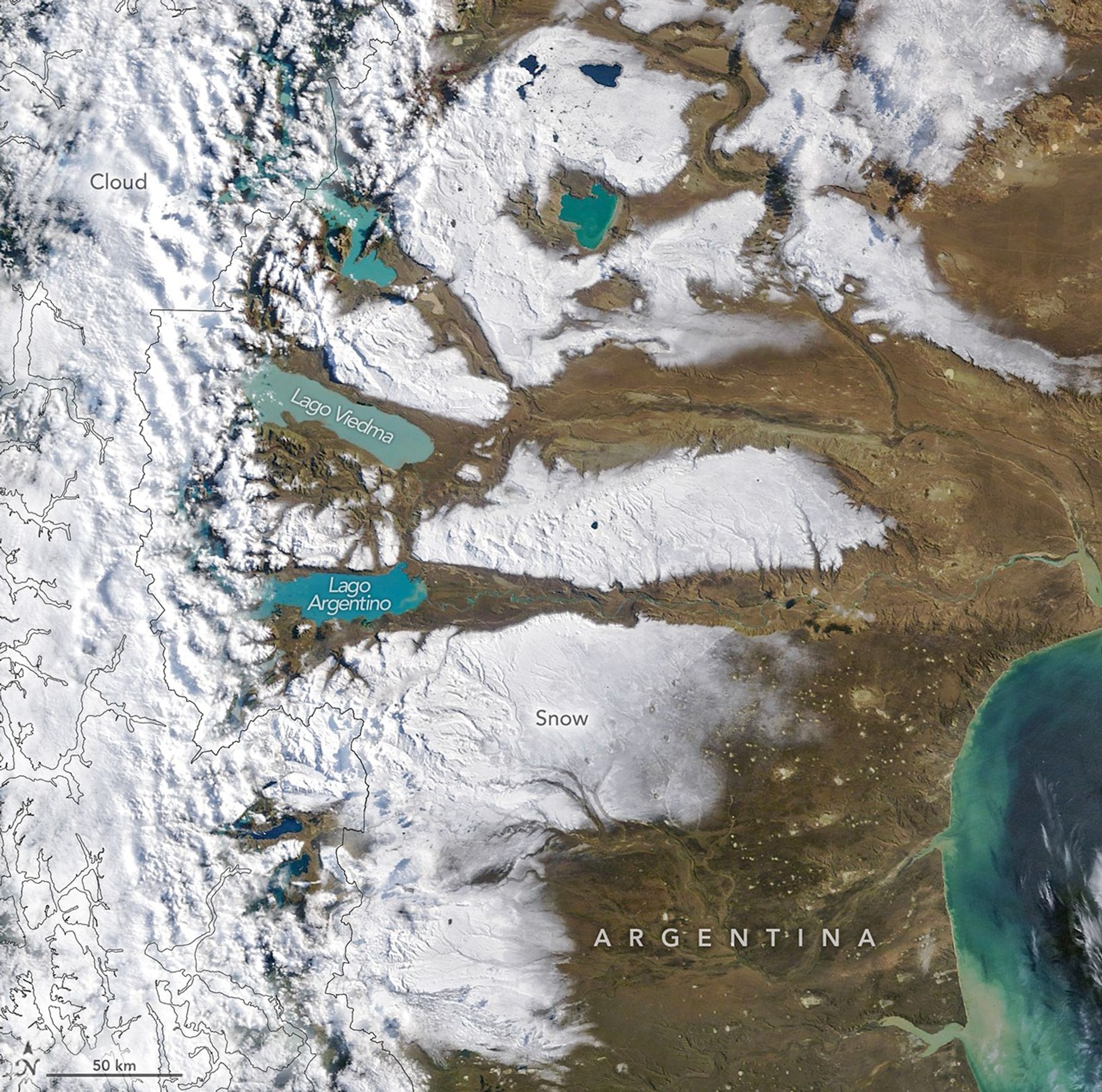
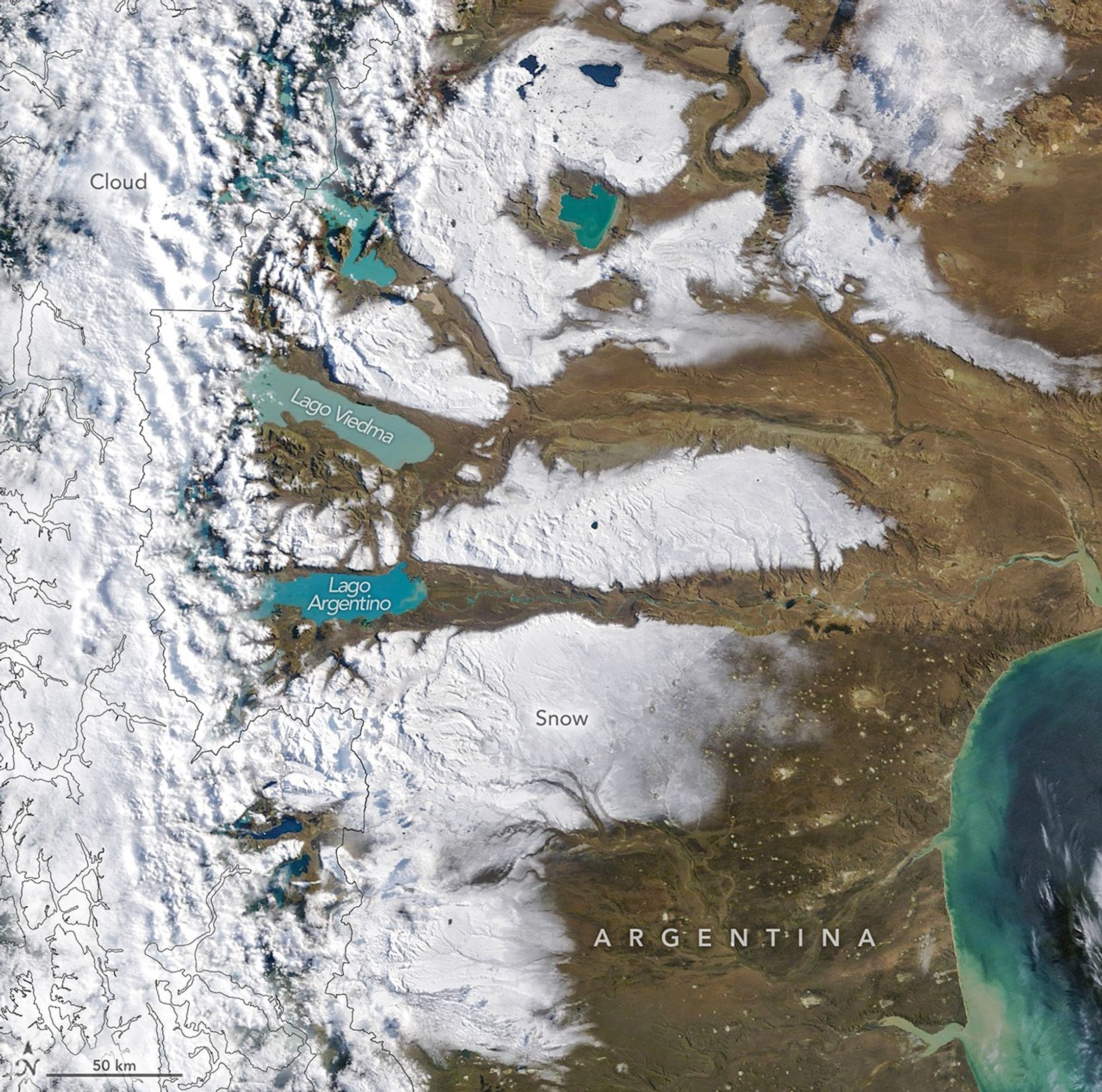
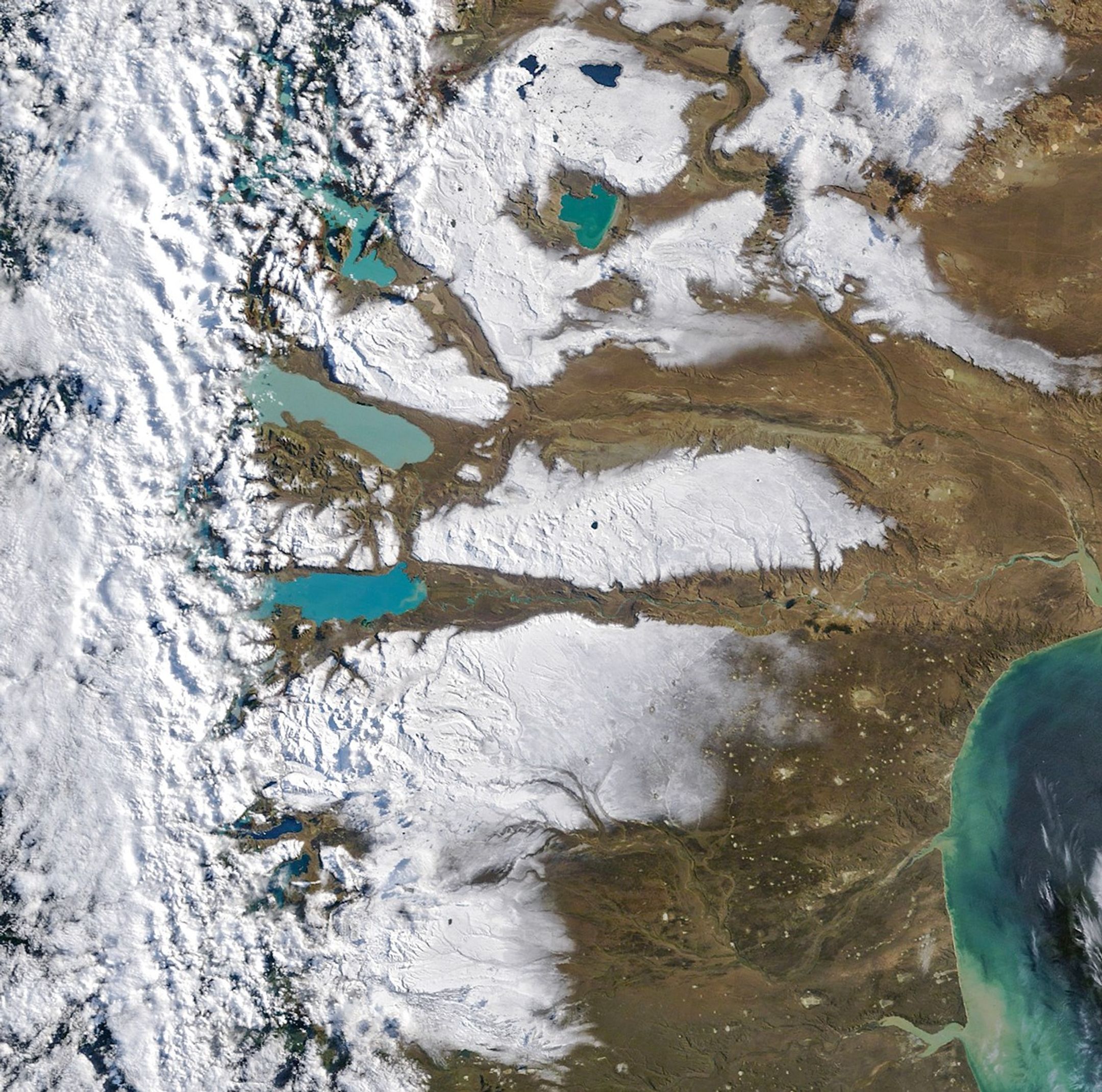
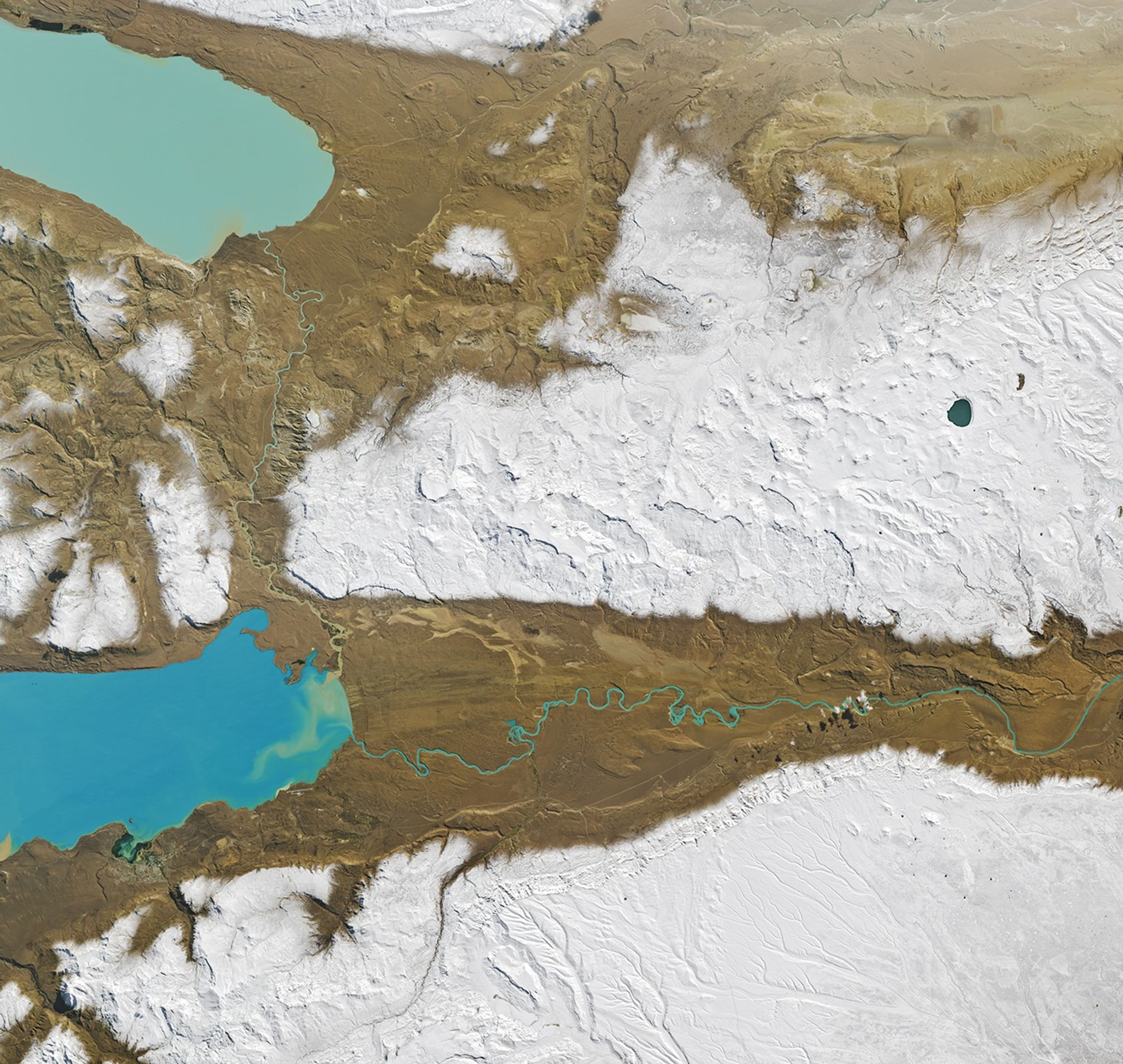
On the eastern, arid side of the Andes, the plains of southern Argentina stretch from the mountains to the Atlantic coast. The landscape often appears dry and brown, interrupted by colorful glacier-fed lakes, but a storm in early April 2026 blanketed swaths of the land in white. The MODIS (Moderate Resolution Imaging Spectroradiometer) on NASA’s Terra satellite captured this image of the snowy Patagonian Desert on the morning of April 3.
Early fall has been wetter than normal in southern Patagonia, said atmospheric scientist René Garreaud of the Universidad de Chile, noting that satellite-based estimates showed above-average precipitation from late March through early April. Much of the region’s precipitation tends to fall on the western, windward side of the Andes, he said. “But strong winds are capable of blowing some snow east into the Argentinian side, as beautifully reflected in the MODIS image.”
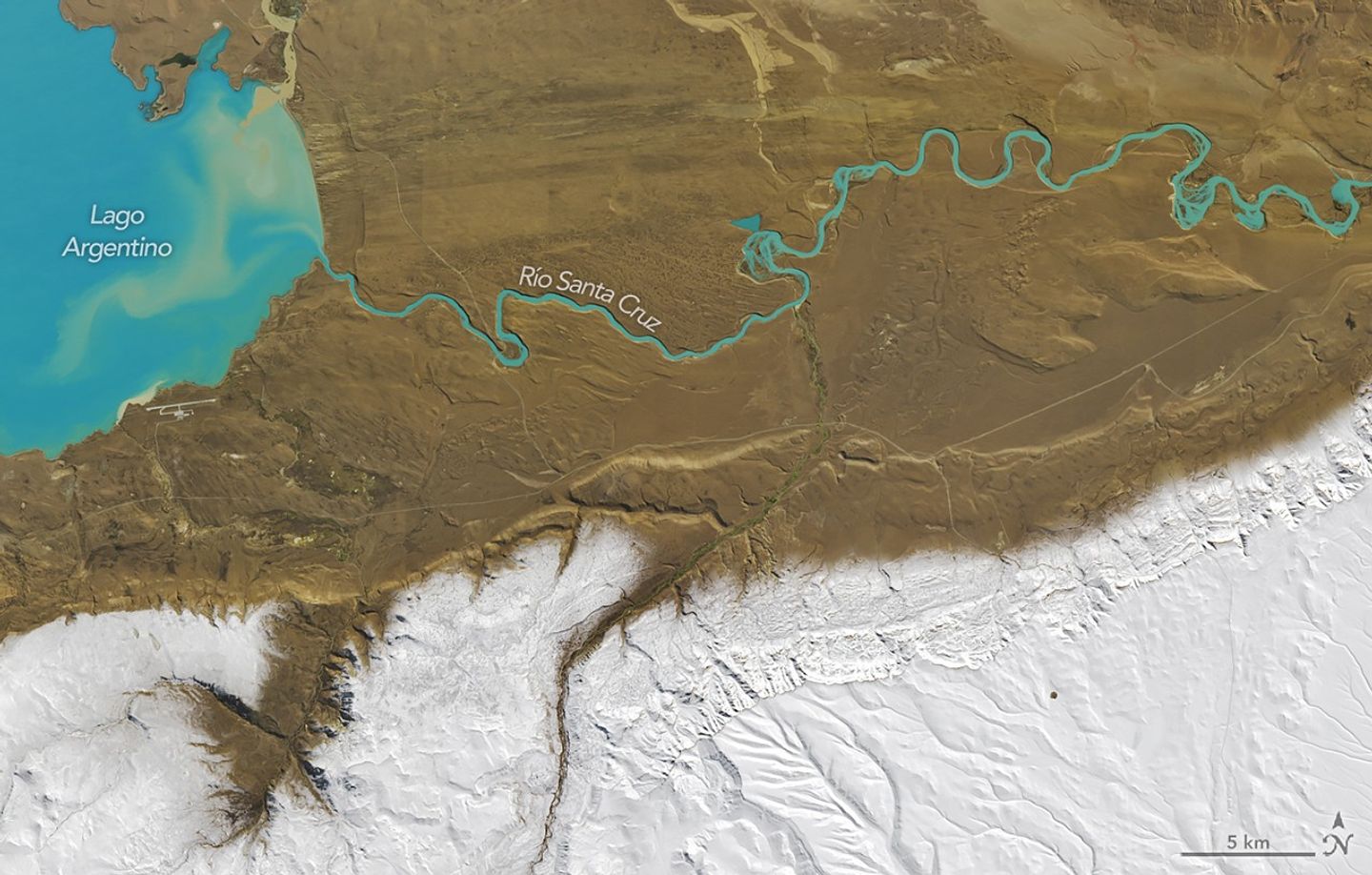
Snow clings to the higher elevations, while valleys draining the large glacial lakes are bare. In this detailed Landsat image, a stark snow line appears along the outlet of Lago Argentino. Also note the color of the water. Lago Argentino and other nearby lakes contain an abundance of fine sediment, or glacial flour, pulverized by southern Patagonia’s plentiful glaciers. This suspended sediment makes the lakes appear milky blue or turquoise.
Though snow was widespread across the desert after the early-season storm, the wintry splendor was fleeting. A satellite view from the afternoon of April 4 showed that snow had melted from all but the highest mountain areas.
NASA Earth Observatory images by Michala Garrison, using MODIS data from NASA EOSDIS LANCE and GIBS/Worldview, and Landsat data from the U.S. Geological Survey. Story by Lindsey Doermann.
References & Resources
- AntarcticGlaciers.org (2026, March 19) Southern Annual Mode: Southern Westerly Winds in Patagonia. Accessed April 8, 2026.
- NASA Earth Observatory (2019, June 11) Los Glaciares National Park, Argentina. Accessed April 8, 2026.
- NASA Earth Observatory (2019, May 20) How Glaciers Turn Lakes Turquoise. Accessed April 8, 2026.
- NASA Earth Observatory (2011, March 11) Glacial Lakes of Patagonia. Accessed April 8, 2026.
You may also be interested in:
Stay up-to-date with the latest content from NASA as we explore the universe and discover more about our home planet.

Clouds of dust lofted from the Sahara Desert brought hazy skies and muddy rain to Western Europe.

An advancing cold front kicked up a sharp line of sand and other small particles that swept over the high…
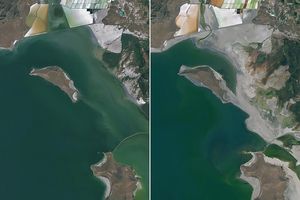
Reed-covered mounds exposed by declining water levels reveal an unexpected network of freshwater springs that feed directly into the lake…














Related Posts


Stay Informed With the Latest & Most Important News
Previous Post
Next Post

Advertisement
-
 01Two Black Holes Observed Circling Each Other for the First Time
 -
 02From Polymerization-Enabled Folding and Assembly to Chemical Evolution: Key Processes for Emergence of Functional Polymers in the Origin of Life
 -
 03Astronomy 101: From the Sun and Moon to Wormholes and Warp Drive, Key Theories, Discoveries, and Facts about the Universe (The Adams 101 Series)
 -
 04True Anomaly hires former York Space executive as chief operating officer
 -
 05Φsat-2 begins science phase for AI Earth images
 -
 06Hurricane forecasters are losing 3 key satellites ahead of peak storm season − a meteorologist explains why it matters
 -
 07Binary star systems are complex astronomical objects − a new AI approach could pin down their properties quickly