
Now Reading: SpaceX launches inaugural Twilight rideshare mission with 40 satellites including NASA’s Pandora
-
01
SpaceX launches inaugural Twilight rideshare mission with 40 satellites including NASA’s Pandora

SpaceX launches inaugural Twilight rideshare mission with 40 satellites including NASA’s Pandora

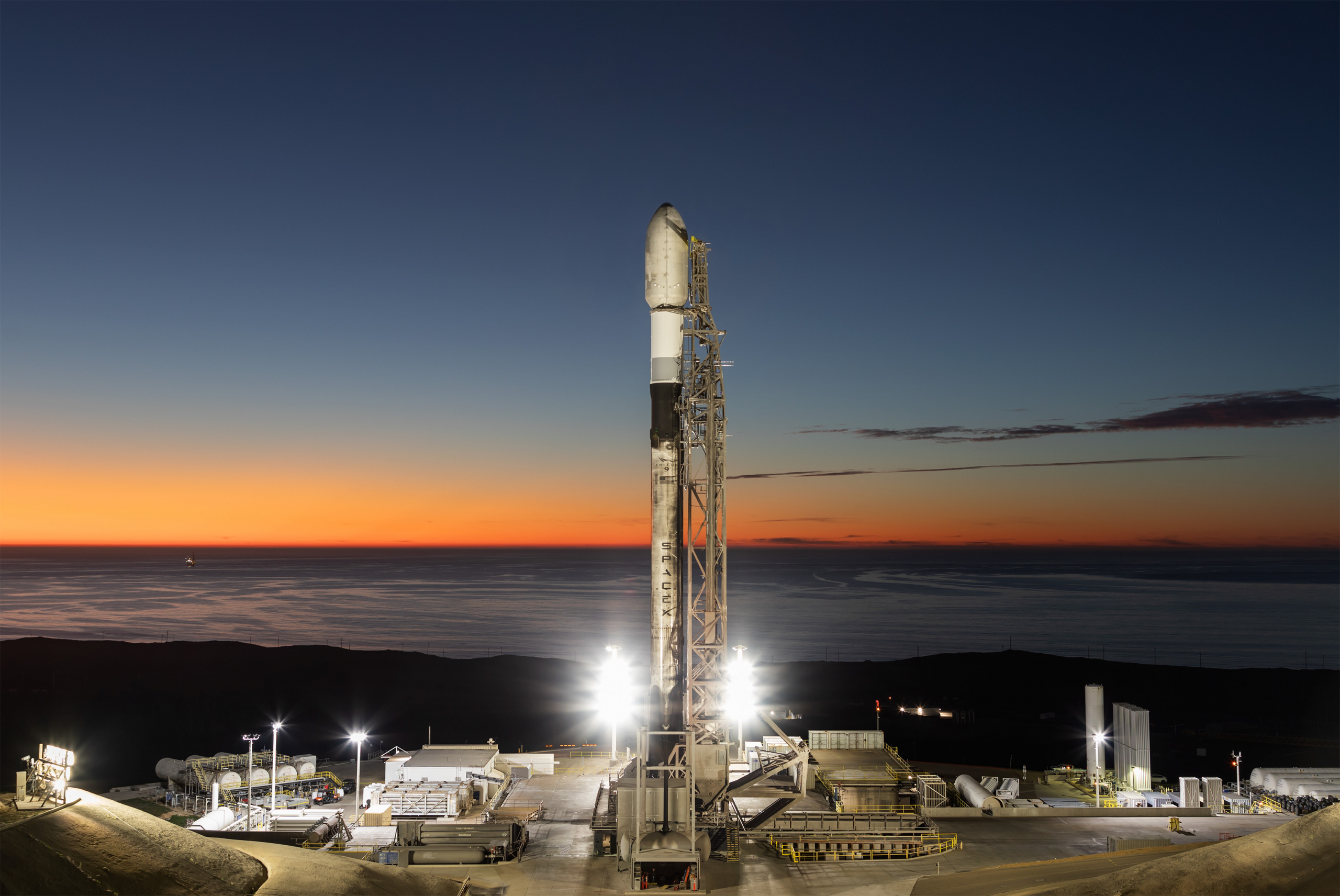

SpaceX achieved a significant milestone with the successful launch of its first rideshare mission of 2026 from Space Launch Complex-4E at Vandenberg Space Force Base on January 11. Dubbed the Twilight mission, this launch marks an inaugural venture for SpaceX, diverging from its traditional Transporter and Bandwagon series.
The mission lifted off at 5:44 AM PST (13:44 UTC), within a launch window that extended until 6:16 AM PST (14:16 UTC). In case of complications, a backup opportunity was scheduled for the following day at the same times. The mission used Booster 1097, which returned to the launch site and successfully landed at Landing Zone 4 after its fifth flight, marking a history that includes missions like the Sentinel-6B and three Starlink launches.
Twilight’s payload consisted of 40 satellites, including NASA’s Pandora mission, which focuses on exoplanet characterization. The second stage operated in a sun-synchronous orbit, accommodating a variety of research projects within altitudes of 500 to 600 kilometers above Earth. The first payload deployment occurred just over an hour post-launch, following an important second-stage burn.
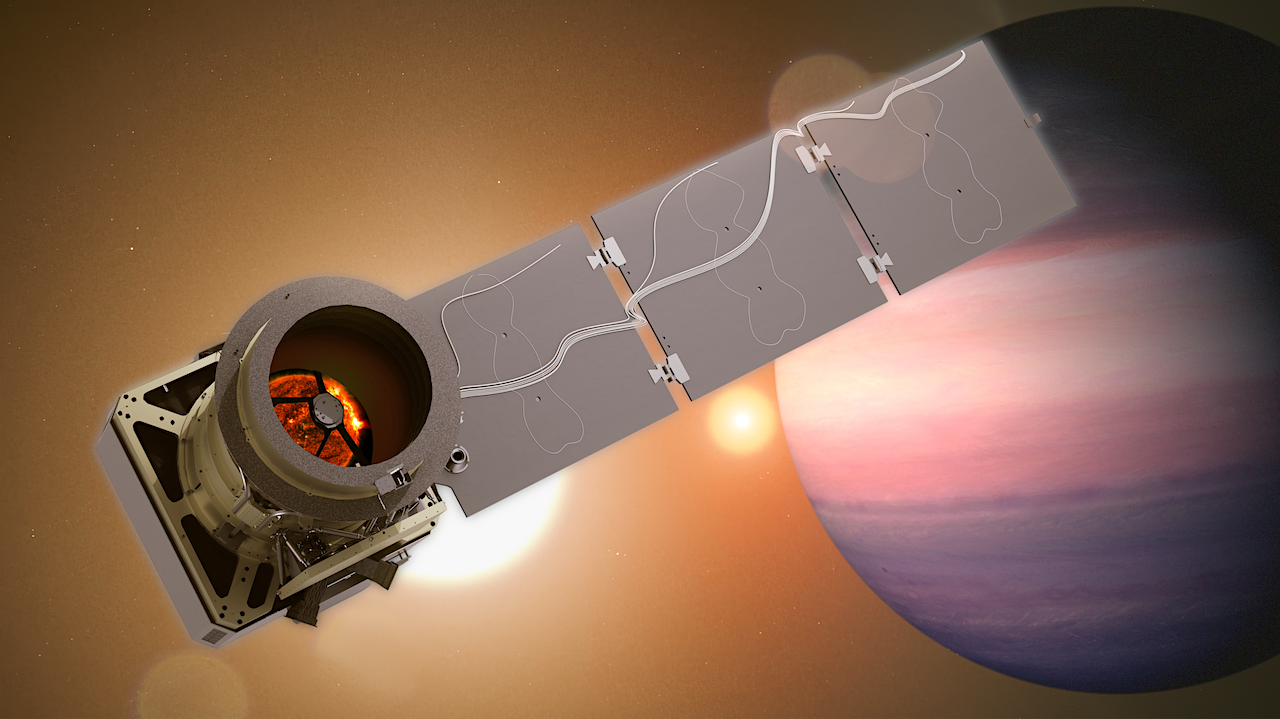
Pandora, developed by Blue Canyon Technologies and funded through NASA’s Astrophysics Pioneers program, aims to investigate 20 stars known to host exoplanets during its one-year primary mission. It is features an telescope and a spectrograph, designed to observe in both visible and near-infrared wavelengths. This dual observation approach will allow Pandora to differentiate between stellar activities and the atmospheric signatures of transiting planets, particularly searching for elements like hydrogen, oxygen, and water.
Alongside Pandora, the Star-Planet Activity Research CubeSat (SPARCS) is also part of the Twilight mission. This CubeSat, developed by Arizona State University and funded by NASA, intends to examine radiation environments around low-mass stars. SPARCS will use a specialized telescope to study these stars in both near and far ultraviolet wavelengths, effectively extending observation capabilities beyond those of the James Webb Space Telescope.
The Twilight mission not only supports scientific exploration but also includes customer payloads from Exolaunch. A total of 22 additional satellites from various clients are set for deployment, with notable contributions from Spire Global, which will provide atmospheric data with its satellites, and Turkey’s Plan-S Satellite, offering Internet of Things connectivity.
As SpaceX embarks on 2026 with a strong launch schedule, the company plans to maintain its prolific launch cadence, with up to four Falcon Heavy missions expected in addition to its ongoing efforts to operationalize the Starship system. This latest mission underscores the company’s commitment to expanding its capabilities and contributing to global space research initiatives.










Related Posts


Stay Informed With the Latest & Most Important News
Previous Post
Next Post




Advertisement
-
 01Two Black Holes Observed Circling Each Other for the First Time
 -
 02From Polymerization-Enabled Folding and Assembly to Chemical Evolution: Key Processes for Emergence of Functional Polymers in the Origin of Life
 -
 03Astronomy 101: From the Sun and Moon to Wormholes and Warp Drive, Key Theories, Discoveries, and Facts about the Universe (The Adams 101 Series)
 -
 04True Anomaly hires former York Space executive as chief operating officer
 -
 05Φsat-2 begins science phase for AI Earth images
 -
 06Hurricane forecasters are losing 3 key satellites ahead of peak storm season − a meteorologist explains why it matters
 -
 07Binary star systems are complex astronomical objects − a new AI approach could pin down their properties quickly