
Now Reading: Sunlight Extracts Oxygen From Regolith Using Solar Chemistry
-
01
Sunlight Extracts Oxygen From Regolith Using Solar Chemistry


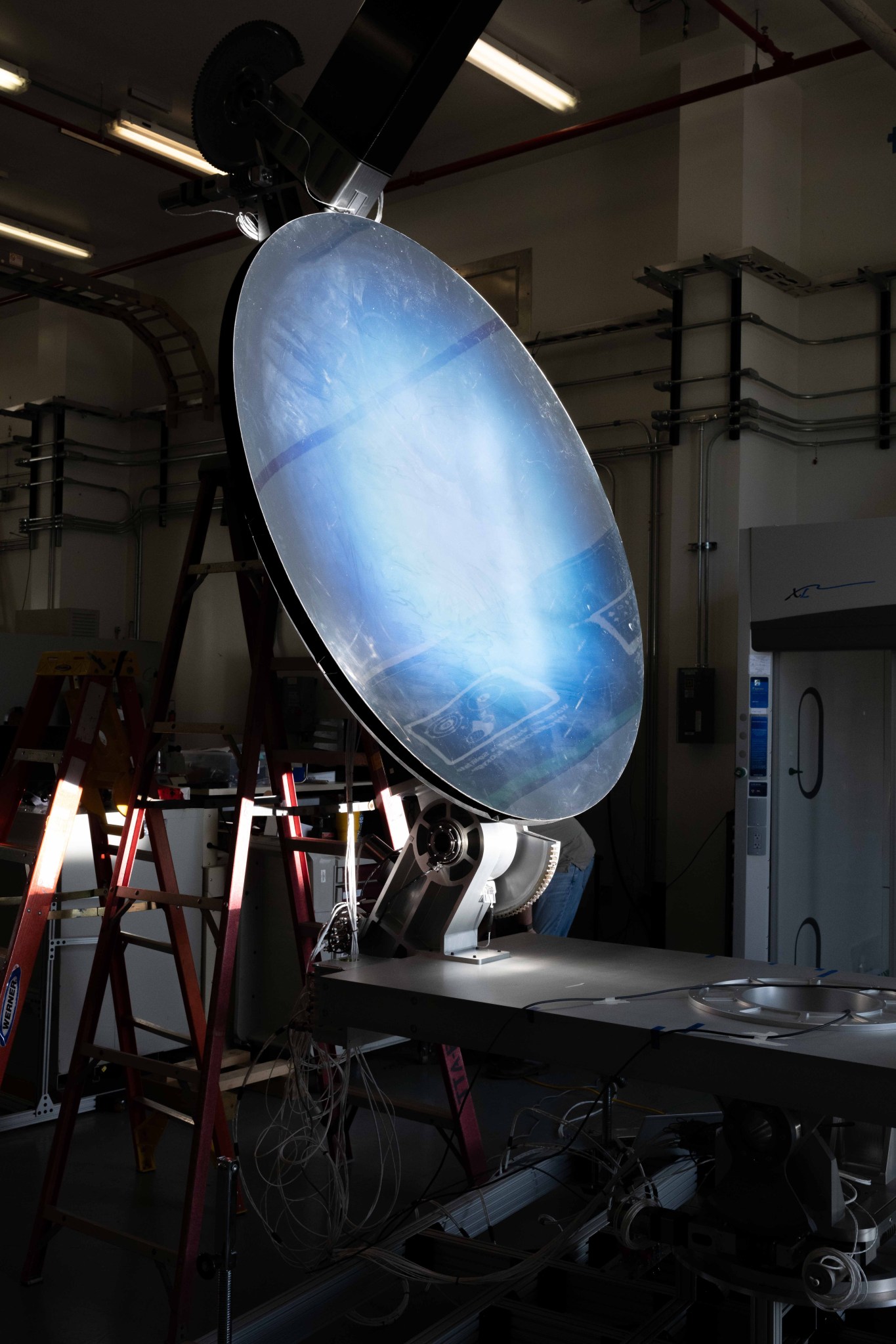
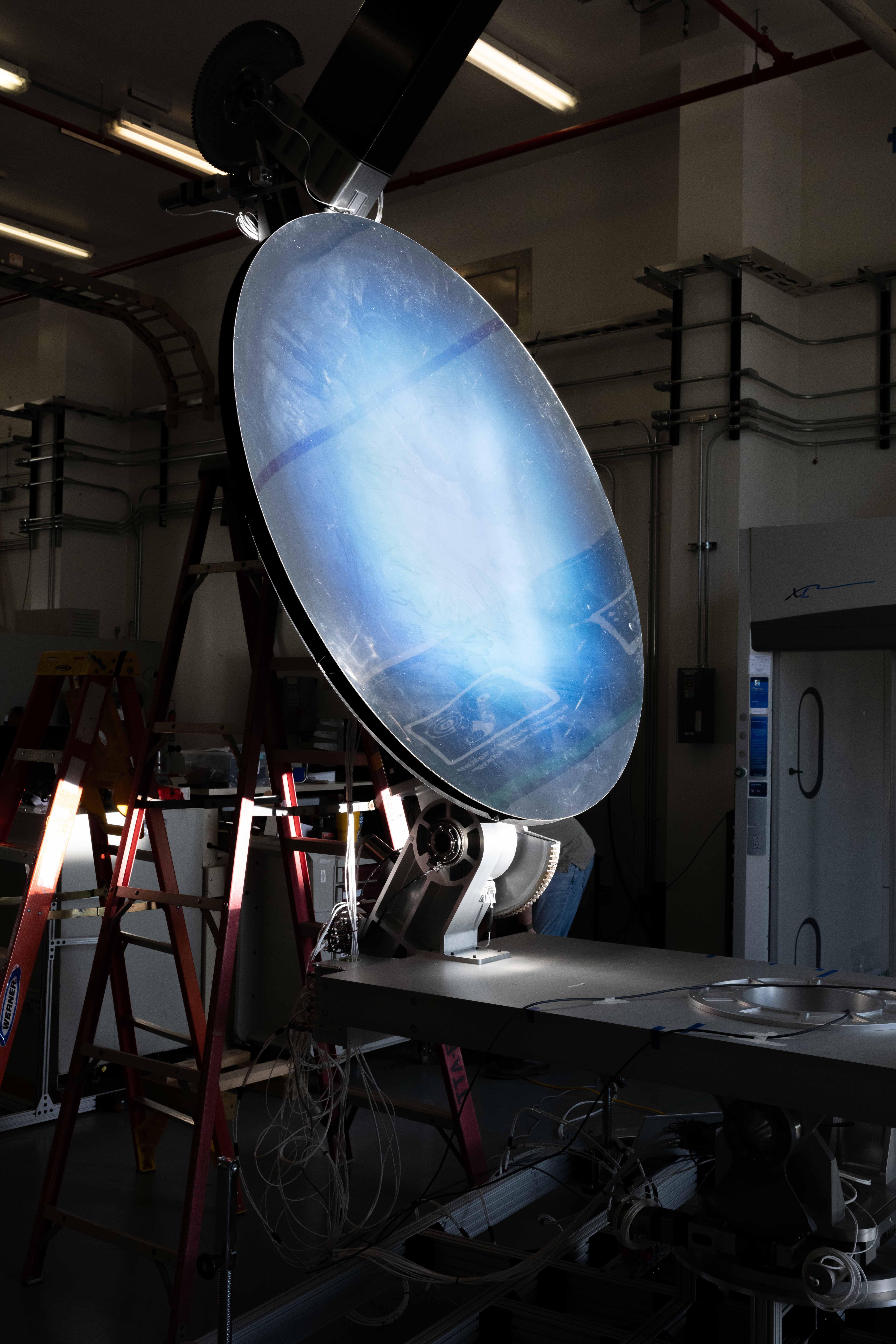
NASA’s Carbothermal Reduction Demonstration (CaRD) project completed an important step toward using local resources to support human exploration on the Moon. The CaRD team performed integrated prototype testing that used concentrated solar energy to extract oxygen from simulated lunar soil, while confirming the production of carbon monoxide through a solar-driven chemical reaction.
If deployed on the Moon, this technology could enable the production of propellant using only lunar materials and sunlight, significantly reducing the cost and complexity of sustaining a long-term human presence on the lunar surface. The same downstream systems used to convert carbon monoxide into oxygen can also be adapted to convert carbon dioxide into oxygen and methane on Mars.
The integrated prototype brought together a carbothermal oxygen production reactor developed by Sierra Space, a solar concentrator designed by NASA’s Glenn Research Center in Cleveland, precision mirrors produced by Composite Mirror Applications, and avionics, software, and gas analysis systems from NASA’s Kennedy Space Center in Florida. NASA’s Johnson Space Center in Houston led project management, systems engineering, testing, and development of key hardware and ground support systems.













Related Posts


Stay Informed With the Latest & Most Important News
Previous Post
Next Post




Advertisement
-
 01Two Black Holes Observed Circling Each Other for the First Time
 -
 02From Polymerization-Enabled Folding and Assembly to Chemical Evolution: Key Processes for Emergence of Functional Polymers in the Origin of Life
 -
 03Astronomy 101: From the Sun and Moon to Wormholes and Warp Drive, Key Theories, Discoveries, and Facts about the Universe (The Adams 101 Series)
 -
 04True Anomaly hires former York Space executive as chief operating officer
 -
 05Φsat-2 begins science phase for AI Earth images
 -
 06Hurricane forecasters are losing 3 key satellites ahead of peak storm season − a meteorologist explains why it matters
 -
 07Binary star systems are complex astronomical objects − a new AI approach could pin down their properties quickly