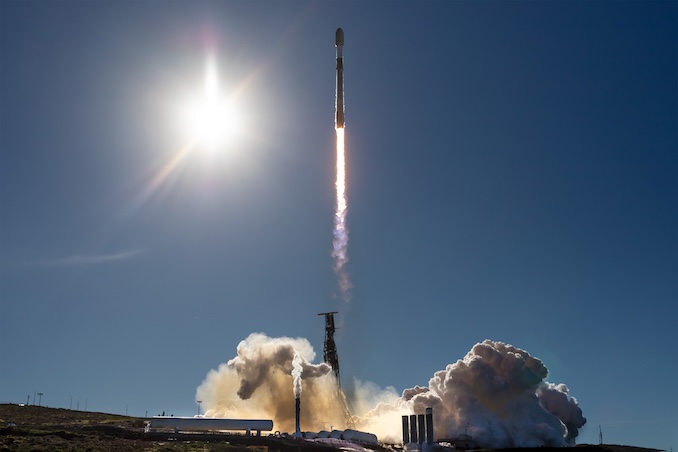
A SpaceX Falcon 9 rocket lifts off on the Starlink 11-15 mission from Space Launch Complex 4 East at Vandenberg Space Force Base on Dec. 7, 2025. Image: SpaceX Update

A SpaceX Falcon 9 rocket lifts off on the Starlink 11-15 mission from Space Launch Complex 4 East at Vandenberg Space Force Base on Dec. 7, 2025. Image: SpaceX Update
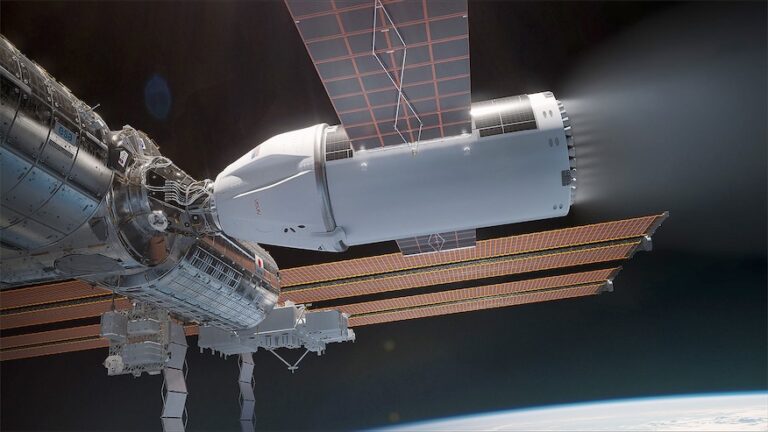
The International Space Station is pictured from the SpaceX Dragon crew spacecraft during a fly around of the orbiting lab that took place following its undocking from the Harmony module’s

File: A SpaceX Falcon 9 rocket stands in launch position at Space Launch Complex 4 East (SLC-4E) at Vandenberg Space Force Base ahead of the launch of the NROL-57 mission.
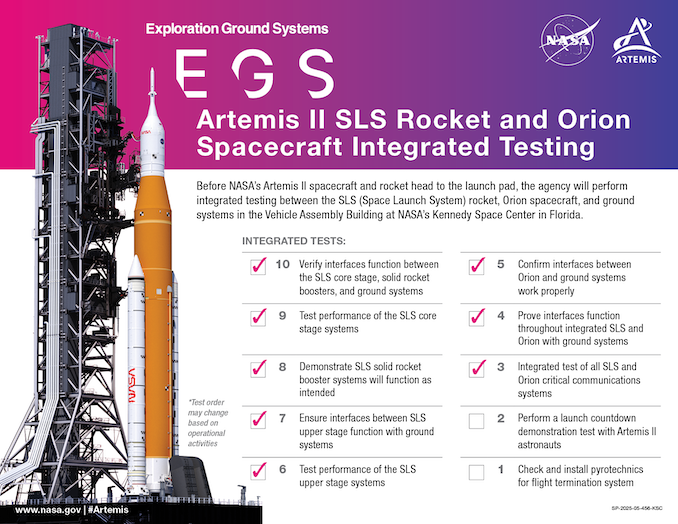
Technicians with NASA’s Exploration Ground Systems team use a crane to lift and secure NASA’s Orion spacecraft on top of the SLS (Space Launch System) rocket in High Bay 3
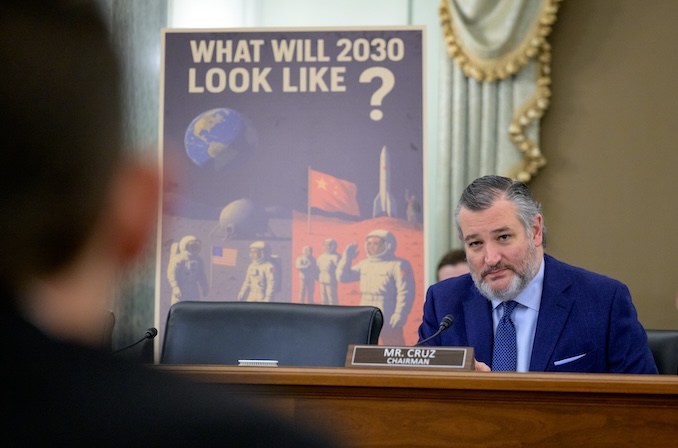
Jared Isaacman, President Donald Trump’s nominee to be the next administrator of NASA, appears before the Senate Committee on Commerce, Science, and Transportation, Wednesday, April 9, 2025, at the Russell
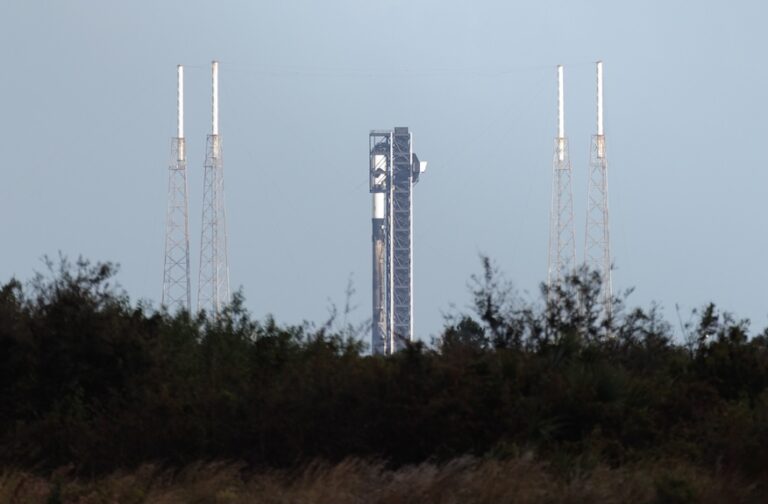
File: A Falcon 9 rocket stands in the launch position at Space Launch Complex 40 (SLC-40) at Cape Canaveral Space Force Station ahead of the planned liftoff of the Starlink
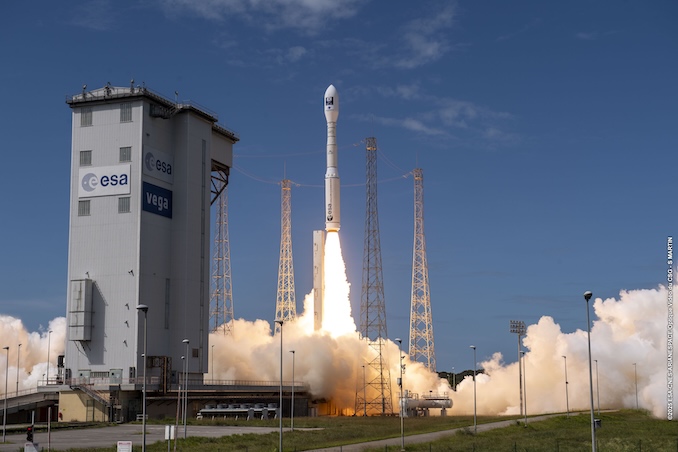
An Arianespace Vega-C rocket lifts off from Europe’s Spaceport in Kourou, French Guiana, on Dec. 1, 2025, carrying South Korea’s KOMPSAT-7 satellite. Image: ESA-CNES-Arianespace/Optique Vidéo du CSG – S. Martin
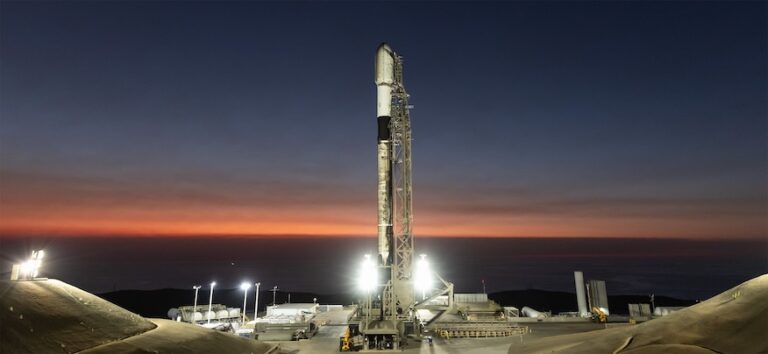
File: A SpaceX Falcon 9 rocket stands in the launch position during sunset at Space Launch Complex 4 East (SLC-4E) at Vandenberg Space Force Base in California. Image: SpaceX SpaceX
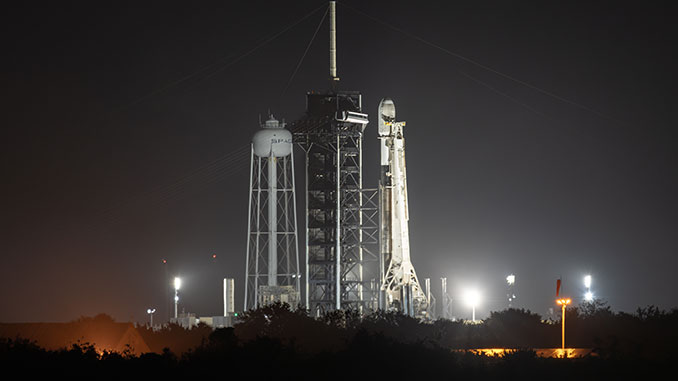
File: A Falcon 9 rocket stands at pad 39A for its planned launch with 21 Starlink satellites. Image: Adam Bernstein/Spaceflight Now. SpaceX is kicking off the month of December with
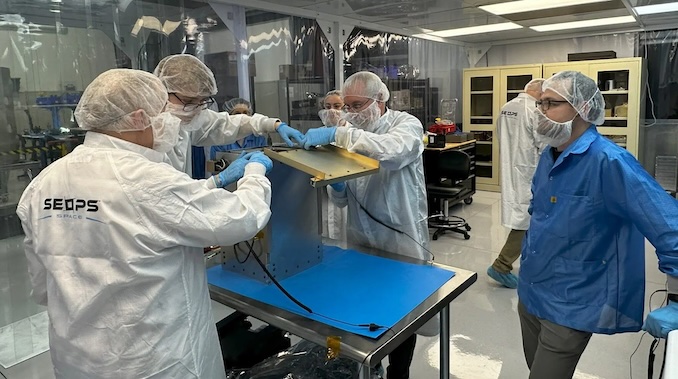
A glimpse of the 140 payloads onboard SpaceX’s Transporter-15 mission. Image: SpaceX Update Nov. 28, 5:45 p.m. EST (2345 UTC): SpaceX deployed all payloads designed to separate from the rocket.