
Now Reading: The COSPAR Policy On Planetary Protection: An Overview Of Governance And Activities
-
01
The COSPAR Policy On Planetary Protection: An Overview Of Governance And Activities

The COSPAR Policy On Planetary Protection: An Overview Of Governance And Activities

The search for both extant and extinct life within our Solar System and beyond has been a primary motivation for space exploration since its inception.
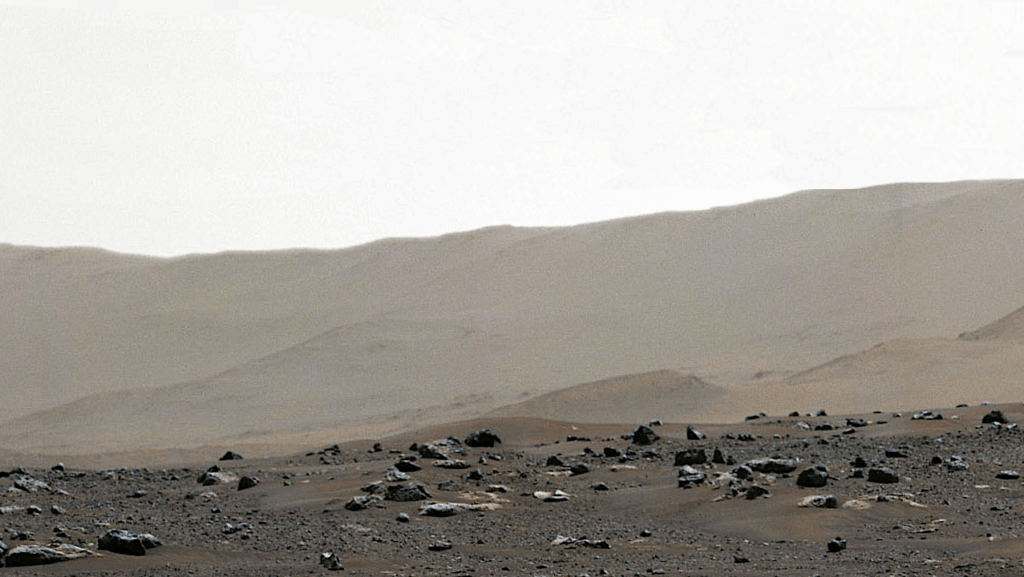
Mars has long been a focal point for exploration, and it continues to be, while the moons of the gas giants, Jupiter and Saturn, are increasingly seen as possible habitats. To ensure safe and sustainable scientific exploration of these bodies, the COSPAR Policy on Planetary Protection aims at ensuring adherence to the 1967 Outer Space Treaty.
Although not legally binding, the guidelines set forth by the Policy are globally supported, with implementation instructions provided. The primary goal of the Committee on Space Research (COSPAR) Panel on Planetary Protection is to safeguard against the harmful effects of both forward and backward contamination.
It focuses on the biological exchange that may occur during Solar System exploration, which could negatively affect the study of chemical evolution as well as the origin of life.
The Policy is regularly reviewed and revised to incorporate the latest scientific discoveries, alongside the rapidly advancing requirements of space exploration. The Panel’s work addresses the specific needs of each space mission, while ensuring the application of relevant expertise to promote the sustainable exploration of the Solar System.
The COSPAR Panel on Planetary Protection and the COSPAR Policy on Planetary Protection: an overview of governance and activities, Philosophical Transactions A (open access)
Astrobiology,











Related Posts
Stay Informed With the Latest & Most Important News
Previous Post
Next Post


Advertisement
-
 01Two Black Holes Observed Circling Each Other for the First Time
 -
 02From Polymerization-Enabled Folding and Assembly to Chemical Evolution: Key Processes for Emergence of Functional Polymers in the Origin of Life
 -
 03Astronomy 101: From the Sun and Moon to Wormholes and Warp Drive, Key Theories, Discoveries, and Facts about the Universe (The Adams 101 Series)
 -
 04True Anomaly hires former York Space executive as chief operating officer
 -
 05Φsat-2 begins science phase for AI Earth images
 -
 06Hurricane forecasters are losing 3 key satellites ahead of peak storm season − a meteorologist explains why it matters
 -
 07Binary star systems are complex astronomical objects − a new AI approach could pin down their properties quickly